
智慧城市

Search documents
《北京城市副中心条例》表决通过,推动科技创新政策在副中心先行先试
Xin Lang Cai Jing· 2026-01-29 17:44
Core Viewpoint - The Beijing Municipal People's Congress has approved the "Beijing Urban Sub-center Regulations," which will take effect on May 1, 2026, marking a significant step in the development of the sub-center and aligning with the national strategy for coordinated development in the Beijing-Tianjin-Hebei region [1]. Group 1: Legislative Framework - The regulations are designed to solidify the achievements of ten years of construction and provide a legal framework for future reforms and development in the sub-center [3]. - The regulations aim to enhance the management system, allowing the municipal government to delegate certain powers to the sub-center management committee and the Tongzhou District government [4]. - The regulations include provisions for a unified land spatial planning system and specific requirements for transportation, water management, and urban renewal [4]. Group 2: Industry Development - The regulations identify six key industries for development in the sub-center, including digital economy, modern finance, and advanced manufacturing, with a focus on nurturing future industries [4]. - Policies for technological innovation and talent recruitment will be prioritized to foster a conducive environment for industry growth [4]. Group 3: Green Development - The regulations emphasize the promotion of green and low-carbon industries, establishing mechanisms for green investment and resource conservation [4]. - A comprehensive green space system will be developed to support sustainable urban growth [4]. Group 4: Smart City Initiatives - The regulations outline plans for building a smart city, focusing on digital infrastructure and a new model for smart governance and services [5]. - The integration of public service systems and urban governance will be enhanced to improve service quality across various sectors [5]. Group 5: Implementation Tasks - Over 100 key tasks have been identified for the implementation of the regulations, covering areas such as planning, industry development, and public services [6][7]. - A series of supporting policy documents will be released to facilitate the regulations' implementation, ensuring a market-oriented and legally compliant business environment [7].
《北京城市副中心条例》表决通过,看点在这里
Xin Lang Cai Jing· 2026-01-29 16:41
Group 1 - The core focus of the newly passed "Beijing Urban Sub-center Regulations" is to promote the development of six key industries: digital economy, modern finance, advanced manufacturing, business services, cultural tourism, and modern seed industry, with an aim to cultivate future industries and encourage technological innovation policies [3][4] - The digital economy sector will include the establishment of a national cybersecurity industry park, a data infrastructure pilot area, and an innovation center for smart Beijing, aimed at promoting data technology innovation and industrial development [3] - The modern finance sector will support the establishment of various financial institutions, innovative financial products, and the construction of a global wealth management center, as well as a center for green and sustainable finance [3] Group 2 - The regulations emphasize the need for a synchronized planning and construction mechanism for digital and municipal infrastructure, aiming to create a new model of smart city characterized by "one network, one brain, one platform" [4][5] - The urban sub-center is tasked with promoting the integration of data resources, fostering a data factor market, and enhancing the innovation of open scenarios, thereby advancing the development of the digital economy [5] - The regulations also highlight the importance of establishing a collaborative mechanism with the North Three Counties to build a demonstration area for coordinated development in the Beijing-Tianjin-Hebei region, focusing on infrastructure connectivity and improved commuting efficiency [6][8]

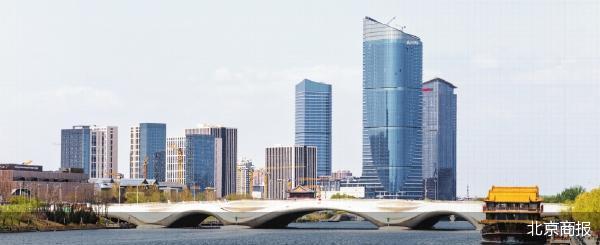
北京立法推动城市副中心高质量发展
Xin Hua She· 2026-01-29 13:19
Core Viewpoint - The "Beijing Urban Sub-center Regulations" were passed, granting greater autonomy for reform and innovation to address development challenges, effective from May 1, 2026 [1] Group 1: Regulatory Framework - The regulations consist of 9 chapters and 65 articles, covering general principles, management systems, planning and construction, industrial layout, green development, smart cities, public services, collaborative development, and supplementary provisions [1] - The regulations apply to the planning scope defined by the urban sub-center's detailed control planning and its expansion areas [1] Group 2: Key Development Areas - A unified land spatial planning system will be established, focusing on unique urban spatial structures, green space systems, and historical and cultural preservation [2] - The sub-center will prioritize the development of six key industries, including digital economy and modern finance, to foster future industries [2] - The smart city initiative will emphasize digital empowerment for socio-economic development, establishing a mechanism for synchronized planning and construction of digital and municipal infrastructure [2] Group 3: Collaborative Development - The regulations outline the integration of the sub-center with the main urban area, expansion zones, and surrounding regions, including the coordination with Xiong'an New Area for non-capital functions and population transfer [2] - There will be a focus on the integrated development of Tongzhou District with Tianjin and surrounding areas in Hebei Province [2] Group 4: Implementation Strategy - The implementation of the regulations is included in the annual work priorities of the urban sub-center construction leadership group, coinciding with the start of the 14th Five-Year Plan [2] - The Beijing Urban Sub-center Management Committee will develop implementation plans and supporting policies, leveraging local legislative experiences to ensure high-quality task completion [2]
2026北京两会|《北京城市副中心条例》表决通过,看点在这里
Bei Jing Shang Bao· 2026-01-29 08:55
Core Viewpoint - The Beijing Municipal People's Congress has passed the "Beijing Urban Sub-center Regulations," which will take effect on May 1, 2026, focusing on promoting specific industries and developing a smart city model [1] Group 1: Key Industries - The regulations identify six key industries for development: digital economy, modern finance, advanced manufacturing, business services, cultural tourism, and modern seed industry, aiming to foster future industries [4] - In the digital economy sector, initiatives include establishing a national cybersecurity industrial park and a data infrastructure pilot zone [4] - The modern finance sector will support the establishment of various financial institutions and promote the development of a global wealth management center [4] - Advanced manufacturing will focus on intelligent, green, and integrated development [4] - Business services will encourage the establishment of headquarters and branches for domestic and foreign professional service institutions [4] - Cultural tourism aims to develop new cultural formats and create an important area for cultural tourism development [4] - The modern seed industry will involve the construction of an international seed technology park in Tongzhou [4] Group 2: Smart City Development - The regulations emphasize the integration of digital infrastructure and municipal infrastructure, establishing a new smart city model characterized by "one network, one brain, one platform" [6] - The city will promote smart industries, governance, living, and safety, enhancing the intelligence and precision of urban planning and management [6] - A digital foundation will be established to support a pervasive information communication network and a city perception network [6][7] Group 3: Regional Collaboration - The regulations aim to strengthen the role of the sub-center as a key area for the functional and population relief of the central urban area, promoting coordinated development with the northern three counties [8] - Infrastructure connectivity will be improved, and innovative traffic management methods will be implemented to enhance commuting efficiency [9] - The regulations also focus on building a new urban-rural structure and promoting beautiful countryside construction [10] Group 4: Environmental and Public Services - There will be a focus on ecological environment control and restoration, establishing green belts and regional greenway systems [11] - The regulations promote shared public services, supporting the distribution of educational, medical, and elderly care resources to the northern three counties [13] - Mechanisms for disaster prevention and control will be enhanced to improve regional safety [14]
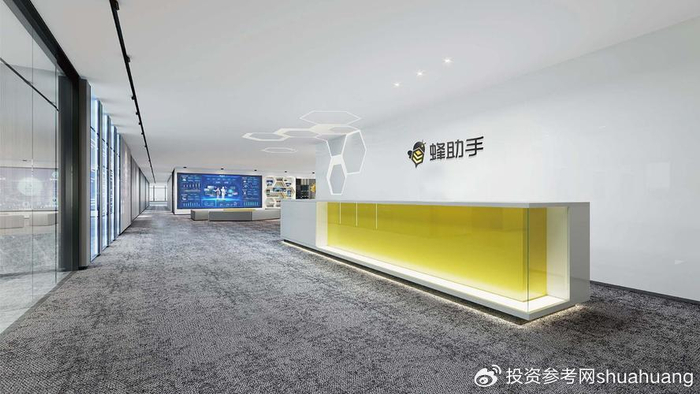
减持2.44亿仍持股8%,海峡创新16倍净利暴增背后,蜂助手算力赛道红利
Xin Lang Cai Jing· 2026-01-29 05:21
Core Viewpoint - The news highlights a rare "win-win" scenario in the A-share market, where both Haixia Innovation and its associate company, Fengzhushou, report significant performance forecasts for 2025, showcasing a balance between quality equity layout and focus on core business [1] Group 1: Haixia Innovation - Haixia Innovation expects a net profit attributable to shareholders of 100 million to 150 million yuan for 2025, a staggering increase of 1660.56% to 2540.85% compared to 5.68 million yuan in the previous year [1] - The substantial profit increase is primarily driven by strategic equity reduction rather than breakthroughs in its main business, with non-recurring gains estimated at 200 million to 300 million yuan, mainly from the reduction of Fengzhushou shares [3] - Despite the profit surge, Haixia Innovation's core business faces operational pressures, with a reported revenue of 92.06 million yuan for the third quarter of 2025, a slight increase of 4.7%, but a net loss of 17.24 million yuan [4] Group 2: Fengzhushou - Fengzhushou anticipates a net profit attributable to shareholders of 142 million to 174 million yuan for 2025, with a growth rate of over 6%, and revenue expected to exceed 1.9 billion yuan [4] - The company's growth is attributed to the synergy of core business operations and ongoing cost control, with a significant revenue increase of 57.57% in the third quarter of 2025 [5] - Fengzhushou's performance aligns with the industry's growth in computing power infrastructure, with a projected 43% year-on-year increase in China's intelligent computing power scale for 2025 [6] Group 3: Market Dynamics - The interaction between Haixia Innovation and Fengzhushou illustrates a healthy capital operation model, where Haixia Innovation's equity reduction supports its core business during a challenging period, while Fengzhushou benefits from improved liquidity and stable growth [7] - The overall environment for the smart city industry is under pressure, with another company in the sector expected to report a net loss, highlighting the significance of Haixia Innovation's strategic equity reduction [7] - The capital market's healthy development requires companies to focus on their core business while optimizing resource allocation through reasonable capital operations, as demonstrated by the collaboration between Haixia Innovation and Fengzhushou [8]

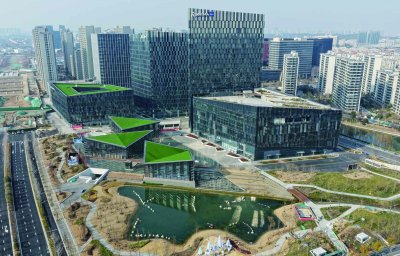
“冰立方”中芬合作交流中心建成投用
Nan Jing Ri Bao· 2026-01-29 01:40
Group 1 - The Nanjing "Ice Cube" Sino-Finnish Cooperation Exchange Center has been officially completed and put into use, marking the beginning of a new year of key project implementations in the southern new city, injecting new vitality into Nanjing's low-carbon ecological city construction [3][4] - The center, designed by a Finnish team, covers an area of approximately 210,000 square meters and symbolizes the cooperation between China and Finland, integrating low-carbon and environmental protection concepts into its architectural design [3][4] - The center consists of multiple functional areas, including a low-carbon ecological and smart city exhibition center, a special exhibition center, a high-end business hotel, and a business office center, serving as an important platform for economic, cultural, and environmental cooperation between the two countries [4] Group 2 - Advanced technologies have been applied in the construction of the center, such as a double-glazed curtain wall system that enhances energy efficiency by over 30% compared to traditional systems, allowing for natural air circulation [4] - The "Nanjing Southern New City Renewable Energy Regional Supply Project" won an international award for green design, showcasing innovative integration of wastewater heat pumps, photovoltaic power generation, energy storage systems, and smart control platforms [4] - Several international companies have already signed agreements to establish operations in the center, with ongoing discussions with leading enterprises, indicating a growing interest in the Sino-Finnish Cooperation Exchange Center as a hub for international business and innovation [5]
广西南宁助泰国孔敬圆“智慧城市”梦
Zhong Guo Xin Wen Wang· 2026-01-28 23:38
Group 1 - The core point of the article is the collaboration between Nanning and Khon Kaen to develop a smart city transportation system, leveraging AI and big data for improved traffic management [1][4] - The project marks the first AI cooperation initiative between Nanning and its first ASEAN sister city, Khon Kaen, established in 2002 [1][2] - Khon Kaen aims to become a model smart city in Thailand, focusing on solving transportation issues through international expertise in AI and smart mobility [1][2] Group 2 - Nanning and Khon Kaen have maintained a strong partnership over 30 years, with cooperation in education, agriculture, tourism, and trade [2] - As of now, 38 students from Khon Kaen have received scholarships to study in Nanning, contributing to the ongoing collaboration between the two cities [2] - Various cultural and sports activities have strengthened the friendship between Nanning and Khon Kaen, including youth art exhibitions and dragon dance competitions [2][3] Group 3 - The China-ASEAN Expo held annually in Nanning serves as a significant platform for enhancing cooperation and showcasing Khon Kaen's cultural and commercial offerings [3] - Khon Kaen representatives participate in the expo to promote their city and explore trade opportunities with local governments and businesses [3] - Nanning is accelerating the establishment of an AI application cooperation center to foster deeper ties and collaborative projects with ASEAN countries [4]
天融信:目前腾讯元宝暂未应用到公司产品
Zheng Quan Ri Bao Wang· 2026-01-28 14:11
Group 1 - The company Tianrongxin (002212) is engaging in deep cooperation with Tencent across multiple areas including threat intelligence, large model security, cloud security, privacy computing, and smart cities [1] - Currently, Tencent's Yuanbao has not been applied to the company's products, but the company has initiated collaboration with Tencent's Hongyuan large model [1]

君逸数码(301172) - 301172君逸数码投资者关系管理信息20260128
2026-01-28 10:02
Company Overview - Sichuan Junyi Digital Technology Co., Ltd. has expanded its business from smart city solutions to digital economy and AI applications, providing digital and information products and solutions [2] - The main business includes comprehensive solutions for digitalization and informatization, with a second growth curve focusing on the optical field [2] Business Growth - The growth rate of the smart city-related business is stable, primarily due to a low base, but it continues to maintain certain growth [3] - Annual order growth in existing segments, particularly in urban renewal (e.g., underground pipeline renovation) and smart water conservancy, is robust, benefiting from special bonds and long-term government bonds [3] AI Development - The company’s layout in the AI sector is driven by its subsidiary Chengdu Haitan AI Data Technology Co., Ltd., focusing on digitalization scenarios for government and enterprises [3] - The subsidiary has secured orders in various fields, including railways, education, and government [3] Investment and Collaboration - The company has increased its investment in Guangdong Guanghong Precision Technology Co., Ltd., with synergies in technology and market development [3] - The optical products from Guanghong Precision enhance the company's capabilities in smart connectivity and digital solutions [3] Low-Code Platform and AI Applications - The low-code machine learning platform developed by Haitan Data integrates mainstream machine learning algorithms for model training, evaluation, deployment, and optimization [4] - The AI City Lifeline model combines with mainstream large models like Tongyi Qianwen and Deepseek, supporting private deployment and data security [4] Future Directions - The company aims to deepen the application of AI in business, integrating technology with industry scenarios, and will disclose relevant progress as per regulations [4] - Current AI applications are generating revenue but are not accounted as independent product lines [4] Risk Warning - The company advises investors to refer to official announcements for business information and warns that discussions on strategic development do not constitute binding commitments [4]
趋势研判!2026年中国城市供水行业政策、综合生产能力、城市供水总量、重点企业及发展趋势:城市供水管道长度不断增加,供水总量持续扩大[图]
Chan Ye Xin Xi Wang· 2026-01-28 01:17
Core Insights - The Chinese urban water supply industry is entering a mature phase, with total water supply expected to reach 704.88 billion tons in 2024, a year-on-year increase of 2.52% [1][13]. Industry Overview - Urban water supply is a vital municipal infrastructure system consisting of water source extraction facilities, water treatment plants, and distribution networks, adhering to principles of water source development and conservation [3]. - The industry is closely linked to urbanization, with the urbanization rate in China increasing from 58.52% in 2017 to 67% in 2024, driving demand for both domestic and industrial water [8]. Supply Scale - The total length of urban water supply pipelines in China has grown from 710,200 kilometers in 2015 to 1,199,500 kilometers in 2024, with a compound annual growth rate of 6% [9][10]. - The comprehensive production capacity of urban water supply is projected to be 34.418 million cubic meters per day in 2024, with a utilization rate of 56.11%, an increase of 0.08 percentage points year-on-year [11][12]. Demand Scale - The urban water user population in China increased from 451 million in 2015 to 564 million in 2023, with a compound annual growth rate of 2.85%. However, it is expected to slightly decline to 564 million in 2024 [15]. Competitive Landscape - The urban water supply industry features a diversified competitive landscape characterized by state-owned dominance, the rise of private enterprises, and foreign investment penetration. Major players include Beijing Enterprises Water Group, Beijing Capital Eco-Environmental Protection Group, and others [16][17]. Development Trends - The industry is shifting from a focus on quantity expansion to ensuring quality and safety in water supply, emphasizing comprehensive water quality monitoring and risk management [18]. - Business models are evolving from traditional water supply to integrated water service providers, offering a range of value-added services [19]. - Value creation is transitioning from cost control to leveraging data assets and smart operations, utilizing IoT and AI for enhanced efficiency and decision-making [20].


