
绿电直连

Search documents
龙净环保20251124
2025-11-25 01:19
Summary of Longking Environmental Conference Call Company Overview - **Company**: Longking Environmental - **Industry**: Environmental Protection and Renewable Energy Key Points Shareholder Dynamics - Zijin Mining fully subscribed to Longking Environmental's 2 billion yuan private placement, increasing its shareholding from 25% to nearly 34%, providing significant financial support and accelerating future funding capabilities [2][3] Green Energy Business Performance - In the first three quarters of 2025, Longking Environmental's green energy business net profit reached 170 million yuan, significantly higher than the previous year's total of 70-80 million yuan [2][8] - The Lagocuo Salt Lake photovoltaic project contributed notably, with expected unit profitability exceeding 500 million yuan per megawatt [9] - New projects, including the Mamito Salt Lake photovoltaic and the Congo hydropower station, are anticipated to drive future performance growth [2][9] Storage and Emerging Business Areas - Longking Environmental is actively recovering its storage business, achieving a turnaround in profitability in 2025, with total battery cell deliveries of 5.9 GWh from January to September [6][12] - The company is exploring new fields such as mining new energy, green electricity, and wall-climbing robots, providing certainty for growth over the next three years [6] Environmental Protection Sector - The environmental protection segment serves as a stabilizer for the company, contributing stable and predictable performance [10] - In 2025, new orders in this sector reached 7.6 billion yuan, with a year-on-year growth of 11%, and the backlog of orders stood at 19.7 billion yuan, sufficient to support two years of performance confirmation [15] Future Growth and Valuation - Zijin Mining aims to achieve a 30% self-supply rate of green electricity by 2030, with a demand for approximately 7 GW of green energy installations [11] - Longking Environmental's current valuation is not fully recognized by the market, particularly for specific projects like mining green electricity, which have higher profitability than average [7] - Overall profit for 2025 is expected to exceed 1.1 billion yuan, with projections for 2026 and 2027 reaching 1.0-1.5 billion yuan and 1.6-1.7 billion yuan, respectively [16] Equipment Business Developments - The equipment business includes mining heavy trucks, mining equipment, and wall-climbing robots, with successful deliveries already made [14] - Partnerships with companies like Hunan Chuangyuan and Jitai Intelligent are expected to become significant growth points in the future [14] Conclusion - Longking Environmental is positioned for strong growth in the green energy sector, supported by significant shareholder investment and a stable environmental protection business. The company is exploring new technologies and markets, which could enhance its profitability and market valuation in the coming years.

——申万公用环保周报(25/11/17~25/11/21):10月全社会用电量同比高增全球气价涨跌互现-20251124
Shenwan Hongyuan Securities· 2025-11-24 07:21
Investment Rating - The report suggests a positive investment outlook for various sectors within the energy industry, particularly hydropower, green energy, nuclear power, and gas companies, indicating potential growth opportunities [6][18][41]. Core Insights - In October 2025, the total electricity consumption in China reached 857.2 billion kWh, marking a year-on-year increase of 10.4%. The growth was primarily driven by the tertiary sector and residential electricity usage, with significant contributions from industries related to big data and AI services [6][9][10]. - Natural gas prices exhibited mixed trends globally, with U.S. prices rising while European prices saw a slight decline. The report highlights the ongoing high demand for LNG in Northeast Asia, which has led to price increases in that region [20][28][41]. - The report emphasizes the importance of various energy sectors, recommending specific companies based on their performance and market conditions, such as hydropower, green energy, nuclear power, and gas companies [18][41]. Summary by Sections 1. Electricity Sector - The electricity consumption in October 2025 was 857.2 billion kWh, with the first, second, and third industries and residential usage showing year-on-year growth rates of 13.2%, 6.2%, 17.1%, and 23.9% respectively [11][12]. - The tertiary sector's electricity consumption grew significantly, particularly in the internet data service industry, which saw a 46% increase [9][10]. - The report notes that the rapid growth in residential electricity usage was influenced by temperature variations, with some regions experiencing over 60% growth [6][9]. 2. Natural Gas Sector - As of November 21, 2025, the Henry Hub spot price in the U.S. was $4.13/mmBtu, reflecting an 18.33% weekly increase, while European gas prices showed slight declines [20][21]. - The report indicates that U.S. natural gas supply and demand remain robust, contributing to the upward price trend, while European prices are stabilizing due to balanced supply and demand [20][28]. - Recommendations for investment include companies in the gas sector that are expected to benefit from cost reductions and increased demand [41]. 3. Investment Recommendations - Hydropower: Continued high growth in hydropower generation is expected, with recommendations for companies like Guotou Power and Chuan Investment Energy [18]. - Green Energy: The report suggests focusing on companies like Xintian Green Energy and Fuhua Co., which are expected to benefit from stable returns and increased operational efficiency [18]. - Nuclear Power: The approval of new nuclear units is anticipated to support growth, with recommendations for China Nuclear Power and China General Nuclear Power [18]. - Gas and Environmental Companies: The report highlights the potential for gas companies to recover profitability and suggests focusing on integrated gas traders [41].
申万公用环保周报:10月全社会用电量同比高增,全球气价涨跌互现-20251124
Shenwan Hongyuan Securities· 2025-11-24 06:42
Investment Rating - The report maintains a positive outlook on the power and gas sectors, recommending various companies within these industries based on their performance and market conditions [2]. Core Insights - The report highlights a significant increase in electricity consumption in October, with a year-on-year growth of 10.4%, driven primarily by the tertiary sector and residential usage [5][10]. - Natural gas prices exhibit mixed trends globally, with U.S. prices rising while European prices are stabilizing [22][30]. - The report provides specific investment recommendations across various segments, including hydropower, green energy, nuclear power, thermal power, and gas [20][21]. Summary by Sections 1. Electricity Sector - In October, total electricity consumption reached 857.2 billion kWh, marking a 10.4% increase year-on-year. The first, second, and third industries, along with residential consumption, saw growth rates of 13.2%, 6.2%, 17.1%, and 23.9%, respectively [12][10]. - The tertiary sector's electricity consumption grew the fastest, particularly in internet data services related to big data and AI, which surged by 46% [11]. - The report notes that the second industry contributes over 60% of total electricity consumption, with high-tech and equipment manufacturing showing significant growth [11][12]. 2. Gas Sector - As of November 21, U.S. Henry Hub spot prices were $4.13/mmBtu, reflecting an 18.33% weekly increase, while European gas prices showed slight declines [22][30]. - The report indicates that U.S. natural gas supply remains robust, with a notable increase in LNG demand, contributing to rising prices [24][25]. - Recommendations include focusing on integrated gas companies and those benefiting from cost reductions and increased sales, such as Kunlun Energy and New Hope Energy [44]. 3. Weekly Market Review - The report notes that the public utility, gas, and power equipment sectors underperformed compared to the Shanghai and Shenzhen 300 index during the week of November 17 to November 21 [47]. 4. Company and Industry Dynamics - The report discusses the commissioning of China's highest-altitude wind power project in Tibet, which is expected to provide significant clean energy and economic benefits to the local community [50][53]. - It also highlights various local government initiatives aimed at promoting green electricity and renewable energy projects, including direct connections for green electricity [54][55].




关于举办绿电直连及零碳园区创建研讨培训的通知丨系列培训
中国能源报· 2025-11-19 04:42
Core Viewpoint - The article emphasizes the importance of low-carbon transformation in industrial parks and the promotion of green electricity consumption, highlighting the establishment of zero-carbon parks as a key initiative supported by national policies [2]. Group 1: Policy and Initiatives - The "14th Five-Year Plan" aims to establish around 100 national-level zero-carbon parks, with provinces actively applying for national and provincial-level zero-carbon park construction [2]. - The government is accelerating the increase of green electricity consumption in key energy-consuming sectors, encouraging the creation of green electricity factories and parks that achieve 100% green electricity consumption [2]. - The "Notice on Promoting Green Electricity Direct Connection" encourages export-oriented enterprises to utilize surrounding renewable energy resources for green electricity direct connection projects [2]. Group 2: Training Details - A training seminar on green electricity direct connection and zero-carbon park creation will be held from November 21 to 22 in Chengdu, organized by China Energy News and supported by the China Energy Economic Research Institute [3]. - The training targets various stakeholders, including power companies, renewable energy enterprises, energy service companies, and professionals interested in zero-carbon park construction [3][4]. Group 3: Course Modules - The training will cover topics such as green electricity direct connection policies, application scenarios, pricing mechanisms, project planning, investment and returns, and the integration of renewable energy stations [5]. - It will also address zero-carbon park creation policies, evaluation indicators, construction status, investment analysis, key technology paths, and certification processes [5]. Group 4: Financial Information - The training fee is set at 3,900 yuan per person, which includes the training cost, while transportation and accommodation are self-managed [5].


远景发布绿电直连方案,旭阳率先打造负极材料标杆项目
起点锂电· 2025-11-18 10:24
Core Insights - The article discusses the launch of the world's largest AI-driven power system by Yuanjing at the 2025 Chifeng Zero Carbon Industry Conference, aimed at facilitating the green transformation of industries through integrated solutions for energy sources, networks, loads, storage, and direct green electricity connections [2] Group 1: Green Electricity Direct Connection - The green electricity direct connection is identified as a crucial pathway for the zero-carbon transformation in the chemical industry, enhancing the proportion of green energy and reducing energy costs while providing a "green passport" for export-oriented enterprises [5] - Yuanjing's AI power system offers more economical, stable, and greener electricity for various sectors, including chemicals, steel, and new materials, transforming renewable energy into a driving force for industrial development [4] Group 2: Project Implementation and Achievements - The integrated source-network-load-storage project developed in collaboration with Xiangfu Technology under the Xiyang Group has become a benchmark for green electricity direct connection, supplying 580,000 kW of green electricity for a production capacity of 200,000 tons of negative electrode materials, with over 60% of electricity sourced from green energy [4] - The Yuanjing Chifeng green hydrogen and ammonia project is noted as the world's largest, achieving 100% green electricity direct connection and utilizing a 2GW-level independent AI power system for dynamic coupling of the entire "wind-solar-storage-hydrogen-ammonia" chain [8][10] Group 3: Technological Innovations - The AI power system integrates the "Yuanjing Tianji" meteorological model and the "Yuanjing Tianshu" energy model, covering planning, forecasting, scheduling, and operation stages, with capabilities for global perception, real-time scheduling, and self-learning [10] - The system has demonstrated a 10% improvement in power prediction accuracy and a 20% reduction in electricity costs through high-precision power forecasting and intelligent scheduling, effectively addressing the challenges of renewable energy volatility [12]

关于举办绿电直连及零碳园区创建研讨培训的通知丨系列培训
中国能源报· 2025-11-18 06:04
Core Viewpoint - The article emphasizes the importance of green electricity consumption and the establishment of zero-carbon parks as key components in the low-carbon energy transition, with a goal of creating around 100 national-level zero-carbon parks during the "14th Five-Year Plan" period [2]. Group 1: Policy and Initiatives - The "Notice on the Construction of Zero-Carbon Parks" outlines the conditions, key tasks, and organizational measures for building zero-carbon parks, indicating a shift from concept to project implementation [2]. - The government aims to increase the proportion of green electricity consumption in key energy-consuming sectors and encourages the establishment of green electricity factories and parks that achieve 100% green electricity consumption [2]. - Various provinces are actively organizing applications for national-level zero-carbon parks and promoting the construction of provincial-level parks [2]. Group 2: Training Program Details - A training seminar on green electricity direct connection and zero-carbon park creation will be held from November 21 to 22 in Chengdu, organized by China Energy News and supported by the China Energy Economic Research Institute [3]. - The training targets a wide range of participants, including power companies, renewable energy enterprises, energy service companies, and professionals involved in zero-carbon park construction [3][4]. Group 3: Course Modules - The training will cover various modules, including discussions on green electricity direct connection policies, application scenarios, pricing mechanisms, investment and returns, and the integration of renewable energy stations [5]. - It will also address the evaluation index system for zero-carbon parks, construction status, investment analysis, key technology paths, and certification processes [5]. Group 4: Financial Information - The training fee is set at 3,900 yuan per person, which includes the training cost, while travel and accommodation are to be self-managed [5]. - Payment can be made via bank transfer, with specific banking details provided for participants [5]. Group 5: Contact Information - Contact details for inquiries are provided, including two representatives from the organizing body [6].

关于举办绿电直连及零碳园区创建研讨培训的通知丨系列培训
中国能源报· 2025-11-17 07:42
Core Viewpoint - The article emphasizes the importance of green electricity consumption and the establishment of zero-carbon parks as key components in the low-carbon transition of energy utilization in industrial parks. It highlights the government's initiative to create approximately 100 national-level zero-carbon parks during the "14th Five-Year Plan" period, moving from concept to project implementation [2]. Group 1: Policy and Initiatives - The "Notice on the Construction of Zero-Carbon Parks" outlines the construction conditions, key tasks, and organizational measures for zero-carbon parks [2]. - Various provinces are actively applying for national-level zero-carbon parks and promoting provincial-level zero-carbon park construction [2]. - The government aims to increase the proportion of green electricity consumption in key energy-consuming units and industries, encouraging the establishment of green electricity factories and parks with 100% green electricity consumption [2]. Group 2: Training Details - A seminar and training on green electricity direct connection and zero-carbon park creation will be held from November 21 to 22 in Chengdu [3]. - The training is organized by China Energy News and supported by the China Energy Economic Research Institute, targeting various stakeholders including power companies, renewable energy enterprises, and consulting institutions [3][4]. Group 3: Course Modules - The training will cover topics such as green electricity direct connection policies, application scenarios, pricing mechanisms, project planning, investment and returns, and the integration of renewable energy stations [5]. - It will also address the evaluation index system for zero-carbon parks, construction status, investment analysis, key technology paths, and certification processes [5]. Group 4: Financial Information - The training fee is set at 3,900 yuan per person, excluding transportation and accommodation costs [5].

新政引导民间资本能源领域持股比例提升
中国能源报· 2025-11-17 03:49
Core Viewpoint - The recent measures introduced by the State Council aim to create a better environment for private capital to participate in key investment areas, particularly in energy, infrastructure, and technological innovation [1][3][5]. Group 1: Policy Measures - The document outlines 13 specific measures focusing on "expanding access, removing obstacles, and strengthening guarantees" to address issues like "difficult access" and "financing challenges" [3][5]. - Key projects requiring national approval, such as nuclear power and hydropower, will now have a feasibility study for private capital participation, encouraging shareholding ratios to exceed 10% [3][5]. - By 2025, the shareholding ratio for private capital in nuclear power projects is expected to increase from 10% to between 10% and 20% [3][5]. Group 2: Investment Environment - The energy sector has seen a shift towards a supportive system for private investment, with private enterprises becoming key players in traditional and emerging sectors [6][8]. - Private companies now account for nearly 60% of the electricity sales market, and the number of oil and gas transporters has surged from 5 in 2019 to 1005 [6][8]. - Policies promoting green electricity direct supply have enabled private renewable energy companies to supply electricity directly to users, enhancing local consumption [6][8]. Group 3: Investment Models and Innovations - The participation model of private capital in the energy sector is evolving from a focus on production to a comprehensive solution involving "technology + products + services" [10]. - Companies are encouraged to strengthen their technological capabilities and innovate their business models to transition from traditional suppliers to integrated service providers [10]. - Long-term planning is emphasized as essential for companies to navigate market cycles, with significant investments in R&D and technology innovation being crucial for future competitiveness [10][13]. Group 4: Financing Solutions - Infrastructure REITs have emerged as a vital tool to address financing challenges for private investment projects, with 105 REITs projects recommended and 83 listed, raising a total of 207 billion yuan [12]. - REITs provide a "exit channel" for private capital, facilitating a cycle of investment, operation, exit, and reinvestment [12]. - The energy sector will enhance mechanisms for private capital participation in major projects, refining shareholding requirements and promoting fair competition [12].
绿电直连算力中心
经济观察报· 2025-11-16 05:36
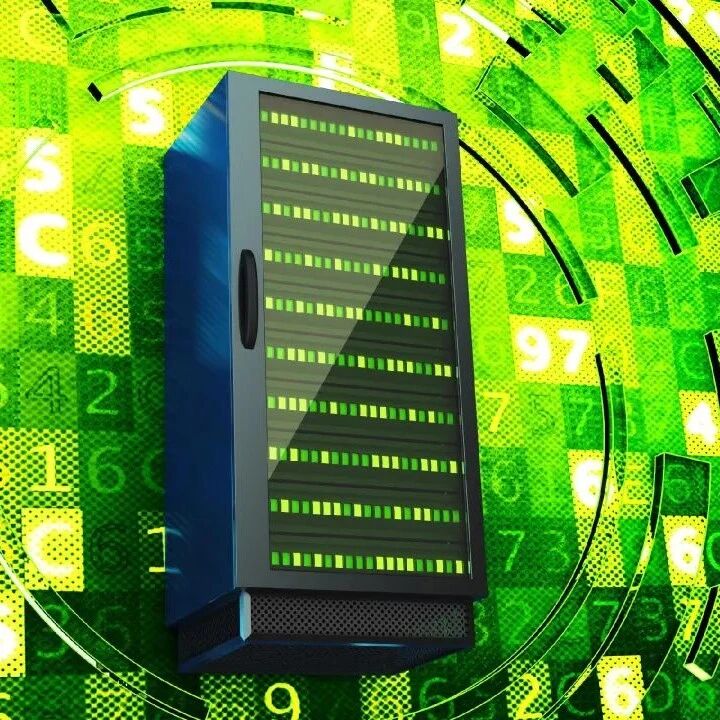
Core Viewpoint - The article emphasizes the growing demand for green electricity in China's computing power centers, highlighting the need for collaboration between energy and computing sectors to achieve sustainability goals by 2030 [1][8]. Green Electricity Consumption - Current green electricity consumption in domestic computing power centers is low, with significant growth potential to reach the national average consumption level of 40% by 2030 [1][8]. - Bloomberg New Energy Finance predicts that the demand for green electricity in domestic computing power centers will reach 72 TWh by 2026 [1][8]. Energy Infrastructure Development - The Dazhong Park of Qineng Technology features a 300 MW wind power, 200 MW solar power, and a 50 MW/100 MWh energy storage station, with a planned IT capacity of 1000 MW [3]. - The park aims to achieve grid connection for green electricity by 2024, reflecting the shift from real estate-driven growth to energy-driven development in the computing industry [3][4]. Policy and Market Dynamics - The National Development and Reform Commission and the National Energy Administration have issued guidelines to promote the synergy between renewable energy and computing facilities [3]. - The core customers for green electricity consumption include steel, chemical, and computing centers, with the latter showing stable electricity usage and significant growth potential [4]. Global and Domestic Energy Trends - The International Energy Agency reports that global data center electricity consumption is expected to rise from 415 TWh in 2024 to 945 TWh by 2030, with China and the U.S. contributing nearly 80% of the increase [6]. - By 2030, China's data center electricity load is projected to reach 100 million kW, with annual consumption rising to between 400 TWh and 600 TWh, increasing its share of national electricity consumption from under 2% to 6% [6]. Green Electricity Connection Models - There are three main methods for green electricity consumption: direct connection, green microgrids, and power purchase agreements [9]. - The direct connection model allows renewable energy sources to supply electricity directly to users, bypassing the public grid, which is encouraged by recent government policies [9]. Regional Development Initiatives - Various provinces are launching plans for green electricity parks, with Shanxi Province planning to establish 13 pilot parks across multiple cities [10]. - The selection of sites for green electricity parks is critical, with proximity to renewable energy sources being a key factor for economic viability [12]. Cost Management Strategies - The "green electricity direct connection" model faces high initial investment costs, requiring infrastructure such as solar and wind farms, substations, and backup power systems [16]. - Companies are focusing on lifecycle cost management and vertical integration to optimize resource development and reduce costs [16][17].

关于举办绿电直连及零碳园区创建研讨培训的通知丨系列培训
中国能源报· 2025-11-16 00:38
Core Viewpoint - The article emphasizes the importance of low-carbon transformation in industrial parks and the promotion of green electricity consumption, highlighting the establishment of zero-carbon parks as a key initiative supported by national policies [2]. Group 1: Policy and Initiatives - The "14th Five-Year Plan" aims to establish around 100 national-level zero-carbon parks, with provinces actively applying for national and provincial-level zero-carbon park construction [2]. - The government is accelerating the increase of green electricity consumption in key energy-consuming sectors, encouraging the development of green electricity factories and parks that achieve 100% green electricity consumption [2]. - The "Notice on the Orderly Promotion of Green Electricity Direct Connection" encourages export-oriented enterprises to utilize surrounding renewable energy resources for green electricity direct connection [2]. Group 2: Training Details - A seminar and training on green electricity direct connection and zero-carbon park creation will be held from November 21 to 22 in Chengdu, organized by China Energy News and supported by the China Energy Economic Research Institute [3]. - The training targets various stakeholders, including power companies, renewable energy enterprises, energy service companies, and professionals interested in zero-carbon park construction [3][4]. Group 3: Course Modules - The training will cover topics such as green electricity direct connection policies, application scenarios, pricing mechanisms, project planning, investment and returns, and the relationship between green electricity direct connection and energy storage [5]. - It will also address zero-carbon park creation policies, evaluation indicators, construction status, investment analysis, key technology paths, and certification processes [5]. Group 4: Financial Information - The training fee is set at 3,900 yuan per person, excluding transportation and accommodation costs, with payment options available through bank transfer [5].
