
循环经济

Search documents
期待中国为世界持续注入稳定性和正能量——国际社会高度关注四中全会
Yang Shi Xin Wen Ke Hu Duan· 2025-10-23 03:10
世界经济论坛中东北非负责人 凯鲁兹:中国已通过高质量发展在众多领域成为全球领先力量,科研领域的创新突破尤为显著。中国不仅是全球各经济体的 重要合作伙伴,更是大多数国家首选的贸易伙伴,中国是全球贸易格局中不可或缺的稳定支柱。 国际社会高度关注中国共产党二十届四中全会,认为这一重要会议将进一步促进中国高质量发展,为世界注入更多稳定性和正能量,为其他国家探索发展道 路提供新借鉴,为人类发展进步作出新贡献。 联合国环境规划署执行主任 安德森:我很关注中国正在制定的"十五五"规划,尤其是涉及循环经济和绿色发展的内容。习主席提出的"绿水青山就是金山银 山"理念,不仅饱含诗意,而且意义重大,将生态保护视作创造财富的途径,已经得到了国际社会的广泛认同。"十五五"规划无疑将让中国开启又一个令人 振奋的新篇章。 美国中美研究中心高级研究员 古普塔:中国共产党和中国政府与时俱进,作出发展规划。西方和美国的许多经济学者都认可这种规划的必要性和价值,中 国在规划中不断调整策略,走向更具指导性和灵活性的模式,我认为中国的规划堪称一门艺术。 德国《商报》网站刊文说,二十届四中全会将确定中国未来几年的发展战略方向。中国正将发展重点转向科技创 ...


研判2025!中国新能源汽车热塑性复合材料行业政策、市场规模、重点企业分析及发展前景展望:新能源汽车快速发展,推动热塑性复合材料需求持续增长[图]
Chan Ye Xin Xi Wang· 2025-10-23 01:35
Core Insights - The article highlights the transformative role of thermoplastic composites in the automotive manufacturing landscape, particularly in the context of the electric vehicle (EV) industry, emphasizing their advantages in lightweighting, recyclability, and safety performance [1][9]. Industry Overview - Thermoplastic composites are defined as composite materials made from thermoplastic polymers reinforced with various fibers, such as carbon and glass fibers, specifically applied in the EV sector [3]. - The market size for China's thermoplastic composites in the EV sector is projected to reach 13.4 billion yuan in 2024, with a year-on-year growth of 13.4%, and is expected to grow to 16.7 billion yuan by 2025 [1][9]. Industry Policies - Recent policies, such as the Shanghai government's action plan for high-quality development in low-altitude economy, emphasize the integration of advanced materials like thermoplastic composites into strategic development [4]. - The Ministry of Industry and Information Technology's plan for the construction materials industry supports the application of composite materials in various sectors, including automotive [5]. Industry Value Chain - The thermoplastic composites industry in China has established a complete value chain, from raw material supply (fibers and resins) to manufacturing and final application in EVs [6]. - Carbon fiber, a key reinforcement material, significantly enhances the mechanical properties and lightweight characteristics of composites, contributing to the performance of EV components [6]. Market Trends - The global market for thermoplastic composites in the EV sector is expected to grow from 52.11 million tons in 2024 to 58.28 million tons in 2025, and further to 94.35 million tons by 2030 [8][9]. - The rapid growth in EV production and sales in China, from 340,500 units in 2015 to 12.89 million units in 2024, drives the demand for thermoplastic composites [6]. Competitive Landscape - The industry features a mix of international leaders like DuPont and domestic players such as Kingfa Technology and Nanjing Julong, creating a diverse competitive environment [10]. - Kingfa Technology reported a revenue of 31.64 billion yuan in the first half of 2025, reflecting a year-on-year growth of 35.5% [11]. Future Development Trends - Innovations in material systems are anticipated, including the development of self-healing and shape-memory thermoplastic composites, enhancing safety and longevity [12]. - The integration of digital and biological manufacturing technologies is expected to revolutionize production processes, leading to intelligent upgrades in composite manufacturing [14]. - A new circular economy model is being proposed, focusing on programmable degradation materials and blockchain technology for material traceability, aligning with the environmental goals of the EV industry [15].




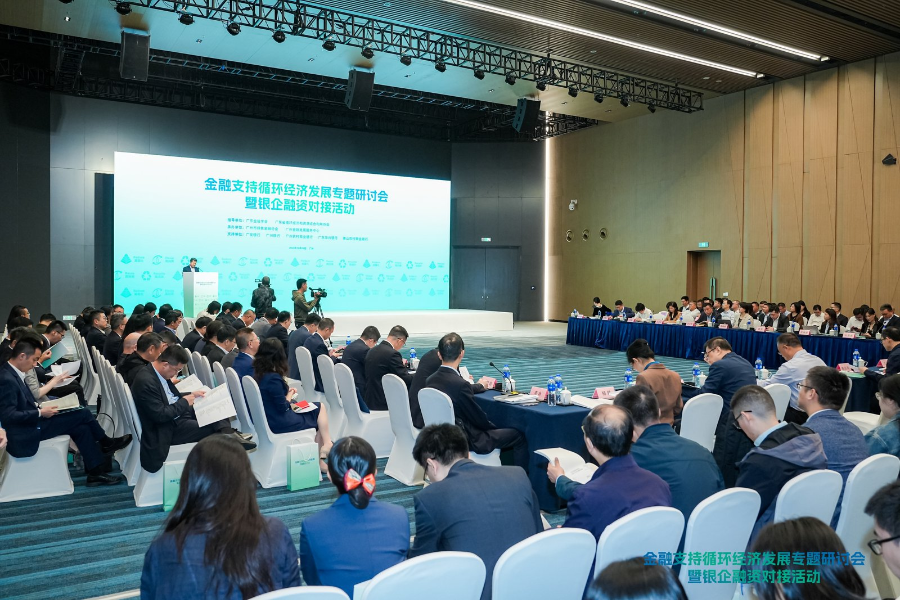
26项案例,近三百亿元合作,广东打造金融赋能循环经济创新样本
2 1 Shi Ji Jing Ji Bao Dao· 2025-10-22 09:20
Core Insights - Guangdong is enhancing financial support for the development of the circular economy through innovative practices and collaborative efforts among various stakeholders [2][3][4] Financial Support Initiatives - A total of 26 financial support cases for the circular economy were presented, showcasing the depth of integration between industry and finance [3][8] - 24 enterprises signed agreements with financial institutions, resulting in a cumulative credit scale of 29.76 billion yuan, covering major cities and multiple sectors of the circular economy [3][11] Market Growth Potential - The circular economy market in China is projected to reach 4.6 trillion yuan by 2024, with a compound annual growth rate of 10.32% from 2019 to 2024 [5] Policy and Infrastructure Development - Guangdong has established a solid foundation for cultivating the circular economy, supported by a series of policies and the creation of multiple national demonstration cities and parks [6][11] - The region has developed a circular economy system centered around the Pearl River Delta, leading the nation in industrial structure, scale, and technology levels [6] Financial Innovation and Demand - The diverse financial needs across different stages of the circular economy have prompted Guangdong to explore various financial support pathways [7][8] - The 26 financial support cases cover the entire circular economy chain, addressing financing challenges through targeted financial product innovations [8] International Cooperation and Standards - The event facilitated a multi-level cooperation platform, with local and international institutions sharing experiences and practices in supporting the circular economy [9][10] - Global development institutions and local banks signed cooperation intentions to enhance circular finance projects, indicating a commitment to international collaboration [10] Case Studies of Circular Economy Projects - The Fushan Circular Economy Industrial Park, with an investment of approximately 11 billion yuan, integrates multiple waste management functions and has received significant financial backing [13] - Jinfa Technology's project on plastic recycling has been recognized for its innovative approach, securing a credit agreement of 1.5 billion yuan to support its operations [14]
合成生物学周报:深圳合成生物新规落地,高纯度OPO结构脂“精准复刻”母乳-20251022
Huaan Securities· 2025-10-22 06:31
Investment Rating - The report does not explicitly state an investment rating for the synthetic biology industry Core Insights - The synthetic biology sector is experiencing a global biotechnology revolution, providing innovative solutions to major challenges such as health, climate change, and food security, as highlighted by the National Development and Reform Commission's "14th Five-Year Plan for Bioeconomic Development" [4] - The Huazhong Securities Synthetic Biology Index, which includes 58 companies involved in synthetic biology, has seen a decline of 4.96% recently, indicating a performance lag compared to the Shanghai Composite Index [5][22] Summary by Sections 1. Synthetic Biology Market Dynamics - The synthetic biology sector's stocks fell by 4.96% in the week of October 13-17, 2025, ranking 24th among sectors [22] - The top five gainers in this sector included Yuanli Technology (+11%) and Fuxiang Pharmaceutical (+11%), while the top five losers included Shengquan Group (-18%) and Jinziham (-18%) [23][27] 2. Company Business Developments - Huada Zhizao has signed a licensing agreement to expand its sequencing technology into the European and American markets [28] - Haineng Energy has been approved to enter the bio-aviation fuel "white list," allowing it to produce 158,000 tons of bio-aviation fuel annually [29] - Jinggong Holdings is set to launch a 50,000-ton green recycled material production line, which will be the largest chemical recycling polyester enterprise globally [30] 3. Industry Financing Tracking - The synthetic biology sector has seen accelerated financing, with nearly 100 companies completing new funding rounds in 2025 [35] - Zhejiang Ruiwei New Materials Technology Co., Ltd. completed a multi-million yuan financing round, focusing on biodegradable materials for the beauty and textile industries [35]

非凡“十四五”|这家企业的环保部门成了创收部门
Qi Lu Wan Bao· 2025-10-22 03:32
Core Insights - The article discusses the transformation of the chemical industry in Shandong, focusing on the integration of circular economy principles to enhance both environmental and economic benefits [19][20][21]. Economic Development - The Shandong chemical industry is implementing a circular economy model, which allows waste materials from one company to be used as raw materials for another, creating a closed-loop system [21][22]. - In 2024, the Diao Town Chemical Industrial Park achieved sales revenue of 25.93 billion yuan, a year-on-year increase of 8.73%, and an industrial output value of 23.42 billion yuan, also up by 8.75% [23]. Technological Innovation - The Saint Spring Group has developed new technologies to convert waste by-products into valuable resources, significantly reducing waste disposal costs and generating additional revenue [19][20]. - The company has improved the utilization rate of waste liquid from 60% to 85% through technological adjustments, leading to a 20% reduction in treatment costs compared to traditional methods [18][19]. Environmental Impact - The integration of industrial waste heat into the heating supply for urban areas demonstrates the effective use of resources, providing clean heating for approximately 30 million square meters in eastern Jinan [22]. - The article highlights the importance of technological innovation in achieving environmental benefits while maintaining economic viability, challenging the notion that environmental protection must come at a financial loss [19][20]. Policy and Strategy - Shandong is committed to implementing the major national strategy for ecological protection and high-quality development along the Yellow River, focusing on green and low-carbon development [23]. - The province has seen a significant increase in the number of national-level green factories and industrial parks, ranking first in the country for the number of green manufacturing units [23].

迪拜第十一届二手船艇展将聚焦循环经济
Shang Wu Bu Wang Zhan· 2025-10-22 02:43
Core Insights - The 11th Dubai Used Boat Show will take place from October 31 to November 2, focusing on the theme "Everyone Has a Boat" and featuring over 50 local, regional, and international brands [2] - The event aims to promote the circular economy and strengthen Dubai's position in the global yacht and marine industry [2] - The Middle East leisure boating market is projected to reach $2.95 billion by 2027, with an annual growth rate of approximately 4.9%, driven by improved infrastructure and increasing demand for marine tourism [2] Industry Developments - The exhibition will include sections for financing, insurance, maintenance, and parts, showcasing new technologies such as hybrid and electric propulsion systems [2] - The event aligns with the "Dubai Industrial Strategy 2030" goals, promoting the concept of reuse to reduce the need for new boat manufacturing and encouraging green sustainable development [2]
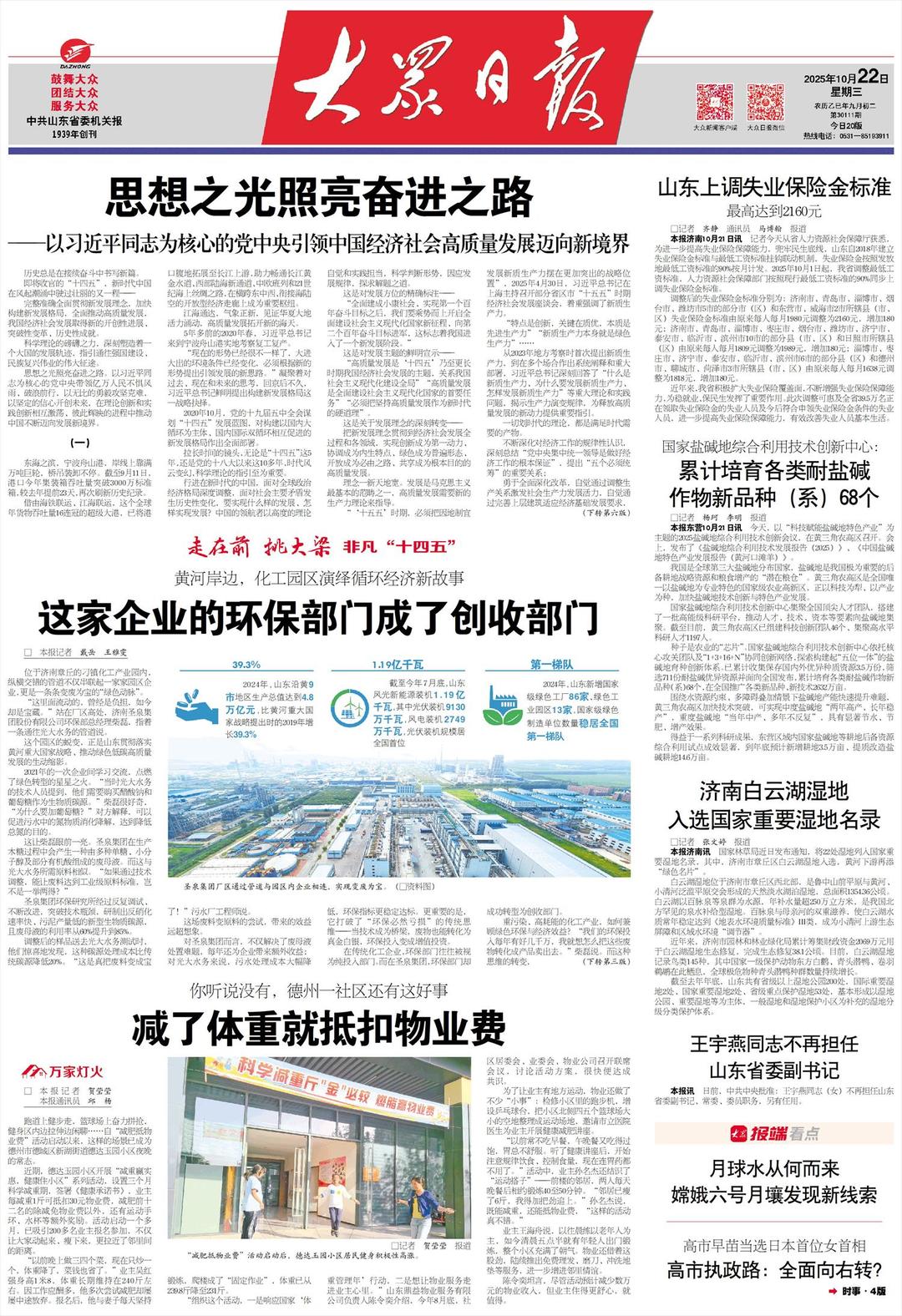
黄河岸边,这家企业的环保部门成了创收部门
Da Zhong Ri Bao· 2025-10-21 22:52
Core Insights - The transformation of the Diaozhen Chemical Industrial Park in Jinan represents a successful case of turning waste into valuable resources, aligning with the national strategy for ecological protection and high-quality development along the Yellow River [3][11]. Group 1: Waste-to-Resource Initiatives - The collaboration between Shengquan Group and Guangda Water has led to the development of a new biomass carbon source from waste liquid, increasing the utilization rate from 60% to 85% [3][5]. - The new carbon source reduces treatment costs by 20% compared to traditional sources, demonstrating significant cost savings and efficiency improvements [4][5]. - Shengquan Group's environmental department has shifted from a cost center to a revenue-generating unit, showcasing a successful transition in mindset towards circular economy principles [6][7]. Group 2: Systematic Circular Economy - The Diaozhen Chemical Industrial Park has established a resource exchange network, allowing waste from one company to serve as raw material for another, creating a closed-loop system [9][10]. - The park's approach includes utilizing industrial waste heat for district heating, providing a green solution for urban heating needs [10]. - In 2024, the park is projected to achieve sales revenue of 25.93 billion yuan, with an 8.73% year-on-year growth, indicating the economic benefits of the circular economy model [10]. Group 3: Broader Industry Impact - Shandong Province is actively implementing the national strategy for ecological protection and green development, with significant achievements in energy efficiency and the establishment of green factories and industrial parks [11]. - The province's efforts have resulted in a notable increase in the proportion of high-energy industries meeting efficiency benchmarks, exceeding targets set for the 14th Five-Year Plan [11].

高工锂电15周年策划 | 许开华:未来循环经济将逐步取代传统资源利用方式
高工锂电· 2025-10-21 02:44
Group 1 - The core viewpoint is that both international and domestic markets are facing issues related to equipment updates and scrapping, with a significant increase in the number of electric vehicles (EVs) expected to be scrapped by 2030, potentially reaching millions of vehicles [1][2] - It is projected that if the growth rate of the automotive sector remains between 10% and 20%, vehicle scrapping will become a major growth point for the industry [1] - The circular economy is anticipated to experience a significant opportunity in 2030, entering a golden period by 2040, and reaching its peak by 2050, where circular resources will dominate and urban resources will become "an inexhaustible mine" [1]

双欣环保:健全治理体系与风险防控机制 构筑高质量发展护城河
Huan Qiu Wang· 2025-10-20 09:01
Core Viewpoint - A robust governance structure and comprehensive risk management system are essential for the long-term stable development of enterprises, as demonstrated by Shuangxin Environmental Protection's efforts in these areas to support its market position and prepare for capital market entry [1][3]. Governance Structure - Shuangxin Environmental Protection views the establishment of a modern corporate governance system as a cornerstone for stable operations, adhering strictly to laws and regulations such as the Company Law and Securities Law [3]. - The company has implemented a clear governance framework known as "three meetings and one layer" (shareholders' meeting, board of directors, supervisory board, and senior management), ensuring effective checks and balances among power, decision-making, supervision, and execution [3]. - Sustainable development is integrated into the core strategic planning at the board level, with defined responsibilities for various committees to ensure scientific and effective governance decisions [3]. - The company has maintained a market share of approximately 17% in the domestic polyvinyl alcohol market and around 16% in the international specialty fiber market over the past three years, establishing itself as the third-largest producer of polyvinyl alcohol in China [3]. Risk Management - Shuangxin Environmental Protection has strengthened its internal control system and created a risk prevention framework to ensure high-quality production and green development [6]. - The company has developed a complete industrial chain from upstream raw materials to downstream high-end products, which helps stabilize costs amid raw material price fluctuations and enhances risk prevention [6]. - A comprehensive quality management system has been established, covering all aspects from research and development to after-sales service, ensuring effective risk control and capacity enhancement [7]. Technological Innovation - The company has achieved significant breakthroughs in technology, including the development of biodegradable water-soluble film products and domestically produced PVC additives, addressing long-standing supply chain issues in the PVC industry [4]. - Shuangxin Environmental Protection has accumulated over 260 authorized patents and has participated in drafting multiple national and industry standards, showcasing its commitment to innovation and industry leadership [4]. Market Presence - The company's products are distributed across 29 provinces and exported to over 40 countries in regions such as Europe, North America, and Southeast Asia, enhancing its global market competitiveness [7]. - Recognition of the company's governance and risk management practices includes being selected as a typical case for "Quality Empowerment New Quality Productivity" and for national quality management integration innovation, reflecting its significant achievements in quality innovation and industry upgrading [7].
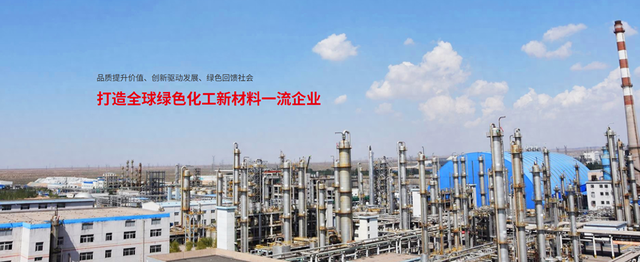
埃克森美孚高管:欧洲立法环境已成循环保济投资阻碍
Zhong Guo Hua Gong Bao· 2025-10-20 07:56
Core Insights - The European legislative environment is hindering investment in circular economy initiatives, leading to difficult decisions for companies like ExxonMobil, including the shutdown of petrochemical assets and the suspension of advanced recycling project investments [1][2] Group 1: Company Actions - ExxonMobil has announced the permanent closure of a steam cracking facility in Normandy, France, with a capacity of 425,000 tons per year, due to unfavorable legislative conditions [1] - The company is also considering the sale of petrochemical assets in the UK and Belgium, with potential transaction values reaching $1 billion [1] - Recent investments in advanced recycling projects in Antwerp and Rotterdam, totaling over €100 million, have been paused due to uncertainties surrounding EU regulations [1] Group 2: Regulatory Challenges - ExxonMobil has criticized the European Commission's restrictive stance on quality balance regulations, which threaten the feasibility of its chemical recycling projects [2] - The company argues that stringent quality balance regulations may inhibit the scaling of chemical recycling and limit access to recycled materials, ultimately delaying the transition to a circular economy for plastics [2] - The European Chemical Industry Council (Cefic) has called for clearer rules regarding chemical and mechanical recycling, emphasizing that regulatory delays will obstruct investment in local plastic recycling systems [2]
