区块链

Search documents
广州原力链科技有限公司成立 注册资本100万人民币
Sou Hu Cai Jing· 2025-11-29 03:43
天眼查App显示,近日,广州原力链科技有限公司成立,注册资本100万人民币,经营范围为销售代理; 集成电路芯片及产品制造;工程和技术研究和试验发展;集成电路设计;电子产品销售;电子元器件零售;人 工智能理论与算法软件开发;人工智能应用软件开发;人工智能通用应用系统;人工智能基础资源与技术平 台;人工智能公共数据平台;人工智能硬件销售;人工智能基础软件开发;软件开发;区块链技术相关软件和 服务;软件销售;信息技术咨询服务;信息系统集成服务;网络与信息安全软件开发;物联网技术服务;网络技 术服务;技术服务、技术开发、技术咨询、技术交流、技术转让、技术推广;信息网络传播视听节目;第二 类增值电信业务;第一类增值电信业务;基础电信业务。 ...
FPG财盛国际:科技创新推动交易模式升级
Sou Hu Cai Jing· 2025-11-28 21:43
Core Insights - Technological innovation is a key driver in transforming global trading models, enhancing efficiency and security in the industry [1][11] - FPG Financial International plays a significant role in this transformation by integrating advanced technologies such as artificial intelligence, big data, and blockchain [1][11] Group 1: Technological Integration - The introduction of artificial intelligence has automated trading processes, reducing human error and improving decision-making efficiency [1][5] - Blockchain technology enhances transaction security and transparency, simplifying processes and minimizing fraud risks [5][8] - Big data analytics empowers trading upgrades by identifying market trends and potential risks, leading to optimized asset allocation [5][8] Group 2: User Experience and Market Impact - FPG Financial International's innovations lead to improved user experience through faster responses and personalized services [1][5] - The integration of cloud computing provides a flexible system that supports high-volume trading, breaking geographical barriers and expanding market reach [8] - Enhanced risk management through AI tools helps in early detection of anomalies, ensuring a safer trading environment [8][11] Group 3: Future Outlook - The company is committed to leading technological integration and promoting sustainable development in trading models [11] - Continuous exploration of emerging technologies, such as the Internet of Things, indicates a shift towards smarter and more interconnected trading systems [8][11]

从“六大坐标”到产融生态 深圳勾勒出产业金融新图景
2 1 Shi Ji Jing Ji Bao Dao· 2025-11-28 07:41
Group 1 - Shenzhen's financial industry is experiencing a significant growth period, with an average annual growth rate of 6.45% during the 14th Five-Year Plan, and a 14.5% year-on-year increase in financial value added in the first three quarters of 2025, reaching 398.76 billion yuan [1] - The Shenzhen government aims to establish itself as a "global financial center" by focusing on six key areas: technology industry financial synergy, innovative capital formation, financial technology, cross-border RMB services, wealth management, and financial security [1][2] - The city has laid a solid foundation for these ambitions, evidenced by the establishment of 17 new "20+8" industry funds totaling 56 billion yuan in 2023, enhancing the synergy between technology and finance [2] Group 2 - Shenzhen's financial technology sector has shown strong international competitiveness, ranking second globally in the latest Global Financial Centers Index (GFCI) report [2] - The city is leveraging its geographical advantages and national strategic platforms to enhance cross-border RMB services, aiming to support Hong Kong's offshore RMB business hub [2][3] - The wealth management sector in Shenzhen has surpassed 31 trillion yuan, with plans to attract globally influential wealth management institutions and diversify financial products [3] Group 3 - The 19th Shenzhen International Financial Expo highlighted the city's pragmatic approach to technology finance, showcasing innovations such as comprehensive liability insurance for robots and AI-driven risk control systems [4][5] - Financial institutions are adapting to the needs of high-tech enterprises, with services like real-time credit approval and knowledge property pledge loans significantly improving financing efficiency [5] - The expo also emphasized the importance of tailored financial solutions for the real economy, moving beyond mere technological showcases [6][9] Group 4 - Various districts in Shenzhen, such as Futian and Nanshan, are actively promoting financial innovation and technology integration, with initiatives like the establishment of a "white list" for tech companies and the launch of mixed investment funds [7][8] - The collaboration between financial institutions and technology enterprises is evident, with events designed to facilitate partnerships and project financing [8] - The overall strategy reflects a shift from isolated financial breakthroughs to a comprehensive system that integrates technology, industry, and finance [9]
福建三钢集团成立数字科技公司
Zheng Quan Shi Bao Wang· 2025-11-28 07:26
Core Insights - A new company named Fuxi Qilin Chain Jin (Shanghai) Digital Technology Co., Ltd. has been established with a registered capital of 100 million yuan [1] - The legal representative of the company is Guo Linghuan, and its business scope includes blockchain technology-related software and services, industrial internet data services, data processing and storage support services, and IoT technology services [1] - The company is wholly owned by Fujian Sansteel Group Co., Ltd. [1]

突发大消息!600939,午后直线涨停!重庆板块,集体异动!
Zheng Quan Shi Bao Wang· 2025-11-28 06:57
Core Viewpoint - The Chongqing government has issued a comprehensive reform pilot action plan for the market-oriented allocation of factors, leading to a significant rise in the stock prices of local companies such as Chongqing Construction Engineering and others [1] Group 1: Housing Market Reforms - The plan includes measures to convert existing commercial housing into affordable housing and optimize the mechanism for revitalizing existing land [2] - It supports the use of special bonds to recover and acquire eligible idle land and explores short-term utilization of reserved land [2] Group 2: Capital Market Development - The initiative aims to accelerate the development of the capital market through the "Thoroughbred" action, promoting innovative business models and facilitating mergers, acquisitions, and refinancing for listed companies [3] - It emphasizes the integration of investment and financing functions in the capital market and aims to optimize the REITs project service chain [3] Group 3: Data and Technology Infrastructure - The plan focuses on building a national integrated computing network in Chongqing, enhancing data utilization, and establishing a regional hub for blockchain networks [4] - It aims to develop high-quality industry data sets and promote smart connected vehicles and industrial internet applications [4] Group 4: Energy Sector Initiatives - The government supports the expansion of the Chongqing oil and gas trading center and the exploration of direct sales of overseas oil and gas resources [5] - It aims to facilitate cross-border settlement of oil and gas commodities in RMB and improve the natural gas pricing mechanism [5] Group 5: Digital Platform Development - By 2027, the plan aims to establish a digital platform for factor allocation, enhancing market mechanisms and significantly improving allocation efficiency [6] - The goal is to position Chongqing as a comprehensive hub for factors, serving both domestic and international markets [6]

埃克斯爱慕徐狄锷:文化数字资产市场将从百亿到千亿爆发式增长
2 1 Shi Ji Jing Ji Bao Dao· 2025-11-28 06:36
Core Insights - The company aims to achieve a transaction volume exceeding 1.5 billion and revenue over 60 million, with net profit surpassing 39 million by 2025 [1] Group 1: Company Overview - Nanchang Exim Technology Co., Ltd. is a leading digital asset trading platform in China, focusing on the circulation and promotion of digital assets [1] - The flagship product, X Meta, has become the top blockchain-based cultural digital asset trading platform, achieving cumulative transaction volume exceeding 2.1 billion [1] Group 2: Financial Performance - For the period from January to July 2025, the cumulative transaction volume reached 1 billion, with a single-month peak transaction volume of 370 million and an average of 35,000 daily orders [1] - The platform has registered 1.3 million users and has achieved stable profitability and cash flow through transaction fees [1] Group 3: Market Outlook - The company anticipates explosive growth in the cultural digital asset market, projecting a shift from a hundred billion to a thousand billion market size, driven by supportive policies and young user demand [1] - Current challenges include reliance on offline traditional cultural assets, lack of digital issuance channels for small and medium-sized institutions, and issues with digital content being easily copied or pirated [1] Group 4: Future Expansion Plans - Future projects will expand into areas such as blockchain + gaming, blockchain + content copyright market, blockchain + AI, and blockchain + IoT [2] - The company aims to enhance its technological capabilities and diversify revenue streams by collaborating with publishing, cultural tourism, and cultural creation enterprises [2]
南华期货涨2.03%,成交额5965.28万元,主力资金净流入122.76万元
Xin Lang Zheng Quan· 2025-11-28 06:14
Core Viewpoint - Nanhua Futures has shown significant stock performance with a year-to-date increase of 61.61%, despite recent fluctuations in trading volume and price [1][2]. Company Overview - Nanhua Futures Co., Ltd. was established on May 28, 1996, and listed on August 30, 2019. The company is based in Hangzhou, Zhejiang Province, and its main business includes futures brokerage, wealth management, risk management, overseas financial services, and futures investment consulting [2]. - The revenue composition of Nanhua Futures is as follows: risk management business 50.19%, overseas financial services 29.70%, futures brokerage 17.32%, wealth management 2.51%, and other businesses 0.28% [2]. Financial Performance - As of September 30, 2025, Nanhua Futures reported a net profit of 351 million yuan, a year-on-year decrease of 1.92%. The company had zero operating revenue for the same period [2]. - The company has distributed a total of 173 million yuan in dividends since its A-share listing, with 120 million yuan distributed over the past three years [3]. Shareholder Information - As of September 30, 2025, the number of shareholders for Nanhua Futures was 37,600, a decrease of 12.94% from the previous period. The average circulating shares per person increased by 14.86% to 16,231 shares [2]. - Among the top ten circulating shareholders, Hong Kong Central Clearing Limited holds 3.0049 million shares, a decrease of 2.4675 million shares from the previous period [3].

江门市本草陈纪茶业有限公司成立 注册资本3万人民币
Sou Hu Cai Jing· 2025-11-28 05:42
Core Insights - Jiangmen Bencao Chenji Tea Co., Ltd. has been established with a registered capital of 30,000 RMB and is represented by Song Xiaoyu [1] Business Scope - The company is engaged in the sales of Xinhui tangerines and dried tangerine peels, as well as fresh fruit retail and edible agricultural product retail [1] - It also covers a wide range of activities including agricultural product sales, food sales (only pre-packaged), internet sales (only pre-packaged), and wholesale of edible agricultural products [1] - Additional services include pet food and supplies retail, daily necessities retail, clothing and accessories retail, cosmetics retail, and hardware products retail [1] - The company offers various management and consulting services, including enterprise management consulting, brand management, and hotel management [1] - It is involved in technology services related to blockchain, artificial intelligence, IoT, and big data, as well as remote health management services [1]
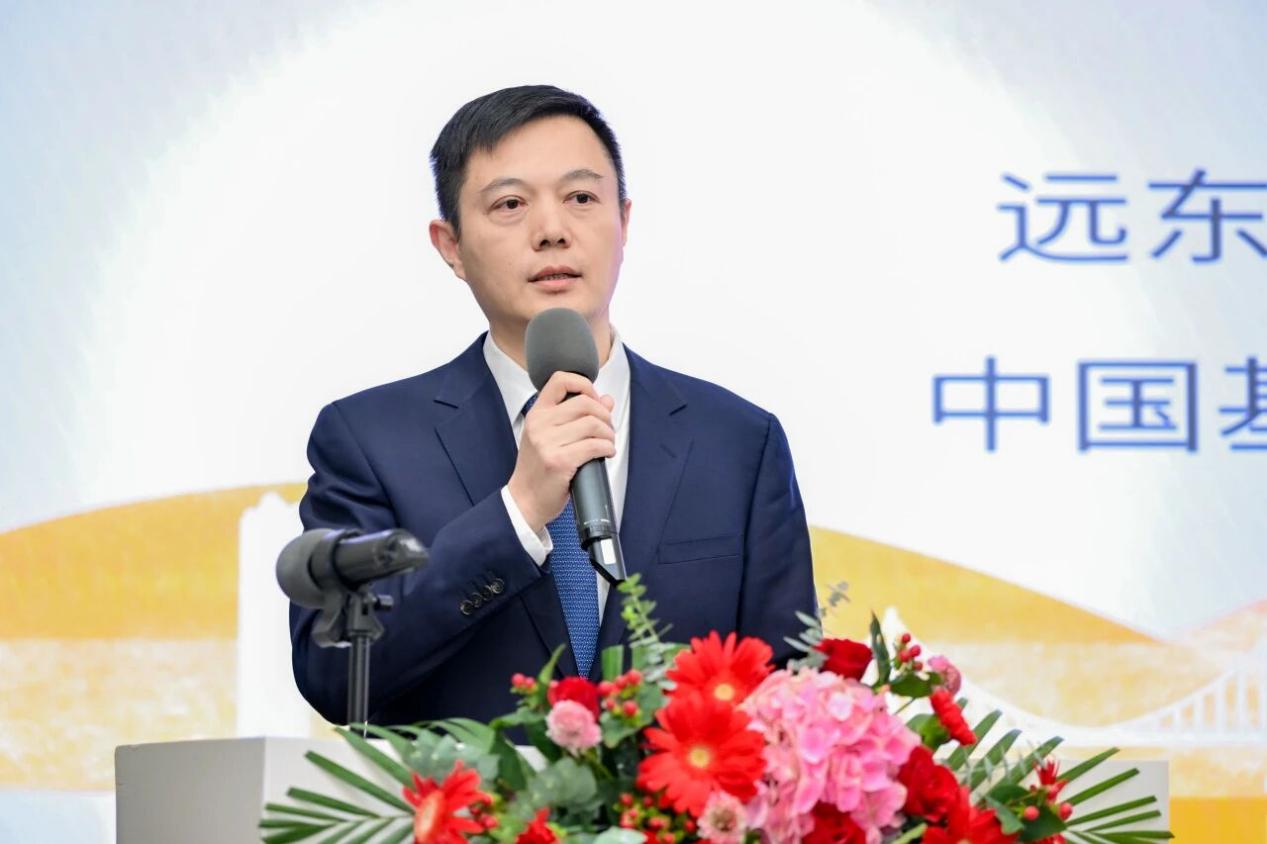
远东资信潘成龙:打造琴澳信用互认示范田 共建金融合作新格局
Zheng Quan Ri Bao Wang· 2025-11-28 05:02
Core Viewpoint - The "Qin-Ao Bond Market Innovation Development Forum" held in Hengqin aims to explore innovative paths for bond instruments and promote the ecological prosperity of the Qin-Ao bond market through collaboration among nearly 200 representatives from policy-making departments, financial infrastructure, and top investment institutions [1]. Group 1: Financial Cooperation and Credit System - The collaboration between Hong Kong, Macau, and mainland China's bond markets has achieved significant results due to the deepening financial cooperation and improved market connectivity [3]. - Credit is emphasized as the foundation of financial development, with cross-border credit cooperation being essential for the efficient and safe allocation of high-end resources such as capital, technology, and talent [3]. - The "Opinions on Improving the Social Credit System" issued in March outlines the direction for cross-border credit services, including mutual recognition of credit evaluation and reports [3]. Group 2: Opportunities for Development - Two key opportunities for development were highlighted: the implementation of the "Overall Plan for the Construction of the Hengqin Deep Cooperation Zone," which supports the development of modern financial industries and the establishment of a financial service platform for China and Portuguese-speaking countries [4]. - The "14th Five-Year Plan" encourages the development of direct financing through equity and debt, promoting the internationalization of the Renminbi and enhancing the openness of capital projects, providing significant policy opportunities for cross-border financial and credit cooperation in the Qin-Ao Economic Zone [4]. Group 3: Innovation and Collaboration - The need for innovation in credit rating methodologies is stressed, shifting from traditional asset-heavy assessments to focusing on growth potential, development resilience, and cross-border capabilities [5]. - A new cross-border rating methodology that aligns with international standards while reflecting the characteristics of the Qin-Ao region is necessary, particularly in areas like green bonds and technology innovation [5]. - Collaboration among credit service institutions is essential for maintaining independence, objectivity, and credibility, while regulatory bodies and financial infrastructures should work together to establish a framework for cross-border credit cooperation [6]. Group 4: Commitment to Future Development - The company expresses its willingness to contribute its experience in green finance and technology innovation bonds to the development of standards and practices for credit mutual recognition in the Qin-Ao region [6]. - The establishment of a cross-border credit mutual recognition system is viewed as a foundational step in building a bridge for finance, capital, and credit in the Qin-Ao Cooperation Zone, requiring vision, courage, and patience [6].
21评论丨重估平台电商:如何实现以AI促消费
2 1 Shi Ji Jing Ji Bao Dao· 2025-11-27 23:32
Core Viewpoint - The implementation plan aims to enhance the adaptability of supply and demand in consumer goods, leading to industrial upgrades through consumption upgrades, and achieving a higher level of dynamic balance between supply and demand [1] Group 1: Policy and Strategic Direction - The plan emphasizes the value of platform consumption and encourages the orderly development of new business models such as live e-commerce, instant retail, and circular e-commerce [3] - It supports platform enterprises in utilizing artificial intelligence to explore user needs and match products and services accordingly [3][4] - The policy highlights the need to reassess the strategic value of platform consumption in the context of the deepening digital economy [3] Group 2: Technological Integration and Consumer Experience - Platforms are evolving from simple transaction facilitators to intelligent supply-demand configuration hubs, leveraging AI to capture consumer needs more effectively [4] - The plan supports the application of technologies like virtual reality and the metaverse to create immersive shopping experiences, responding to consumer demand for enhanced experience and personalization [4][5] - The integration of AI in platforms not only benefits the platforms themselves but also serves as an incubator for AI innovation, impacting various sectors such as manufacturing and logistics [5] Group 3: Compliance and Sustainable Growth - The plan emphasizes the importance of legal compliance in the use of AI for consumer engagement, ensuring data security and privacy protection [5] - Establishing trust through responsible technology application is crucial for sustainable growth in the industry [5][6] - The policy aims to unleash the potential of platforms, leading to a new era of consumption powered by AI, which will contribute to high-quality economic development in China [6]