
文旅融合

Search documents
让来旅游变成来旅居!青岛西海岸深入推进“全域文旅”发展战略
Qi Lu Wan Bao· 2026-01-07 15:39
齐鲁晚报·齐鲁壹点 徐润杰 通讯员 李涛 "十四五"期间,青岛西海岸新区坚持深入推进"全域文旅"发展战略,系统构建"轻旅游、慢生活"多元场 景,生动诠释"旅游即生活"的现代内涵,推动新区从"旅游目的地"向"旅居目的地"转型升级。近年来, 青岛西海岸新区先后获评文化强省建设先进区、省文化和旅游产业工作先进区、国家文化产业和旅游产 业融合发展示范区建设单位等称号,并连续多年位居全国市辖区旅游综合实力百强区前列,排名稳居全 省榜首。 节会赋能,塑造全域全季"节旅融合"新生态 2025年10月27日至11月1日,"飞向北京·飞向太空"全国青少年航空航天模型教育竞赛活动(无人机项 目)总决赛在新区举办。这场持续6天的国家级A类赛事,不仅创造了2.5万人的赛事参与新纪录,更以 青岛嘉年华各业态5300万元的经济收入和全域城市文超亿元旅消费拉动,成为西海岸新区消费引擎 的"引爆点"。 如果说大海是西海岸与生俱来的底色,那么节庆,便是这片蔚蓝画布上最绚烂的笔触。 每年盛夏,青岛国际啤酒节都吸引着全球的目光。2025年8月16日晚,为期30天的第35届青岛国际啤酒 节圆满落幕。30天时间里,金沙滩啤酒城累计接待海内外游客697 ...
新华时评|冰雪“长红”,文旅“常青”
Xin Hua She· 2026-01-07 10:23
Core Insights - The article highlights the successful transformation of Harbin's economy through the development of its ice and snow industry, which has become a significant driver for tourism and cultural activities in the city [1][2]. Group 1: Ice and Snow Economy - Harbin's ice and snow festival, with over 40 years of history, has become a major attraction, leading to increased tourism and economic activity in the region [1]. - The ice and snow economy has evolved beyond traditional tourism, encompassing a trillion-yuan market that includes culture, technology, sports, and equipment [2]. Group 2: Market Demand and Visitor Experience - Tourists are shifting from quick visits to seeking deeper experiences, such as skiing vacations and cultural interactions, resulting in longer stays and higher expectations for emotional and spiritual fulfillment [2]. - The city is focusing on enhancing visitor experiences by addressing feedback and improving service quality, which is essential for retaining first-time visitors as repeat customers [2]. Group 3: Governance and Innovation - Continuous upgrades in governance and service quality are crucial for sustaining the ice and snow economy, with a focus on both soft and hard infrastructure improvements [2]. - The ability to adapt to changing demands and innovate in product offerings is vital for the city's success in the competitive tourism landscape [2].
秦巴腹地年味起:一锅沸暖意 千年共此冬
Xin Lang Cai Jing· 2026-01-07 08:59
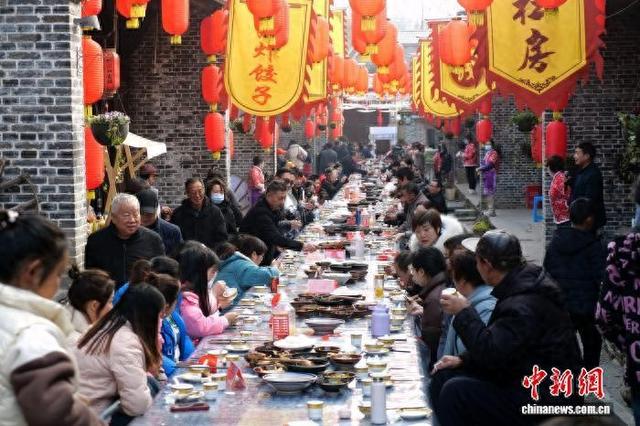
口古镇庖汤会现场。 黄智发 摄 "清晨刚宰杀的年猪,选取最肥美的五花、新鲜的内脏、剔净的骨头,与清冽的山泉水一同入锅。柴火 是山间拾来的硬木。"掌勺的老师傅神情专注,时而撇去浮沫,时而投入姜片、花椒、干辣椒等调味 料,汤汁逐渐变得奶白醇厚,猪肉的鲜美与油脂的丰腴在翻滚中完美融合。 中新网陕西汉阴1月7日电 题:秦巴腹地年味起:一锅沸暖意 千年共此冬 作者 李一璠 邹菲 小寒刚过,薄雪点缀着秦巴山峦,清冷静谧。而在陕西省安康市汉阴县双河口古镇却暖意升腾,年 的"脚步声"愈发清晰起来。家家户户的年味从灶台间弥漫开来,咕嘟作响、白汽蒸腾,一锅地道的庖汤 是陕西汉阴民众冬日里的"仪式感"。 双河口古镇庖汤会现场,灶火熊熊、庖汤鼎沸,条凳方桌沿古镇街道次第排开。赴会的有本地的乡亲、 远道而归的游子,还有闻香而来的游客。 庖汤之俗可追溯至古老的"乡饮"礼仪与丰收后的酬谢传统。《诗经·七月》中有"朋酒斯飨,曰杀羔羊。 跻彼公堂,称彼兕觥,万寿无疆"的描绘,仿佛是庖汤会千年之前的遥远回响。 图为双河 庖汤宴不仅是味蕾的盛宴,也是文化的展台。酒过三巡,菜过五味,助兴的节目依次登场,"小场子"民 间舞蹈诙谐热闹,引来阵阵喝彩,民 ...

点亮暖城鄂尔多斯新年的文旅盛宴
Xin Lang Cai Jing· 2026-01-07 08:59
鄂尔多斯市图书馆推出"书香六艺"沉浸式打卡和"骏驰暖城"系列十余场活动,涵盖诗歌音乐会、亲子绘 本剧、主题阅读活动、非遗文化体验等十余项内容,让阅读与传统文化体验相结合,为市民和游客提供 了别样的跨年选择。 中新网内蒙古新闻1月7日电 (记者 李爱平)夜幕降临,华灯初上。当2025年的最后一缕阳光缓缓落 下,鄂尔多斯这座充满活力的草原城市正以最热情的姿态迎接八方来客。从乌兰木伦湖畔的璀璨灯火到 九城宫滑雪场的冰雪狂欢,从鄂尔多斯大剧院的悠扬民歌到暖城印巷的热闹集市,20余场精心策划的文 旅"大餐"同步开启,一系列融合本地特色和当代潮流的文旅新业态、新玩法、新模式正等待游客们一一 解锁。 新旧交替之际,鄂尔多斯全域同步开启狂欢模式,让不同需求的游客都能找到专属的迎新乐趣。在康巴 什区乌兰木伦湖畔,4万平方米的冰雪乐园里,孩子们乘雪圈飞驰而下,年轻人畅快滑冰,一家人欢乐 嬉戏,用欢声笑语翻开新一年的篇章。夜幕降临,"康巴什之夜"湖畔跨年电音派对将用节奏点燃寒夜, 迷你音乐焰火灯光秀精彩绽放,绚烂烟火与湖光城影交相辉映,定格一幅幅浪漫的迎新画卷。 东胜区则主打"烟火气"与"年轻力"。精心布置的暖城印巷新文旅步行街, ...

传统与现代交融,释放消费更大潜力
Ren Min Ri Bao· 2026-01-07 07:47
Core Viewpoint - The integration of culture and tourism is crucial for meeting the needs of people's quality of life, empowering economic and social development, and building a strong cultural and tourism nation [4]. Group 1: Cultural and Tourism Integration - The "14th Five-Year Plan" suggests promoting deep integration of culture and tourism, significantly developing the cultural tourism industry to empower economic and social development [4]. - Successful practices in cultural tourism integration, such as the revitalization of heritage sites and the promotion of intangible cultural heritage, illustrate the synergy between culture and tourism [4]. Group 2: Visitor Trends and Economic Impact - The Hanging Temple in Shanxi Province is expected to receive over 2.3 million visitors in 2024 and exceed 3 million in 2025, with tourism revenue reaching over 90 million yuan, reflecting a more than 50% increase compared to pre-2020 figures [5]. - The popularity of the game "Black Myth: Wukong" has significantly boosted tourism to the Hanging Temple, leading to the launch of themed activities that connect various cultural tourism resources in Shanxi [5][6]. Group 3: International Visitor Growth - There has been a noticeable increase in foreign visitors to the Hanging Temple, attributed to the ongoing benefits of visa-free policies, with many international tourists expressing interest in Chinese traditional culture [6]. - The Qin Shi Huang Terracotta Army Museum received over 10.97 million visitors in 2025, including over 680,000 foreign guests, highlighting the growing international appeal of Chinese cultural heritage [8]. Group 4: Innovative Cultural Products - The Hanging Temple has developed popular cultural products, such as a sand-flow refrigerator magnet, which has become a top-selling item nationwide, indicating the success of cultural innovation [6]. - The Qin Shi Huang Terracotta Army Museum introduced over 80 new cultural products in 2025, with the "Terracotta Cat" becoming a best-seller, showcasing the museum's ability to attract visitors through innovative merchandise [8]. Group 5: Regional Tourism Development - The West Xia Mausoleum has been recognized as a UNESCO World Heritage Site, revitalizing the area and integrating technology to enhance visitor experiences through interactive exhibits [12]. - Future plans for the West Xia Mausoleum include creating a cultural tourism corridor with nearby attractions, promoting a comprehensive tourism experience that benefits local communities [13][14]. Group 6: New Consumption Trends in Sports and Leisure - The Shenzhen Huafa Ice and Snow World has become a popular destination for sports enthusiasts, featuring a large indoor ski area and various entertainment options, attracting a diverse customer base [15]. - The integration of sports, shopping, and dining experiences in the Huafa Ice and Snow World has established it as a new landmark for sports consumption in the Greater Bay Area, with over 30% of visitors coming from Hong Kong [16].
从抢救复壮到文旅融合:“十四五”广东擦亮古树名木保护招牌
Nan Fang Nong Cun Bao· 2026-01-07 07:01
态管理,850株 一级古树和名木 装上"天眼"全天 候守护,抢救复 壮濒危衰弱古树 名木超900株, 新建成古树公园 55个,4株古 树、5个古树群 入选"中国最 美"系列,让岭 南"绿色文物"生 生不息。 法治筑基+科技 赋能,筑牢保护 从抢救复壮到文 旅融合:"十四 五"广东擦亮古 树名木保护招牌 _南方+_南方 plus 近日,记者从广 东省林业局获 悉,"十四五"期 间,广东以绿美 广东生态建设古 树名木保护提升 行动为牵引,积 极构建法治护 航、科技赋能、 文旅融合、全民 参与的全方位古 树名木保护体 系,实现调查建 档率、保护率、 监测率和抢救复 壮率四项核心指 标100%全覆 盖。全省8.5万 余株古树名木实 现"一树一 档""一张图"动 广东将古树名木 保护纳入法治化 轨道,修订《广 东省森林保护管 理条例》并设立 古树名木保护专 章,结合《广东 省林长制条例》 明确的层级责 任,构建起省级 统筹、市县落 实、层层压实的 制度闭环,并将 保护管理情况纳 入林长制考核与 领导干部自然资 源离任审计,形 成全链条监管格 局。 通过全面开展古 树名木资源普 查,广东精准掌 握全省8.5万余 株古树名 ...

文物会说话 展厅变乐园
Xin Lang Cai Jing· 2026-01-07 06:53
Group 1 - The Shanghai History Museum is launching a series of innovative cultural exhibitions and projects for 2026, focusing on the integration of technology, culture, and tourism [2] - Key exhibitions include "From Yuan Dynasty Water Gates to Waibaidu Bridge" showcasing the cultural history of the Suzhou River, and "Moin·Hello" commemorating the 40th anniversary of the Shanghai-Hamburg friendship [2] - The museum will also introduce various other exhibitions, such as "Entering Seoul's Citizen Life" and "Red Star·Comic·Eastern Dream - Edgar Snow and China," to enrich the cultural experience for visitors [2] Group 2 - The museum is enhancing visitor experiences through new technologies, including an intelligent guide project that integrates with the city’s smart tourism platform "Huxiaoyou," featuring mobile, interactive, and guiding robots [3] - The "Shanghai Memories: Me and My Shanghai" AI immersive script tour combines storytelling, exhibits, games, and technology, transforming the exhibition hall into a dynamic interactive space [3] - A new commercial space named "Shenyi" will be launched to bring cultural artifacts to life and integrate culture into daily life [3]

文旅融合添彩美好生活
Ren Min Ri Bao· 2026-01-07 02:46
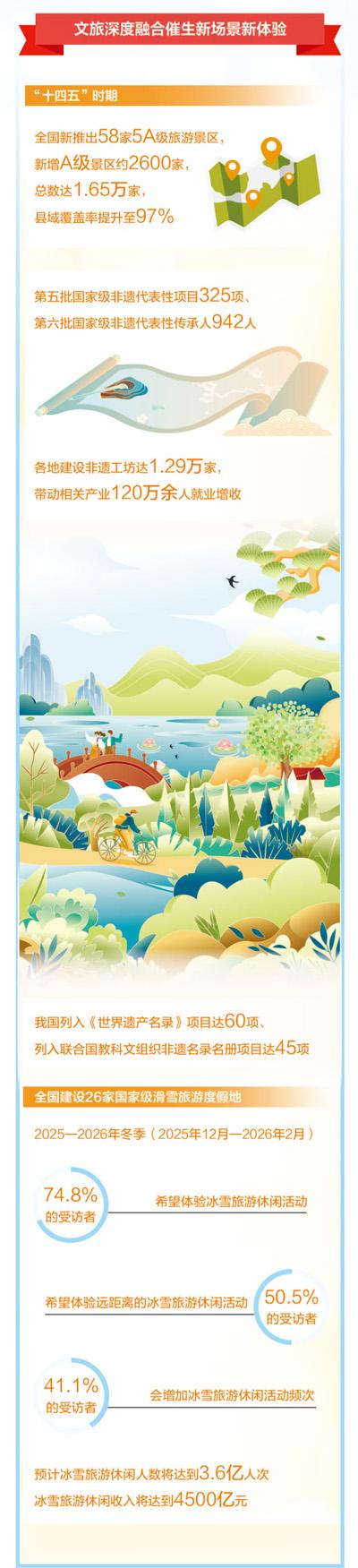
习近平主席在二〇二六年新年贺词中指出:"我们以文化滋养精神家园。文博热、非遗热不断升温,世 界遗产再添新员,悟空和哪吒风靡全球,古韵国风成为年轻人眼中的'顶流审美'。文旅市场人气火 爆,'城超''村超'热闹非凡,冰雪运动点燃冬日激情。传统与现代交融,中华文化绽放更加灿烂的光 芒。" "十四五"以来,文旅融合深入推进,"以文塑旅、以旅彰文"双向赋能,为文旅产业培育新动能、塑造新 优势。从文化遗产游、红色旅游的持续升温,到研学旅游、旅游演艺的创新出彩,文旅供给侧结构性改 革不断深化,"文旅+百业""百业+文旅"的融合发展模式,不仅丰富了人们的生活,更让文旅产业成为拉 动消费、带动就业的重要引擎,为经济社会高质量发展持续注入新动能。 文化资源的充分挖掘与活化利用,让文旅融合更有深度、更有温度。我国将文旅融合纳入5A级旅游景 区、国家级旅游度假区等级划分标准,引导各地打造了一批富有文化内涵的旅游目的地,推出了诸多特 色鲜明的休闲街区与乡村旅游目的地。良渚古城遗址的文明溯源、殷墟甲骨的文字魅力、三星堆文物的 神秘瑰丽,让历史文化"活起来",带动旅游人次大幅增长;三峡大坝的雄奇壮阔、港珠澳大桥的跨海雄 姿、中国天眼的深空 ...
文旅强市的“古”韵“新”章
Zheng Zhou Ri Bao· 2026-01-07 00:46
Core Viewpoint - The article emphasizes the importance of cultural and tourism integration in Zhengzhou, highlighting the city's efforts to enhance its cultural heritage and tourism industry as a means to boost economic development and improve the quality of life for its residents [1][8]. Group 1: Cultural Heritage and Historical Significance - Zhengzhou is leveraging its rich historical background, including 8,000 years of Peiligang culture and 3,600 years of Shang Dynasty capital, to create a strong cultural identity and attract tourism [2][3]. - The city is hosting academic events, such as the "Peiligang Era and the Origins of Chinese Civilization" seminar, to explore its historical significance and promote cultural awareness [2]. - The establishment of archaeological parks, like the Zhengzhou Shang City National Archaeological Park, is making history accessible and engaging for the public through interactive experiences [3][4]. Group 2: Tourism Development and Economic Impact - Zhengzhou has integrated quality resources to develop national-level tourism projects, such as the Yuyuan International Tourism Resort and the "Only Henan·Drama Fantasy City," which have received national recognition [5]. - The city has seen significant visitor engagement, with over 50 million attendees at cultural performances, particularly among the younger demographic [5]. - The tourism sector is projected to attract 170 million visitors and generate over 200 billion yuan in revenue by 2024, positioning Zhengzhou as a popular destination [6]. Group 3: Cultural Promotion and Future Plans - Zhengzhou aims to establish itself as a center for the inheritance of Chinese civilization, promoting its unique cultural brands like "Heavenly Place" and "Shaolin Kung Fu" [7]. - The city is actively participating in cultural exchange events to enhance its visibility and promote its cultural identity on a national level [7][8]. - Future plans include creating a comprehensive display of Chinese civilization through a network of archaeological parks and museums, further integrating cultural tourism with local narratives [8].
河南三大剧种优秀剧目首次联袂进京展演
He Nan Ri Bao· 2026-01-06 23:30
Group 1 - The event "2026 New Spring Henan Three Major Opera Genres Beijing Performance Week" showcases Henan's representative opera genres, including Yu Opera, Qu Opera, and Yue Opera, for the first time in a large-scale presentation in Beijing from January 6 to 14 [1] - The performances feature six high-quality productions, including the newly adapted historical Yu Opera "Fu Hao," and classic works such as "Mu Guiying Breaks the Heavenly Gate Array" and "Shou Jiang Wei," as well as modern adaptations like "Zhao Yiman" [1] - The event aims to promote the integration of cultural tourism through the "Follow the Opera to Travel Henan" initiative, enhancing the visibility of Henan's cultural heritage [1] Group 2 - During the performance period, a non-material cultural heritage exhibition will take place, featuring six national-level projects, including Tang Sancai and Ru porcelain, allowing audiences to engage with traditional crafts [2] - The promotional activity "Follow the Opera to Travel Henan" will release a promotional video titled "Return to Henan: Taste the Chinese New Year," exploring a new model of integrated promotion through theater [2]