全国统一电力市场体系

Search documents
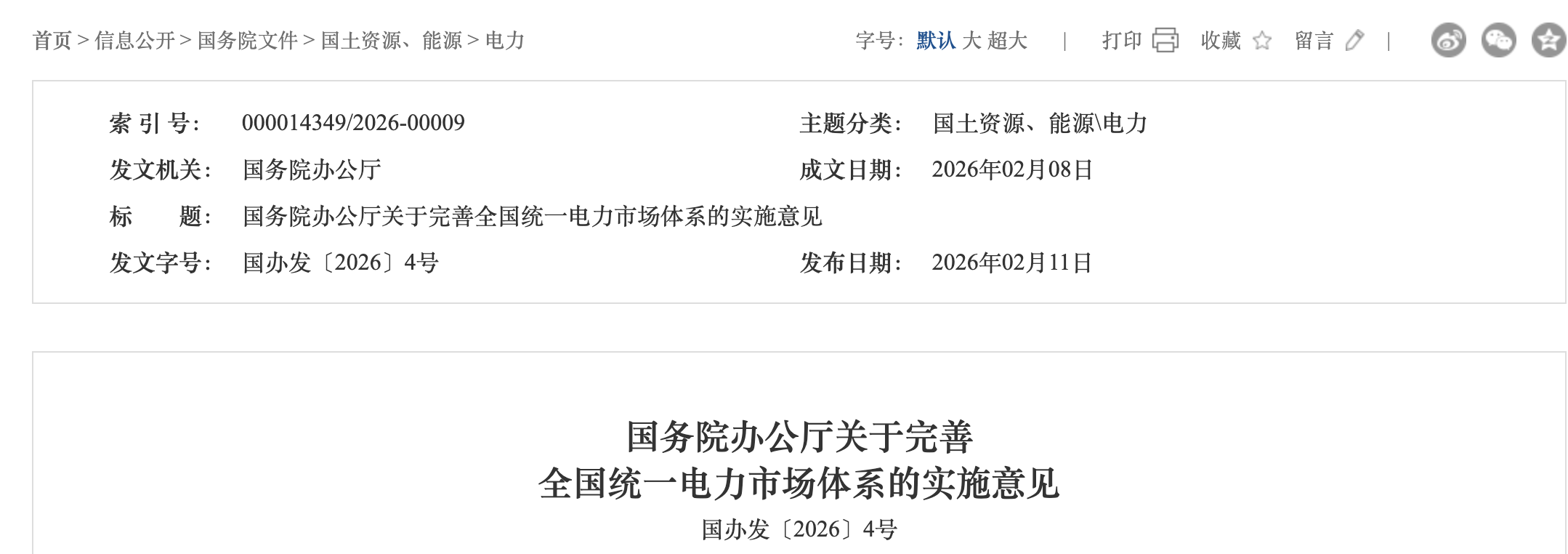
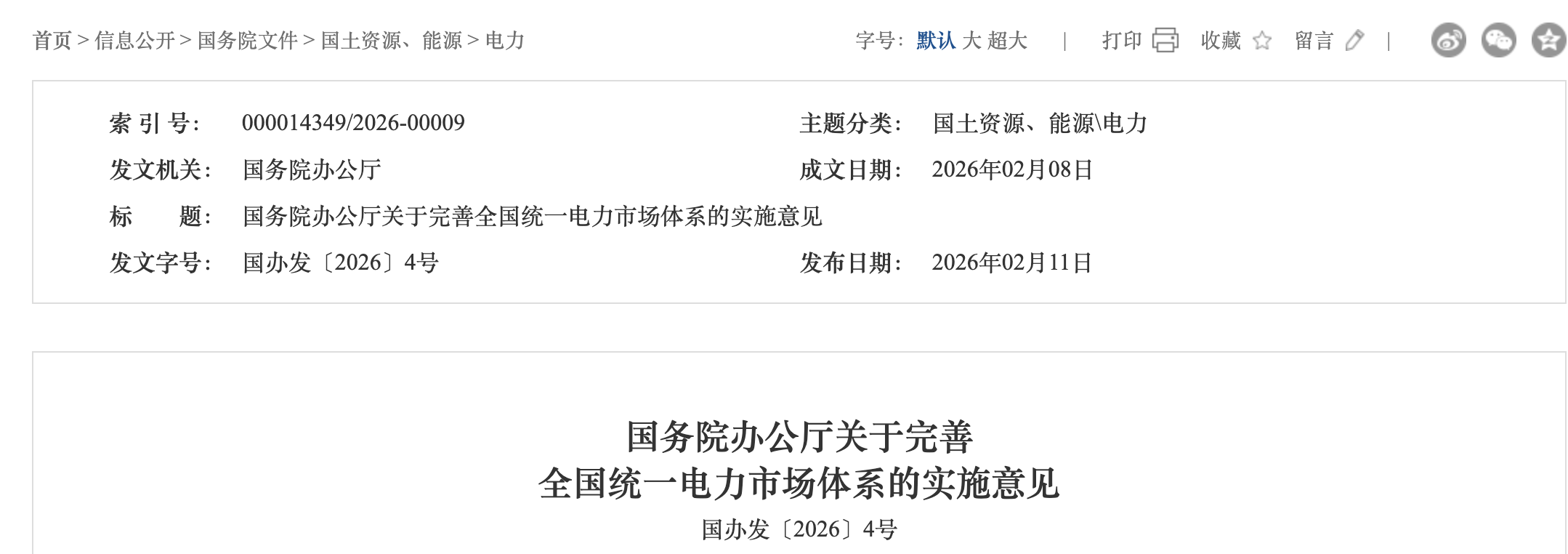
国办发文:到2030年基本建成全国统一电力市场体系
2 1 Shi Ji Jing Ji Bao Dao· 2026-02-11 14:06
Core Viewpoint - The State Council issued the "Implementation Opinions on Improving the National Unified Electricity Market System," marking a shift in electricity market reform from departmental promotion to national strategic deployment, with clear goals for 2030 and 2035 [1][3]. Group 1: Key Goals and Timeline - By 2030, the national unified electricity market system is expected to be basically established, with market transactions accounting for approximately 70% of total electricity consumption [1][3]. - By 2035, the market system will be fully established, with further maturation and an increasing proportion of market transactions [1][3]. Group 2: Systematic Reform Measures - The implementation opinions propose systematic reforms to address key issues such as breaking market barriers, promoting diverse participation, and enhancing capacity assurance mechanisms [3][4]. - The document emphasizes breaking down market barriers to optimize electricity resource allocation nationwide, enabling "electricity to flow nationwide" [3][4]. Group 3: Market Participation and Structure - The opinions outline pathways for various market participants, including gas, hydro, and nuclear power, to enter the market, promoting a diverse and competitive market structure [4][6]. - New entities like virtual power plants and smart microgrids are encouraged to participate flexibly in the market [4][6]. Group 4: Market Mechanism Development - Continuous improvement of market mechanisms is emphasized, including the establishment of a capacity price mechanism for coal, pumped storage, and new energy storage resources [4][6]. - The document highlights the need for effective transmission of auxiliary service costs in regions with continuous spot market operations [4][6]. Group 5: Market Function Clarification - The implementation opinions clarify the functions of six major markets: spot, medium- and long-term, auxiliary services, green electricity, capacity, and retail markets [6][7]. - The new pricing system represents a significant breakthrough in China's electricity market construction, shifting from a "single electricity pricing" model to a market-driven approach [6][7]. Group 6: Green Electricity and International Standards - The opinions stress the importance of strengthening the traceability of green electricity consumption and exploring the feasibility of incorporating green certificates into carbon emission accounting [7][8]. - There is a call for proactive engagement in international standard-setting processes to align China's green electricity standards with global systems [8].

重磅!国办发文:到2030年基本建成全国统一电力市场体系
2 1 Shi Ji Jing Ji Bao Dao· 2026-02-11 13:30
Core Viewpoint - The State Council of China has released the "Implementation Opinions on Improving the National Unified Electricity Market System," marking a significant shift in electricity market reform from departmental promotion to national strategic deployment, with clear goals set for 2030 and 2035 [1][4]. Group 1: Key Strategic Goals - By 2030, the national unified electricity market system is expected to be basically established, with market transactions accounting for approximately 70% of total electricity consumption, and by 2035, the system will be fully established with further improvements in market functions [1][4]. - The document outlines key strategic nodes for the next decade, emphasizing the need for systematic reforms to eliminate market barriers and promote diverse participation in the electricity market [4][5]. Group 2: Systematic Reform Measures - The implementation opinions propose breaking down market barriers to optimize electricity resource allocation nationwide, facilitating a more integrated market [5]. - It emphasizes equal and broad participation of various market entities, including traditional and new energy sources, to create a competitive market landscape [5][6]. - The document highlights the need for continuous improvement of market mechanisms, including the establishment of effective capacity pricing mechanisms and the exploration of capacity markets [6][7]. Group 3: Market Function Development - The implementation opinions clarify the functions of six major markets: spot, medium-to-long-term, ancillary services, green electricity, capacity, and retail markets, aiming to enhance price discovery and supply-demand adjustment [6][7]. - The new pricing system is seen as a milestone in China's electricity market construction, shifting from a single pricing model to a multi-dimensional value quantification approach, which supports the transition to a new energy system [6][7]. Group 4: Green Energy and International Standards - The document stresses the importance of strengthening the traceability of green electricity consumption and exploring the integration of green certificates into carbon accounting [7][8]. - It calls for active engagement in international standard-setting processes to align China's green electricity certification with global standards, facilitating participation in global green governance [8].
中国将推动更多民营企业参与电力市场
Zhong Guo Xin Wen Wang· 2026-02-11 13:20
Core Viewpoint - China is promoting greater participation of private enterprises in the electricity market through new policies aimed at establishing a unified national electricity market system by 2030 and 2035 [1][2] Group 1: Policy Objectives - By 2030, the goal is to establish a basic national unified electricity market system, with market transactions accounting for approximately 70% of total electricity consumption, excluding guaranteed users [1] - By 2035, the aim is to fully establish a mature and improved national unified electricity market system, with a steady increase in the proportion of market transactions [1] Group 2: Innovative Measures - The policy introduces several innovative measures, including transitioning from "individual pricing and trading" to "unified pricing and joint trading" across different market levels [1] - It proposes specific requirements for the connection mechanisms between various market categories, such as spot, medium-to-long-term, ancillary services, and capacity markets [1] Group 3: Support for Renewable Energy - To enhance the participation of renewable energy in the electricity market, the policy outlines measures such as inter-provincial green electricity trading, long-term green electricity contracts, and strengthening the traceability of green electricity consumption [2] - It also mentions exploring a two-part or single capacity pricing system for cross-province and cross-region transmission when conditions are ripe, facilitating large-scale renewable energy exports [2] Group 4: Participation of Private Enterprises - The policy encourages the involvement of private enterprises in the electricity market, particularly in new sectors like energy storage, virtual power plants, and smart microgrids [2] - It aims to allow all electricity users, except guaranteed users, to directly participate in the electricity market, moving away from the current model where small and medium-sized commercial users only accept market prices indirectly [2]
【财闻联播】现货黄金站上5100美元,白银大涨超6%!天际股份,被证监会立案调查
券商中国· 2026-02-11 12:43
Macro Dynamics - The State Council has issued an implementation opinion to enhance the national unified electricity market, aiming to increase the scale of cross-provincial and cross-regional power transmission and the proportion of clean energy delivery over the next 5-10 years [2] - The implementation opinion emphasizes the need to improve the electricity trading system and promote market transactions between State Grid and Southern Grid, while also encouraging more private enterprises to participate in the electricity market [2] Tax Policy - The Ministry of Finance and other departments announced that the import VAT preferential policies for anti-cancer and rare disease drugs will continue from January 1, 2026, to December 31, 2027 [3] Consumer Initiatives - The Ministry of Commerce, in collaboration with nine departments, has planned a "New Spring" special event to distribute a total of 2.05 billion yuan in consumer vouchers, subsidies, and red packets during the Spring Festival [5] Market Data - From February 1 to 8, the national retail sales of passenger cars reached 328,000 units, a year-on-year increase of 54%, while wholesale sales were 284,000 units, up 46% year-on-year [7] - The A-share market showed mixed results, with the Shanghai Composite Index up 0.09% and the ChiNext Index down 1.08% [9] - The Hong Kong stock market saw the Hang Seng Index rise by 0.31% and the Hang Seng Tech Index increase by 0.9% [11] Company Dynamics - Tianji Co., Ltd. is under investigation by the China Securities Regulatory Commission for suspected violations of information disclosure, but the company states that its operations remain normal [13] - Unigroup plans to raise no more than 5.57 billion yuan through a private placement to acquire a 6.98% stake in New H3C and for other projects [14] - NetEase reported a total revenue of 112.6 billion yuan for the year 2025, with R&D investment reaching 17.7 billion yuan, marking six consecutive years of over 10 billion yuan in R&D spending [16]
国办最新发布!
Jin Rong Shi Bao· 2026-02-11 12:41
2月11日,围绕完善全国统一电力市场体系,国务院办公厅印发《关于完善全国统一电力市场体系的实 施意见》(以下简称《意见》)。 随着AI技术迎来爆发式增长,电力已成为全球科技竞争与经济发展的核心命脉。近期马斯克公开喊话 美国向中国学习光伏应用,也有诸多业内人士谈及美国电力危机的痛点——缺乏全国统一的电力市场体 系。正如能源专家所言,美国电网碎片化严重,各州电网相对独立、政策隔阂明显,加之电网老旧、电 厂建设产业链薄弱,不仅难以应对AI带来的电力需求激增,极端天气下的大规模停电更是常态,凸显 了电力市场分割的致命短板。 反观中国,正以全国一盘棋的布局,破解区域壁垒、强化资源统筹,筑牢了能源安全与低碳转型的双重 根基。 1.明确阶段性目标 到2030年,基本建成全国统一电力市场体系,各类型电源和除保障性用户外的电力用户全部直接参与电 力市场,市场化交易电量占全社会用电量的70%左右。跨省跨区和省内实现联合交易,现货市场全面转 入正式运行,市场基础规则和技术标准全面统一,市场化电价机制基本健全,公平统一的市场监管体系 基本形成。 到2035年,全面建成全国统一电力市场体系,市场功能进一步成熟完善,市场化交易电量占比稳 ...
去年两市日均成交额大增,机构称券商各业务均受益于增量资金入市丨A股明日线索
2 1 Shi Ji Jing Ji Bao Dao· 2026-02-11 11:40
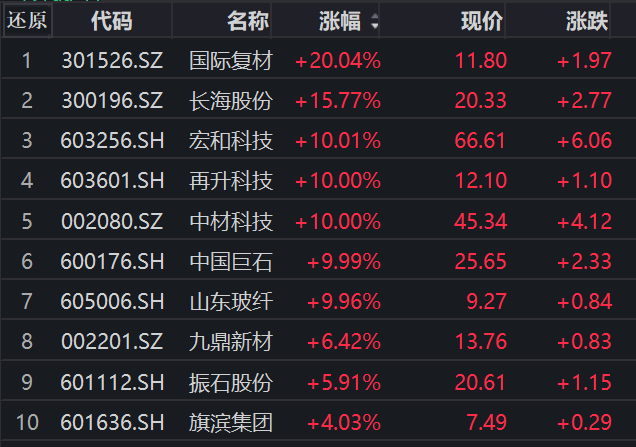
Group 1: National Power Market Development - The State Council has issued an implementation opinion aiming to establish a unified national electricity market system by 2035, with a market transaction volume steadily increasing [1] - By 2030, the goal is to have about 70% of the total electricity consumption in the country come from market-based transactions, with all types of power sources and non-essential users participating directly in the market [1] - The implementation will include joint transactions across provinces and regions, with a fully operational spot market and a well-established market pricing mechanism by 2030 [1] Group 2: Stock Market Projections - The People's Bank of China projects that the average daily trading volume of the two stock exchanges will reach 17,045.4 billion yuan in 2025, an increase of 61.9% compared to 2024 [2] - By the end of 2025, the Shanghai Composite Index is expected to close at 3,968.8 points, reflecting an 18.4% increase from the end of 2024, while the Shenzhen Component Index is projected to rise by 29.9% to 13,525.0 points [2] Group 3: Solid-State Battery Standards - The first part of the national standard for solid-state batteries for electric vehicles is expected to be released in July 2026, with the draft completed by December 2025 [3] - The standard will include terminology and classification, with testing and validation scheduled for early 2026 [3] Group 4: Lithium Carbonate Futures and Market Activity - Lithium carbonate futures saw a significant increase, with the main contract rising over 9% on February 11 [4] Group 5: Glass Fiber Price Increases - Leading glass fiber companies have raised prices for electronic cloth, resulting in multiple stocks in the sector hitting their daily price limits [5] - Notable companies include International Composites, Changhai Co., and Honghe Technology, with price increases ranging from 10% to over 20% [5][6] Group 6: Tungsten and Rare Earth Market Movements - Zhangyuan Tungsten Industry announced significant price increases for long-term procurement contracts, with black tungsten and white tungsten prices rising by 28.1% and 28.2% respectively [7] - Rare earth product prices have accelerated, with neodymium oxide and metal prices increasing by 7.59% and 6.27% respectively, and a cumulative increase of 34% since the beginning of the year [8] Group 7: Solid-State Battery Technology Collaboration - Guoxuan High-Tech and BASF have signed a strategic cooperation memorandum to jointly develop next-generation solid-state battery technology, focusing on high-performance materials [9] - The collaboration aims to accelerate the commercialization of innovative results in various applications, including electric vehicles and energy storage [9] Group 8: Nickel Price Trends - Nickel prices have continued to rise, with LME nickel reaching $17,780 per ton, and domestic futures increasing over 4% [11] - Indonesia has reaffirmed plans to significantly reduce nickel ore production, with a production quota set between 260 million and 270 million tons for the year [11]


国务院:到2035年全面建成全国统一电力市场体系 市场化交易电量占比稳中有 升
Jin Rong Jie· 2026-02-11 10:50
国务院办公厅印发了《关于完善全国统一电力市场体系的实施意见》,系统谋划了全国统一电力市场未 来5—10年的目标任务。《实施意见》提出到2030年,基本建成全国统一电力市场体系,各类型电源和 除保障性用户外的电力用户全部直接参与电力市场,市场化交易电量占全社会用电量的70%左右。跨省 跨区和省内实现联合交易,现货市场全面转入正式运行,市场化电价机制基本健全。到2035年,全面建 成全国统一电力市场体系,市场功能进一步成熟完善,市场化交易电量占比稳中有升。电力资源全面实 现全国范围内的优化配置和高效利用,以电力为主体、多种能源协同互济的全国统一能源市场体系初步 形成。 责任编辑:山上 财经频道更多独家策划、专家专栏,免费查阅>> ...
杨昆:全国统一电力市场建设迈入全面深化新阶段
Zhong Guo Dian Li Bao· 2026-02-11 10:35
Core Viewpoint - The construction of a unified national electricity market is a significant strategic decision by the central government to promote high-quality development and optimize resource allocation across the country [2][3]. Group 1: Importance of a Unified Electricity Market - The improvement of the unified national electricity market system is a crucial institutional guarantee for the construction of a new type of power system, with expectations of an annual increase in electricity demand of around 600 billion kilowatt-hours during the 14th Five-Year Plan period [3]. - The unified electricity market can effectively enhance the quality and efficiency of the energy industry and related sectors, providing a stable internal driving force for economic development [4]. Group 2: Implementation Opinions and Strategic Goals - The recently issued "Implementation Opinions" set clear strategic goals for the construction of the unified electricity market, aiming for a "basic completion" by 2030 and "full completion" by 2035 [6]. - Key reform measures include breaking down market barriers, promoting diverse participation, and improving capacity assurance mechanisms [6][7]. Group 3: Market Mechanism and Infrastructure Development - The construction of a unified electricity market requires the establishment of effective capacity pricing mechanisms and the continuous operation of the electricity spot market [7]. - Upgrading electricity system infrastructure is essential, with a focus on building new grid platforms and enhancing cross-regional transmission capabilities [9]. Group 4: Technological Innovation and Standards - Strengthening investment in technological innovation within the energy and electricity sector is vital, with an emphasis on developing new energy production capabilities and promoting advanced technology [9]. - The establishment of technical standards in the electricity industry is crucial for supporting the effective implementation of policies and ensuring the smooth operation of the unified electricity market [9].
利好!国办最新印发!
Xin Lang Cai Jing· 2026-02-11 10:21
Core Viewpoint - The State Council issued the "Implementation Opinions on Improving the National Unified Electricity Market System," aiming to establish a unified electricity market by 2030 and fully realize it by 2035, ensuring efficient resource allocation and supporting energy security and green transformation [1][21][26]. Group 1: Overall Requirements - The implementation is guided by Xi Jinping's thought and aims to break market segmentation, promote efficient connections, and ensure a high-level dynamic balance of supply and demand in the electricity market [5][21]. - By 2030, the market transaction volume is expected to account for approximately 70% of total electricity consumption, with a unified regulatory system in place [26]. Group 2: Optimization of Electricity Resource Allocation - The plan emphasizes optimizing the national electricity market system and improving cross-regional electricity trading mechanisms [22][27]. - It aims to enhance interconnectivity of trading platforms and establish a national electricity trading center when conditions permit [24][27]. Group 3: Market Functionality Enhancement - The implementation will focus on building a real-time price discovery mechanism and a stable medium- to long-term market to ensure reliable electricity supply [9][30]. - A green electricity market will be developed to enhance environmental value, including a green certificate consumption system [31]. Group 4: Participation of Various Market Entities - The plan encourages equal participation of all types of market entities, including generation and user sides, in the electricity market [22][33]. - New business models such as virtual power plants and smart microgrids will be promoted to enhance flexibility in market participation [34]. Group 5: Establishing a Unified Market System - A unified electricity market rule system will be established, along with a governance framework to enhance regulatory efficiency [35][36]. - A national credit system for the electricity market will be developed to promote trust and transparency among market participants [37]. Group 6: Policy Coordination - The plan emphasizes the need for coordination between electricity planning and market operations to ensure balanced supply and demand [38]. - An emergency response and risk prevention system will be established to manage unexpected market disruptions [38].
利好!国办最新印发!
证券时报· 2026-02-11 10:16
《意见》指出,一要推动电力资源在全国范围内优化配置,优化全国统一电力市场体系实现路径,完善 跨省跨区电力交易制度。二要健全电力市场各项功能,全面建设更好发现价格、调节供需的现货市场, 持续完善保障电力安全稳定供应的中长期市场,加快建设支撑电力系统灵活调节的辅助服务市场,完善 更好实现环境价值的绿色电力市场,建立可靠支撑调节电源建设的容量市场,打造规范有序、便捷高效 的零售市场。三要促进各类经营主体平等广泛参与电力市场,进一步推动发电侧、用户侧和新型经营主 体参与电力市场。四要构建全国统一的电力市场制度体系,统一电力市场规则体系,健全电力市场治理 体系,完善电价形成机制,统一电力市场技术标准,建立全国统一的电力市场信用制度。五要强化政策 协同,加强电力规划与电力市场的衔接协同,加强应急处置与风险防控体系建设,建立电力市场评价制 度。 《意见》要点: 进一步推动电力交易平台互联互通、交易信息共享互认,电力市场经营主体"一地注册、全国共 享"。条件成熟时,研究组建全国电力交易中心。 在确保安全前提下,科学安排跨省跨区优先发电规模计划,合理扩大省间自主市场化送电规模, 加强多通道集中优化。 充分发挥现货市场发现实时价 ...