
区域经济一体化

Search documents
11月3日外交部例行记者会答问汇总
Bei Jing Ri Bao Ke Hu Duan· 2025-11-03 09:58
Group 1 - The Spanish King Felipe VI will visit China from November 10 to 13 at the invitation of President Xi Jinping, marking his first state visit to China since ascending the throne and the first visit by a Spanish king in 18 years, highlighting the significance of this event [3][4] - The visit aims to strengthen bilateral relations and discuss international and regional issues of mutual concern, with meetings scheduled between King Felipe VI and Chinese leaders including President Xi Jinping, Premier Li Qiang, and Chairman Zhao Leji [3][4] - This year marks the 20th anniversary of the establishment of the comprehensive strategic partnership between China and Spain, with both sides looking to enhance cooperation and cultural exchanges during the visit [4] Group 2 - China will host the APEC (Asia-Pacific Economic Cooperation) informal leaders' meeting in Shenzhen in November 2024, marking the third time China has served as the host, reflecting its growing role in regional cooperation and multilateralism [5] - The decision to hold the APEC meeting in Shenzhen is seen as a recognition of the city as a significant window for China's open and cooperative strategy, with expectations for a successful event [5] Group 3 - China has decided to extend its visa-free policy for certain countries, including France, until December 31, 2026, to facilitate international exchanges and promote high-level openness [7] - The restoration of group tours for Chinese citizens to Canada is expected to enhance people-to-people exchanges and mutual understanding between the two nations [8]

国际锐评|APEC“中国年”将开启 引领亚太共同体开新局
Yang Shi Xin Wen Ke Hu Duan· 2025-11-02 03:22
Core Points - The core message emphasizes China's commitment to fostering an open and inclusive APEC economy, highlighting the importance of cooperation among Asia-Pacific economies to counter rising protectionism and unilateralism [3][4][7]. Group 1: APEC Leadership Transition - China will host the 33rd APEC Leaders' Informal Meeting in Shenzhen, Guangdong, in November next year, marking its third time as APEC host since 2001 and 2014 [1]. - The transition of APEC leadership to China is seen as an opportunity to strengthen regional cooperation and address global economic challenges [8]. Group 2: Key Suggestions from Xi Jinping - Xi Jinping proposed five key suggestions for building an open APEC economy, focusing on digital empowerment, green low-carbon initiatives, and inclusive development [3][4]. - The suggestions aim to enhance cooperation and resilience among Asia-Pacific economies, countering the adverse effects of unilateralism and protectionism [4][7]. Group 3: Economic Interdependence - China's trade with APEC economies grew by 2% year-on-year in the first three quarters of this year, reaching 19.41 trillion yuan, which constitutes 57.8% of China's total trade [5]. - The ongoing collaboration between China and APEC partners is exemplified by initiatives such as new shipping routes and the establishment of electric vehicle manufacturing plants in Southeast Asia [5][7]. Group 4: Commitment to Free Trade - China is actively promoting regional economic integration through various trade agreements and initiatives, including the Regional Comprehensive Economic Partnership (RCEP) and the Belt and Road Initiative [7]. - Xi Jinping's statements during the APEC meeting reflect China's determination to maintain an open global economy and provide new opportunities for regional and global economic growth [7][8].

解读中国—东盟自贸区3.0版升级议定书
Shang Wu Bu Wang Zhan· 2025-11-01 16:20
Group 1 - The signing of the China-ASEAN Free Trade Area 3.0 upgrade protocol is a significant achievement in implementing the consensus reached during the 30th anniversary summit of China-ASEAN dialogue relations [2][4] - The protocol reflects a commitment to multilateralism and free trade, countering unilateral tariff measures and protectionism, thereby boosting confidence in regional and global economic growth [2][3] - The protocol marks a milestone in deepening regional economic integration, expanding cooperation from traditional trade and investment to emerging areas such as digital and green economies [3][6] Group 2 - The China-ASEAN Free Trade Area has evolved through various stages since its inception in 2002, with the latest upgrade being the 3.0 version, which was officially launched after nearly two years of negotiations [4][5] - The trade volume between China and ASEAN reached $982.3 billion in 2024, a 17-fold increase since the establishment of the free trade area [4] Group 3 - The protocol introduces five new areas of cooperation: digital economy, green economy, supply chain connectivity, competition and consumer protection, and support for small and medium-sized enterprises [7][8] - It establishes a comprehensive framework for cooperation in the digital economy, including measures for data flow, cybersecurity, and digital infrastructure [8][9] - The green economy section defines key areas for collaboration, aiming to eliminate trade barriers related to environmental standards and promote sustainable development [9][10] Group 4 - The protocol includes provisions for supply chain cooperation, enhancing resilience and connectivity, and addressing logistics bottlenecks [10][11] - It establishes a framework for competition and consumer protection, enhancing legal cooperation and consumer rights [12] - The protocol also emphasizes support for small and medium-sized enterprises, facilitating their participation in international trade and digital transformation [12][13] Group 5 - The protocol will undergo domestic approval processes in both China and ASEAN countries before coming into effect [14]
习近平同韩国总统李在明会谈
财联社· 2025-11-01 10:53
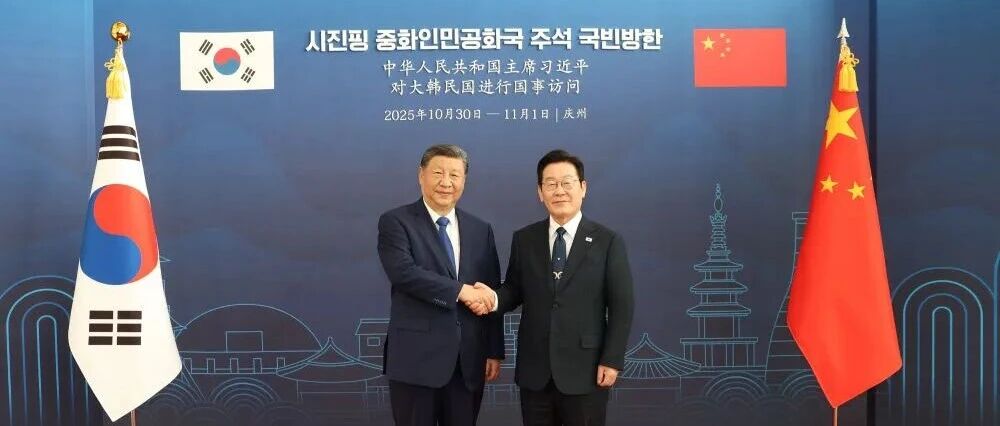
Core Viewpoint - The meeting between Chinese President Xi Jinping and South Korean President Lee Jae-myung emphasizes the importance of the China-South Korea relationship, highlighting mutual cooperation and the need for strategic communication to enhance bilateral ties [5][8]. Group 1: Strategic Communication - Xi Jinping proposed four suggestions to open a new chapter in China-South Korea relations, starting with strengthening strategic communication to build mutual trust and respect each other's social systems and core interests [6]. - The importance of using dialogue channels and mechanisms to address differences and enhance cooperation was emphasized [6]. Group 2: Economic Cooperation - The two leaders discussed deepening mutually beneficial cooperation, particularly in areas such as artificial intelligence, biopharmaceuticals, green industries, and the silver economy, while accelerating the second phase of the China-South Korea Free Trade Agreement negotiations [6]. - Both countries expressed a commitment to combatting online gambling and telecom fraud, indicating a focus on safeguarding citizens' safety and property [6]. Group 3: Cultural Exchange - Enhancing national sentiment and promoting people-to-people connections were highlighted as essential for solidifying the foundation of public opinion, with an emphasis on cultural exchanges and facilitating personnel movement [6]. - The leaders agreed on the importance of guiding public opinion positively to foster a conducive atmosphere for bilateral relations [6]. Group 4: Multilateral Cooperation - Xi Jinping congratulated South Korea on successfully hosting the APEC informal leaders' meeting and expressed a desire to collaborate on advancing the APEC Free Trade Area and regional economic integration [7]. - The commitment to uphold true multilateralism and promote a fairer international governance system was reiterated [7]. Group 5: Bilateral Relations - Lee Jae-myung welcomed Xi Jinping's visit, noting its significance for Korea-China relations and the deepening of cooperation across various fields since the establishment of diplomatic ties [8]. - Both leaders expressed a desire to enhance high-level exchanges and manage differences effectively to further develop the bilateral partnership [8].

习近平同韩国总统李在明会谈
证券时报· 2025-11-01 10:47
Core Viewpoint - The meeting between Chinese President Xi Jinping and South Korean President Lee Jae-myung emphasizes the importance of the China-South Korea relationship, highlighting mutual cooperation and the need for strategic communication to enhance bilateral ties [7][9]. Group 1: Strategic Communication - Xi Jinping proposed four key suggestions to open a new chapter in China-South Korea relations, starting with strengthening strategic communication to build mutual trust and respect each other's core interests [9]. - The importance of long-term perspectives in viewing the relationship was stressed, advocating for cooperation while managing differences through friendly consultations [9]. Group 2: Economic Cooperation - The leaders discussed deepening mutually beneficial cooperation, particularly in areas such as artificial intelligence, biopharmaceuticals, green industries, and the silver economy, while accelerating the second phase of the China-South Korea Free Trade Agreement negotiations [9][10]. - Both countries expressed a commitment to combatting online gambling and telecom fraud, indicating a collaborative approach to safeguard citizens' safety [9]. Group 3: Cultural Exchange - Enhancing national sentiments and promoting people-to-people connections were highlighted as essential for solidifying the foundation of public opinion, with an emphasis on positive media narratives and cultural exchanges [9]. - The leaders agreed on facilitating personnel exchanges and increasing interactions among youth, media, think tanks, and local communities to foster mutual understanding [9]. Group 4: Multilateral Cooperation - Xi emphasized the importance of multilateral collaboration for promoting peace and development, congratulating South Korea on hosting the APEC Leaders' Informal Meeting and expressing a desire to advance regional economic integration [10]. - The commitment to uphold true multilateralism and maintain a fair international trading system was reiterated, aiming for a more just global governance structure [10]. Group 5: Economic Development Plans - The meeting underscored the significance of the "14th Five-Year Plan" approved by the Chinese Communist Party, which outlines China's economic development direction and priorities for the next five years [12]. - South Korea expressed its willingness to enhance cooperation with China to stabilize supply chains and bring more benefits to both nations' citizens [12].
习近平同韩国总统李在明会谈
中国基金报· 2025-11-01 10:38
Group 1 - The meeting between Chinese President Xi Jinping and South Korean President Lee Jae-myung emphasizes the importance of the China-South Korea relationship as a significant partnership that has transcended social systems and ideological differences over 33 years of diplomatic ties [6][11] - Xi Jinping proposed four key suggestions to open a new chapter in China-South Korea relations, focusing on strengthening strategic communication, deepening mutually beneficial cooperation, enhancing national sentiment, and promoting multilateral collaboration for peace and development [8][9] - Both leaders acknowledged the importance of high-level exchanges and cooperation in various fields, including trade, finance, agriculture, law enforcement, and technology, as a means to further enhance bilateral relations [13] Group 2 - The discussion highlighted the commitment to accelerate the second phase of the China-South Korea Free Trade Agreement negotiations and explore cooperation in emerging sectors such as artificial intelligence, biopharmaceuticals, green industries, and the silver economy [8] - The leaders expressed a mutual desire to improve public sentiment and facilitate cultural exchanges to strengthen understanding and create a favorable atmosphere for the development of bilateral relations [9][11] - The meeting also underscored the importance of maintaining stable supply chains and enhancing international and regional cooperation to promote peace and development in the Asia-Pacific region [11][9]
习近平同韩国总统李在明会谈
Xin Hua She· 2025-11-01 10:08
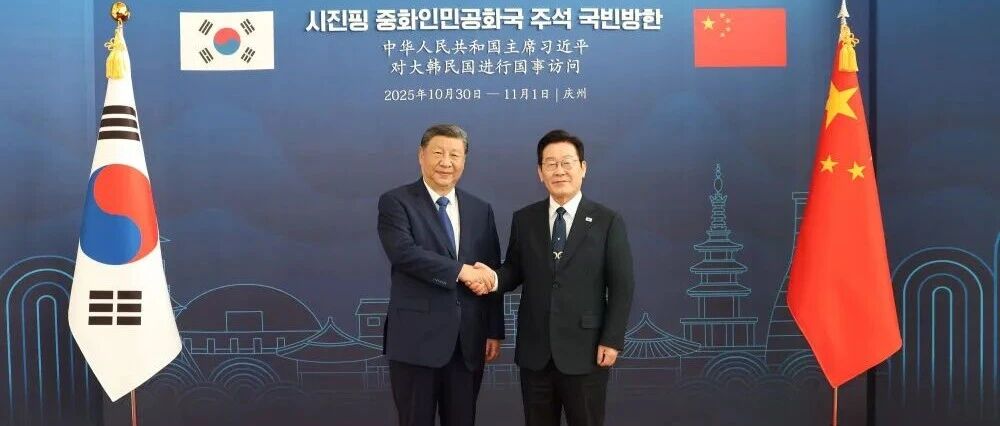
Core Points - The meeting between Chinese President Xi Jinping and South Korean President Lee Jae-myung emphasizes the importance of the China-South Korea relationship as a significant partnership that has evolved over 33 years, overcoming differences in social systems and ideologies [3][6] - Xi proposed four key suggestions to enhance the bilateral relationship, focusing on strategic communication, deepening mutually beneficial cooperation, promoting cultural exchanges, and strengthening multilateral collaboration for peace and development [4][5] Group 1: Strategic Communication - Strengthening strategic communication is essential to build mutual trust and respect, allowing both countries to develop together while managing differences through friendly consultations [4] - Utilizing dialogue channels and exchange mechanisms will help consolidate the foundation for the development of bilateral relations [4] Group 2: Economic Cooperation - There is a commitment to accelerate the second phase of negotiations for the China-South Korea Free Trade Agreement, with a focus on emerging sectors such as artificial intelligence, biopharmaceuticals, green industries, and the silver economy [4] - Both countries are keen to collaborate on combating online gambling and telecom fraud, enhancing the safety of their citizens [4] Group 3: Cultural Exchange - Promoting cultural exchanges and improving public sentiment between the two nations is vital, with an emphasis on guiding public opinion and facilitating people-to-people interactions [4] - Encouraging exchanges among youth, media, think tanks, and local communities will foster mutual understanding and create a positive atmosphere for bilateral relations [4] Group 4: Multilateral Collaboration - China congratulated South Korea on successfully hosting the APEC Leaders' Informal Meeting and expressed willingness to work together to advance the APEC Free Trade Area and regional economic integration [5] - Both countries aim to uphold true multilateralism and promote a fairer international governance system [5]
中国贸促会接棒2026年亚太经合组织工商领导人峰会主办权
Xin Hua She· 2025-11-01 05:33
Core Points - The 2025 APEC Business Leaders Summit will be held from October 29 to 31 in Gyeongju, South Korea, with China officially taking over the hosting rights for the 2026 summit [1] - The theme of this year's summit is "Connect, Business, and Beyond," with over 1,000 representatives from APEC economies participating to discuss topics such as regional economic integration, artificial intelligence, digital innovation, global finance, and biomedicine [1] - The China Council for the Promotion of International Trade (CCPIT) organized over 100 business representatives to attend the summit [1] Group 1 - The CCPIT President Ren Hongbin welcomed APEC business leaders to the 2026 summit in China and encouraged participation in the fourth Chain Expo and other economic and trade activities [1] - Ren expressed hopes for regional connectivity and cooperation to promote common development in the Asia-Pacific region, aiming to build an open, vibrant, resilient, and peaceful Asia-Pacific community [1]
中外人士:海南自贸港有望成为中国-东盟自贸区3.0版“示范区”
Zhong Guo Xin Wen Wang· 2025-11-01 03:27
Core Viewpoint - Hainan Free Trade Port is expected to become a "demonstration zone" for the China-ASEAN Free Trade Area 3.0, aligning with its development direction and showcasing its potential as a pioneer in high-level openness [1][2] Group 1: Strategic Importance - Hainan's upcoming full closure operation will leverage its policy advantages of "zero tariffs, low tax rates, and simplified tax systems," enhancing its geographical advantages [1] - Hainan aims to establish three strategic hubs: connecting China's large market with the RCEP region, serving as a strategic hub for China-ASEAN economic cooperation, and facilitating China-ASEAN blue economy cooperation [1] Group 2: Economic Integration and Cooperation - The China-ASEAN Free Trade Area 3.0 upgrade includes new chapters on digital economy, green economy, and supply chain connectivity, aligning with Hainan's goals for high-level economic and trade rules [2] - Hainan can serve as a "transit station" for industrial investment between China and ASEAN, attracting Chinese enterprises to expand into ASEAN markets while providing a low-tax, convenient operational platform for ASEAN companies entering China [2] Group 3: Development Initiatives - Hainan is encouraged to enhance infrastructure, create a transparent legal business environment, and actively participate in bilateral and multilateral free trade arrangements to better integrate into high-level international trade rule systems [2] - The establishment of a "China-ASEAN Digital Talent Training and Certification Base" and a green energy investment fund are proposed initiatives to promote regional cooperation in digital talent development and energy transition [2]
“高水平开放的海南自由贸易港”国际论坛在海口召开
Hai Nan Ri Bao· 2025-10-31 23:15
Core Viewpoint - The "High-Level Opening of Hainan Free Trade Port" international forum was held in Haikou, emphasizing the strategic role of Hainan Free Trade Port in China's high-level opening-up strategy amidst global economic changes [2][3]. Group 1: Forum Overview - The forum was organized by the China (Hainan) Reform and Development Research Institute and attended by over 350 representatives from 12 countries, 4 international organizations, and various Chinese provinces and regions [2]. - The event included an opening ceremony and a thematic dialogue session focusing on the role of free trade ports in regional economic integration and breakthroughs in Hainan's high-level opening [2]. Group 2: Strategic Importance of Hainan Free Trade Port - Hainan Free Trade Port is seen as a proactive measure to adapt to the trend of regional economic integration, positioning itself as a strategic hub connecting China's large market with the RCEP market, primarily led by ASEAN [3]. - The port aims to serve as a strategic pivot for China-ASEAN economic cooperation, focusing on two headquarters bases and a shared market for blue economy collaboration [3].