
台湾问题

Search documents
中方回应高市早苗最新涉台言论
券商中国· 2025-12-16 09:21
近期,王毅外长权威、详细阐述台湾地位已被"七重锁定"。核心内容是:1943年《开罗宣言》明确规 定,日本窃取于中国之台湾必须归还中国。1945年《波茨坦公告》载明《开罗宣言》之条款必将实施。 1945年8月15日日本战败,日本天皇承诺忠实履行《波茨坦公告》各项规定并无条件投降。1945年10月 25日,中国政府宣布恢复对台湾行使主权。1949年10月1日,中华人民共和国中央人民政府取代中华民 国,成为代表全中国的唯一合法政府,对包括台湾在内的全部领土行使主权。1972年《中日联合声明》 就台湾问题作出明确规定。1978年《中日和平友好条约》经两国立法机构批准,确认《中日联合声明》 所表明的各项原则应予严格遵守。 我还要指出以下事实:1972年9月中日邦交正常化谈判时,日本外务省条约局局长高岛益郎明确说明日本 政府的立场,即"台湾应当归还中国是日本不变的见解"。中日邦交正常化后,1972年11月田中角荣首相 和大平正芳外相在国会答辩中分别公开表示,"大陆和台湾的纷争是中国内政","中华人民共和国与台湾 对立的问题是中国的国内问题",1975年2月宫泽喜一外相在国会答辩中表示"两岸冲突在法律上应当是内 战"。此外 ...

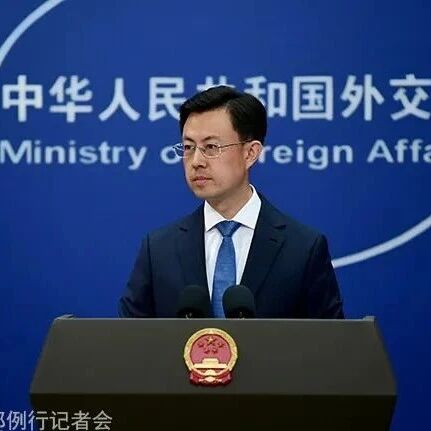
外交部:日方在要害问题上“挤牙膏”“埋钉子” 中方坚决反对
Yang Shi Xin Wen Ke Hu Duan· 2025-12-16 08:09
Group 1 - The core viewpoint of the article is that China firmly opposes Japan's recent statements regarding Taiwan, viewing them as attempts to confuse and mislead the situation [1][2] - Chinese Foreign Ministry spokesperson Guo Jiaqun criticized Japan for not reiterating key points from the China-Japan Joint Statement, particularly regarding the recognition of the People's Republic of China as the sole legitimate government of China and Taiwan being an inseparable part of China [1] - Guo highlighted Japan's selective quoting of historical documents, noting the omission of important phrases that acknowledge Japan's past territorial claims, which he argues undermines existing commitments and international law principles [1] Group 2 - The Chinese government asserts that Taiwan is an inseparable part of its territory and that the resolution of the Taiwan issue is solely China's matter, with Japan having no right to interfere [2] - Guo urged Japan to adhere to the spirit of the four political documents between China and Japan and to reflect on and correct its erroneous statements regarding Taiwan [2]

日方复述涉台湾问题条款时刻意回避重要表述,外交部:日方仍在要害问题上挤牙膏、埋钉子
Huan Qiu Wang· 2025-12-16 08:03
郭嘉昆强调,近期,王毅外长权威、详细阐述台湾地位已被"七重锁定"。核心内容是:1943年《开罗宣 言》明确规定,日本窃取于中国之台湾必须归还中国。1945年《波茨坦公告》载明《开罗宣言》之条款 必将实施。1945年8月15日日本战败,日本天皇承诺忠实履行《波茨坦公告》各项规定并无条件投降。 1945年10月25日,中国政府宣布恢复对台湾行使主权。1949年10月1日,中华人民共和国中央人民政府 取代中华民国,成为代表全中国的唯一合法政府,对包括台湾在内的全部领土行使主权。1972年《中日 联合声明》就台湾问题作出明确规定。1978年《中日和平友好条约》经两国立法机构批准,确认《中日 联合声明》所表明的各项原则应予严格遵守。 郭嘉昆说,我还要指出以下事实:1972年9月中日邦交正常化谈判时,日本外务省条约局局长高岛益郎 明确说明日本政府的立场,即"台湾应当归还中国是日本不变的见解"。中日邦交正常化后,1972年11月 田中角荣首相和大平正芳外相在国会答辩中分别公开表示,"大陆和台湾的纷争是中国内政","中华人 民共和国与台湾的对立问题是中国的国内问题"。 【环球时报-环球网报道 记者 李萌】在12月16日外交部 ...
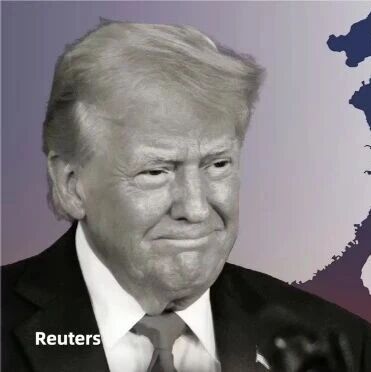
特朗普警告高市早苗:“别来添乱”
Xin Lang Cai Jing· 2025-12-15 11:48
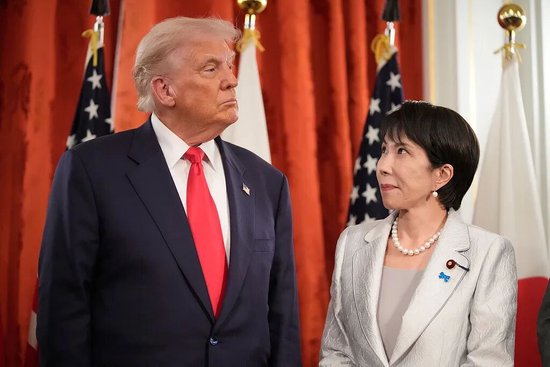
Core Viewpoint - The article discusses a warning from U.S. President Trump to Japanese Prime Minister Kishi, advising him not to complicate U.S.-China relations following Kishi's controversial remarks regarding Taiwan [1][5]. Group 1: U.S.-Japan Relations - Trump expressed his concerns to Kishi during a phone call, stating that the U.S. and China are working to manage the situation and urged Kishi not to "make things worse" [1][5]. - Kishi's comments on Taiwan, made on November 7, hinted at the possibility of military intervention, which has strained Japan-China relations and displeased the U.S. [5][1]. Group 2: Communication Details - The phone call took place on November 25, initiated by Trump, where Kishi confirmed the close cooperation between the U.S. and Japan [7]. - Kishi refrained from disclosing specific details about the conversation, citing diplomatic confidentiality [7][3]. Group 3: Chinese Response - In response to inquiries about the U.S.-Japan leaders' call, a Chinese Foreign Ministry spokesperson stated that it is a matter between the U.S. and Japan and emphasized that Taiwan is an internal issue for China, not open to external interference [3][7].
日大使拒不撤回言论;中方祭出69%关税,日本还能挺住?
Sou Hu Cai Jing· 2025-12-11 10:23
Group 1 - The recent political discourse in Japan has been ignited by former ambassador to China, Shiraishi Hideo, defending remarks made by politician Takashi Saito regarding Taiwan, emphasizing that Taiwan is a red line for China and suggesting that such statements could be used as negotiation leverage [1] - The controversy centers around the notion that sovereignty issues cannot be treated as bargaining chips, highlighting the risks of using non-negotiable principles for political gain [1] - The U.S. responded swiftly by withdrawing the "Typhoon" missile system from Japan and adopting a cold stance towards Saito's comments, indicating a misjudgment of Japan's reliance on major powers [1] Group 2 - China's countermeasures have been precise and orderly, with the Ministry of Commerce conducting a final review on the anti-dumping duties on polyphenylene sulfide (PPS) from Japan, deciding to maintain increased tariffs, which range from 25.2% to 69.1% for Japan, while the U.S. rate can reach up to 220% [1] - PPS is a critical material for industries such as aerospace, electronics, and automotive, and the imposition of tariffs directly impacts production costs and safety [1] - The market perceives these actions as just the beginning, with China's "toolbox" for economic measures becoming more sophisticated and comprehensive [1] Group 3 - Japan currently faces two potential paths: to either halt its aggressive stance and return to dialogue and cooperation, relying on economic ties, or to continue testing China's limits, preparing for more severe retaliatory measures across various sectors [4] - The political climate in Japan is characterized by media sensationalism and politicians seeking attention, which may lead to irrational decisions given the aging economy and restructuring of the manufacturing sector [4] - China's position remains clear: red lines are non-negotiable, and retaliatory measures will follow established protocols, with anti-dumping duties serving as a clear boundary that, if crossed, will have direct consequences on materials, production lines, and jobs [4]
国台办回应赖清德迎合高市早苗错误言论:完全丧失民族立场
Ren Min Wang· 2025-12-10 09:30
Group 1 - The spokesperson of the Taiwan Affairs Office emphasized that the Taiwan issue is purely an internal matter of China and does not allow any foreign interference [1] - The Japanese Prime Minister's comments regarding Taiwan were described as a blatant interference in China's internal affairs, and the spokesperson called for Japan to reflect and retract its erroneous statements [1] - The spokesperson criticized Lai Ching-te for aligning with Japan's erroneous statements, accusing him of losing national stance and engaging in behavior that is deemed disgraceful [1]
日本有识之士强烈要求高市早苗撤回错误言论
Yang Shi Xin Wen Ke Hu Duan· 2025-12-09 07:50
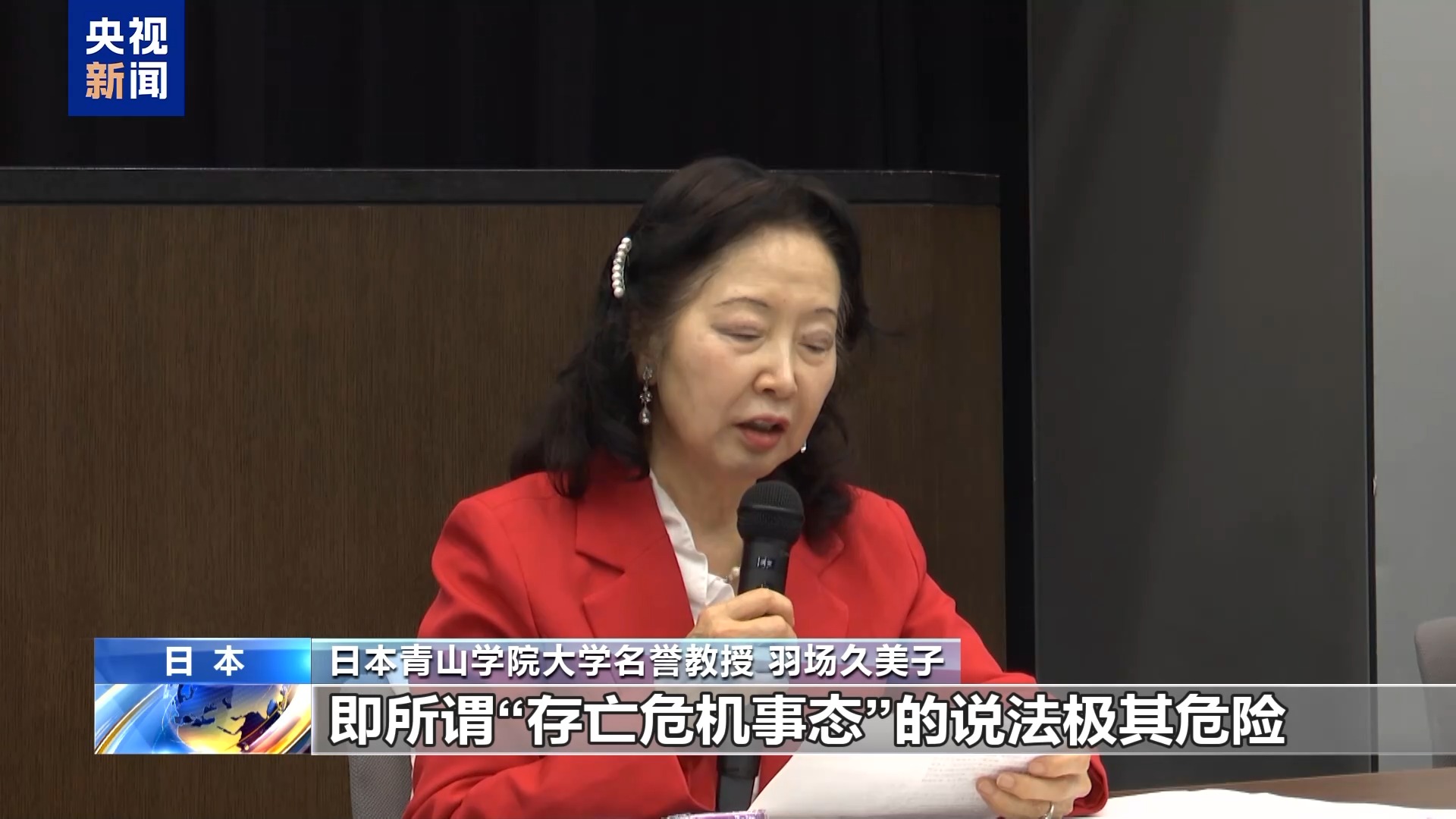
Core Viewpoint - The "Inheritance and Development of the Murayama Statement" group expresses strong concern over Japanese Prime Minister Sanna Takashi's remarks regarding Taiwan, urging her to retract her statements as they deviate from Japan's post-war peace stance [1][9]. Group 1: Concerns Over Statements - Participants at the emergency press conference emphasize that Taiwan is an internal matter of China, and Takashi's comments are misleading and dangerous [1][7]. - The remarks made by Takashi are seen as a potential threat to the commitments made in the Japan-China Joint Statement during the normalization of diplomatic relations [3]. Group 2: Political and Diplomatic Implications - Political analysts highlight that Takashi's statements could lead to a difficult period in Japan-China relations, with concerns about Japan's increasing military expenditures and defense capabilities [5][7]. - There is a perception that Takashi's government is eager to engage in military actions, which raises alarms about Japan's defense policy direction [7]. Group 3: Historical Context and Legal Concerns - Experts argue that Takashi's comments violate Japan's pacifist constitution and international law, undermining Japan's established international trust [2][9]. - The remarks are interpreted as a potential reversal of Japan's post-war commitments to China, which could have significant diplomatic repercussions [11].
美国对中日对立沉默
日经中文网· 2025-12-09 02:37
在涉台问题引发的中日对立上,美国正刻意保持距离。 在美国高级官员中,虽然驻日本大使格拉斯对中国提出了批评,但正副总统及内阁成员级别的人物均未 在公开场合表态。只有美国务院副发言人曾于11月20日在X(原推特)上发表声明称,对日本防卫的承 诺不变。 在涉台问题引发的中日对立上,美国正刻意保持距离。在美国高级官员中,虽然驻日本大使格拉斯对中 国提出了批评,但正副总统及内阁成员级别的人物均未在公开场合表态。当前处于美国有意避免与中国 产生摩擦的局面…… 对于中国对日本采取的威慑性行动,作为日本盟国的美国的特朗普总统保持了沉默。如果对中国试探坐 视不理,东亚秩序发生动摇的风险将会上升。 日本联合美国之外的友邦的外交努力也迎来考验。 美国白宫和美国国务院12月7日并未就6日中国战机对日本自卫队战机照射雷达一事回应日本经济新闻的 置评请求。 对特朗普而言,美国中期选举将于2026年11月举行,这样做意在维系制造业的工人及农户等核心支持群 体。 在中美首脑会谈前,美方曾高调表态的台湾问题未被纳入会谈议程。有观点认为,考虑到中方不愿提及 凸显与美国分歧的台湾问题,希望中方在稀土和大豆问题上做出让步的美方选择了妥协。 在中美关 ...
如何解决台湾问题是中国人自己的事,不容任何外部干涉
Ren Min Ri Bao· 2025-12-08 22:10
Group 1 - The core viewpoint of the article emphasizes China's stance on the Taiwan issue, asserting that it is a matter for the Chinese people to resolve without external interference [1][2] - The Chinese government expresses a commitment to safeguarding national sovereignty and territorial integrity, highlighting the importance of mutual respect and cooperation in U.S.-China relations [1][2] - The article reiterates that Taiwan is an inseparable part of China and that the Taiwan issue represents a core interest for China, marking it as a red line in U.S.-China relations [1]
综述|日本有识之士强烈要求高市早苗撤回涉台错误言论
Xin Hua She· 2025-12-08 16:48
Core Viewpoint - There is a strong demand from Japanese intellectuals for Prime Minister Kishi Sanae to retract her erroneous remarks regarding Taiwan, as they deviate from Japan's historical stance on the Taiwan issue and could escalate tensions in Japan-China relations [1][2]. Group 1: Reactions from Scholars and Politicians - The chairman of the "Inherit and Develop the Murayama Statement" group, Fujita Takakage, stated that Kishi's remarks in the Diet represent a significant departure from previous Japanese government positions, equating to a declaration of war if "Taiwan is in trouble," which could be seen as a revival of Japanese militarism [2]. - Japanese political scholar Uehara Kumiko emphasized that Kishi's statements contradict established international order, referencing documents like the Cairo Declaration of 1943 and the Potsdam Declaration of 1945 that clearly define Taiwan's status [2]. - Former diplomat and international political scholar Tōgō Kazuhiko noted that Kishi's comments have placed Japan-China relations in a precarious situation, stressing the importance of adhering to the 1972 Japan-China Joint Statement regarding Taiwan [2]. Group 2: Criticism of Kishi's Position - Political economist Uekusa Kazuhide criticized Kishi for her contradictory statements, suggesting that her attempts to downplay the significance of her remarks only serve to obscure the issue [3]. - Akimoto Atsushi, former editor of "Sekai" magazine, pointed out that Kishi's frequent references to dialogue with China lack the necessary respect and equality, making genuine dialogue impossible under her current approach [3]. - Professor Adachi Masakatsu highlighted Kishi's push for revising Japan's security documents, relaxing arms export restrictions, and increasing defense budgets, arguing that these actions are effectively steering Japan towards militarization and potential conflict [3].