
基因编辑技术

Search documents
噬菌体疗法融合古老智慧与现代科技 成攻克多重耐药利器
Huan Qiu Wang Zi Xun· 2025-06-13 08:07
Core Insights - The article discusses the potential of phage therapy as a solution to the challenges posed by multi-drug resistant bacteria, which traditional antibiotics struggle to combat [1][2] - Phage therapy offers targeted action with minimal side effects and a lower likelihood of inducing resistance, addressing critical clinical treatment challenges [1] Group 1: Phage Therapy Overview - Phage therapy is a treatment method that utilizes bacteriophages, viruses that specifically infect bacteria, to treat bacterial infections [1] - Unlike traditional antibiotics, phages can precisely identify and lyse specific bacteria while maintaining the balance of normal human microbiota [1] Group 2: Historical Context and Case Study - Phage therapy was previously used in the 1920s and 1930s for various infections but fell out of favor with the advent of antibiotics [2] - A case study is presented involving an 18-year-old patient with cystic fibrosis who was infected with carbapenem-resistant Pseudomonas aeruginosa, where traditional antibiotics were ineffective [2] - The patient underwent a 42-day treatment using phage therapy, resulting in significant health improvements, including normalization of temperature and weight gain of 3 kilograms [2] Group 3: Future Directions - Experts are exploring the potential of gene editing technologies to modify phages, which may lead to personalized treatment options in the future [2]
细胞与基因疗法:技术突破与商业化加速下的万亿级蓝海市场,头豹词条报告系列
Tou Bao Yan Jiu Yuan· 2025-06-04 13:01
Investment Rating - The report indicates a positive investment outlook for the cell and gene therapy (CGT) industry, highlighting its potential as a trillion-dollar blue ocean market driven by technological breakthroughs and accelerated commercialization [5]. Core Insights - The CGT industry encompasses a wide range of applications, including cell therapy and gene therapy, aimed at curing various diseases. The industry faces high technical barriers and stringent quality control, but the rich pipeline of research and development (R&D) is leading to stable market growth [5][11]. - China has emerged as a major region for clinical trials of immune cell therapies, with significant advancements in CGT drug development. The market is expected to grow further with more product approvals and exploration of new targets [5][21]. - Despite a tightening funding environment, cell therapy drug development targeting solid tumors remains a hot area of investment [5][35]. Summary by Sections Industry Overview - The CGT industry is characterized by high technical barriers, a rich pipeline of drugs in development, and a wide range of applications targeting genetic diseases, cancers, infectious diseases, and chronic conditions [11][20]. Market Size and Growth - The market size of the CGT industry in China grew from 0.26 billion RMB in 2019 to 32.72 billion RMB in 2023, with a compound annual growth rate (CAGR) of 233.71%. It is projected to reach 526.50 billion RMB by 2028, with a CAGR of 58.04% [33][34]. R&D Pipeline - The report notes that as of 2023, there are over 647 CGT projects in development in China, with 8 products already approved for market. The focus is on targets such as CD19, BCMA, and CD22, primarily for treating non-Hodgkin lymphoma and multiple myeloma [47]. Competitive Landscape - The CGT industry features a tiered competitive landscape, with leading companies like WuXi AppTec and Eternal Biotech at the forefront. The report highlights the trend of CGT companies transitioning to Contract Development and Manufacturing Organizations (CDMO) to enhance competitiveness [43][46]. Regulatory Environment - The report outlines various supportive policies aimed at promoting CGT development, including guidelines for clinical research and product evaluation, which are expected to facilitate innovation and market entry [41]. Investment Trends - In 2023, the CGT funding landscape saw a decline in investment events and amounts compared to 2022, but cell therapy targeting solid tumors continues to attract significant attention from investors [35].
细胞与基因疗法:技术突破与商业化加速下的万亿级蓝海市场头 豹词条报告系列
Tou Bao Yan Jiu Yuan· 2025-06-04 12:23
Investment Rating - The report indicates a positive investment outlook for the Cell and Gene Therapy (CGT) industry, highlighting its potential as a trillion-dollar market driven by technological breakthroughs and accelerated commercialization [4]. Core Insights - The CGT industry encompasses a wide range of applications, including cell therapy and gene therapy, aimed at curing various diseases. The industry faces high technical barriers and stringent quality control, but the increasing number of CGT drugs entering the IND and BLA stages suggests stable market growth [4][5]. - China has emerged as a major region for clinical trials of immune cell therapies, with significant advancements in CGT drug development. The market is expected to grow further with more product approvals and exploration of new targets [4][22]. - Despite a tightening funding environment, cell therapy drug development targeting solid tumors remains a hot area of investment [4][34]. Industry Definition - Cell and Gene Therapy (CGT) refers to the process of using modified cells, either autologous or allogeneic, for disease treatment. It includes cell therapy, which can be categorized into immune cell therapy, stem cell therapy, and other somatic cell therapies, and gene therapy, which modifies gene expression or repairs abnormal genes [5][6]. Industry Characteristics - **Wide Application Fields**: CGT technologies aim to cure various diseases by directly intervening in patients' genetic material or cellular components, covering genetic diseases, malignant tumors, infectious diseases, and chronic diseases [13]. - **High Technical Barriers**: The production of CGT drugs is complex and requires strict quality control, leading to high costs and long production times [14]. - **Rich Pipeline**: The number of CGT drugs entering IND and BLA stages has increased significantly, with China becoming a leading region for clinical trials since 2016 [15][27]. Market Size - The CGT industry market size grew from 0.26 billion RMB in 2019 to 32.72 billion RMB in 2023, with a compound annual growth rate (CAGR) of 233.71%. It is projected to reach 526.50 billion RMB by 2028, with a CAGR of 58.04% [32][33]. Future Market Drivers - The rich pipeline of CGT therapies and the expected approval of more products will drive market growth. As of now, over 70 CGT products have been successfully launched globally, with gene therapy dominating the pipeline [35][42]. Competitive Landscape - The CGT industry is characterized by a competitive landscape where multinational pharmaceutical giants possess strong R&D capabilities and extensive clinical experience. The report identifies a tiered structure among companies, with leading firms like WuXi AppTec and Eternal Sunshine Biopharmaceuticals at the forefront [41][42]. Regulatory Environment - Recent policies have been introduced to support the development of innovative drugs, including CGT products, which will influence the industry's structure and promote high-quality economic growth [40].


揪出“内鬼”基因 根治“水稻流感”
Huan Qiu Wang Zi Xun· 2025-05-28 03:42
这些水稻是经过基因编辑,并注入"纳米疫苗"的实验组。实验结果显示,水稻纹枯病病情指数下降了 44%。 来源:科技日报 5月中旬,科技日报记者走进扬州大学海南试验基地,看到金黄色的稻穗粒粒饱满。科研人员拿着放大 镜穿梭在稻田中,观察水稻叶鞘上的病斑变化。 让人惊讶的是,在水稻分蘖期后,实现这一防控成效没有使用一滴化学农药,而是借助"基因编辑+诱 导免疫+物理屏障"等技术手段,为水稻穿上了一层"金钟罩"。 中国工程院院士、扬州大学教授张洪程评价说:"这项研究开辟了作物抗病改良与生物农药结合研究的 新范式,为农作物病害防治提供了新的绿色方案。" 纹枯病影响我国水稻高产 纹枯病是由一种强腐性真菌感染引起的水稻病害。该病菌通过土壤、水源和病株进行传播,一旦严重侵 袭水稻,便会导致结实不良、粒重下降。因纹枯病具有传播范围广、感染性强等特征,一旦暴发就会造 成稻田大规模减产,给农业生产带来巨大损失。据了解,我国每年因纹枯病导致的水稻减产超百万吨。 纹枯病已成为影响我国水稻高产的主要病害之一。 张洪程介绍,传统的改良土壤环境、改善灌溉与施肥条件等农业防治手段,虽然能够实现纹枯病的被动 防御,但整体效率低、效果差,且往往治标不 ...
为基因魔剪打造智能“快递”系统
Ke Ji Ri Bao· 2025-05-20 22:04
Core Insights - The article discusses the advancements in gene editing technology, particularly focusing on the development of a new delivery system called ENVLPE, which enhances the efficiency and safety of gene editing tools [1][2][3]. Group 1: Gene Editing Technology - Gene editing technologies like CRISPR-Cas9 have revolutionized the field by allowing precise modifications of DNA, but challenges remain in delivering these tools effectively to target cells [1][3]. - New generation tools such as base editors and prime editors have emerged, offering safer and more precise modifications without cutting the DNA double strand [1]. Group 2: ENVLPE Delivery System - ENVLPE, which stands for "engineered nuclear cytoplasmic carrier for loading programmable editors," is a non-infectious viral-like particle designed to efficiently deliver gene editing tools to target cells [3][4]. - This system addresses two major limitations of earlier delivery systems: the instability of guide RNA payloads and the low packaging efficiency of functional gene editors in production cells [3][4]. Group 3: Practical Applications - In tests on genetically blind mice, the ENVLPE system successfully restored light response by repairing a mutation in the Rpe65 gene, demonstrating its therapeutic potential [5]. - Compared to existing delivery systems, ENVLPE showed superior performance, requiring over ten times less dosage to achieve similar therapeutic effects [5]. Group 4: Cancer Treatment Potential - ENVLPE also presents new possibilities for adoptive T cell therapy in cancer treatment by efficiently removing specific molecules from T cells that could trigger immune rejection when transplanted into non-donor recipients [6][7]. - This innovation could lead to the development of universal T cells, reducing treatment costs and increasing accessibility for cancer patients [7]. Group 5: Future Directions - Researchers are working to enhance the targeting precision of ENVLPE by integrating natural diversity resources and AI-assisted protein design technologies, aiming for a more specific and controllable delivery process [7]. - There is an active pursuit of funding and collaboration with pharmaceutical companies to optimize ENVLPE for various diseases, with the goal of advancing it towards clinical applications [7].
世界首例:极限操作6个月,他们成功编辑了婴儿突变基因,治疗其罕见遗传病
生物世界· 2025-05-19 03:52
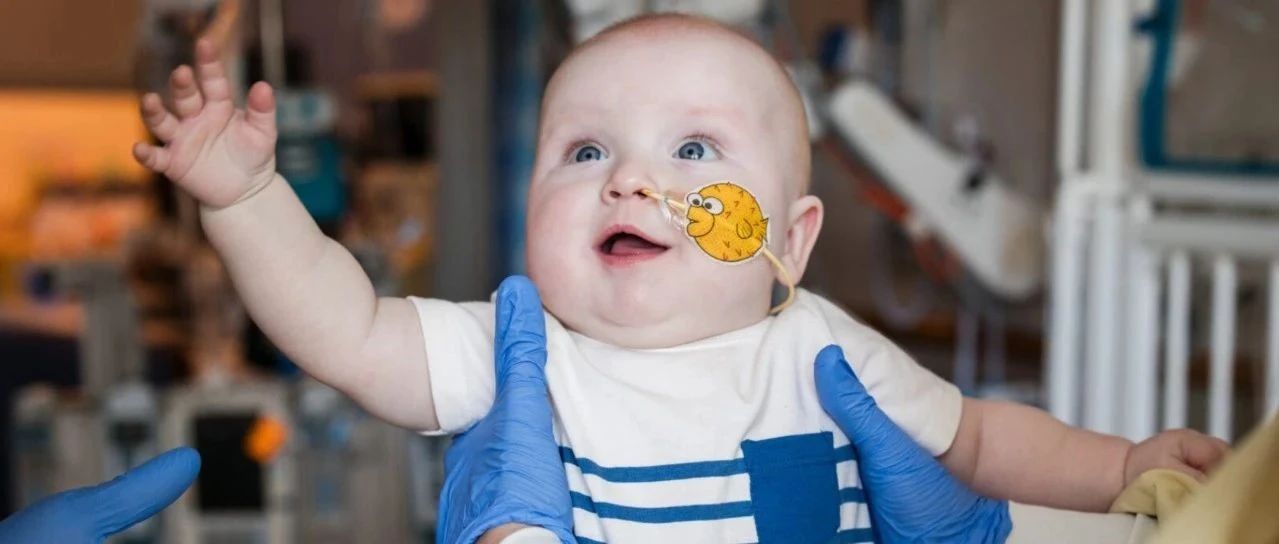
Core Viewpoint - A significant medical breakthrough has been achieved by a research team from the Children's Hospital of Philadelphia and the University of Pennsylvania, marking the first instance of a patient-specific gene editing therapy successfully treating a rare genetic disease in a single patient [2][5]. Group 1: Disease Overview - The patient, KJ Muldoon, was diagnosed with Carbamoyl Phosphate Synthetase 1 (CPS1) deficiency shortly after birth, a rare and severe recessive genetic disorder with an incidence rate of 1 in 1.3 million newborns [5]. - CPS1 deficiency is the most severe urea cycle disorder, leading to ammonia accumulation in the blood, which can cause organ damage, particularly to the brain and liver, with a mortality rate of up to 50% in early infancy without timely treatment [7]. Group 2: Treatment Development - Traditional methods for treating CPS1 deficiency are limited and include dialysis, ammonia scavengers, protein intake restriction, and late-stage liver transplantation, which do not effectively prevent neurological damage [7]. - The research team utilized base editing technology, a next-generation gene editing technique developed by Professor David Liu, which allows for precise repair of pathogenic mutations without relying on DNA double-strand breaks [8]. - KJ's specific genetic mutations were identified, making him a suitable candidate for the base editing approach, leading to the rapid development of a customized therapy [8][10]. Group 3: Treatment Process and Results - The entire process of development, validation, production, and regulatory approval for KJ's therapy took only six months, during which he was hospitalized and required strict dietary management [10]. - KJ received the experimental base editing therapy in February 2025, followed by additional doses in March and April, with no severe side effects reported [13]. - Post-treatment, KJ showed significant improvements, including the ability to tolerate more protein intake, a reduction in ammonia scavenger dosage, and recovery from common childhood illnesses without elevated ammonia levels [13]. Group 4: Future Implications - The research team expressed optimism that the initial results could lead to similar outcomes for other patients and encourage further research into rare diseases using this method [16]. - The success of this case represents a potential paradigm shift in the approach to gene therapy, bringing the long-promised benefits of gene therapy closer to reality [16].

突发,白宫坐不住了,美国痛失3A评级!基因编辑新突破,治愈罕见遗传病
Zheng Quan Shi Bao Wang· 2025-05-17 12:18
(原标题:突发,白宫坐不住了,美国痛失3A评级!基因编辑新突破,治愈罕见遗传病) 科学家用基因编辑成功治愈罕见遗传病。 穆迪下调美国主权信用评级 据新华社,当地时间5月16日,国际信用评级机构穆迪公司宣布,由于美国政府债务及利息支出增加,该机构决定将美国主权信用评级从Aaa下调 至Aa1,同时将其评级展望从"负面"调整为"稳定"。 穆迪发布公告说,评级下调反映出过去十多年来美国政府债务和利息支付比例升至显著高于拥有类似评级国家的水平。穆迪认为,持续的大规模 财政赤字将进一步推高政府债务和利息支出负担。与美国以往以及其他高评级主权国家相比,美国财政状况很可能会恶化。 对此,美国白宫批评国际信用评级机构穆迪当天下调美国主权信用评级的决定,称其为"政治决定"。白宫副新闻秘书库什·德赛在一份新闻稿中指 出:"如果穆迪还有信誉,他们就不会在过去四年的金融灾难发生时保持沉默。" 白宫还将矛头指向之前的拜登政府,白宫发言人表示,"特朗普政府和共和党正致力于解决拜登留下的烂摊子,削减政府中的浪费、欺诈和滥用职 权……" 对此,美国民主党领袖舒默则称,穆迪此举"应该为特朗普和国会共和党人敲响警钟,让他们停止不计后果地推行赤字减 ...
关于海大5000万拿下“无刺草鱼”技术的几个猜想
Nan Fang Nong Cun Bao· 2025-05-17 12:01
Group 1 - The core point of the article is that Haida Group has invested 50 million to exclusively use a gene-editing technology for "spine-free grass carp" for a period of 20 years, which has sparked discussions in the industry [2][3][15] - The technology involves identifying and knocking out the key gene responsible for the development of small bones in grass carp, making it safer for consumption [5][6][8] - Currently, no gene-edited animals have been approved for market in China, which raises questions about the strategic reasoning behind Haida's investment in a technology that cannot yet be commercialized [12][14] Group 2 - The investment may be a strategic move to position the company ahead of potential regulatory changes that could allow gene-edited fish to enter the market in the future [19][20] - If spine-free grass carp becomes available for sale, it could address consumer pain points, enhance product value, and increase market acceptance [24][25] - The technology could strengthen Haida's competitive edge by creating a more robust supply chain and enabling the introduction of additional gene-editing technologies [26][27] Group 3 - The gene-editing technology could serve as a critical competitive advantage in the global aquaculture market, as countries like Japan and the U.S. have already approved gene-edited fish for consumption [17][18][30] - This investment may also prepare Haida for international competition by developing advanced breeding technologies that could lead to a stronger market position [29][31] - The transaction could potentially mark the beginning of a technological revolution in aquaculture breeding in China, paving the way for the first gene-edited fish to reach consumers [32][33]


里程碑突破:首款个性化碱基编辑疗法,成功治疗罕见遗传病,整个开发过程仅6个月
生物世界· 2025-05-16 07:57
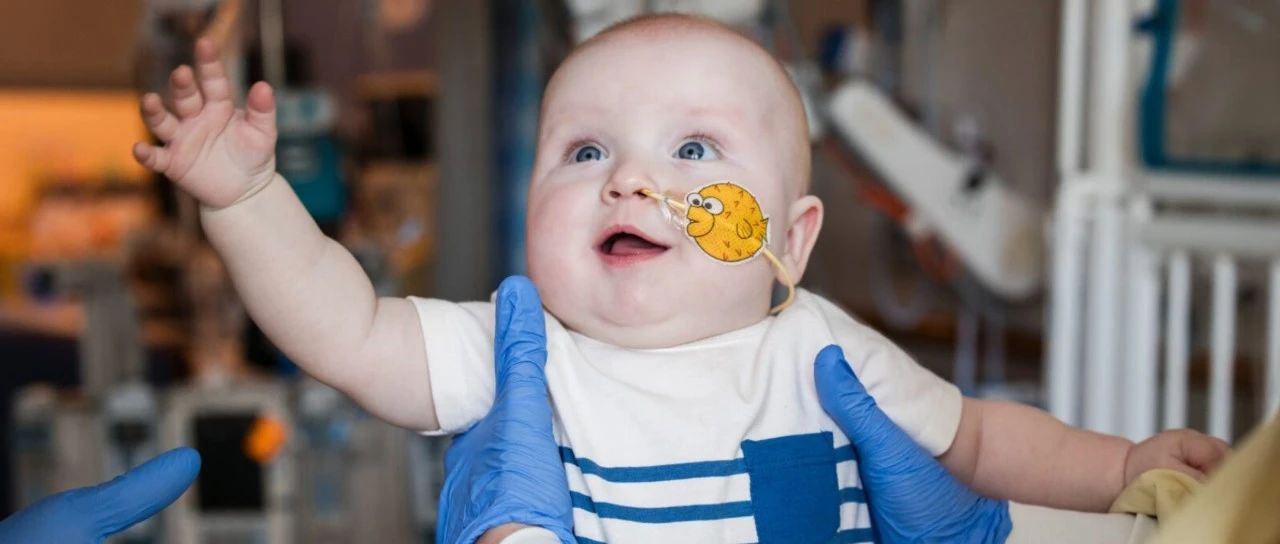
Core Viewpoint - A significant medical breakthrough has been achieved by the research team from the Children's Hospital of Philadelphia and the University of Pennsylvania, marking the first instance of a patient-specific gene editing therapy successfully treating a child with a rare and fatal genetic disease [1][4]. Group 1: Medical Breakthrough - The research titled "Patient-Specific In Vivo Gene Editing to Treat a Rare Genetic Disease" was published in the New England Journal of Medicine on May 15, 2025, detailing the development and treatment process of a customized in vivo base editing therapy [1]. - This success may pave the way for gene editing technology to be applied in treating rare diseases that currently lack medical solutions [1]. Group 2: Patient Case Study - The patient, KJ, was diagnosed with Carbamoyl Phosphate Synthetase 1 (CPS1) deficiency shortly after birth, a rare and severe genetic disorder with an incidence rate of 1 in 1.3 million among newborns [4]. - CPS1 deficiency leads to a toxic accumulation of ammonia in the body due to the lack of necessary enzymes for converting ammonia into urea, resulting in a high early mortality rate of 50% among affected infants [6]. Group 3: Gene Editing Technology - The FDA recently approved the CRISPR-Cas9 based gene editing therapy, Casgevy, for treating two relatively common genetic diseases, sickle cell disease and beta-thalassemia, marking the first FDA-approved gene editing therapy based on CRISPR technology [6]. - Base editing, developed by Professor David Liu, is a next-generation gene editing technology that does not rely on DNA double-strand breaks and can precisely repair pathogenic mutations in the human genome [6]. Group 4: Development Process - The research team quickly identified KJ's specific genetic mutations and initiated the development of a customized base editing therapy, which involved collaboration between academia and industry [7]. - The entire process of development, validation, production, and regulatory approval took only six months, during which KJ was under medical supervision and followed a strict low-protein diet [7]. Group 5: Treatment Outcomes - KJ received the experimental base editing therapy in February 2025, followed by additional doses in March and April, with no severe side effects reported [9]. - Post-treatment, KJ showed significant improvements, including the ability to tolerate more protein intake, a reduction in the required dosage of nitrogen-excreting medication, and recovery from common childhood illnesses without elevated ammonia levels [9]. Group 6: Future Implications - The research team expressed optimism about the initial results and hopes that other patients may experience similar benefits, encouraging further research into rare diseases using this method [10]. - The promise of gene therapy, long anticipated, is now becoming a reality, potentially transforming the approach to medicine [10].
产能环比增加,5月猪价或稳定微涨
Guotou Securities· 2025-05-13 07:34
Investment Rating - The report maintains an investment rating of "Leading the Market - A" for the agricultural sector [6] Core Insights - The agricultural sector is experiencing a slight increase in production capacity, with pig prices expected to stabilize and potentially rise slightly in May [1][19] - The white feather broiler market remains stable, with minor fluctuations in the prices of processed products [2][27] - The planting sector is facing delays in spring sowing due to rainfall, leading to an increase in corn prices [38][40] - The aquaculture sector shows stable prices across various species, indicating potential investment opportunities [41] Summary by Sections 1. Overall Market Review - The agricultural sector increased by 0.99% in the latest trading week, ranking 27th among the primary industries [12] - The sector's performance is compared to the Shanghai and Shenzhen indices, which saw increases of 2.00% and 2.29% respectively [12] 2. Pig Farming - The average price of live pigs is 14.81 CNY/kg, with a week-on-week increase of 0.14% and a two-week decrease of 0.50% [19] - The average daily slaughter volume is 173,400 pigs, reflecting a week-on-week increase of 1.89% [19] - The number of breeding sows has increased by 0.96% month-on-month and 5.21% year-on-year, indicating a slight expansion in production capacity [19] 3. Poultry Farming - The average price of white feather broilers is 7.45 CNY/kg, with a week-on-week decrease of 0.40% [27] - The price of chicken seedlings remains stable, with a slight increase in supply [27] - The market for seed eggs shows significant differentiation, with contract eggs performing well while market eggs face oversupply [27] 4. Planting Sector - The average price of corn is 2,352.45 CNY/ton, reflecting a week-on-week increase of 2.91% [40] - The average price of domestic wheat is 2,426.69 CNY/ton, with a slight increase of 0.16% [40] - The average price of domestic soybeans is 3,881.01 CNY/ton, showing a week-on-week increase of 0.15% [40] 5. Aquaculture Sector - The average price of carp is 18.00 CNY/kg, with no change week-on-week [41] - The average price of grass carp is 19.00 CNY/kg, also stable week-on-week [41] - The average price of shrimp is 280.00 CNY/kg, with no change week-on-week [41]