数字中国

Search documents
从全栈自研到成熟好用:鸿蒙实现极限突围
Mei Ri Jing Ji Xin Wen· 2025-12-22 11:51
Core Viewpoint - In 2025, China's technology industry is undergoing a significant paradigm shift, transitioning from application-level prosperity to the reconstruction of foundational infrastructure, as highlighted by the recent CCTV Hongmeng Starry Night Gala, which marks a new blueprint across various industries [1][3]. Group 1: Development of HarmonyOS - The HarmonyOS ecosystem has achieved significant milestones, with over 35 million terminal devices and more than 350,000 applications and services available, showcasing China's capability in mastering core operating system technologies [3][5]. - HarmonyOS has rapidly developed, with over 100,000 new devices added daily, marking a critical leap from "usable" to "user-friendly" as seen in the launch of the Huawei Mate 80 series [5][14]. - The operating system is positioned as a third choice alongside Android and iOS, establishing a competitive landscape in the global market [5][19]. Group 2: Strategic Importance of HarmonyOS - HarmonyOS represents China's first fully self-developed operating system, providing a secure and controllable digital infrastructure essential for national security and digital sovereignty [6][8]. - The system's development is not just a technological advancement but also a strategic certainty, ensuring sustainable and controllable growth in a complex international environment [8][10]. Group 3: Ecosystem Challenges and Development - Building an ecosystem is a significant challenge for any operating system, as established players dominate the market, making it difficult for new entrants to gain traction [10][11]. - Huawei's ecosystem partners have shown determination and speed in adapting their applications to HarmonyOS, with notable examples including Tencent and Meituan, which have rapidly developed and adapted their software [10][15]. Group 4: Market Performance and Future Outlook - The Huawei Mate 80 series has seen impressive sales, achieving 115% of the previous generation's sales within 15 days of launch, contributing to Huawei's leading market share in China [13][14]. - HarmonyOS is projected to capture approximately 17% of the Chinese smartphone operating system market by Q2 2025, making it the second-largest operating system in the country [19][20]. - The ecosystem is expected to create over 3 million new jobs, with developers in the HarmonyOS ecosystem experiencing a salary increase of 43.1%, surpassing that of Android developers [19][20].

《鸿蒙星光盛典》举行并在央视播出 鸿蒙终端设备日增10万个
Shen Zhen Shang Bao· 2025-12-22 02:31
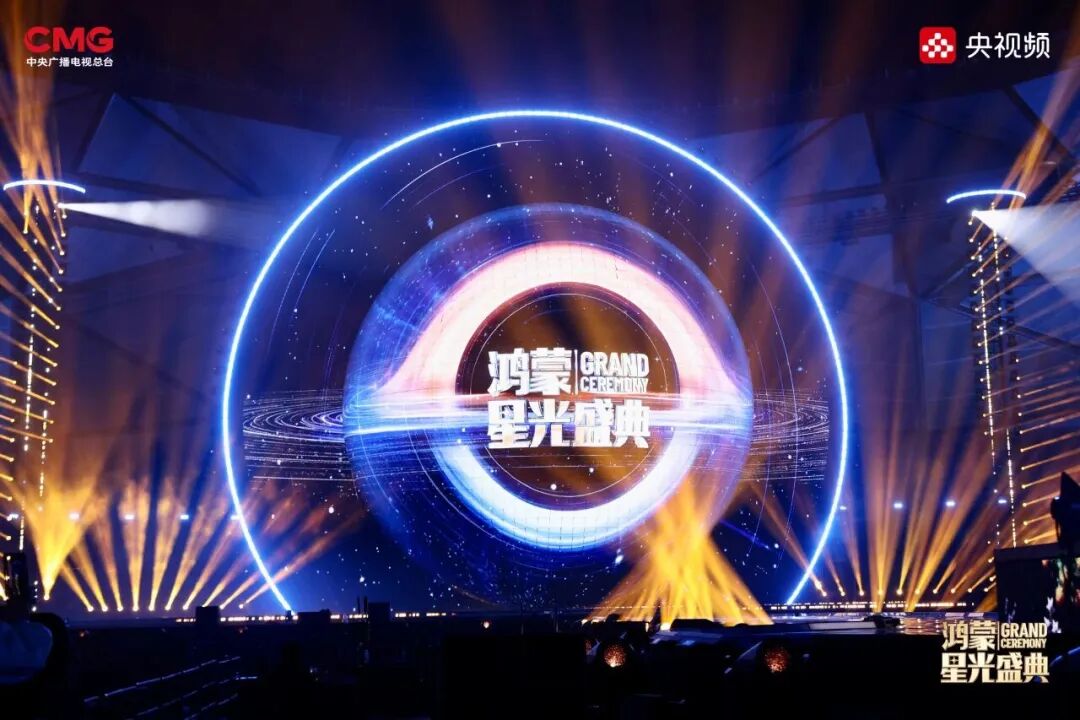
Group 1 - HarmonyOS, developed by Huawei, has evolved from being "usable" to "user-friendly," marking significant progress in its ecosystem [1] - As of November 25, 2023, HarmonyOS devices are increasing by 100,000 daily, with over 27 million terminal devices currently in use [1][2] - The launch of HarmonyOS 6 on October 22, 2025, introduced over 80 application intelligence features and more than 300,000 applications and meta-services, indicating substantial growth in the ecosystem [2] Group 2 - Shenzhen has implemented various policies to support the development of the HarmonyOS ecosystem, aiming to establish itself as a hub for native application software [3] - The city's software business revenue reached 1,163.61 billion yuan in 2023, growing by 15.4%, and accounting for 9.4% of the national total, highlighting its strong software industry foundation [3] - The establishment of the Open Source Harmony Ecosystem Innovation Center in Shenzhen aims to provide public services for software testing, adaptation, promotion, and talent development [3] Group 3 - HarmonyOS has established a "three-legged" competitive landscape alongside Android and iOS, providing users with a third option and supporting digital transformation across various industries [4]
鸿蒙星光盛典圆满落幕:以 “在一起” 之姿,点亮中国科技生态新征程
Xin Lang Cai Jing· 2025-12-22 02:09
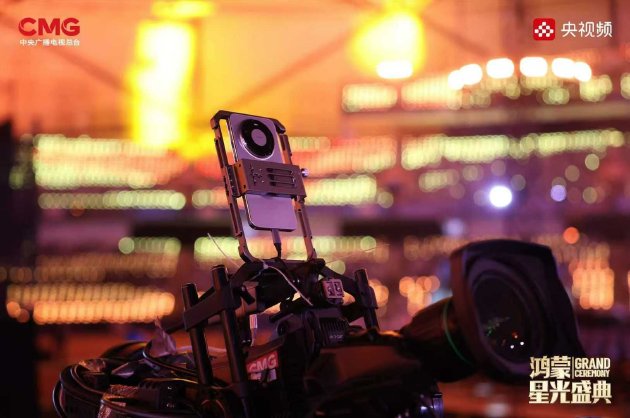
Core Viewpoint - The "Hongmeng Starry Night Festival" marks a significant milestone in the development of China's autonomous operating system ecosystem, showcasing the integration of technology and culture with a theme of "Together, We Can" [2][10]. Group 1: Event Overview - The festival was held on December 20 at the Longgang Universiade Sports Center in Shenzhen, broadcasted across multiple platforms, and attracted over 200 media outlets, achieving a cumulative viewership of over 203 million [2][12]. - The event generated 307 trending topics and surpassed 1.1 billion in reading volume, highlighting its impact and reach [2][12]. Group 2: Technological Integration - The festival featured a visually immersive experience with a central 18-meter "moon" made of 3065 curved screens, complemented by 8 light towers and a 31-meter light ring, creating a "light universe" scene [3][13]. - The Hongmeng ecosystem demonstrated its capabilities with technologies like Star Flash, which supports low-latency multi-camera recording, and Audio Vivid, which provides a cinematic audio experience [3][13]. Group 3: Ecosystem Achievements - The festival announced that by 2025, the Hongmeng ecosystem is expected to surpass 1 billion devices, covering various terminals such as smartphones, automotive systems, and smart screens, with over 8 million registered developers and more than 30,000 applications [5][15]. - The ecosystem has achieved full coverage in key sectors like finance, education, and industry, serving over 38 million enterprises [5][15]. Group 4: Collaborative Innovations - Representatives from major applications like Alipay, Meituan, JD.com, and Xiaohongshu shared their experiences in building with Hongmeng, showcasing practical innovations such as voice features in Gaode Map and real-time weather effects in Hanglv Zongheng [9][17]. - The event featured symbolic items from ecosystem partners, forming the Hongmeng logo, representing the journey from technological exploration to collaborative development [9][17]. Group 5: Future Vision - The festival coincided with the 10th anniversary of the "Digital China" strategy and the conclusion of the 14th Five-Year Plan, serving as a reflection on the progress of the Hongmeng ecosystem and a tribute to China's technological self-reliance [10][18]. - The "Together" philosophy is positioned as a guiding principle for the open-source ecosystem and a core value for collaborative innovation in China's technology landscape [10][18].
人文与科技之约重启,鸿蒙星光盛典今晚开播
Xin Lang Cai Jing· 2025-12-20 11:51
Core Viewpoint - The "Hongmeng Starry Night Gala" is a significant event showcasing the innovation and development of the domestic operating system, Hongmeng, emphasizing China's technological progress and collaborative efforts in the digital era [1] Group 1: Event Details - The gala is scheduled to be broadcasted on December 20 at 19:30, organized by the China Central Radio and Television [1] - Originally planned for November 28, the event was postponed due to a fire incident in Hong Kong, reflecting the program's sensitivity to current events [1] Group 2: Thematic Focus - The theme of the gala is "Together," highlighting the collaborative nature of technological advancements in China, particularly in the context of the Hongmeng operating system [1] - The event symbolizes a tribute to China's journey towards technological self-reliance and a call for shared digital civilization in the future [1] Group 3: Symbolism and Vision - The gala aims to illustrate the collective efforts of various industries and millions of users in the development of the Hongmeng operating system, representing a significant moment of shared achievement [1] - Each element of the gala, from lighting to storytelling, is designed to reflect the vision and ambition behind the creation of the domestic operating system, showcasing China's aspirations in technology [1]
迎接数智红利 不动产行业步入精益运营深水区
Zhong Guo Jing Ying Bao· 2025-12-19 15:02
Core Insights - The Chinese real estate and construction industry is undergoing a profound transformation, shifting from scale expansion to enhancing operational quality and sustainability, driven by the "Digital China" strategy and the new productivity concept [1] - Artificial intelligence (AI) is identified as the core driving force of this transformation, although the integration of AI with business scenarios and the sustainable path for value creation remain areas for exploration [1][3] - The KPMG report highlights a dual perspective of a "clear future" and a "blurred present," indicating a consensus on the direction of smart technology, while the pace of technological breakthroughs outstrips the evolution of organizational and data foundations [2][3] Industry Transformation - The past five years have represented a microcosm of the real estate industry's shift from development to operation, from backend to frontend, and from self-research to ecosystem collaboration [2] - The importance of asset lean operation has increased as the market transitions from growth to stock, with technology departments becoming key links in addressing various demands through digital intelligence [2] - The 2025 KPMG "New Intelligence Practice" case selection exemplifies the embodiment of "new productivity" in AI-enabled high-quality industry development [2] Challenges and Opportunities - The industry faces a paradox of "clear future" trends and "blurred" realities, with a pressing need for AI to support future operations amid increasing competition and the challenges of transitioning from traditional models to AI-driven forms [3] - Many companies are still in the early stages of AI application, primarily focused on data collection and information integration, with decision-making heavily reliant on experienced teams [3] - The shift from "information advantage" to "model advantage" in asset management presents a challenge in balancing short-term returns with long-term capability building [3] New Competitive Landscape - Companies are adjusting strategies to navigate revenue pressures during industry downturns, including serving state-owned enterprises and expanding into new infrastructure sectors [4] - The new core competitive advantages are identified as data assets, algorithm capabilities, and organizational agility, applicable to both tech companies and traditional developers [4] - Ecosystem collaboration and co-creation have become mainstream, with tech firms that provide leading solutions and can customize standardized products being favored by partners [4] Path Forward - Key breakthroughs are seen in internal organizational awareness and strategic alignment, with a clear roadmap for encouraging innovation and developing AI product managers [5] - The focus of digitalization is shifting from construction processes to ongoing data operations of completed assets, necessitating timely and accurate operational information for risk management and business decisions [5][6] - The development of the REITs market requires a better understanding of financial tools and lifecycle value management in asset management transformation [6] Talent Development and Global Expansion - The scarcity of talent that combines business acumen with technical expertise is recognized as a bottleneck, with companies increasingly using project-based practices to stimulate internal talent development [7] - The global competitiveness of domestic solutions is improving, with more companies actively expanding overseas, although challenges related to local regulations and industry practices remain [7] - The narrative of AI empowering real estate emphasizes the need for strategic patience and systematic self-reconstruction through iterative practices [7][8]
万隆光电重组预案出炉,优质资产注入共启数智新篇
Zheng Quan Shi Bao Wang· 2025-12-18 14:29
Core Viewpoint - Wanlong Optoelectronics plans to acquire 100% of Zhongkong Information through a combination of share issuance and cash payment, aiming to enhance its asset structure and overall quality by entering the infrastructure digitalization sector [2][5] Group 1: Acquisition Details - The acquisition involves 17 counterparties, including Huige Partnership, Zhengtai Electric, and others, with the final transaction price to be determined based on audit and evaluation results [2] - The transaction does not constitute a restructuring listing, and the actual controller of Wanlong Optoelectronics will remain Fu Xiaotong post-transaction [2] Group 2: Zhongkong Information Overview - Zhongkong Information, established in 1999, is a leading provider of infrastructure digitalization solutions in China, focusing on smart city system integration and hardware-software product development [3] - The company has developed a dual business model combining core self-researched hardware and software with scenario-based solutions, achieving significant projects across over 100 cities [3][4] Group 3: Financial Performance - Zhongkong Information's projected revenue for 2024 is approximately 2.64 billion yuan, with a net asset value of about 1.88 billion yuan, significantly outperforming Wanlong Optoelectronics' metrics [5] - The net cash flow from operating activities for Zhongkong Information is expected to be 209 million yuan in 2023 and 62.55 million yuan in 2024, indicating strong cash flow performance [5] Group 4: Strategic Implications - The acquisition is expected to create a new business segment in infrastructure digitalization for Wanlong Optoelectronics, aligning with national strategies like Digital China and AI+ [5] - The collaboration between Wanlong Optoelectronics and Zhongkong Information is anticipated to yield synergistic effects, enhancing brand influence and accelerating the commercialization of new technologies [6]


国资委主任张玉卓最新调研:要强化改革先导、精益管理,确保国有企业改革深化提升行动圆满收官
Xin Lang Cai Jing· 2025-12-18 14:24
Core Viewpoint - The emphasis is on transforming China Tower into a world-class enterprise to better support the construction of a strong digital nation and network power [4][14]. Group 1: Strategic Goals and Development - The company is urged to integrate the spirit of the 20th National Congress of the Communist Party with the implementation of key directives from President Xi Jinping, focusing on high-quality development and innovation [5][14]. - There is a call for enhancing core functions and competitiveness while promoting resource sharing and optimizing the layout of communication infrastructure [5][14]. Group 2: Technological and Operational Advancements - China Tower is advancing its services through the integration of "5G+AI+Big Data," transitioning from traditional communication towers to digital towers, thereby enhancing its value and supporting various industries [6][15]. - The company is encouraged to strengthen technological and industrial innovation, develop a differentiated competitive business system, and cultivate emerging pillar industries [6][15]. Group 3: Governance and Management - The need for deepening reforms and improving management efficiency is highlighted, aiming for a more flexible and effective market-oriented governance structure [7][16]. - Emphasis is placed on integrating party leadership with business operations, focusing on integrity and anti-corruption to ensure high-quality development [8][16].


创新“深”态丨南网数字创业板敲钟上市 引领电力数字化转型新征程
Zheng Quan Shi Bao Wang· 2025-12-18 08:28
Core Viewpoint - The power energy industry is accelerating its transformation towards digitalization, intelligence, and greenness, with technological innovation as the core engine driving this change [1]. Group 1: Company Overview - Nanfang Power Digital has successfully listed on the Growth Enterprise Market, marking its entry into the capital market as a leading enterprise in the digitalization of the power energy sector [1]. - As a core platform under the Southern Power Grid, Nanfang Power Digital aims to build a world-class digital and intelligent innovation platform for the power grid [2][3]. - The company has developed three major business systems: digitalization of the power grid, enterprise digitalization, and digital infrastructure, driven by AI and integrated hardware and software [4][3]. Group 2: Market Potential - The digitalization market for China's power energy sector is projected to reach 315 billion yuan in 2024, with a year-on-year growth of approximately 14.55%, and is expected to grow to 370 billion yuan in 2025, with a growth rate of 17.46% [2]. - The average annual compound growth rate from 2020 to 2025 is estimated at 10.86%, indicating a significant growth trend in the digital grid industry [2]. Group 3: Financial Performance - In 2024, Nanfang Power Digital achieved a revenue of 6.09 billion yuan and a net profit of 574 million yuan [3]. - For the first nine months of 2025, the company reported a net profit attributable to shareholders of 158 million yuan, representing a year-on-year increase of 464.76% [3]. Group 4: Technological Innovation - Nanfang Power Digital has participated in the formulation of 82 standards, including 11 international standards and 33 national standards, showcasing its industry leadership [4]. - The company has developed key technologies such as the first unified IoT operating system for power, the "Fuxi" dedicated control chip, and the world's first quantum current sensor for ultra-high voltage direct current [5][4]. Group 5: Future Development - The listing on the Growth Enterprise Market is seen as a new starting point for Nanfang Power Digital, with plans to raise 2.638 billion yuan for projects focused on digital twin platforms, intelligent sensing systems, and advanced AI applications [6]. - The company aims to enhance its core competitiveness and sustainable development capabilities, aligning with national strategies for digitalization and energy security [6][7].
中国移动:适度超前、集约高效建强新型信息基础设施底座
Zheng Quan Ri Bao Wang· 2025-12-17 06:03
Group 1 - The meeting emphasized the importance of the Central Economic Work Conference as a key event at a historical juncture, summarizing major achievements during the 14th Five-Year Plan and outlining the overall requirements and policy directions for the upcoming year [1] - The company is committed to aligning its actions with the central government's scientific judgments and decisions regarding the economic situation, focusing on steady progress, quality improvement, and effective growth [1][2] - The company aims to strengthen its core business and contribute to building a strong network and digital China [1] Group 2 - The company plans to advance the construction of new information infrastructure, promote scenario cultivation, and enhance application services to unlock growth potential [2] - The company will implement state-owned enterprise reform requirements and optimize its organizational structure in key areas [2] - The company is focused on enhancing its capabilities for high-quality development, including strengthening safety measures in emerging fields such as networks, data, and artificial intelligence [2]

数字中国十载潮涌,神州加“数”奔腾
Xin Hua Wang· 2025-12-17 01:25
Group 1 - The core idea of the article highlights the significant progress made in the construction of Digital China over the past decade, emphasizing the integration of digital technology into various sectors and its impact on economic development [1][4] - The value added by the core industries of the digital economy has increased from 6.8% of GDP in 2015 to 10.4% in 2024, demonstrating the strong momentum for high-quality economic growth [1] - The total number of 5G base stations in China is projected to reach 4.705 million by September 2025, supporting the digital lives of 1.123 billion internet users [1] Group 2 - The computing power scale in China has seen an average growth rate of approximately 30% over the past five years, with a projected total computing power of 280 EFLOPS by the end of 2024, placing it among the top globally [3] - The digital transformation in the manufacturing sector has led to the establishment of over 35,000 basic-level and more than 7,000 advanced-level smart factories, resulting in significant improvements in product development cycles, production efficiency, and reductions in defect rates and carbon emissions [3] - The rural e-commerce retail sales are expected to reach 2.56 trillion yuan in 2024, an increase of 770 billion yuan compared to 2020, indicating the revitalization of the agricultural sector through digital innovation [3] Group 3 - The digital upgrade in the public welfare sector has positively impacted over 600 million people through cross-province medical settlement services, and remote medical services now cover all cities and counties [4] - China has become the largest holder of artificial intelligence patents globally, accounting for 60% of the total, showcasing its strong technological capabilities in AI [4] - The construction of Digital China has evolved from concept to practice, extending from urban areas to rural regions, contributing to global digital transformation with Chinese wisdom [4]