
绿色低碳转型

Search documents
Sue's TALK | 中国首届“碳中和”全运会有多“省”
2 1 Shi Ji Jing Ji Bao Dao· 2025-11-08 16:02
中华人民共和国第十五届运动会(以下简称"十五运会")将于2025年11月9日至21日在广东、香港、澳 门举行。本届全运会从场馆建设与运营、能源保障等各环节采取减碳措施,将打造历史上首届"碳中 和"全运会。这一创举背后,体现了怎样的国家战略考量? 十五运会的绿色实践,其意义远超赛事本身。赛后各场馆将转型为公共健身空间,确保场馆的长期利用 率,避免"赛后人去楼空"的资源浪费。这种全生命周期管理思维,为"十五五"时期大型公共设施的可持 续运营提供了宝贵经验。 《中华人民共和国国民经济和社会发展第十四个五年规划和2035年远景目标纲要》明确提出,要加快发 展方式绿色转型,坚持生态优先、绿色发展,推进资源总量管理、科学配置、全面节约、循环利用,协 同推进经济高质量发展和生态环境高水平保护。在此期间,我国绿色低碳转型步伐加快,生态环境质量 持续改善;《中共中央关于制定国民经济和社会发展第十五个五年规划的建议》则提出,以碳达峰碳中 和为牵引,协同推进降碳、减污、扩绿、增长。十五运会正是这一战略衔接的生动体现——通过系统化 践行"绿色、共享、开放、廉洁"的办赛理念和"简约、安全、精彩"的办赛要求,将国家层面的绿色发展 方针转 ...
新征程·新蓝图|加快建设新型能源体系 推动绿色转型发展
Xin Hua She· 2025-11-08 09:03
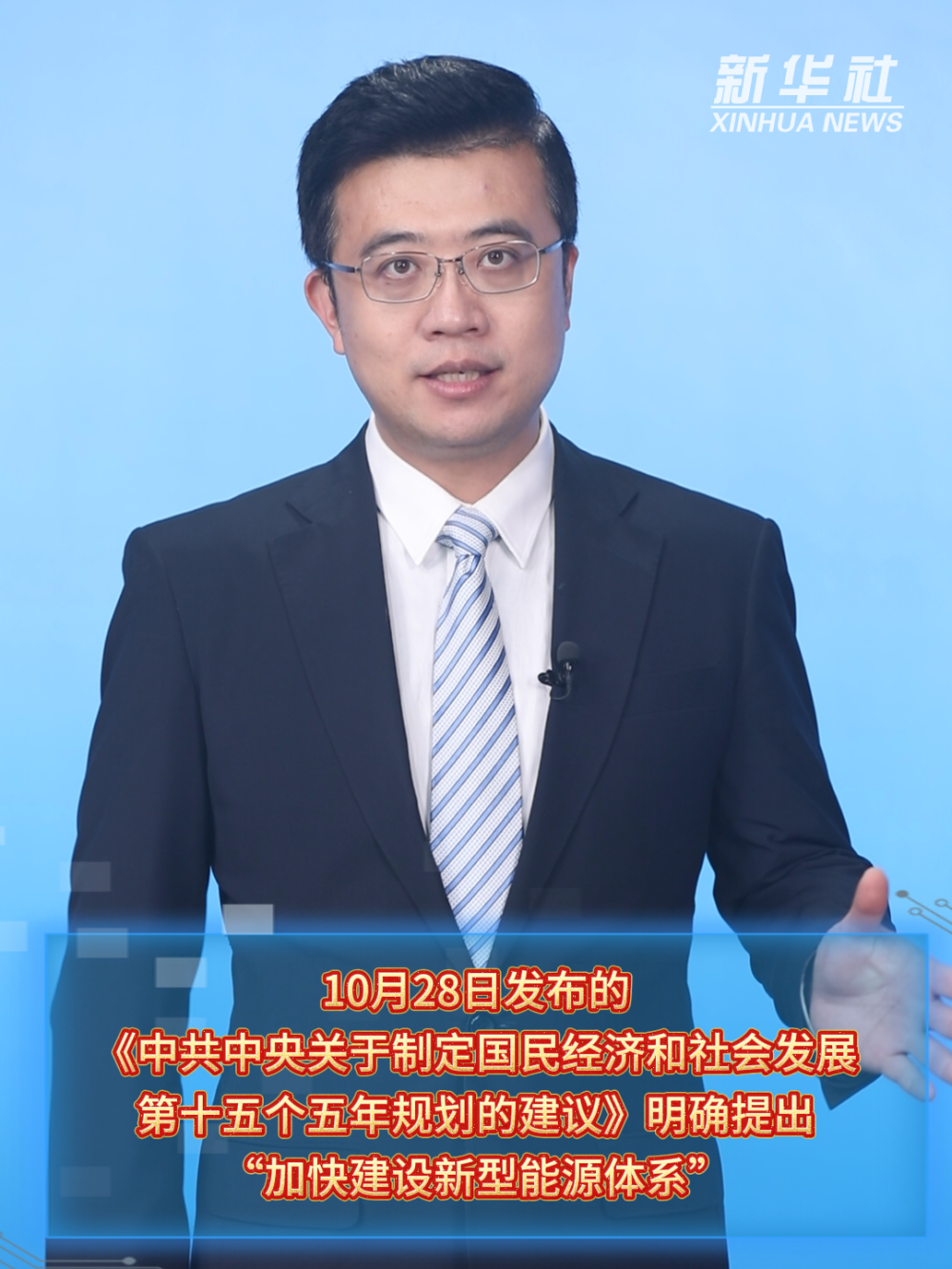
《建议》提出,持续提高新能源供给比重,推进化石能源安全可靠有序替代,着力构建新型电力系统,建设能源强国。 Harry 2 4 题华盛 JI TE NEW P t 1 声音来源: 声音来源: 中国华电集团有 副总工程师 李丁 华北电力大学国家能源发展战略研究院 执行院长 王鹏 不断增强对绿色电力保供 能源消费将更加绿色化低碳化 Supply in the same 0:00 10月28日发布的《中共中央关于制定国民经济和社会发展第十五个五年规划的建议》明确提出,"加快建设新型能源体系"。新型能源体系以非 化石能源为供应主体、化石能源为兜底保障、新型电力系统为关键支撑、绿色智慧节约为用能导向。加快建设新型能源体系,既能够推动能源 绿色低碳转型、支撑实现碳达峰碳中和,也是保障国家能源安全的重要支撑。 新华 社 XINHUA NEWS 10月28日发布的 《中共中央关于制定国民经济和社会发展 第十五个五年规划的建议》明确提出 "加快建设新型能源体系" 冠军 前 XINHUA NEWS 新型能源体系 以有影看能源为供应套体 化有能源为兜底保障 新型电力系统为关键支撑 缘色智慧节约为用能导向 加快建设新型能源体系 既能够 ...

【环球财经】中国代表团:支持联合国气候变化贝伦大会取得成功
Xin Hua She· 2025-11-08 05:50
Core Points - The upcoming COP30 in Belém, Brazil, aims to promote global green and low-carbon transformation, with China expressing support for Brazil's presidency [1][2] - China has submitted its 2035 Nationally Determined Contribution (NDC) targets, aligning with the Paris Agreement and reflecting significant ambition [1] - The NDC targets include a historic expansion to encompass all greenhouse gases and set absolute reduction goals, showcasing China's commitment [1][2] Group 1 - China's 2035 NDC targets aim for a reduction of 7% to 10% in greenhouse gas emissions, translating to an absolute reduction of 1 to 1.5 billion tons, which is significantly higher than the reductions seen in developed countries [1] - The ambitious renewable energy goal includes achieving over six times the installed capacity of wind and solar power by 2035, targeting 3.6 billion kilowatts [2] - The realization of these targets requires substantial domestic efforts from China and a favorable international environment, emphasizing the need for practical cooperation [2]
国务院新闻办公室发布《碳达峰碳中和的中国行动》白皮书
中国能源报· 2025-11-08 02:23
Core Viewpoint - The white paper titled "China's Actions on Carbon Peaking and Carbon Neutrality" emphasizes China's commitment to achieving carbon peaking and carbon neutrality as a significant decision based on sustainable development and responsibility towards human civilization [4]. Group 1: Commitment to Carbon Neutrality - China has firmly established and practiced the concept that "lucid waters and lush mountains are invaluable assets," taking strong actions and making arduous efforts to promote a historical green and low-carbon transformation over the past five years [4]. - The white paper outlines that energy activities are the primary source of carbon emissions, and the green and low-carbon transformation of energy is crucial for achieving carbon peaking and carbon neutrality [4]. Group 2: Achievements in Energy Transition - Significant achievements have been made in the green and low-carbon transformation of energy, with a focus on renewable energy replacement and the construction of a new energy system and power grid to support the "dual carbon" goals [4]. - Energy conservation is highlighted as an important measure to reduce carbon emissions from the source, while circular economy practices and ecosystem carbon sinks are recognized as vital pathways for carbon reduction [4]. Group 3: Global Cooperation and Climate Governance - The white paper stresses that climate change is a common challenge for humanity, requiring broad global participation and collective action [5]. - China is committed to upholding multilateralism and promoting international cooperation, aiming to lead a new pattern of global climate governance with its own concepts and practices [5].

碳达峰碳中和的中国行动白皮书丨国务院新闻办公室发布《碳达峰碳中和的中国行动》白皮书
Xin Hua She· 2025-11-08 02:10
Core Viewpoint - The white paper emphasizes China's commitment to achieving carbon peak and carbon neutrality as a significant decision for sustainable development, highlighting historical achievements in green and low-carbon transformation over the past five years [1][2]. Group 1: Carbon Peak and Neutrality Goals - The white paper outlines the importance of achieving carbon peak and carbon neutrality, positioning it as a responsibility towards human civilization and sustainable development [1]. - It states that energy activities are the primary source of carbon emissions, making the green and low-carbon transition in energy a key factor in achieving these goals [1]. Group 2: Energy Transition and Achievements - China is implementing renewable energy alternatives and advancing the construction of a new energy system and power grid to support the "dual carbon" goals while ensuring energy security [1]. - Significant progress has been made in energy green and low-carbon transformation, with the implementation of energy-saving and carbon reduction actions [2]. Group 3: Global Cooperation and Climate Action - The white paper stresses that climate change is a common challenge requiring global participation and cooperation, with China advocating for multilateralism and international collaboration [2]. - China expresses willingness to work with the international community to build an ecological civilization and tackle global climate challenges together [2].
在贝伦气候峰会上的发言 (2025年11月6日,巴西贝伦)
Xin Hua She· 2025-11-07 22:43
Core Points - The article emphasizes the importance of global climate governance and China's commitment to achieving its 2030 Nationally Determined Contributions (NDCs) ahead of schedule, particularly in wind and solar power capacity and forest carbon stock [1][2] - It highlights the recent announcement by President Xi Jinping regarding China's 2035 NDCs, which includes absolute reduction targets for all greenhouse gases, showcasing China's determination to combat climate change [1] - The article outlines three key suggestions for global climate action: maintaining the right direction for green low-carbon transformation, implementing climate actions based on common but differentiated responsibilities, and enhancing international cooperation for green technology and trade [2][3] Summary by Sections - **Global Climate Governance**: The article discusses the significance of the Belem Climate Summit and China's role in promoting global climate governance, particularly as it marks the 10th anniversary of the Paris Agreement [1] - **China's Climate Commitments**: It details China's achievements in meeting its NDCs and the recent commitments made by President Xi Jinping, which include comprehensive measures for carbon peak and neutrality [1] - **Suggestions for Climate Action**: The article presents three main suggestions: 1. Emphasizing the need for a balanced approach to environmental protection, economic development, and poverty alleviation [2] 2. Urging the implementation of climate actions and responsibilities, particularly for developed nations to fulfill their commitments [2] 3. Advocating for enhanced international cooperation to facilitate the green low-carbon transition and ensure the free flow of quality green products [2][3]
2025可持续全球领导者大会江苏专场、第二届国联投资人大会举办 生态圈扩大产业圈 “含绿量”拉动“含金量”
Zhong Guo Zheng Quan Bao· 2025-11-07 22:26
Core Insights - The event showcased the sustainable development achievements of Jiangsu and Wuxi, emphasizing collaboration among financial institutions, industry leaders, investors, and experts in the field of sustainability [1] - The conference served as a platform to deepen cooperation between Wuxi and domestic and international investors, with the launch of the Guolian Group Ecological Alliance and multiple project signings [1] Investment and Economic Development - Wuxi has attracted 394 investment projects with a total investment scale of 62 billion yuan, focusing on sectors such as biomedicine, integrated circuits, advanced manufacturing, carbon neutrality, and artificial intelligence [2] - The city has established 89 new funds with a total scale of 34.2 billion yuan, successfully attracting 28 projects with an investment scale of 17.8 billion yuan [2] - Wuxi's industrial foundation includes seven industrial clusters with revenues exceeding 200 billion yuan, five of which are national-level advanced manufacturing clusters [2] Capital Market and Investment Environment - Wuxi has over 120 listed companies on the A-share market and a total scale of private equity funds reaching 85 billion USD, ranking among the top ten in China for equity investment activity [2] - The city is enhancing its multi-layered capital market service system and fostering a diversified venture capital development environment [2] Global Trade and Investment Climate - Wuxi's trade partners span 220 countries and regions, with over 7,200 foreign-funded enterprises and 118 Fortune 500 companies investing in the city [3] - The city has implemented ten measures to facilitate the entry of foreign nationals, including a 240-hour visa-free transit policy at the airport [3] Collaborative Ecosystem - The Guolian Group Ecological Alliance, which includes top global companies and institutions, aims to create a collaborative ecosystem driven by capital, industry synergy, and service empowerment [4] - The alliance is expected to inject strong momentum into Wuxi's future innovation and development [4] Focus on Sustainable Development - The conference emphasized the importance of building a cooperative ecosystem focused on new investments, green initiatives, and digital upgrades to foster sustainable high-quality development [5] - The Guolian Group plays a crucial role in linking various parties in Wuxi's industrial transformation and upgrading process [6] Guolian Group's Achievements - Guolian Group has developed into a local state-owned enterprise with total assets exceeding 330 billion yuan, managing financial assets totaling 2.2 trillion yuan and a fund scale surpassing 280 billion yuan [7] - The group aims to enhance its financial services, strengthen its industrial operations, and deepen its investment strategies to become a leading comprehensive local state-owned enterprise in China [7]
以开放姿态把握发展“鲜”机
Ren Min Ri Bao· 2025-11-07 22:00
Core Insights - The article highlights the significant presence and achievements of Yili Group at the 8th China International Import Expo, showcasing its innovative products and global expansion efforts [1][2]. Group 1: Product and Market Expansion - Yili Group's booth attracted many visitors, offering samples of popular products like yogurt and butter beer, which are made from ingredients sourced from its Oceania dairy operations [1]. - The company has established an integrated dairy production base in New Zealand since 2014, which includes research, production, deep processing, and packaging, allowing it to export products to over 60 countries and regions [1]. - Yili's overseas business has seen continuous breakthroughs, including the acquisition of New Zealand's second-largest dairy company, Westland, in 2019, and subsequent upgrades to its facilities [1]. Group 2: Technological Advancements - Yili has developed 81 advanced automated production bases globally, with a notable example being its liquid milk production base that processes 6,500 tons of fresh milk daily and has a filling line capable of packaging 40,000 bags per hour [1]. - The company has established 15 innovation centers worldwide, including a national dairy technology innovation center in Inner Mongolia, which collaborates with over 150 industry enterprises, universities, and research institutions [1]. Group 3: Sustainability Initiatives - Yili actively practices social responsibility by implementing advanced thermal recovery technologies in its global production bases, effectively reducing carbon emissions by nearly 42,000 tons annually [2]. - At the expo, Yili collaborated with global partners to create the industry's first "Sustainable Development Supply Chain Global Network," focusing on environmentally friendly packaging materials and carbon footprint management [2]. - The design of Yili's booth symbolizes its commitment to growth and resilience, with plans to enhance global industrial collaboration and provide high-quality products and services to consumers [2].

生态圈扩大产业圈 “含绿量”拉动“含金量”
Zhong Guo Zheng Quan Bao· 2025-11-07 20:11
Core Insights - The event showcased the sustainable development achievements of Jiangsu and Wuxi, emphasizing collaboration among financial institutions, industry leaders, investors, and experts in the field of sustainability [1] - The conference served as a platform to deepen cooperation between Wuxi and domestic and international investors, with the launch of the Guolian Group Ecological Alliance and multiple project signings [1] Investment and Economic Data - A total of 394 investment projects were announced, with a total investment scale of 62 billion yuan, focusing on sectors such as biomedicine, integrated circuits, advanced manufacturing, carbon neutrality, and artificial intelligence [2] - New funds established during the conference totaled 34.2 billion yuan, attracting 28 projects to Wuxi with an investment scale of 17.8 billion yuan [2] - Wuxi has seven industrial clusters with revenues exceeding 200 billion yuan, including five national-level advanced manufacturing clusters, and over 7,300 high-tech enterprises [2] Infrastructure and Ecosystem - Wuxi's industrial investment map was released, highlighting key industrial areas such as Liangxi urban industry, Binhu biomedicine, Xinwu integrated circuits, and Xishan new energy [2] - The city has over 120 A-share listed companies and a total private equity fund scale of 85 billion USD, ranking among the top ten in China for equity investment activity [2] - The Guolian Group has become a key player in Wuxi's industrial transformation, with total assets exceeding 330 billion yuan and managing financial assets totaling 2.2 trillion yuan [5] Collaborative Initiatives - The Guolian Group Ecological Alliance was launched to create a collaborative ecosystem driven by capital, industry synergy, and service empowerment [4] - Global top enterprises and institutions are already collaborating with Wuxi in various cutting-edge industrial fields, with a focus on green low-carbon economic development [4] - The conference aimed to foster a cooperative ecosystem focusing on new investments, green initiatives, and digital upgrades to contribute to sustainable high-quality development [4]
原国家质检总局总工程师刘兆彬:以创新对冲绿色溢价,建言社会共治、共担、共享
Mei Ri Jing Ji Xin Wen· 2025-11-07 15:57
Core Viewpoint - The main challenge in advancing ESG and green low-carbon transformation globally and in China is the "green premium," which refers to the additional costs incurred. Innovation is essential to offset the short-term cost pressures associated with ESG practices [1][2]. Group 1: ESG Costs and Innovations - The costs associated with ESG initiatives include carbon emissions, carbon footprint, energy conservation, and emissions reduction data detection costs, as well as costs for updating production equipment, management, research and development, and compliance. These costs also encompass time, material, and transaction costs [1]. - To achieve sustainable high-quality development, it is crucial to find the optimal balance between costs and benefits in ESG and green low-carbon transformation [1]. - Innovations can drive green development in several areas, including product and category innovation, equipment and facility innovation, process and material innovation, production method innovation, and organizational, institutional, and procedural innovation [1]. Group 2: Cost Classification and Social Responsibility - ESG-related costs can be categorized into rigid costs and flexible costs. Rigid costs arise from legal regulations that set baseline requirements for high-emission, high-pollution, and high-waste enterprises. Flexible costs occur when companies exceed the minimum standards and strive for higher benchmarks, generating positive externalities and social spillover effects beneficial to society [1]. - The responsibility for these flexible costs should not rest solely on companies, as the benefits of ecological and social efficiency are shared across society [2]. Group 3: Policy Recommendations - It is essential to establish an incentive mechanism for ESG and green low-carbon initiatives, involving the entire society in cost-sharing and governance. This includes developing policies, regulations, mechanisms, and systems in areas such as finance, taxation, trade, bidding, and the business environment to support companies that actively promote ESG and social responsibility [2].