
大数据

Search documents
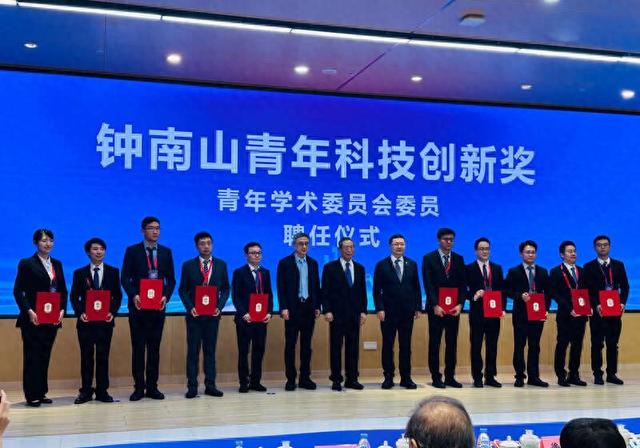
第四届钟南山青年科技创新奖发布
Xin Lang Cai Jing· 2025-12-28 15:19
Group 1 - The Fourth Zhong Nanshan Youth Science and Technology Innovation Award was held in Guangzhou, recognizing ten outstanding young scientists in the fields of medicine and life sciences [1] - The award aims to promote the spirit of scientific innovation and encourage young scientists to contribute to national development and modernization [2][5] - The event included the announcement of the award winners, the establishment of an academic cooperation platform, and the launch of various activities such as the "Technology Light" youth lecture series and academic seminars [7][9] Group 2 - Xu Xiao emphasized the importance of the award in cultivating youth role models in science and technology, aligning with the call for building a strong technological nation [2] - Zhong Nanshan encouraged young scientists to focus their research on national needs and to embrace interdisciplinary collaboration, particularly in areas like big data and artificial intelligence [5] - The event was attended by nearly 300 participants, including representatives from various scientific and educational organizations, highlighting the collaborative effort in promoting youth innovation [9]

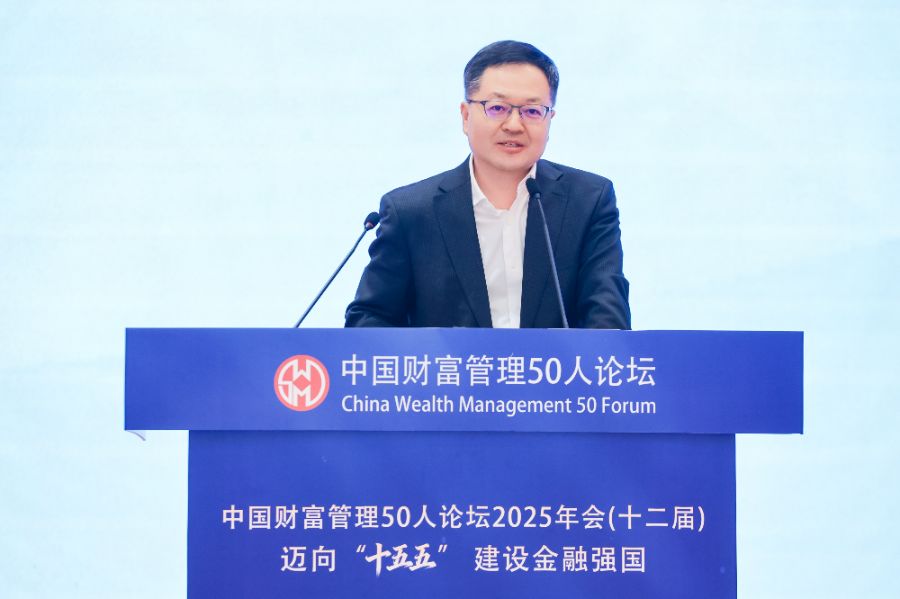
建信理财齐建功:行业机遇大于挑战,要从“卖产品”转向做服务
2 1 Shi Ji Jing Ji Bao Dao· 2025-12-28 09:38
Core Insights - The wealth management industry is expected to exceed 33 trillion yuan, highlighting the challenge of balancing low interest rates with high client expectations and the opportunity presented by the historical transfer of household wealth [1] Group 1: Industry Challenges - Wealth management companies face a dilemma as clients, primarily individual investors with low to moderate risk tolerance, have high expectations for product safety, liquidity, and returns [1] - The low interest rate environment and "asset scarcity" make it challenging to continuously offer attractive products, necessitating improvements in investment research capabilities in equity and commodity sectors [1] Group 2: Opportunities in the Industry - Three major opportunities are emerging: the "golden window" for the transfer of household deposits and corporate funds to the wealth management market, the trend of social financing structure shifting towards direct financing, and the broad business scope and diverse investment types available to wealth management companies [3] - Technological and digital advancements are expected to further expand the industry ecosystem and inject new momentum into capital allocation [3] Group 3: Strategic Directions for Wealth Management Companies - Companies should focus on customer-centric approaches, enhancing service levels by shifting from a "what we have, we sell" model to a "what customers need, we create" model [3] - Wealth management firms are encouraged to diversify their product offerings, particularly by increasing the supply of medium to long-term products, including those targeting retirement planning, and optimizing the risk profile across various product categories [3][4] Group 4: Enhancing Research and Asset Allocation - Improving investment research capabilities is essential, including enhancing macroeconomic and market analysis, strengthening sector and regional research coverage, and integrating research efforts into a unified platform [4] - Companies should expand multi-asset strategies and enhance asset allocation capabilities, leveraging a diverse range of investment tools to achieve long-term stable returns for clients [4] Group 5: Embracing Technology - There is a strong emphasis on leveraging technology to create intelligent asset management systems, incorporating AI and big data into customer service, investment decision-making, product operations, and risk management [5]
数览中国脉动|科技赋能!“汗水农业”向“智慧农业”加速迈进
Xin Lang Cai Jing· 2025-12-28 06:02
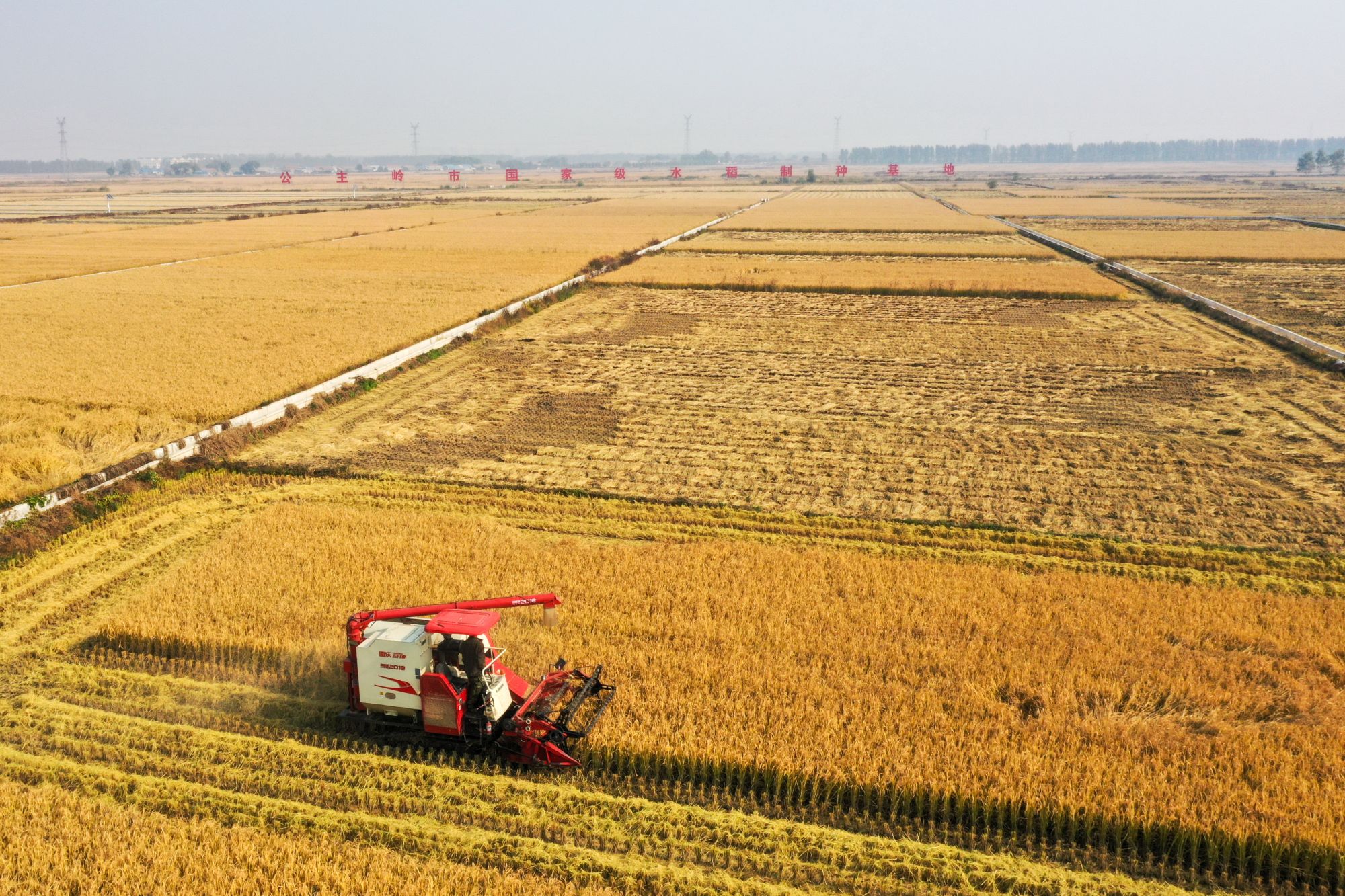
Group 1 - The core viewpoint emphasizes the importance of agricultural mechanization and intelligence as crucial supports for agricultural modernization [1] - China is accelerating the development of new agricultural productivity, leveraging technology to empower the entire chain of grain production, storage, and processing, transitioning from "labor-intensive agriculture" to "smart agriculture" [2] - Current data indicates that China has over 200 million agricultural machinery units, with over 2.2 million units of Beidou terminal equipment, total agricultural power exceeding 1.1 billion kilowatts, and a mechanization rate of over 75% [3] Group 2 - The application of advanced technologies such as AI, IoT, and big data in agriculture is increasing, reflecting the growth of the digital economy [6] - Significant achievements have been made in reducing food waste during processing, with the grain processing loss rate reduced to 0.8% and transportation loss rate to 0.08% [8] - Since the 14th Five-Year Plan, China's agricultural technology innovation has reached a leading position globally, with substantial improvements in the overall effectiveness of the agricultural technology innovation system and rapid breakthroughs in key core technologies [9]

科技赋能!“汗水农业”向“智慧农业”加速迈进
Xin Hua She· 2025-12-28 03:08
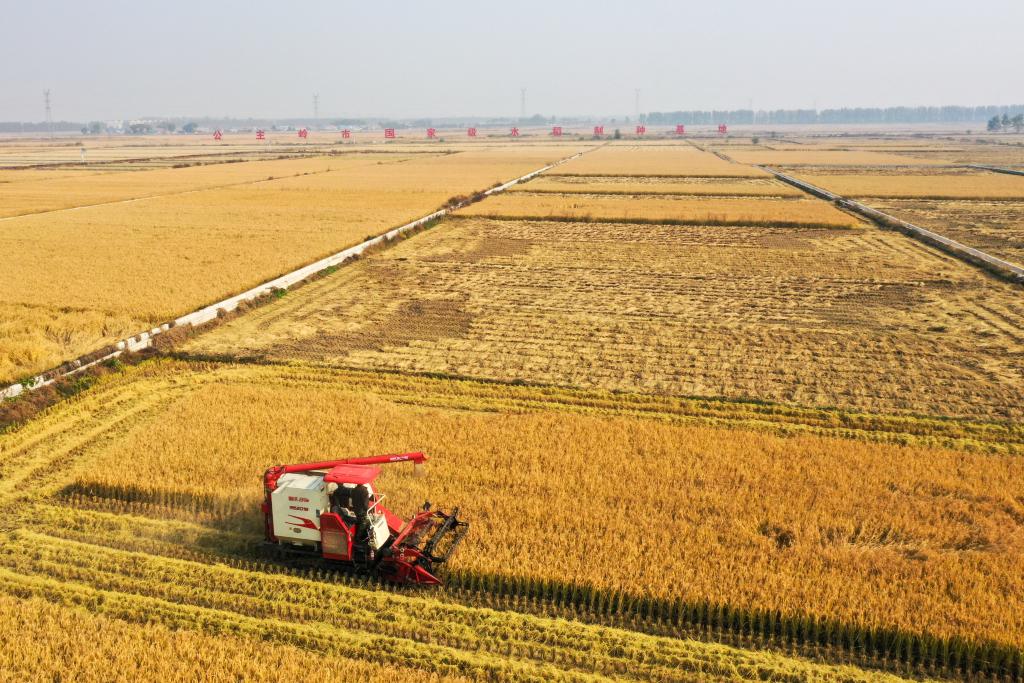
Group 1 - The core viewpoint emphasizes the importance of agricultural mechanization and intelligence as crucial support for agricultural modernization, with a focus on developing new productive forces in agriculture through technology [1] - The current agricultural machinery ownership in China exceeds 200 million units, with over 2.2 million units of Beidou terminal devices applied, total agricultural power exceeding 11 billion kilowatts, and a mechanization rate of over 75% [2] - The application of advanced technologies such as AI, IoT, and big data is increasingly prevalent in the agricultural sector, contributing to the transformation towards "smart agriculture" [4] Group 2 - Significant achievements have been made in reducing food waste during processing, with the grain processing loss rate reduced to 0.8% and transportation loss rate to 0.8‰ [6] - Since the 14th Five-Year Plan, China's agricultural technology innovation has reached a leading position globally, with substantial improvements in the overall effectiveness of the agricultural technology innovation system and rapid breakthroughs in key core technologies [8]
服务消费温暖三餐四季
Jing Ji Ri Bao· 2025-12-27 22:04
Core Insights - The article highlights a clear trend in consumer behavior towards experience-oriented service consumption, indicating a shift in lifestyle and reflecting the vitality of the domestic demand market [1] Group 1: Service Consumption Trends - Experience-oriented service consumption is on the rise, with activities such as visiting museums, quick delivery of fresh goods, and community health services becoming integral to daily life [1] - The growth in service consumption is supported by government policies focusing on key areas like elderly care, childcare, cultural tourism, and healthcare, which aim to enhance supply and meet consumer needs [1][2] - Businesses are increasingly attuned to consumer demands, creating immersive and interactive experiences for younger audiences and developing services tailored for families and the elderly [1] Group 2: Policy and Infrastructure Support - Long-term policy support is essential for upgrading service consumption, with a focus on directing financial resources towards critical areas such as elderly care, childcare, and health services [2] - There is a need to improve service infrastructure in rural areas to make quality services more accessible [2] - The integration of technology, such as AI and big data, is crucial for enhancing service experiences and meeting diverse consumer needs [2] Group 3: Consumer Environment Optimization - A clearer service standard, accessible consumer rights protection, and a strong integrity baseline are necessary for fostering consumer confidence and encouraging spending on quality services [3] - A well-regulated market environment will motivate businesses to innovate and improve service quality, creating a positive cycle of consumer trust and business stability [3] - The expectation for 2026 is that the emergence of more quality services will enhance consumer satisfaction and contribute to high-quality economic development [3]
湖北:培育服务业“专精特新”和“单项冠军”企业
Xin Lang Cai Jing· 2025-12-27 17:39
Group 1 - Hubei Province is establishing a comprehensive cultivation mechanism for "specialized, refined, distinctive, and innovative" and "single champion" enterprises to enhance the industry influence and competitiveness of service enterprises, promoting specialized, refined, and distinctive development in the service sector [3] - The province has innovatively launched the evaluation of "specialized, refined, distinctive, and innovative" and "single champion" enterprises, creating a full-cycle management mechanism that includes application recognition, cultivation support, operational monitoring, and reward and penalty systems [3] - A total of 16 "single champion" and 137 "specialized, refined, distinctive, and innovative" enterprises have been recognized in two batches, forming a "single champion - specialized, refined, distinctive, and innovative - large-scale" enterprise formation [3] Group 2 - The focus is on innovation-driven strategies to stimulate endogenous motivation, encouraging enterprises to break traditional service paradigms and enhance product technology, business model, and organizational management innovations [4] - Enterprises are supported to utilize new technologies such as big data and artificial intelligence to upgrade traditional services and develop new business formats, while also being encouraged to integrate industry chain resources [4] - A directory of "specialized, refined, distinctive, and innovative" enterprises covering various professional services is being established to strengthen supply-demand matching and promote financial support, including a financing model combining supply chain finance and accounts receivable pledges [4]

医疗与消费周报:政策驱动与技术赋能下的中国互联网医疗发展-20251227
Huafu Securities· 2025-12-27 12:00
Investment Highlights - The report highlights that the internet healthcare sector in China is experiencing rapid growth, with a market size exceeding 100 billion yuan and an annual growth rate of over 18%. The primary user demographic consists of young and middle-aged individuals aged 18-45 [2][9][10] - The Chinese government has introduced multiple policies to support the internet healthcare industry, including expanding the scope of online medical consultations and including eligible services in health insurance reimbursement [8][9] - The competitive landscape is characterized by leading companies such as Alibaba Health and Ping An Good Doctor, alongside emerging firms focusing on niche market innovations. Key technological drivers include mobile internet, big data, artificial intelligence, and 5G [2][9][10] Market Trends - The report anticipates continued high-speed growth in the internet healthcare sector, with the market size expected to surpass several hundred billion yuan. User expansion is projected to reach lower-tier cities and rural areas [10] - The integration of advanced technologies like AI, big data, and blockchain is expected to drive the evolution of services towards precision and intelligence [10] - The report identifies challenges such as regulatory compliance, uneven distribution of medical resources, and data security concerns that the industry must address [10][29] Policy Developments - The report discusses the implementation of various supportive policies, including the "Implementation Opinions on Further Optimizing the Business Environment" and the "Health China Action Plan," which encourage the use of AI and big data in healthcare [8][9] - Specific measures from the Shandong provincial government aim to enhance drug and medical device regulation, promoting innovation and international competitiveness in the pharmaceutical industry [22][26] Industry Innovations - The launch of internet hospitals, such as the one by Xining First People's Hospital, aims to improve healthcare access and efficiency, particularly for chronic disease management [21] - Changes in tax policies regarding contraceptive products are expected to drive industry upgrades, pushing low-quality products out of the market while favoring companies focused on research and innovation [27]
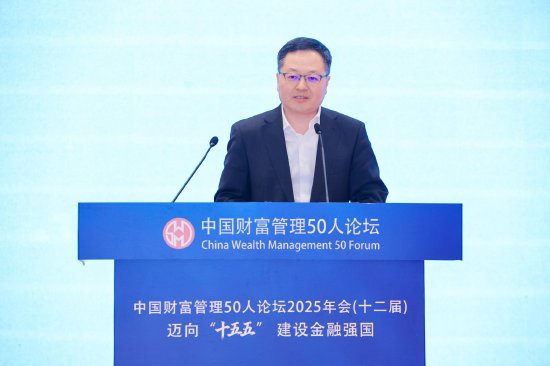
建信理财齐建功:“十五五”理财行业挑战与机遇并存
Xin Lang Cai Jing· 2025-12-27 09:35
三是大力提升客户体验。齐建功表示,这要求理财公司首先要提升投研能力,优化资产配置。包括提升 大类资产配置的研究能力,增强对宏观大势和市场研判的把握;强化专业领域研究能力,加强行业和区 域研究覆盖,重点加大对"五篇大文章"和AI等新兴行业的研究投入;推进投研深度融合,打造投研一体 化平台;优化投研考核机制,以业绩评价为中心,加大对投研条线的约束力度。 其次,理财公司需要积极拓展多资产策略,提升资产配置能力。在过往对信用类资产投资有一定优势基 础上,进一步加强信用挖掘,并且构建固收+、+权益、+衍生、+跨境、+另类等等全品类的资产配置体 系,借助多品种衍生品以及各种新兴工具,分散化投资、跨市场布局,以实现资产分散、降低波动,对 客户实现长期稳定的收益。 专题:中国财富管理50人论坛2025年会 12月27日金融一线消息,中国财富管理50人论坛2025年会在京召开,本届年会的主题是"迈向'十五 五'建设金融强国"。建信理财董事长齐建功参与"锚定十五五:资管行业定位重构与能力跃迁"圆桌讨 论。 齐建功表示,受居民和机构财富管理需求日益旺盛、社会融资结构的趋势性转变、理财公司业务范围广 且投资类型丰富、科技和数字化发展 ...
国盛证券研究所多名分析师出走 新团队引进已在走流程
2 1 Shi Ji Jing Ji Bao Dao· 2025-12-27 07:21
Group 1 - Core talent turnover at Guosheng Securities has raised market concerns, with multiple analysts leaving the firm, including key figures in the computer, electronic, and pharmaceutical sectors [1][2][5] - Liu Gaochang, the former chief analyst for the computer industry at Guosheng Securities, has joined Guojin Securities as the chief analyst and executive vice president of the research institute [1][4] - Zhang Jinyang, the former chief analyst for pharmaceuticals, has also moved to Guolian Minsheng Securities, indicating a significant shift in the research team's composition [1][6] Group 2 - Guosheng Securities' commission income from research has seen a decline, with a reported 28.35% decrease in the first half of 2025, ranking 21st in the industry [3][11] - The firm has experienced a continuous drop in commission income, with a 25.55% decline reported for 2024, reflecting broader industry challenges [10] - The overall commission income for the securities industry has decreased by 34% in the first half of the year, indicating a challenging environment for research revenue [12] Group 3 - The research department at Guosheng Securities has been rapidly expanding since 2017, growing from a small team to nearly 100 analysts covering 28 industries [8][9] - The firm has shifted its focus towards enhancing research capabilities and expanding service models to adapt to changing market conditions [14][15] - The trend of analysts moving in teams, often led by senior analysts, has become prevalent, contributing to increased personnel turnover within the industry [14]



智慧零售系统如何重塑粮油企业“新品上市”的全流程
Sou Hu Cai Jing· 2025-12-27 04:02
Core Insights - The grain and oil industry is undergoing a significant structural transformation driven by consumer upgrades, digitalization, and supply chain changes, moving from a traditional "low-frequency necessity" model to a more dynamic and data-driven approach [1][10] - The implementation of smart retail systems is fundamentally reshaping the entire lifecycle process of new product launches, enhancing success rates and reducing operational risks [1][10] Consumer Insights - Traditional product development often suffers from a "closed-door" approach, leading to misalignment with actual consumer needs; smart retail systems now create 360-degree consumer profiles through data integration [1][2] - The system captures real-time data from e-commerce platforms, offline POS systems, and social media to define consumer demand accurately, allowing for targeted product development [2] Product Development - Smart retail systems facilitate agile iteration and flexible supply chain collaboration, integrating data from consumer insights directly into R&D processes [3] - For instance, a company identified a surge in demand for "instant grain meals" and quickly developed a microwaveable product, reducing the R&D cycle by 40% [3] Channel Collaboration - The success of new product launches heavily relies on effective channel strategies; smart retail systems enable personalized distribution strategies tailored to individual store profiles [4] - The system generates customized stocking recommendations based on historical sales data and local consumer preferences, enhancing distribution efficiency [4] Marketing Promotion - Traditional marketing methods are being replaced by data-driven strategies that allow for precise targeting of consumer segments [6] - Smart retail systems create personalized marketing materials and track the effectiveness of various channels, optimizing budget allocation based on ROI [6] Inventory and Logistics - The smart retail system employs AI algorithms for high-precision demand forecasting, significantly improving inventory management and reducing waste [7] - For example, a company reduced delivery times to 24 hours and decreased loss rates by 60% through optimized logistics strategies [7] Performance Evaluation and Continuous Optimization - Real-time dashboards provide insights into key performance indicators, allowing for immediate adjustments based on sales performance [8] - The system accumulates knowledge from each product launch, creating a knowledge graph that informs future product development and marketing strategies [8] Conclusion - Smart retail systems represent a strategic operational framework that shifts companies from experience-driven to data-driven decision-making, enhancing responsiveness to market changes [10] - Embracing smart retail is no longer optional for grain and oil companies; it is essential for survival and growth in a competitive market [10]