贸易谈判

Search documents
美银专家深度解析:美国“互惠关税”冲击下,中美贸易谈判如何破局?
贝塔投资智库· 2025-04-21 03:25
以下文章来源于智通财经APP ,作者智通编选 智通财经APP . 智通财经APP,连线全球资本市场。内容合作/内容举报请联系李先生: Tel: +86-15121009144 Email:zhitongcolumn@163.com 点击蓝字,关注我们 编者按: 美银邀请了科文顿・柏灵律师事务所(Covington & Burling)的高级顾问克里斯托弗・亚当斯,共同探讨 美国近期全球关税计划的影响。 美银提示,本文中任何第三方发言者的观点并不代表、也不应被理解为代表美银全球研究部门的观点。 亚当斯曾担任美国财政部中国事务高级协调员,负责协调美国政府内部的对华政策问题,领导与中国在 广泛的贸易和投资问题上的谈判,管理奥巴马和特朗普政府时期最高层级的美中经济政策对话。读者请 留意, 本文是从美国立场的视角来看谈判,从中国视角则是另外一种情况。 一、自 4 月 2 日以来美国的三大转变 克里斯・亚当斯先生表示,他在美国财政部和美国贸易代表办公室(USTR)任职时注意到,官员们认为传 统的谈判方式,尤其是与中国的谈判,困难重重,且由于未能解决贸易失衡问题,进展并不显著。目前 特朗普政府在与中国及其他国家的谈判中尝试 ...
4月18日电,如果贸易谈判失败,欧盟据悉将考虑对美实施出口限制。
news flash· 2025-04-17 16:45
Core Viewpoint - The European Union is reportedly considering export restrictions on the United States if trade negotiations fail [1] Group 1 - The potential for the EU to impose export limits indicates rising tensions in transatlantic trade relations [1] - This move could have significant implications for various industries reliant on trade between the EU and the US [1]
法国财长:特朗普暂停关税表明还有谈判的空间
news flash· 2025-04-14 08:19
法国财长:特朗普暂停关税表明还有谈判的空间 金十数据4月14日讯,法国财政部长隆巴德表示,特朗普决定暂停许多计划中的进口关税,这证实了美 国政府愿意与欧洲达成协议。"这证实了与特朗普政府有谈判的空间,"隆巴德在接受《法兰西西部报》 采访时表示。特朗普上周表示,他将暂停对包括欧盟在内的许多贸易伙伴的对等关税。隆巴德说:"特 朗普这么快就改变立场,我感到惊喜。"他指出,关税的直接影响将是拉低美国的经济增长,推高美国 的通胀。但隆巴德说,鉴于一些关税仍然存在,现在宣布胜利还为时过早。"出于这个原因,欧洲必须 保持压力,"他说。 ...
后市密切关注贸易谈判情况
British Securities· 2025-04-11 03:02
Core Views - The recent collective rise of the A-share market indices is attributed to the temporary suspension of "reciprocal tariffs" by the Trump administration, which has improved global market sentiment [2][8] - The market has recovered above 3200 points, indicating a potential end to the recent downward trend driven by emotional short-term selling [2][9] - Despite the positive sentiment, concerns remain regarding the substantial impact of tariffs and the overall market fundamentals, as corporate earnings have not yet fully improved [2][9] Market Overview - On Thursday, the A-share market indices continued to rebound, supported by several favorable factors including state intervention, a wave of stock buybacks by listed companies, and expectations of interest rate cuts [4][5] - The trading volume reached 16,095 billion, with the Shanghai Composite Index closing at 3,223.64 points, up 1.16%, and the Shenzhen Component Index rising 2.25% [5] - The precious metals sector saw significant activity, driven by increased demand for safe-haven assets amid global tariff tensions [6] Sector Performance - The precious metals and consumer sectors, including dairy, food and beverage, and retail, showed strong performance, indicating a shift towards domestic consumption as a key driver for economic recovery in 2025 [7][8] - The recent announcement by the State Taxation Administration to promote "immediate refund" services for overseas travelers has boosted the performance of duty-free and tax refund concept stocks [6][7] Future Market Outlook - Continued attention is required on trade negotiations, as successful outcomes could lead to a rebound in industries with strong export recovery expectations [9] - The report anticipates increased fiscal and monetary policy support in response to the economic goals set during the Two Sessions, which is expected to bolster market sentiment in the medium term [3][9]
据英国金融时报:欧盟委员会主席冯德莱恩表示,如果与特朗普的贸易谈判失败,欧盟可能会对(美国)大型科技公司征税。
news flash· 2025-04-10 20:08
Core Viewpoint - The European Commission President Ursula von der Leyen indicated that the EU may impose taxes on large U.S. tech companies if trade negotiations with Trump fail [1] Group 1 - The potential tax on U.S. tech companies is a response to unsuccessful trade negotiations [1] - This move reflects ongoing tensions between the EU and the U.S. regarding trade policies [1] - The statement highlights the EU's willingness to take unilateral action in the tech sector if necessary [1]
美国白宫:美国总统特朗普将在贸易谈判中讨论对外援助及在各国的军事存在问题。
news flash· 2025-04-08 17:33
Group 1 - The core focus of the article is on President Trump's intention to discuss foreign aid and military presence in various countries during trade negotiations [1] Group 2 - The discussions may impact the U.S. foreign policy and its economic relationships with other nations [1] - The outcome of these negotiations could influence investment opportunities in sectors related to defense and international aid [1]
整理:每日美股市场要闻速递(4月8日 周二)
news flash· 2025-04-08 12:45
Key Points - The Federal Reserve's Goolsbee expressed concerns that tariffs may reignite inflation fears among businesses [2] - U.S. Treasury Secretary Yellen stated that President Trump will personally engage in trade negotiations [2] - Reports indicate that President Trump will sign an executive order on Tuesday to support the coal industry [2] Company News - Broadcom (AVGO.O) announced a $10 billion stock buyback plan [2] - United Microelectronics Corp (UMC.N) reported a 9.31% year-over-year revenue increase to NT$198.6 billion for March [2] - Moomoo Inc. has received approval from the China Securities Regulatory Commission for its IPO in the U.S., planning to issue approximately 64.22 million shares [2] - Eli Lilly (LLY.N) has had its application for a new drug, imlunestrant tablets, accepted in China for breast cancer treatment [2] - Apple (AAPL.O) staff reported a surge in panic buying of Apple products over the past weekend [2] - General Motors (GM.N) unveiled a new electric Corvette concept car, reaffirming its commitment to the European market [2] - Micron Technology (MU.O) informed U.S. customers that it will impose additional fees related to tariffs on certain products starting April 9 [2] - UnitedHealth Group (UNH.N) saw a 5% increase in after-hours trading, as the Trump administration plans to significantly raise Medicare payment rates next year [2]
美国财长贝森特:多达70个国家寻求谈判。特朗普将亲自参与贸易谈判。
news flash· 2025-04-08 11:20
美国财长贝森特:多达70个国家寻求谈判。 特朗普将亲自参与贸易谈判。 ...
美国研究机构:对等关税的报复与谈判
2025-04-08 05:58
Summary of Key Points from the Conference Call Industry or Company Involved - The discussion primarily revolves around the implications of the U.S. government's aggressive tariff policies and their impact on global trade relations, particularly with China, the EU, Japan, and other countries. Core Points and Arguments - The U.S. government aims to use aggressive tariffs to bring trade partners to the negotiation table, targeting a 10% standard tax rate to reach an agreement and end mutual retaliation, though this scenario is deemed unlikely [2][3] - Initial responses from the EU and other countries are expected to include partial retaliatory actions, posing significant risks to policy and economic outlooks [2] - China has responded swiftly with a 34% counter-tariff and increased export controls on rare earth materials, crucial for the tech industry, indicating a firm stance against U.S. actions [2][8] - The EU is preparing countermeasures, likely involving substantial retaliatory tariffs and threats in other sectors, including digital and financial services [2][9] - Japan and the UK are less likely to retaliate but also unlikely to make significant concessions, with Japan surprised by the 24% tariff rate [2][3] - The likelihood of the U.S. escalating its tariff actions is over 50%, particularly against China, which could include asset freezes and financial sanctions, potentially damaging the existing financial system [2][6] - The probability of successful negotiations is estimated at only 20%, as the U.S. assumes its economic strength can compel compliance from trade partners [4] Other Important but Possibly Overlooked Content - The global response to U.S. tariffs is categorized into three types: strong retaliation (as seen with Canada), low-profile negotiation attempts (like Japan and the UK), and complete capitulation (potentially from smaller nations like Vietnam) [5] - The U.S. could take a rational economic approach, similar to past agreements with Canada and Mexico, but this outcome is considered unlikely at only 40% probability [6] - China's strong response indicates a lack of hope for a quick negotiation, which may influence Europe's stance and lead to a more unified response against U.S. tariffs [9][10] - The EU is expected to announce measures in response to U.S. tariffs, including potential tariffs of up to 20% on most imported goods from the U.S. [10][11] - Japan's legal debate regarding the imposition of retaliatory tariffs highlights the complexities of international trade law and the potential for diplomatic negotiations to resolve disputes [15][20] - The ongoing discussions in Japan about emergency fiscal measures reflect concerns over the economic impact of U.S. tariffs on domestic markets [20] This summary encapsulates the critical insights from the conference call regarding the current trade tensions and their implications for various countries and industries.
日美首脑举行关税问题电话磋商
日经中文网· 2025-04-08 03:17
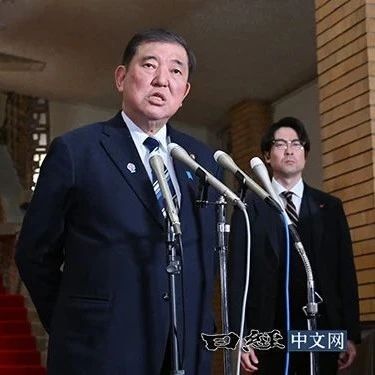
特朗普政府在美国东部时间4月7日决定指名财政部长贝森特作为与日本贸易谈判的负责人。 美国贸易代表办公室(USTR)也将参与对日谈判,将讨论日本的关税政策及日元与美元的汇 率问题。 石破茂在电话磋商后向媒体透露,将根据谈判的进展"在最合适的时机访问美国"。 和特朗普进行完电话磋商之后,石破茂回答了记者提问(4月7日,日本首相公邸) 石破茂向媒体透露,将根据谈判的进展"在最合适的时机访问美国"。特朗普在社交媒体上发文 称:"(日本)将派出顶级团队进行谈判!",并再次表达了对"日本在贸易上恶劣对待美国"的不 满…… 4月7日夜间,日本首相石破茂与美国总统特朗普进行了25分钟的电话磋商。石破茂对美国加 征关税表达了担忧,要求重新审视关税问题。双方确认两国将指名相关部长继续磋商。 特朗普在电话磋商后在自己的社交媒体上发文称:"(日本)将派出顶级团队进行谈判!",并 再次表达了对"日本在贸易上恶劣对待美国"的不满。 特朗普多次指出日本不购买美国产汽车而美国却接受日本产汽车,并指出其他产品也受到类 似对待。 版权声明:日本经济新闻社版权所有,未经授权不得转载或部分复制,违者必究。 日经中文网 https://cn.nikk ...