普惠金融

Search documents
锚定金融强国目标 以证券力量护航“十五五”高质量发展
Jin Rong Shi Bao· 2025-12-03 01:24
"十五五"时期是基本实现社会主义现代化的关键时期。随着党的二十届四中全会审议通过"十五 五"规划建议,清晰的战略路径已然铺就。在这一历史进程中,金融血脉如何更精准地服务实体经济, 资本市场如何更高效地赋能新质生产力,成为关系全局的重要议题。 "截至2025年10月末,中信建投证券累计服务国家级专精特新及制造业单项冠军企业超2100家,'小 巨人'IPO保荐数量稳居市场前列,北交所IPO保荐数量及承销金额持续领先。未来,我们还将继续加大 投入,为新质生产力发展贡献更大力量。"正值中信建投证券股份有限公司(以下简称"中信建投证 券")成立20周年之际,《金融时报》独家专访了中信建投证券股份有限公司党委副书记、总经理金剑 华。这份服务科技创新的高质量"成绩单",是中信建投证券过往成果的总概括,也是未来继续深耕科创 金融、服务国家战略决心的体现。 围绕证券行业如何理解并践行"十五五"规划建议的战略指引,在加快建设金融强国的目标下证券公 司如何找准定位并系统发力,以及服务新质生产力将如何重塑行业发展模式、核心能力与价值创造方式 等关键问题,金剑华对记者系统阐述了他的思考。 《金融时报》记者:结合当前国内外发展环境,您认 ...



招商证券党委书记、董事长霍达:以“陪伴式”投教助力夯实资本市场根基
Zhong Guo Zheng Quan Bao· 2025-12-03 00:24
■ "夯实文化软实力 积极履责显担当"系列专题报道 治国有常,利民为本。党的二十届四中全会体现了以人民为中心的立场。全会强调,"十五五"时期经济 社会发展必须坚持人民至上,以满足人民日益增长的美好生活需要为根本目的,加大保障和改善民生力 度,扎实推进全体人民共同富裕。 招商证券党委书记、董事长霍达日前在接受中国证券报记者专访时表示,实现人民对美好生活的向往是 中国式现代化的出发点和落脚点。 霍达认为,投资者是资本市场之本,高质量开展投资者教育、保护投资者合法权益,是夯实市场信心、 激发市场活力的基础工程,是推动共同富裕、落实普惠金融的重要抓手,也是金融机构践行金融为民理 念、服务国家战略的职责使命。近年来,招商证券着力深化投资者教育工作的创新实践与长远布局,通 过构建"陪伴式"投教体系,切实守护投资者权益,助力夯实资本市场根基。 在全周期服务维度,招商证券将投教贯穿投资者服务全流程。市场热点涌现、政策密集出台时,第一时 间推出"新手研习社""新规速览"等内容,如2025年下半年以来,随着市场情绪逐步回暖、新入市投资者 持续增加,公司迅速推出"新手研习社"系列服务,将股票、基金、港股通等业务的复杂规则转化为通俗 ...

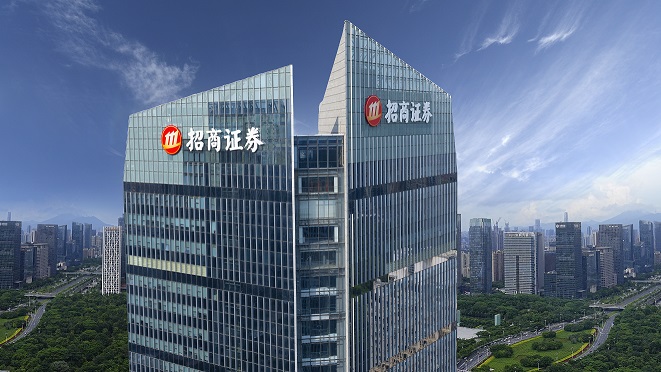
夯实文化软实力 积极履责显担当 | 招商证券党委书记、董事长霍达:以“陪伴式”投教助力夯实资本市场根基
Zhong Guo Zheng Quan Bao· 2025-12-02 23:35
编者按 日前,党的二十届四中全会审议通过"十五五"规划建议,明确提出"优化金融机构体系,推动各类金融 机构专注主业、完善治理、错位发展",这为包括证券公司在内的金融机构实现高质量发展指明了方 向。近年来证券公司在持续强化经营数据等"硬指标"的同时,纷纷发力文化建设并积极承担社会责任, 不断夯实"软实力",实现经营效益和社会效益双丰收。 为学习宣传贯彻党的二十届四中全会精神,中国证券报联合中国证券业协会推出"夯实文化软实力 积极 履责显担当"系列专题报道,旨在通过分享证券公司在加强文化建设以及服务经济、社会、环境和谐发 展方面的典型案例与先进经验,体现证券公司近年来在培育中国特色金融文化、践行行业文化理念、履 行社会责任的积极成效,共同推动证券行业高质量发展。本篇为系列报道第十六篇。 治国有常,利民为本。党的二十届四中全会体现了以人民为中心的立场。全会强调,"十五五"时期经济 社会发展必须坚持人民至上,以满足人民日益增长的美好生活需要为根本目的,加大保障和改善民生力 度,扎实推进全体人民共同富裕。 招商证券(600999)党委书记、董事长霍达日前在接受中国证券报记者专访时表示,实现人民对美好生 活的向往是中国式 ...
精准滴灌实体经济 助企业转型升级
Nan Fang Du Shi Bao· 2025-12-02 23:21
Core Viewpoint - The article emphasizes the role of招商银行东莞分行 in supporting the high-quality development of enterprises in Dongguan through financial services, particularly focusing on technology and innovation-driven companies. Group 1: Financial Support for High-Tech Enterprises - 招商银行东莞分行 provides precise financing support for specialized and innovative high-tech enterprises, with a manufacturing loan balance of 23.665 billion and a technology loan balance of 14.669 billion as of October 2025, serving 3,970 technology enterprises [5][6]. - 广东鼎泰高科技术股份有限公司 has leveraged the bank's financial support to expand production capacity and enhance business development [6]. Group 2: Inclusive Finance and Customized Products - 招商银行东莞分行 has developed customized financing products for innovative small and medium-sized enterprises, including "Innovation Points Loan" and "Industry Points Loan," which have reached 725 enterprises and disbursed over 600 million since May 2024 [6][8]. - The "莞招码上测" product system allows enterprises to easily access financing options through a simple scan, reducing barriers for inclusive finance [8]. Group 3: Digital Financial Services - The bank has facilitated digital transformation for enterprises like 东莞徐福记食品有限公司 by integrating financial management systems, enhancing efficiency in payroll and expense management [8][9]. - The CBS system launched in August 2021 has enabled 6,353 enterprises to manage their financial operations more effectively, contributing to cost reduction and efficiency [8]. Group 4: Cross-Border Financial Services - 招商银行东莞分行 has established a comprehensive cross-border financial service model, supporting enterprises in managing cross-border funds, global accounts, and currency risk [10]. - 佳禾智能科技股份有限公司 has benefited from the bank's international business expertise and flexible financial solutions, facilitating its international expansion [10][11].


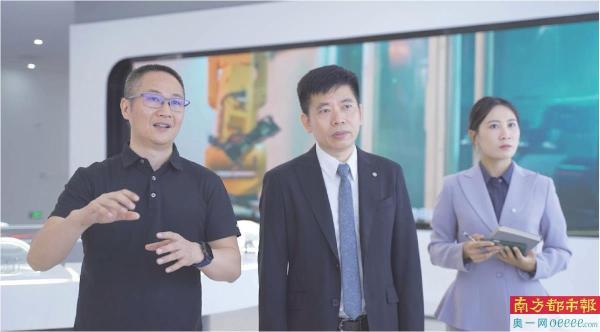
招商证券党委书记、董事长霍达: 以“陪伴式”投教助力夯实资本市场根基
Zhong Guo Zheng Quan Bao· 2025-12-02 22:04
治国有常,利民为本。党的二十届四中全会体现了以人民为中心的立场。全会强调,"十五五"时期经济 社会发展必须坚持人民至上,以满足人民日益增长的美好生活需要为根本目的,加大保障和改善民生力 度,扎实推进全体人民共同富裕。 招商证券党委书记、董事长霍达日前在接受中国证券报记者专访时表示,实现人民对美好生活的向往是 中国式现代化的出发点和落脚点。 招商证券(600999)党委书记、董事长霍达: 以"陪伴式"投教助力夯实资本市场根基 霍达认为,投资者是资本市场之本,高质量开展投资者教育、保护投资者合法权益,是夯实市场信心、 激发市场活力的基础工程,是推动共同富裕、落实普惠金融的重要抓手,也是金融机构践行金融为民理 念、服务国家战略的职责使命。近年来,招商证券着力深化投资者教育工作的创新实践与长远布局,通 过构建"陪伴式"投教体系,切实守护投资者权益,助力夯实资本市场根基。 ● 本报记者 徐昭 赵中昊 厚植为民情怀 深耕创新实践 在霍达看来,从监管导向到行业实践,"以人民为中心"的发展思想已深度融入资本市场改革发展的全过 程。作为国有金融机构,招商证券始终将投教工作与践行金融使命紧密结合,把"保护投资者利益、提 升投资者 ...
以“陪伴式”投教助力夯实资本市场根基
Zhong Guo Zheng Quan Bao· 2025-12-02 20:22
以"陪伴式"投教助力夯实资本市场根基 治国有常,利民为本。党的二十届四中全会体现了以人民为中心的立场。全会强调,"十五五"时期经济 社会发展必须坚持人民至上,以满足人民日益增长的美好生活需要为根本目的,加大保障和改善民生力 度,扎实推进全体人民共同富裕。 招商证券党委书记、董事长霍达日前在接受中国证券报记者专访时表示,实现人民对美好生活的向往是 中国式现代化的出发点和落脚点。 ■ "夯实文化软实力 积极履责显担当"系列专题报道 招商证券党委书记、董事长霍达: 霍达认为,投资者是资本市场之本,高质量开展投资者教育、保护投资者合法权益,是夯实市场信心、 激发市场活力的基础工程,是推动共同富裕、落实普惠金融的重要抓手,也是金融机构践行金融为民理 念、服务国家战略的职责使命。近年来,招商证券着力深化投资者教育工作的创新实践与长远布局,通 过构建"陪伴式"投教体系,切实守护投资者权益,助力夯实资本市场根基。 ● 本报记者 徐昭 赵中昊 厚植为民情怀 深耕创新实践 在霍达看来,从监管导向到行业实践,"以人民为中心"的发展思想已深度融入资本市场改革发展的全过 程。作为国有金融机构,招商证券始终将投教工作与践行金融使命紧密结 ...
深入学习贯彻四中全会精神,在新征程上展现期货行业新担当
Qi Huo Ri Bao Wang· 2025-12-02 14:56
Core Insights - The 20th Central Committee's Fourth Plenary Session emphasizes the importance of strengthening the financial sector as part of China's modernization and national rejuvenation efforts, providing a strategic blueprint for the 14th Five-Year Plan [1][3] - The State Council's recent guidelines aim to enhance regulation and promote high-quality development in the futures market, aligning with the directives from the Fourth Plenary Session [2][3] Group 1: Strategic Development - The "14th Five-Year Plan" outlines key goals and tasks for China's development, aiming for significant progress towards becoming a moderately developed country by 2035, with a focus on building a modern industrial system and promoting high-level technological self-reliance [3][4] - The plan highlights the need for steady development of futures, derivatives, and asset securitization, positioning the futures market as a critical component of national strategy [3][7] Group 2: Service to the Real Economy - The futures market is recognized for its role in risk management and resource allocation, essential for stabilizing and developing the real economy amid complex external and domestic challenges [4][5] - Companies like Hongyuan Futures are integrating deeply into the industrial chain, enhancing supply chain resilience, and providing tailored risk management services to over a thousand industrial clients [5][6] Group 3: Financial Innovation and Inclusivity - Hongyuan Futures is actively promoting green finance and inclusive finance, offering risk management services to over 300 small and micro enterprises and exploring innovative products like "insurance + futures" to support farmers [5][6] - The company is also focusing on pension finance, enhancing investor education, and applying risk management tools to long-term funds [5][6] Group 4: Compliance and Risk Management - The "14th Five-Year Plan" calls for comprehensive financial regulation and risk management, emphasizing the need for futures companies to strengthen compliance and risk management frameworks [9] - Companies are encouraged to embed futures tools into key operational processes to help enterprises effectively manage market price fluctuations and enhance their risk management capabilities [9]
交通银行“惠有好生意”走进浙江绍兴 “商圈惠贷”产品正式发布
2 1 Shi Ji Jing Ji Bao Dao· 2025-12-02 14:53
Core Viewpoint - The event "2025 China Bank 'Hui You Hao Sheng Yi' Business Circle Financial Ecosystem Conference" was held to establish a more efficient and precise inclusive financial community across regions, with the launch of the "Business Circle Hui Loan" product being a key highlight [1][3] Group 1: Product Launch and Features - The "Business Circle Hui Loan" product was officially launched by China Bank, aimed at small and micro enterprises and individual business owners, featuring a fully online application process [4] - The product utilizes digital capabilities to create a unique "credit profile" for each customer, allowing for precise assessment of their business situation and repayment ability, with a maximum loan amount of 5 million yuan [4][5] - The loan offers flexible repayment options, including "borrow as needed" and "interest first, principal later," with the potential for same-day approval and disbursement [4][5] Group 2: Strategic Collaborations and Ecosystem Development - China Bank signed a cooperation memorandum with seven key business circle management units from Zhejiang, Jiangsu, Guangdong, and Hunan provinces, laying a solid foundation for activating the economic potential of major business circles [1][5] - The bank's financial services have transitioned from single-point empowerment to a multi-dimensional ecosystem, marking a significant step towards collaborative financial service integration [5][6] - The service model has expanded to cover over 270 market circles nationwide, serving various industries including clothing, agricultural trade, cold chain, and food [5][6]

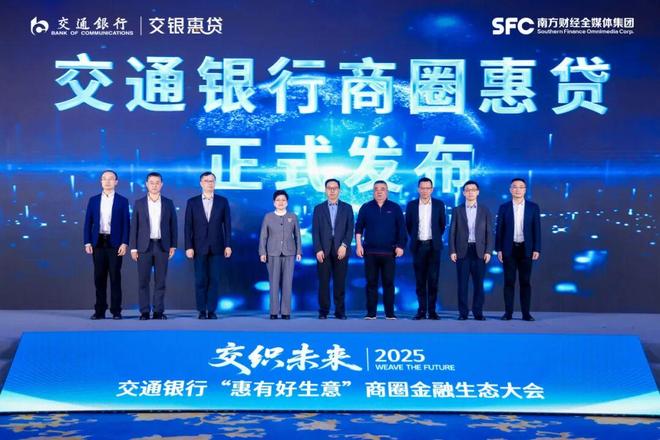
交通银行“惠有好生意”走进浙江绍兴 “商圈惠贷”产品正式发布
21世纪经济报道· 2025-12-02 14:45
Core Insights - The article highlights the launch of the "Business Circle Huidai" product by Bank of Communications, aimed at enhancing financial services for small and micro enterprises and individual business owners across various regions in China [1][5][6] - The initiative is part of a broader strategy to create a more efficient and precise financial ecosystem through collaboration among government, enterprises, and banks [1][7] Product Overview - "Business Circle Huidai" is a personal credit loan product tailored for quality business circles and professional markets, allowing online applications and leveraging digital capabilities to assess creditworthiness [5][6] - The product features a maximum credit limit of 5 million yuan, with flexible repayment options and a fully online process, enabling rapid approval and disbursement [5][6] Strategic Partnerships - The Bank of Communications signed a cooperation memorandum with seven key business circle management units from Zhejiang, Jiangsu, Guangdong, and Hunan provinces, laying a solid foundation for activating the economic potential of major business circles [1][7] - This collaboration signifies a shift from single-point empowerment to a multi-dimensional ecosystem, enhancing the bank's financial services [7] Digital Transformation - The product system includes a "3+2N" structure, focusing on three core products: online mortgage loans, Huishang loans, and Huinong loans, with additional customized products for specific market scenarios [3][4] - The digital risk control mechanism transforms transaction records into "credit assets," addressing information asymmetry between banks and small micro clients [6] Market Coverage - The financial service system has reached over 270 market circles nationwide, covering various industries such as clothing, agricultural trade, cold chain, and food [7] - The bank aims to foster a symbiotic ecosystem among finance, market operators, and merchants, contributing to the high-quality development of the real economy [7]

成都银行稳居2025中国银行业竞争力百强榜中西部首位
2 1 Shi Ji Jing Ji Bao Dao· 2025-12-02 11:20
Core Insights - Chengdu Bank ranks first among city commercial banks in the central and western regions of China, demonstrating strong regional service capabilities and innovative financial practices [1][2][6] - The bank's competitive strength is supported by a robust financial performance, with a year-on-year revenue increase of 3.01% and a net profit growth of 5.03% for the first nine months of 2025 [2][3] Financial Performance - As of September 2025, Chengdu Bank's total assets reached 1.39 trillion yuan, a 10.81% increase from the previous year, with total loans amounting to 847.48 billion yuan, reflecting a 14.13% growth [3] - The bank's deposit total was 986.43 billion yuan, showing an 11.35% increase from the end of the previous year, while the non-performing loan ratio stood at 0.68% with a provision coverage ratio of 433.08% [3] Strategic Initiatives - Chengdu Bank has actively engaged in the development of the Chengdu-Chongqing economic circle, providing over 1 trillion yuan in credit support over the past five years, with 300 billion yuan allocated for major projects in 2024 [2][4] - The bank has established a comprehensive service system for green finance, achieving a green credit balance of 49.77 billion yuan by the end of 2024, marking a 22.87% increase [4] Innovation and Digital Transformation - The bank has pioneered the establishment of a technology-focused branch model and has achieved over 80% coverage in financial services for specialized and innovative enterprises in Chengdu [4][6] - Chengdu Bank has integrated digital solutions into its operations, with over 634 million personal electronic banking customers and significant growth in mobile banking activity [6] Community and Inclusive Finance - The bank has developed a robust ecosystem for inclusive finance, supporting over 10,000 enterprises and providing credit to more than 5,000 small and micro enterprises [5] - Chengdu Bank has implemented a series of initiatives to enhance its services for elderly clients, resulting in a personal deposit scale exceeding 507.8 billion yuan, a 15.84% increase from the beginning of the year [5]