
现代化产业体系

Search documents
工业母机ETF(159667)涨超1.7%,机床行业需求释放带动出口结构优化
Mei Ri Jing Ji Xin Wen· 2025-12-05 06:11
工业母机ETF(159667)跟踪的是中证机床指数(931866),该指数从沪深市场中选取50只涉及机床整 机制造、数控系统及关键零部件供应等业务的上市公司证券作为指数样本,行业分布以机械设备为主, 同时涵盖电子、新能源与机器人等相关领域,综合反映中国机床产业链的整体表现。 (文章来源:每日经济新闻) 平安证券指出,2025年以来机械设备及自动化设备行业出口表现较好,主要受益于海外投资需求拉动。 展望2026年,尽管全球出口扩张势头可能略有放缓,但中国出口份额有望延续升势,预计机械设备行业 出口增速将维持韧性。此外,"十五五"规划将"建设现代化产业体系"和"发展新质生产力"作为核心战 略,2026年作为开局之年,政策支持将集中于国家战略安全领域,有望推动高端装备及自动化设备的技 术升级与产能优化。国内方面,产能周期积极信号显现,企业现金流改善,叠加设备更新政策续力支 持,制造业投资具备筑底基础,或进一步带动机械设备需求回升。 ...
苏州市政协召开专题会议谋划明年重点协商课题
Su Zhou Ri Bao· 2025-12-05 00:34
Group 1 - The core focus of the meeting is on high-quality development, emphasizing the importance of the "1030" modern industrial system, heritage protection and renewal, tourism economy, and the construction of a modern people-oriented city in Suzhou [1] - The meeting highlighted the need for scientific planning of key consultation topics for the upcoming year, reflecting the implementation of decisions from central, provincial, and municipal levels [1] - The participants expressed the importance of aligning the work of the Political Consultative Conference with the overall development strategy, ensuring that consultation topics are precise and relevant, and adopting a "small entry point, large vision" approach to enhance consultation effectiveness [1]
21评论丨着力扩大内需 增强经济持续向好态势
2 1 Shi Ji Jing Ji Bao Dao· 2025-12-04 22:40
Core Viewpoint - The upcoming Central Economic Work Conference will set the development tone for 2026, focusing on expanding domestic demand and addressing insufficient effective demand while maintaining economic stability and growth potential [1] Group 1: Domestic Demand Expansion - The primary task of macroeconomic policy is to comprehensively expand domestic demand, with a focus on boosting consumption and increasing effective investment [3] - To enhance consumption, policies will emphasize both quantity and quality, including measures like promoting trade-in programs and improving subsidy processes to unlock market potential [3] - Investment will focus on improving efficiency, targeting major national strategies and key areas such as infrastructure and digital economy, while also optimizing the business environment to attract more private investment [3] Group 2: Supply-Side Policies - Supply-side policies will center on technological innovation to cultivate new productive forces, enhancing the quality and momentum of economic growth [4] - The core driving force for economic growth will shift towards a modern industrial system characterized by advanced manufacturing, strategic emerging industries, and a deep integration of the digital economy with the real economy [4][5] - Efforts will be made to optimize traditional industries and foster new industries, creating clusters in sectors like renewable energy and aerospace to generate new growth drivers [5] Group 3: Risk Prevention and Financial Stability - Ensuring safety in key areas and effectively preventing risks is crucial for solidifying economic foundations, with a focus on stabilizing the real estate market and managing local government debt [5] - Fiscal policy is expected to maintain an expansionary stance, optimizing expenditure structures to support strategic emerging industries and enhance social safety nets [5] - Monetary policy will likely continue a moderately loose tone, closely coordinating with fiscal policy to support key sectors like technology and green transformation [6]


全省特色优势产业发展推进会议召开
Xin Hua Ri Bao· 2025-12-04 21:53
本报讯(记者王拓李嘉豪)12月4日,全省特色优势产业发展推进会议召开,深入学习贯彻党的二十届四 中全会和习近平总书记对江苏工作重要讲话精神,认真落实省委十四届十次全会部署,因地制宜规划发 展特色优势产业,以实干实绩扛好经济大省挑大梁责任。省长刘小涛出席会议并讲话。 副省长沈剑荣主持会议。省政府秘书长赵建军,省有关部门和单位负责同志在主会场参加会议;各设区 市负责同志在分会场参加会议。省工业和信息化厅汇报有关工作情况,省发展改革委、省商务厅、苏州 市、南通市、徐州丰县、常州溧阳市发言。 刘小涛指出,习近平总书记创造性提出发展新质生产力重大论断,为高质量发展提供了生产力理论指 导。要坚持先立后破、因地制宜、分类指导,立足资源禀赋、产业基础、科研条件等,突出地域特色、 发挥比较优势,统筹推进传统产业升级、新兴产业壮大、未来产业培育,有针对性地选择最优赛道、找 准最优路径,有选择地推动新产业(300832)、新模式、新动能发展,做优做强具有特色优势的现代化 产业体系,为加快打造发展新质生产力的重要阵地、推动高质量发展继续走在前列提供坚实支撑。 刘小涛强调,要探索建立"N个1"特色优势产业培育推进机制,结合"十五五"规 ...
袁家军胡衡华会见高瓴投资创始人兼首席执行官张磊和企业家代表
Xin Lang Cai Jing· 2025-12-04 13:25
12月4日下午,重庆市委书记袁家军,市委副书记、市长胡衡华会见了高瓴投资创始人兼首席执行官张 磊和企业家代表。市领导刘尚进、郑向东参加。袁家军代表市委、市政府对各位嘉宾来渝表示欢迎。袁 家军说,重庆是全国辖区面积和人口规模最大的城市,工业基础坚实,创新资源集聚,国际性综合交通 枢纽地位突出,城市宜居宜业宜游,发展空间十分广阔。当前,全市上下正深入学习贯彻党的二十届四 中全会精神,聚焦做实"两大定位"、发挥"三个作用",按照市委六届八次全会部署,谋深谋实"十五 五"时期重庆经济社会发展时间表、任务书、路线图,坚持创新驱动构建现代化产业体系,全面增强内 陆开放综合枢纽功能,强化数智赋能积极探索超大城市现代化治理新路子,着力推进绿色低碳转型发 展,持续营造市场化、法治化、国际化一流营商环境,加快打造国家区域发展新的增长极和动力源。希 望广大企业抢抓"十五五"时期重庆发展新机遇,进一步了解重庆、投资重庆、深耕重庆,在服务落实国 家重大战略中找准合作切入点、发力点,持续深化与重庆在构建先进制造业产业集群、打造人工智能应 用高地、扩大高水平对外开放等领域务实合作,努力实现高水平互利共赢。张磊和企业家代表说,重庆 是一座充 ...
湖北省国资委党委书记、主任陈忠:以改革之笔,绘国资国企新蓝图
Xin Lang Cai Jing· 2025-12-04 11:25
Core Insights - The article discusses the ongoing reforms and development strategies for state-owned enterprises (SOEs) in Hubei province, emphasizing their role as a pillar of economic development and market stability as they approach the "14th Five-Year Plan" [2][12]. Group 1: Achievements During the 14th Five-Year Plan - Hubei's state-owned enterprises have significantly improved their scale and strength, with total assets reaching 3.25 trillion yuan, moving up 10 places in national rankings. Revenue is expected to exceed 600 billion yuan by 2025, tripling from the end of the 13th Five-Year Plan, maintaining the highest growth rate in Central China for three consecutive years [3][13]. - The functional role of these enterprises has been effectively demonstrated, with over 1 trillion yuan invested in various infrastructure projects, including 85% of the province's highways and 30% of its railways. They have also built nearly 40,000 units of affordable housing and enhanced grain storage capacity to 1.5 million tons [3][13]. - The restructuring of state-owned enterprises has led to a more rational layout, consolidating 28 enterprises into 10 and forming two new first-level enterprises. Investments in emerging industries have seen growth rates exceeding 50% for three consecutive years [3][13][14]. Group 2: Reform and Innovation - The reform and innovation vitality of Hubei's SOEs has been notably enhanced, with a continuous increase in R&D investment of over 20% annually for five years. The number of high-tech enterprises has risen to 148, and 62 innovation joint ventures have been established [4][14]. - The 20th National Congress of the Communist Party of China has set new missions for SOEs, emphasizing the need to strengthen, optimize, and expand state-owned enterprises, focusing on innovation, effective governance, and market-driven mechanisms [5][16]. Group 3: Future Strategies - Hubei's SOEs will implement three major actions to support the construction of a modern industrial system: enhancing industrial competitiveness through strategic mergers and acquisitions, improving the quality of modern service industries, and upgrading core infrastructure capabilities with an investment of over 1.5 trillion yuan in the next five years [7][17]. - Specific measures for deepening reforms include optimizing the layout and structure of SOEs, fostering collaborative innovation mechanisms, and establishing a flexible market-oriented operational framework [8][18].

“十五五”宏观经济展望—不畏浮云遮望眼(PPT) (1)
2025-12-04 04:47
Summary of Key Points from the Conference Call Industry Overview - The conference call focuses on the macroeconomic outlook for China during the "15th Five-Year Plan" period, emphasizing trade dynamics and internal demand trends [4][40]. Core Insights - **Trade Resilience**: Despite ongoing trade frictions, China's exports are expected to remain resilient due to companies actively exploring new markets. The trade surplus is projected to maintain a high level, with an anticipated increase of 22% year-on-year [4][7]. - **Currency Outlook**: The stability of the Renminbi (RMB) is seen as a foundational strength for China's export sector. The RMB is expected to appreciate, potentially reaching 6.8 against the USD by the end of next year [4][37]. - **Internal Demand Shift**: A turning point in domestic demand is anticipated around mid-2026, with economic growth expected to show a pattern of lower growth initially followed by a rebound [4][40]. - **Policy Focus**: The "15th Five-Year Plan" emphasizes building a modern industrial system, with significant efforts directed towards technological innovation and industrial upgrades. The policy shift aims to balance demand-side measures to stimulate internal consumption [4][47]. Trade Dynamics - **US-China Trade Relations**: The trade balance with the US has been negatively impacted by tariffs, with a year-on-year decline of 19.1% in the trade surplus with the US. In contrast, exports to non-US regions have expanded by 17% year-on-year [7][10]. - **Long-term Trade Surplus**: China's trade surplus is expected to continue growing, with projections indicating it could exceed $1 trillion by 2025, despite a declining share of imports from the US [10][8]. - **Historical Context**: Drawing parallels with Japan's trade dynamics post-1986, it is suggested that China may maintain a high trade surplus for an extended period despite trade tensions [10][24]. Currency and Financial Flows - **RMB Exchange Rate**: The RMB has not fully reflected the strong trade surplus in its exchange rate, with a noted appreciation of 2.2% against the USD despite a significant drop in the trade surplus with the US [16][37]. - **Capital Flows**: Since 2022, there has been a notable increase in capital outflows from China, driven by the inversion of interest rate differentials between China and the US. This has led to a significant net outflow in the financial account [20][21]. - **Exporters' Behavior**: There is an estimated $1 trillion in unconverted foreign exchange earnings from exporters, which, if settled, could further support RMB appreciation [29][30]. Economic Growth Projections - **Growth Targets**: Various institutions project China's GDP growth during the "15th Five-Year Plan" to average around 4.8%, with a focus on high-quality development alongside reasonable quantitative growth [46][44]. - **Investment Trends**: Investment demand is weakening, particularly in infrastructure and real estate, with a shift towards optimizing existing assets rather than expanding capacity [53][54]. Policy Implications - **Fiscal and Monetary Policy**: The fiscal policy is expected to remain expansionary, with a focus on welfare spending. Monetary policy may see a slight easing, with potential interest rate cuts anticipated in response to economic conditions [62][57]. - **Consumer Spending**: The government aims to enhance consumer spending, with a target for service consumption to reach 46.1% of total consumption by 2024, reflecting a shift towards service-oriented economic growth [47][48]. Conclusion - The macroeconomic outlook for China during the "15th Five-Year Plan" indicates a complex interplay of trade resilience, currency dynamics, and internal demand shifts, with significant policy implications for future growth and investment strategies [4][62].

吴桂英在宁乡市宣讲党的二十届四中全会、省委十二届九次全会精神并开展调研
Chang Sha Wan Bao· 2025-12-04 03:30
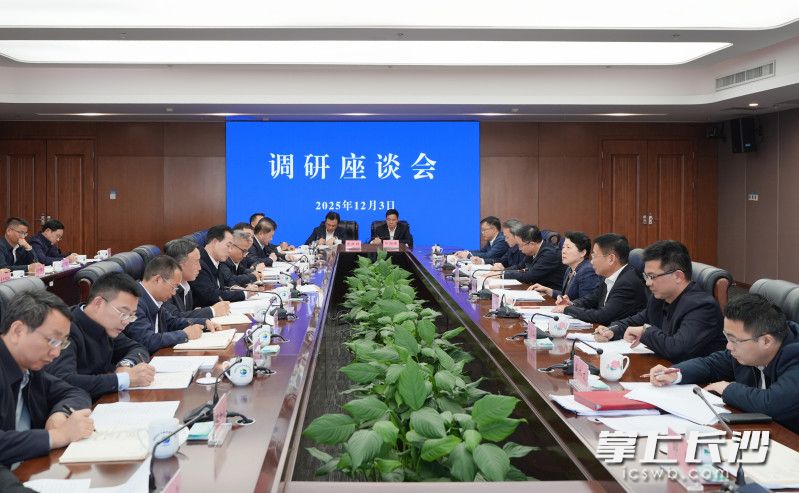
吴桂英强调,临近岁末年终,要聚精会神抓好经济建设这一中心工作和高质量发展这一首要任务,牢固树立 和践行正确政绩观,补齐短板弱项,强化项目支撑,完善要素保障,持续为企业纾困解难、聚势赋能,奋力攻坚 四季度、齐心打赢收官战。要强化民生保障,用心用情办好民生实事,抓好稳岗就业,提升公共服务水平。要强 化底线工作,从严抓好冬季大气污染防治工作,统筹抓好重点领域安全隐患排查整治,确保社会大局和谐稳定。 要严实纪律作风,驰而不息纠治"四风",不断巩固风清气正的政治生态。 陈博彰指出,宁乡要进一步强化"大县挑大梁、强县强担当"的责任感使命感,以更高站位推动产业提质升 级,以更实举措推进乡村全面振兴,以更强担当守牢安全风险底线,全力打好"十四五"收官战,科学谋划"十五 五"新蓝图。 12月3日,省委常委、市委书记吴桂英在宁乡宣讲党的二十届四中全会、省委十二届九次全会精神,调研经济 社会发展情况。她强调,要坚定信心决心,奋力冲刺攻坚,确保"十四五"收好官,"十五五"开好局。市委副书 记、代市长陈博彰参加。 12月3日,省委常委、市委书记吴桂英在宁乡宣讲党的二十届四中全会、省委十二届九次全会精神,调研经济 社会发展情况。 座谈会 ...
三论学习贯彻省委八届八次全会精神
Hai Nan Ri Bao· 2025-12-04 02:46
以海南高质量发展服务全国大局 ──三论学习贯彻省委八届八次全会精神 海南日报评论员 促进高质量发展,要统筹谋划、协同发力。高质量发展不只是一个经济要求,而是对经济社会发展 方方面面的总要求。其中,发展壮大具有海南特色和优势的现代化产业体系是根基;加强路网、电网、 光网、气网、水网等基础设施建设是支撑和保障;高质量建设国家生态文明试验区,守好生态家底是必 然要求;推动共同富裕是高质量发展的根本目标。为此,要着力打造具有海南特色和优势的现代化产业 体系,推动主导产业优化升级;加强同粤港澳大湾区联动发展,深度融入共建"一带一路",在推进高水 平对外开放中发挥牵引作用;守护好生态家底,高质量建设国家生态文明试验区;加强普惠性、基础性、 兜底性民生建设,扎实推进共同富裕。 促进高质量发展,要精准发力、筑牢根基。全会聚焦海南高质量发展,提出"45432"的发展战略框 架,这是我们夯实自贸港发展根基的重要着力点。具体来说,就是推动四大主导产业补链延链、优化升 级;培育壮大"五向图强"新质生产力;推动生物制造、氢能、脑机接口、具身智能等"四新"未来产业创新 发展;做优离岛免税、医疗、教育"三篇消费文章";加快建设人才荟萃之岛 ...
省委举行新闻发布会介绍和解读省委十二届十次全会精神
Da Zhong Ri Bao· 2025-12-04 01:09
Core Viewpoint - The Shandong Provincial Committee has introduced the "15th Five-Year Plan" aimed at establishing a modern socialist province, building on the achievements of the "14th Five-Year Plan" and addressing new challenges and opportunities in the coming years [2][3]. Summary by Sections Overall Economic Development - The "14th Five-Year Plan" has seen significant achievements, with 8 out of 21 key indicators completed ahead of schedule and 13 meeting expectations, laying a strong foundation for the "15th Five-Year Plan" [2][3]. Key Objectives and Tasks - The "15th Five-Year Plan" includes 14 sections and 60 articles, focusing on the guiding ideology, main goals, and key tasks for the province's development, reflecting central requirements and local characteristics [3][4]. Strategic Focus Areas - The plan emphasizes 11 key tasks for economic and social development, including the construction of a modern industrial system, which is deemed essential for the province's growth [5][6]. - Specific initiatives include enhancing traditional industries and fostering new ones, with a focus on green and high-quality development [5][6]. Innovation and Technology - The plan highlights the importance of technological innovation, aiming to establish Shandong as a leading innovative province and integrate technology with industry [6][7]. Open Economy - The strategy aims to optimize the open economy framework, enhancing international competitiveness and expanding foreign trade and investment [7][8]. Regional Coordination - The plan addresses regional development, promoting coordinated growth across urban areas and implementing major national strategies [8][9]. Social Welfare and Employment - The plan prioritizes social welfare, with a focus on employment and improving living standards, aiming for a sustainable and equitable social security system [9].