
极端天气

Search documents
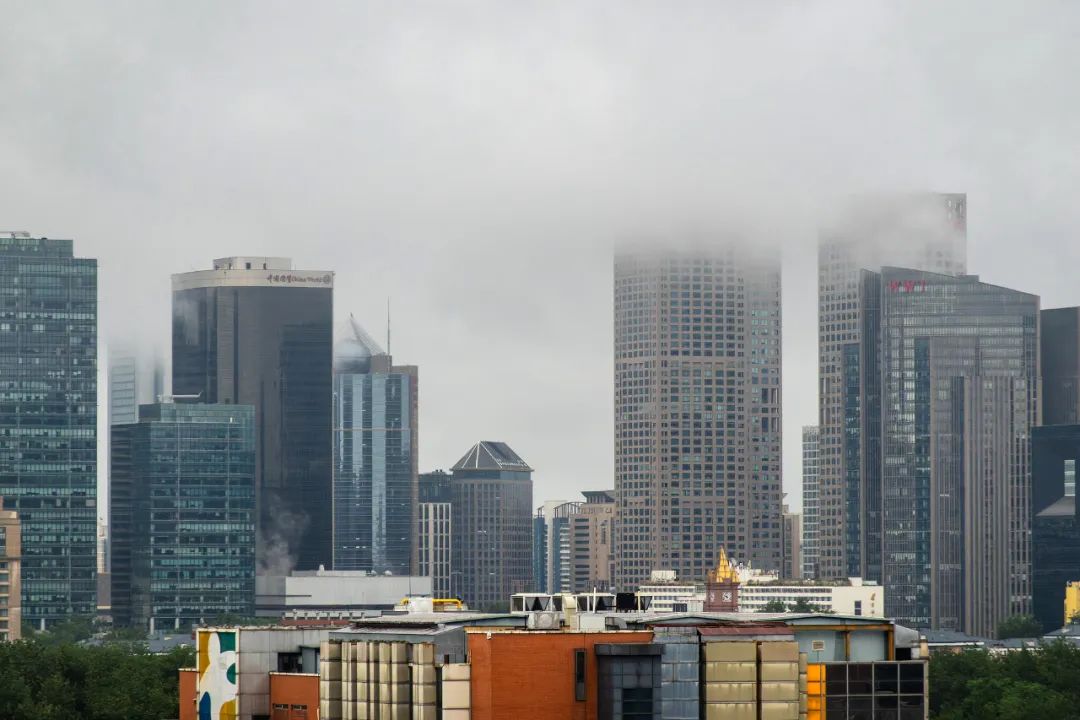
暴雨大暴雨,又来了!北方地区夏季暴雨主要受什么影响?极端降雨预报难在哪?知名专家解读……
Mei Ri Jing Ji Xin Wen· 2025-08-02 12:59
Group 1 - The article discusses the increasing frequency and intensity of extreme weather events, such as prolonged rainfall and heatwaves, attributed to global climate change [1][16][17] - Beijing experienced its longest recorded rainfall event lasting 147 hours, highlighting the severity of recent weather patterns [6][14] - The Central Meteorological Administration issued multiple weather warnings, indicating widespread heavy rainfall and potential severe weather across various regions [3][5] Group 2 - The challenges of accurately predicting extreme precipitation events are emphasized, particularly due to the unpredictable nature of small-scale convective systems [7][8] - The article notes that the warming atmosphere increases its capacity to hold moisture, leading to more intense rainfall events [9][18] - The T8 atmospheric circulation pattern is identified as a significant contributor to summer rainfall in northern China, with historical data showing its correlation with extreme precipitation events [10][12][13] Group 3 - The need for improved public engagement in weather forecasting and disaster preparedness is highlighted, suggesting that community involvement can enhance the effectiveness of early warning systems [19][20][22] - The article stresses the importance of interdisciplinary approaches to address the complexities of extreme weather forecasting and response [22] - The impact of extreme weather, such as hailstorms, on agriculture and infrastructure is discussed, indicating a need for better predictive capabilities [23][25]

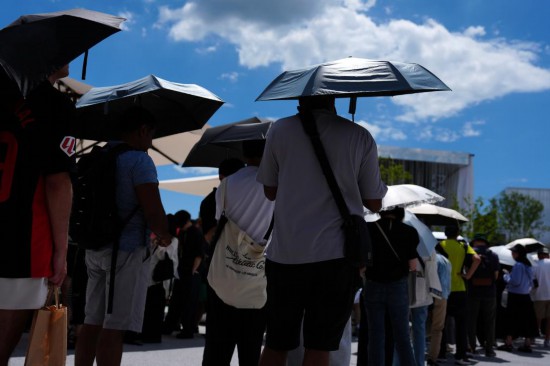
高温少雨持续 日本多地水库蓄水量告急
Xin Hua Wang· 2025-08-02 06:01
Core Viewpoint - Japan is facing a severe water shortage due to prolonged high temperatures and reduced rainfall, impacting agricultural production and prompting government intervention [1][2]. Group 1: Weather Conditions - Japan has experienced record high temperatures, with many areas exceeding 40 degrees Celsius [1]. - Rainfall in regions such as Ishikawa Prefecture has dropped significantly, with Kanazawa City recording only 1% of the average rainfall for July [1]. Group 2: Water Resource Status - As of July 31, 33 reservoirs managed by the Ministry of Land, Infrastructure, Transport and Tourism are below average water levels, with two reservoirs in Iwate and Miyagi Prefectures completely depleted [2]. - A major river in Myoko City, Niigata Prefecture, has dried up due to lack of rainfall [2]. Group 3: Agricultural Impact - Key rice-producing areas like Fukui, Niigata, and Nagano Prefectures are experiencing severe water shortages, adversely affecting rice growth [2]. - The ongoing extreme weather conditions are expected to reduce milk production and decrease the size of eggs [2]. Group 4: Government Response - The Ministry of Agriculture, Forestry and Fisheries has established a "Water Shortage and High Temperature Response Headquarters" to address the crisis and promote water conservation measures [2]. - The Minister of Agriculture, Forestry and Fisheries, Koizumi Shinjiro, emphasized the need for effective water resource management to mitigate the impact on crops [2].
2025年8月1日集运日报:市场氛围偏空,大宗商品均下跌较多,盘面偏弱震荡,近期波动较大,不建议继续加仓,设置好止损。-20250801
Xin Shi Ji Qi Huo· 2025-08-01 11:38
1. Report Industry Investment Rating No relevant information provided. 2. Core View of the Report - The market sentiment is bearish, with significant declines in commodities and the futures market showing weak oscillations and high volatility. It is not recommended to increase positions, and stop - losses should be set. Due to geopolitical conflicts and tariff uncertainties, the trading environment is complex, and it is advised to participate with light positions or stay on the sidelines [1][3]. 3. Summary by Relevant Content 3.1 Shipping Index - On July 28, the Shanghai Export Container Settlement Freight Index (SCFIS) for the European route was 2400.50 points, down 0.9% from the previous period; the SCFIS for the US - West route was 1301.81 points, up 2.8% from the previous period [2]. - On July 25, the Ningbo Export Container Freight Index (NCFI) composite index was 1110.57 points, down 3.26% from the previous period; the NCFI for the European route was 1422.9 points, down 1.20% from the previous period; the NCFI for the US - West route was 1120.51 points, down 5.19% from the previous period [2]. - On July 25, the Shanghai Export Container Freight Index (SCFI) composite index was 1592.59 points, down 54.31 points from the previous period; the SCFI for the European route was 2090 USD/TEU, up 0.53% from the previous period; the SCFI for the US - West route was 2067 USD/FEU, down 3.50% from the previous period [2]. - On July 25, the China Export Container Freight Index (CCFI) composite index was 1261.35 points, down 3.2% from the previous period; the CCFI for the European route was 1787.24 points, down 0.9% from the previous period; the CCFI for the US - West route was 880.99 points, down 6.4% from the previous period [2]. 3.2 Economic Data - In the Eurozone in June, the preliminary manufacturing PMI was 49.4 (expected 49.8, previous 49.4), the preliminary services PMI was 50 (a 2 - month high, expected 50, previous 49.7), the preliminary composite PMI was 50.2 (expected 50.5, previous 50.2), and the Sentix investor confidence index was 0.2 (expected - 6, previous - 8.1) [2]. - In June, the Caixin China Manufacturing PMI was 50.4, 2.1 percentage points higher than in May, and the same as in April, returning above the critical point [2]. - In the US in June, the preliminary Markit manufacturing PMI was 52 (the same as in May, higher than the expected 51, the highest since February); the preliminary services PMI was 53.1 (lower than the previous 53.7, higher than the expected 52.9, a two - month low); the preliminary composite PMI was 52.8 (lower than the previous 53, higher than the expected 52.1, a two - month low) [2]. 3.3 Market News - Trump continued to impose tariffs on multiple countries, mainly in Southeast Asia, which further hit re - export trade. Some shipping companies announced price increases. The Trump administration postponed the tariff negotiation date to August 1. The spot market price range has been set, with small price increases to test the market, and the futures market rebounded slightly [3]. - On July 31, the main contract 2510 closed at 1425.1, down 4.66%, with a trading volume of 46,300 lots and an open interest of 51,800 lots, a decrease of 3056 lots from the previous day [3]. 3.4 Trading Strategies - Short - term strategy: The short - term futures market may mainly rebound. Risk - takers were advised to go long lightly on the 2510 contract below 1300 (with a profit margin of over 300 points), and partially take profits; they were also advised to go short lightly on the EC2512 contract, pay attention to the subsequent market trend, not hold losing positions, and set stop - losses [4]. - Arbitrage strategy: Against the backdrop of international turmoil, the market is mainly in a positive spread structure with high volatility. It is recommended to stay on the sidelines or try with light positions [4]. - Long - term strategy: For all contracts, it was recommended to take profits when prices rose, wait for the market to stabilize after a pullback, and then determine the subsequent direction [4]. 3.5 Contract Adjustments - The daily price limit for contracts 2508 - 2606 was adjusted to 18%. - The company's margin for contracts 2508 - 2606 was adjusted to 28%. - The daily opening limit for all contracts 2508 - 2606 was set at 100 lots [4].
“安全冗余”并不多余
Xin Hua Ri Bao· 2025-07-31 10:24
Core Viewpoint - The articles emphasize the importance of "safety redundancy" in urban planning and disaster management to mitigate the impacts of extreme weather events, which are increasingly recognized as a significant global risk [1][2][3] Group 1: Extreme Weather and Urban Vulnerability - Jiangsu Province is currently facing severe weather due to Typhoon No. 8, highlighting the need for effective disaster preparedness and response measures [1] - Extreme weather events, such as droughts and heavy rainfall, are becoming more frequent, necessitating a reevaluation of urban infrastructure and safety protocols [1][2] - The tragic incident of a fallen tree during a storm underscores the vulnerabilities in urban management, where aging infrastructure and lack of proper maintenance can lead to catastrophic outcomes [2] Group 2: Importance of Safety Redundancy - "Safety redundancy" is defined as having backup systems in place to manage risks effectively, which is crucial in preventing disasters when primary defenses fail [1][2] - The lack of investment in safety redundancy is often due to the misalignment of costs and benefits, where the benefits of preventing disasters are not immediately visible [2] - The concept of safety redundancy is increasingly recognized in urban planning, with calls for cities to incorporate sufficient backup measures to handle extreme weather events [3] Group 3: Recommendations for Urban Resilience - The Central Urban Work Conference has called for the construction of resilient cities, emphasizing the need for redundancy in urban planning to prepare for unforeseen disasters [3] - Urban planners are encouraged to consider extreme weather factors in their designs, ensuring that adequate emergency shelters and flood control measures are in place [3] - Public awareness and education on risk management are essential components of building a resilient urban environment, promoting individual preparedness alongside institutional measures [3]
灾害无情人有备!这本防灾手册+实用好物,请收好!
第一财经· 2025-07-31 10:15
Group 1 - The article emphasizes the importance of preparedness in the face of extreme weather events, highlighting that while disasters may be unpredictable, proactive measures can provide safety for individuals and families [1] - A comprehensive disaster preparedness manual titled "Disaster Prevention, It Turns Out!" has been developed, covering five key dimensions: disaster preparation, understanding disaster and public health knowledge, practical responses in various scenarios, emergency treatment strategies, and post-disaster recovery [4] - The manual aims to simplify complex knowledge through 181 pages of full-color printing and illustrated instructions, making it accessible for families to prepare for potential disasters [6] Group 2 - The article discusses the impact of extreme weather on urban areas, emphasizing the need for large cities to adopt "big probability thinking" to address "small probability events" through emergency management and long-term resilience building [8] - It highlights the insurance industry's response to extreme weather, noting that the traditional concept of seasonal disasters is becoming obsolete, prompting the industry to innovate in catastrophe risk solutions [9] - The article also mentions various design solutions being explored globally, such as sponge cities and indigenous wisdom, to creatively address climate challenges [10]

集体默哀!北京密云一养老中心31人遇难:未列入转移范围,承认预案有漏洞
证券时报· 2025-07-31 10:12
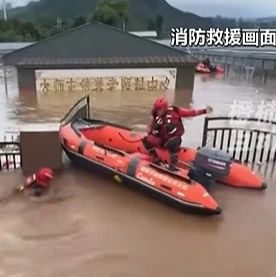
今天下午,北京市人民政府新闻办公室举行北京市防汛救灾新闻发布会。发布会现场,全体起立,为遇难者默哀。 北京市委常委、常务副市长夏林茂介绍,7月23日到29日,本市遭遇极端强降雨,密云、怀柔、平谷、延庆4个北部山区突发山洪,造成重大人员伤亡和财产 损失。 截至7月31日12时,全市因灾死亡44人,失踪失联9人。其中,密云太师屯镇养老照料中心死亡31人。失踪失联人员中,有4名是一线抢险救援的村干部。 北京洪涝灾害共造成30余万人受灾,2.4万间房屋受损 夏林茂介绍,这次洪涝灾害共造成30余万人受灾,2.4万间房屋受损。本轮极端强降雨中,北部山区312个行政村的基础设施损毁严重。 6月1日以来,全市降雨量比同期增多75%。本轮强降雨主要集中在北部的山区,密云区平均降雨量366.6毫米,平谷区平均降雨量347.9毫米,怀柔区平均降 雨量230毫米。 上述地区局地多点降水量都达到了500毫米以上。密云郎房峪达到573.5毫米,怀柔东峪的最大小时雨强达到95.3毫米。强降雨形成山洪,叠加上游来水,破 坏力极大。 北京北部山区中40个乡镇、312个行政村的基础设施,在此次极端强降雨的过程中损毁严重。初步统计,交通设施方面, ...

北京一养老中心31人因灾死亡,4名一线抢险救灾村支书失踪失联
21世纪经济报道· 2025-07-31 09:46
记者丨 卢陶然 编辑丨钟映佳 7月31日,据北京市防汛救灾闻发布会消息, 北京因灾死亡44人,9人失踪。其中, 密云太师 屯镇养老照料中心死亡31人,失踪失联人员中有4名是一线抢险救灾的村党支部书记。 发布会 现场,全体起立,为遇难者默哀。 早前报道: 刚刚全体默哀:44人死亡,9人失踪失联 会上,密云区委书记余卫国介绍,汛期前,密云区按照工作预案,根据天气预警情况,提前对 险村险户统计台账上的群众进行转移避险, 全区共转移20个镇街205个村1.6万余人 。 "长期以来,养老中心所在镇中心区域,都是安全的,预案没有将其列入转移范围。这说明我 们的预案是有漏洞的,我们对于极端天气的认识是不足的。"余卫国说,惨痛的教训警醒了我 们,坚持"人民至上、生命至上"不是一句口号,应该踏踏实实落实到措施上。痛定思痛,我们 要始终绷紧安全这根弦,强化底线思维、极限思维。面对日益频繁的极端天气,特别是涉及老 人、孩子以及身体不便人士,绝不能用传统的思维方式来对待这些问题。平时要加强防灾救灾 能力的提高。 据悉,该养老中心位于密云水库上游的太师屯镇街。7月28日清晨,洪水冲进街道,整条街被 淹没,最深处达2米。接到报警后,消防 ...
北京暴雨因灾死亡人数增至44人,一养老中心死亡31人
2 1 Shi Ji Jing Ji Bao Dao· 2025-07-31 09:24
密云区受灾最重的便是太师屯镇,上游的干峪沟12小时降雨量达到290.7毫米(特大暴雨级别),同时 清水河水位暴涨,降雨、山洪、河流洪水叠加。7月28日清晨,清水河流量骤增,最大流量达每秒2800 立方米(超百年一遇),是平时流量的1500倍,迅猛的来水进入太师屯镇区,造成巨大灾害。 7月31日,据北京市防汛救灾新闻发布会消息,北京因灾死亡44人,9人失踪。其中,密云太师屯镇养老 照料中心死亡31人,失踪失联人员中有4名是一线抢险救灾的村党支部书记。 会上,密云区委书记余卫国介绍,汛期前,密云区按照工作预案,根据天气预警情况,提前对险村险户 统计台账上的群众进行转移避险,全区共转移20个镇街205个村1.6万余人。 "长期以来,养老中心所在镇中心区域,都是安全的,预案没有将其列入转移范围。这说明我们的预案 是有漏洞的,我们对于极端天气的认识是不足的。"余卫国说,惨痛的教训警醒了我们,坚持"人民至 上、生命至上"不是一句口号,应该踏踏实实落实到措施上。痛定思痛,我们要始终绷紧安全这根弦, 强化底线思维、极限思维。面对日益频繁的极端天气,特别是涉及老人、孩子以及身体不便人士,绝不 能用传统的思维方式来对待这些问题。 ...
据日本放送协会NHK:日本丹波市的气温达到了41.2摄氏度,是日本有记录以来的最高气温。
news flash· 2025-07-30 05:57
Group 1 - The highest recorded temperature in Japan reached 41.2 degrees Celsius in Tamba City [1]
极端天气“烤验”大宗商品衍生品工具巧解“气候风险”难题
Zhong Guo Zheng Quan Bao· 2025-07-25 21:07
Core Insights - Extreme weather events are increasingly impacting global commodity markets, with significant effects on supply and demand dynamics across various sectors [1][2][3] Group 1: Impact on Commodity Markets - The extreme heat in the Northern Hemisphere has led to record high temperatures in regions such as Spain, France, and Italy, while the Southern Hemisphere is experiencing unprecedented cold [1] - Extreme weather is identified as a key factor affecting global economic stability, with events like heatwaves and droughts posing significant threats to agricultural supply chains [2][3] - High temperatures are causing electricity shortages in certain areas, which may disrupt industrial production continuity [2][3] Group 2: Price Movements and Market Reactions - The coal, non-ferrous metals, and steel sectors in the A-share market have seen significant price increases, with indices rising by 7.22%, 10.75%, and 17.94% respectively since July [3] - In the futures market, coal and steel indices have surged by 38.47% and 2.56% respectively, reflecting strong demand driven by extreme weather conditions [3][4] - Agricultural markets are experiencing mixed effects, with high temperatures potentially leading to reduced yields for crops like corn and wheat, while also benefiting others like soybeans under certain conditions [3][4] Group 3: Risk Management Strategies - Investors are advised to diversify their portfolios to mitigate risks associated with extreme weather, particularly in sectors highly sensitive to climatic changes [6][7] - The use of weather derivatives, such as temperature index futures, is recommended for hedging against potential declines in agricultural yields and price increases in commodities [8] - The development of weather-related financial instruments in China is progressing, with new temperature indices being introduced to help manage weather risks in agriculture and other sectors [8]