气候风险

Search documents
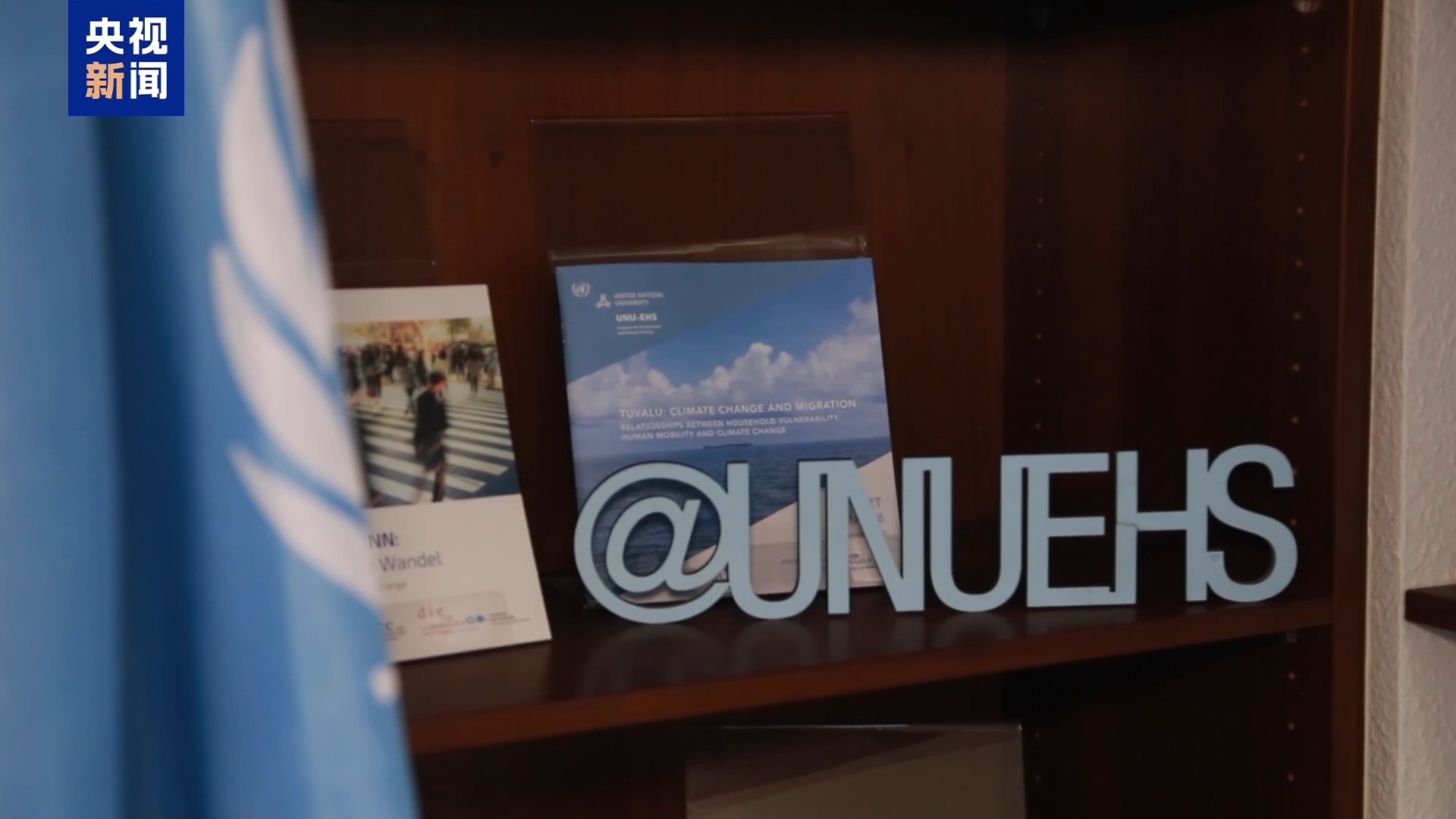
《相互关联的灾害风险报告》发布 分析全球灾害间联系
Yang Shi Xin Wen· 2026-02-22 04:26
Core Insights - The report by the United Nations University Institute for Environment and Human Security analyzes the interconnections between global disasters and aims to help reduce climate risks [1] - The director of the institute emphasizes the need for a proactive narrative that addresses the root causes of risks such as climate change, indicating that current efforts are insufficient [1] Group 1 - The report highlights the importance of understanding the interrelated nature of disasters to effectively mitigate climate risks [1] - The director calls for a focus on fundamental causes to find actionable solutions to the risks faced [1] Group 2 - The United Nations University was established in 1972 and is regarded as the "think tank" of the UN system [3] - The United Nations University Institute for Environment and Human Security was founded in 2003, focusing on climate risks, adaptation, and transformation [3]

让气候风险可知、可控、可防——“SSRC·IAP气候风险数据查询平台”正式发布
Xin Hua Cai Jing· 2026-01-28 22:56
Core Viewpoint - The release of the "Corporate Sustainability Disclosure Standard No. 1 - Climate" marks a significant step in establishing a unified and standardized climate information disclosure system in China [2] Group 1: Climate Disclosure Standards - The Ministry of Finance and nine other ministries have officially released climate standards, indicating a critical advancement in the construction of a climate information disclosure framework in China [2] - The Central University of Finance and Economics Sustainable Standards Research Center is actively supporting the formulation, interpretation, and implementation of corporate sustainability disclosure standards [2] Group 2: Climate Risk Data Platform - The "SSRC·IAP Climate Risk Data Query Platform" was launched to provide authoritative data support for climate risk, aiming to break down information barriers and help companies minimize compliance disclosure costs [1] - The platform includes three main functional modules: climate physical risk query, climate transition risk query, and corporate climate risk identification [1] Group 3: Financial Institutions and Climate Information - Financial institutions are effectively applying climate information for risk assessment and investment decision-making, showcasing the importance of climate data in sustainable finance [3] - The application of climate information in bond ratings was highlighted, demonstrating its critical role in the rating process [3] Group 4: Challenges and Solutions in Climate Compliance - The issue of "climate compliance barriers" faced by companies during internationalization was analyzed, with suggestions for addressing these challenges [3] - A dialogue on the difficulties of corporate climate information disclosure was facilitated, encouraging interaction among participating companies [3]
乳制品行业气候风险再识别:从不可控外力到经营中的可控变量
MSC咨询· 2025-12-25 03:37
Investment Rating - The report provides a comprehensive analysis of the dairy industry, focusing on climate risks and their financial implications, but does not explicitly state an investment rating [1]. Core Insights - The dairy industry is facing significant climate risks that can impact milk production and financial performance. Companies need to assess these risks as controllable variables in their operations rather than as uncontrollable external forces [11][19]. - The report emphasizes the importance of sustainability consulting in helping dairy companies navigate climate-related challenges and improve operational resilience [1][11]. Summary by Sections - **Overview**: The dairy industry is increasingly recognizing climate risks as critical factors affecting production and profitability. Companies are encouraged to adopt strategies that mitigate these risks [6][11]. - **Financial Impact Assessment**: The report discusses how climate risks can directly affect milk yield and overall financial health, urging companies to implement robust risk management frameworks [11][39]. - **Sustainability Strategies**: It highlights the need for dairy companies to integrate sustainability into their business models, focusing on operational adjustments that can lead to better environmental outcomes and financial performance [1][11]. - **Consulting Services**: The role of sustainability consulting is underscored, with recommendations for dairy companies to engage with experts to develop tailored strategies for climate risk management [1][11].
【信用前景展望】中日韩结构性融资
Sou Hu Cai Jing· 2025-12-24 13:22
Core Viewpoint - The structural financing assets in China and South Korea are expected to remain under pressure through 2026 due to ongoing uncertainties in global trade policies, although ratings are likely to remain stable due to risk mitigation measures and existing credit enhancement levels [4]. Group 1: Asset Performance Outlook - Fitch Ratings projects a "deterioration" in the asset performance outlook for China's RMBS and personal auto loans, as well as for South Korean credit cards, while Japan's personal auto loans are expected to have a "neutral" outlook [4]. - The weak economic and income growth prospects in China will exert pressure on RMBS and personal auto loan performance, exacerbated by industry-specific drivers [4]. - If global trade flows are disrupted again, it will further suppress consumer confidence and economic recovery prospects [4]. Group 2: Borrower Pressure and Economic Factors - The ongoing uncertainties in global trade will continue to pressure borrowers, leading to a slight weakening in the performance of unsecured assets in South Korea, despite some relief from loose monetary policies [4]. - In Japan, persistent inflation effects and rising interest rates will continue to pressure household repayment capacity in 2026, although overall asset performance is expected to remain stable [4]. Group 3: Rating Stability - The ratings for structural financing in China, Japan, and South Korea are expected to remain stable in 2026, supported by improved credit enhancement levels and existing structural protection measures [4].
如何应对东道国气候风险,筑牢海外投资安全网?
Zhong Guo Huan Jing Bao· 2025-12-14 23:33
Core Viewpoint - China's outbound direct investment (ODI) is expanding significantly, with 52,000 overseas enterprises established in 190 countries by the end of 2024, including 19,000 in Belt and Road Initiative countries. However, climate risks in host countries are increasingly impacting the safety of these investments, as global temperatures have risen approximately 1.55°C above pre-industrial levels, surpassing the 1.5°C target set by the Paris Agreement, highlighting the urgent need for climate risk management [1]. Group 1: Climate Risks Faced by Chinese Outbound Investment - Chinese outbound investment enterprises face three main climate risk impacts: physical risks that increase operational costs and weaken investment willingness, regulatory challenges from stricter environmental regulations, and limitations imposed by the rising demand for green products and stricter ESG standards [2][3][4]. - Physical risks from climate change lead to higher operational costs due to increased disaster preparedness investments and disruptions in supply chains, which can reduce production efficiency and product delivery [2]. - Stricter environmental regulations in developed economies impose higher compliance costs and technological upgrade pressures on Chinese enterprises, while many developing economies lack the capacity to adapt to climate change, increasing potential investment risks [2][3]. Group 2: Recommendations for Enhancing Investment Quality and Resilience - To effectively address climate risks in host countries and enhance the quality and resilience of China's outbound direct investment, it is recommended to strengthen corporate climate risk management capabilities and stabilize investment willingness [4][5]. - Companies should integrate climate risk assessments into their investment decision-making processes and develop emergency response plans for extreme weather events to mitigate risks from the outset [5]. - Promoting supply chain resilience through diversified and alternative supply networks, as well as leveraging digital supply chain management technologies, is essential to ensure operational continuity [5]. - Enhancing employee health and efficiency management by implementing protective measures against high temperatures and providing climate adaptation skills training can help mitigate the impact of climate disasters on labor productivity [5]. Group 3: Policy Coordination and Financial Support - Strengthening international policy coordination and cooperation mechanisms is crucial for optimizing the cross-border investment environment, including establishing regular dialogues on ecological and environmental policies with developed economies [6][7]. - Developing targeted fiscal and tax support policies for investments in disaster protection, energy-saving equipment, and low-carbon technology can guide enterprises towards a green transition [8]. - Enhancing ESG management capabilities among enterprises and aligning with international ESG disclosure standards will improve transparency and build trust with international investors [8].
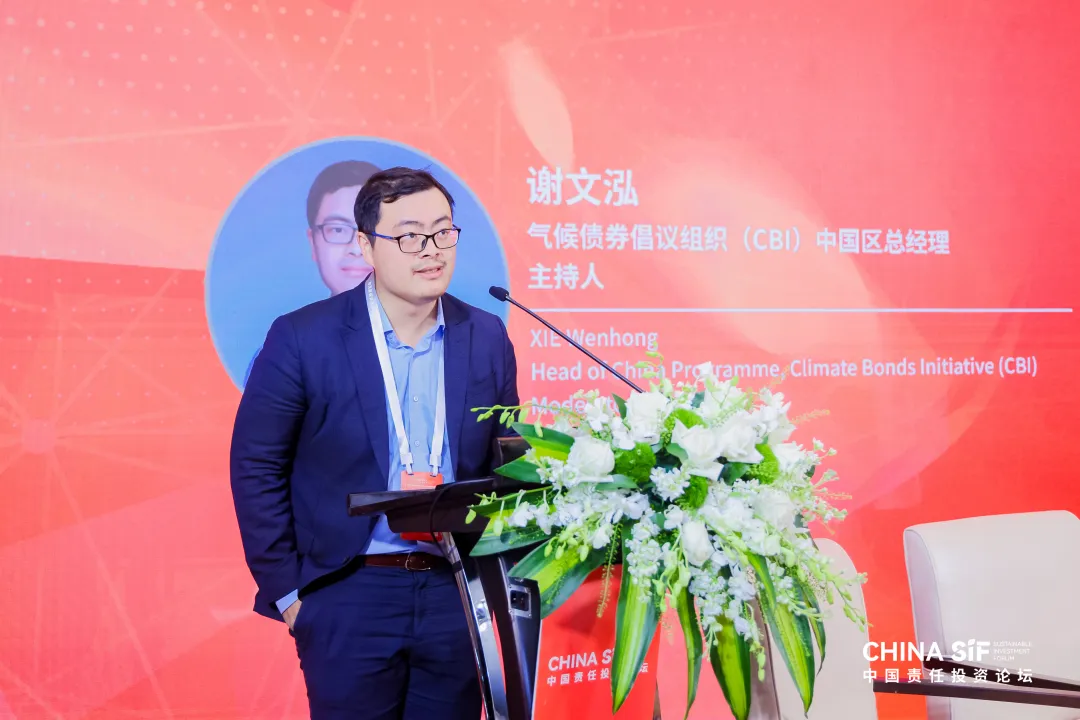
China SIF|各界嘉宾在线热议气候风险的分析与评估
Xin Lang Cai Jing· 2025-12-12 09:09
Core Insights - The 13th China Responsible Investment Forum successfully held discussions on global responsible investment trends and ESG investment opportunities [1][25][46] Group 1: Climate Risk Analysis and Assessment - Climate risk identification and assessment have become critical issues in global financial markets, impacting financial decisions, investment portfolios, and risk management [2][26] - In North America, the focus has shifted from ESG disclosure and net-zero transitions to managing physical climate risks and enhancing climate resilience [2][26] - Regulatory bodies in Europe have mandated banks to conduct climate risk stress tests, with significant progress in China regarding climate-related information disclosure and stress testing [2][26] Group 2: ESG Governance and Green Transition - The main theme of the keynote speech by the ESG research head of Harvest Fund was driving green low-carbon transitions in listed companies through ESG governance [4][28] - A-share listed companies are making significant progress in environmental governance, information disclosure, green innovation, and climate risk response, transitioning from compliance-driven to intrinsic-driven ESG governance [4][28] Group 3: Challenges in Climate Risk Management - Companies face challenges in climate change response, including stricter regulatory requirements and the need for high-quality climate information disclosure [8][32] - There is a trend from qualitative analysis to quantitative assessment in climate risk disclosure, but accurately measuring the financial impact of climate risks remains difficult [8][32] Group 4: Financial Institutions' Role - Financial institutions must build internal capabilities for climate risk identification and management, integrating climate risks into overall strategies [6][30] - The financial impact of climate risks varies by industry, location, and risk type, with physical risks damaging assets and operations, while transition risks reshape cost and revenue through low-carbon opportunities [12][36] Group 5: Collaborative Efforts and Future Directions - Jiangsu Bank aims to deepen cooperation with UNEP FI to enhance its service capabilities and contribute to biodiversity protection and the "Beautiful China" initiative [10][34] - The Nordea Asset Management emphasizes the importance of investing in the transition process itself, not just in low-emission companies, to achieve economic growth alongside decarbonization [14][38] - Central banks have conducted climate risk stress tests, indicating that existing capital adequacy requirements can withstand climate risks, suggesting a shift in policy focus towards enhancing financial systems' support for low-carbon transitions [16][40]
深耕“十四五” 笃行践初心 中国再保以专业之力答好气候风险“必答题”
Jin Rong Shi Bao· 2025-12-10 02:12
Core Viewpoint - Global climate governance is at a critical juncture, with 2025 marking the 10th anniversary of the Paris Agreement and the 5th anniversary of China's "dual carbon" goals, indicating a shift towards a more aggressive approach to climate change [1] Group 1: Climate Change Impact and Financial Sector Role - Climate change risks are escalating rapidly, with 2024 projected losses from climate-related disasters reaching approximately $320 billion globally, with insurance losses around $140 billion, significantly above the average of the past 30 years [2] - In China, direct economic losses from natural disasters are expected to reach 401.1 billion yuan in 2024, accounting for about 0.3% of the national GDP, with an average annual loss exceeding 360 billion yuan from 2012 to 2024 [2] Group 2: Insurance and Reinsurance Industry's Response - The insurance and reinsurance sectors are crucial in managing climate risks, transitioning from optional to essential roles in ensuring financial stability and fulfilling social responsibilities [3] - China Reinsurance (Group) Corporation is positioned as a key player in the reinsurance industry, integrating climate change responses into its corporate strategy and enhancing its climate risk management capabilities [4] Group 3: Innovations and Initiatives - China Re has developed a unique "China Re Plan" to systematically deepen climate risk research and enhance the supply of climate financial products and services [4] - The company has actively participated in pilot projects across 24 provinces, contributing to the establishment of a comprehensive disaster risk protection network [6] Group 4: Technological Advancements - Technological innovation is central to improving climate risk management, with China Re establishing a dedicated technology company for catastrophe risk research and developing proprietary disaster models [7] Group 5: Global Collaboration and Market Expansion - China Re is expanding its global footprint, with operations in 11 countries and regions, effectively dispersing domestic catastrophe risks internationally and learning from global best practices [8] Group 6: Future Plans and Strategic Goals - The company has outlined a clear development blueprint in its "Action Outline for Climate Change Response (2025-2035)," aiming to become a leading provider of climate risk management solutions by 2030 and a top-tier financial enterprise by 2035 [12][13] - The outline includes ten major actions focusing on enhancing national disaster insurance design, improving industry climate risk management, and participating in global climate governance [13]
全球经济处于脆弱韧性状态
Jing Ji Wang· 2025-12-08 03:24
Core Insights - The UN Conference on Trade and Development (UNCTAD) report indicates that the global economy is in a state of "fragile resilience" for 2024-2025, characterized by superficial stability but underlying weaknesses and accumulating risks [1] - Global economic growth is projected to slow to 2.6% in 2025, down from 2.9% in 2024 [1] Demand-Side Weakness - Global demand is weak, with sluggish domestic spending and consumer purchasing power under pressure, particularly due to high interest rates that suppress economic activity and domestic demand [1] - The inability of demand to spontaneously recover is identified as a primary reason for the lack of internal momentum in growth [1] Investment Weakness - There is a notable lack of investment momentum, particularly in private investment and fixed capital formation, leading to delayed capital expenditures by businesses due to high financing costs and uncertain profit outlooks [1] - The absence of investment sources to drive the next growth cycle is eroding long-term growth potential [1] Economic Outlook and Uncertainties - The global economic outlook is skewed towards a downward trend, with multiple uncertainties affecting recovery, including sustained high interest rates that increase financing costs for businesses and governments [2] - Trade policy uncertainties remain at historically high levels, impacting corporate investment and contributing to a slowdown in global trade [2] Systemic Risks and Climate Impact - Geopolitical tensions, trade wars, and regional supply chain restructuring are expected to exacerbate systemic risks by 2025 [3] - Climate-related extreme events are increasing in developing countries, leading to disruptions in food prices and supply chains, which in turn strain public investment [3] Debt Risks - Developing countries face significant debt risks, with 35 out of 68 low-income countries either in or at high risk of debt distress, which could lead to long-term output declines and increased borrowing costs [3] Policy Recommendations - The report suggests major policy shifts to stabilize macroeconomic and financial conditions, including avoiding overly tight monetary policies and expanding fiscal space [4] - It emphasizes the need for a restructured global financial architecture to lower financing costs and enhance funding access for developing countries [4] - A trade system centered on development is recommended to reduce uncertainties and strengthen multilateral cooperation [4] - Addressing climate and debt risks through expanded climate financing and debt architecture reforms is crucial [4] - Coordination among trade and financial policies is essential to effectively respond to systemic downward risks [4]
联合国贸发会议报告显示:全球经济处于脆弱韧性状态
Jing Ji Ri Bao· 2025-12-07 23:26
Core Viewpoint - The UN Conference on Trade and Development (UNCTAD) report indicates that the global economy is in a state of "fragile resilience" for 2024-2025, characterized by superficial stability but underlying weaknesses and accumulating risks, with a projected slowdown in global economic growth to 2.6% in 2025 from 2.9% in 2024 [1] Group 1: Economic Conditions - Global economic growth is transitioning from weak to a lower decline trajectory due to weak global demand, sluggish private investment, and a low manufacturing cycle [1] - Domestic spending is low in many economies, with household purchasing power under pressure, particularly due to high interest rates suppressing economic activity and domestic demand [1] - Weak fixed investment and low private sector investment are leading to a lack of expansion willingness among businesses, further eroding long-term growth potential [1] Group 2: Financial and Trade Uncertainties - The global economic outlook is leaning downward, with multiple uncertainties affecting recovery, including high interest rates increasing financing costs for businesses and governments [2] - Trade policy uncertainties remain at historically high levels, impacting corporate investment and leading to a slowdown in global trade, which further drags down manufacturing investment and employment growth [2] Group 3: Systemic Risks and Recommendations - Geopolitical tensions, supply chain restructuring, and climate risks are expected to exacerbate systemic risks by 2025, particularly affecting developing economies [3] - Developing countries face significant debt risks, with 35 out of 68 low-income countries either in or at high risk of debt distress, which could lead to long-term output declines and increased borrowing costs [3] - The report suggests major policy shifts are necessary to return to a balanced and sustainable global growth path, including stabilizing macroeconomic conditions and reforming the global financial architecture [4]
房产中介抱怨销量受损,Zillow下架气候风险评分
Xin Lang Cai Jing· 2025-12-02 09:19
Core Insights - Zillow has removed climate risk scores from over 1 million property listings due to complaints from real estate agents about declining sales [1][5] - The climate risk score was initially added in September 2024, with over 80% of buyers considering climate risk when purchasing homes [1][5] - The removal of the score has replaced it with a less prominent link to data from the climate risk analysis startup First Street [1][5] Company and Industry Analysis - First Street's climate risk score was first introduced on Realtor.com in 2020 and is still displayed on that platform, as well as on Redfin and Homes.com [1][5] - CRMLS CEO Art Carter expressed concerns that showing the probability of flooding for specific homes could significantly impact their perceived attractiveness [6] - First Street defends its data accuracy, stating that their model is based on transparent, peer-reviewed scientific principles and is continuously validated against real-world outcomes [6] - The real estate and insurance industries are increasingly focused on addressing the severe weather issues caused by climate change, with discussions ongoing between investors, insurance companies, and cities regarding climate risk data [7]