生物多样性

Search documents
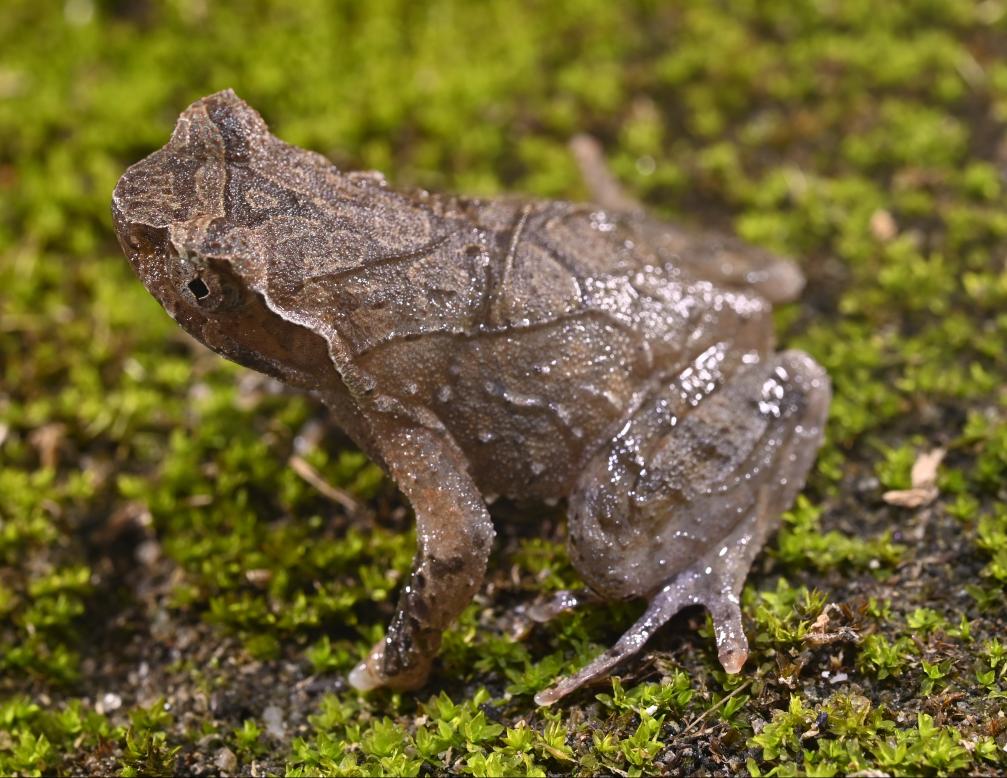
江西发现两栖类新物种黄牛石角蟾
Xin Hua She· 2025-09-11 03:40
Core Insights - A new amphibian species, the Huangniushi Toad, has been discovered in the Jiulian Mountain National Nature Reserve, with research results published on September 10 in the international journal Zootaxa [1][2]. Group 1: Discovery Details - Researchers Wu Xiaogang and Zhuo Xiaohai found an unknown toad species in the Huangniushi area of the reserve in August 2024 [2]. - Genetic sequencing and morphological analysis revealed significant genetic and morphological differences from known species in the Bufonidae family, confirming it as a new species [2]. Group 2: Species Characteristics - The Huangniushi Toad belongs to the Bufonidae family and is named after its discovery location [5]. - Male individuals measure approximately 37.9-40.7 millimeters in length, with distinctive features such as a rounded snout, yellow-brown back with black "X" markings, and a white belly adorned with red spots [5]. Group 3: Conservation Significance - The discovery of the Huangniushi Toad enriches the species lineage of the Bufonidae family globally and highlights China's efforts in maintaining biodiversity and preserving genetic resources in subtropical mountainous regions [5].

生物多样性本底调查公布进展 上海发现151个新“居民”
Jie Fang Ri Bao· 2025-09-11 01:48
Core Insights - Shanghai has initiated its first comprehensive biodiversity baseline survey by the end of 2023, with significant progress reported by the Shanghai Municipal Ecology and Environment Bureau [1] - The survey has led to the discovery of two new species and 149 new recorded species in Shanghai, including 10 large fungi, 17 higher plants, and 122 insects [1][2] - Advanced technologies such as optical satellites and drones have significantly enhanced the efficiency and accuracy of the biodiversity survey [2] Group 1 - The field survey has nearly been completed, with only a few districts and natural reserves remaining [1] - The confirmed new species, Shanghai knee-joint beetle and Shanghai tortoise beetle, are significant for understanding the biodiversity of Chongming Island [1][2] - A potential new species of diatom has been discovered, pending further classification verification [1] Group 2 - The survey has covered over 300 terrestrial investigation sites and more than 100 aquatic investigation points, totaling 37,000 survey locations, marking an unprecedented scale [2] - In Chongming District, the survey recorded 3 species of nationally protected wildlife, 22 species of second-level protected wildlife, 2 species of second-level protected plants, 2 new species, and 239 new recorded species in Shanghai, leading all 16 districts [2] - The discovery of new moss species in Huangpu District and a new insect species in Changning District has surprised many professionals, indicating a richer biodiversity than previously thought [3]
城市里的奇趣“植物乐园”
Ren Min Ri Bao· 2025-09-10 22:13
Core Points - The "Fuli Palace" greenhouse complex in Kunming, Yunnan, has attracted many visitors this summer, showcasing its unique appeal as a botanical paradise [6][7]. - The "Fuli Palace" is recognized as the world's earliest documented greenhouse, originally established during the Han Dynasty for cultivating southern fruit trees [7]. - The complex houses over 2,500 species of tropical plants, including tropical fruits like starfruit and guava, as well as desert plants such as cacti [7]. Summary by Sections - **Visitor Attraction**: The "Fuli Palace" greenhouse complex has become a popular destination for tourists, particularly during the summer season [6]. - **Historical Significance**: The greenhouse is historically significant, being the first documented greenhouse in the world, dating back to the Han Dynasty [7]. - **Biodiversity Display**: The complex serves as a showcase for biodiversity, featuring a wide variety of tropical and desert plants, thus promoting awareness of global biological diversity [7].
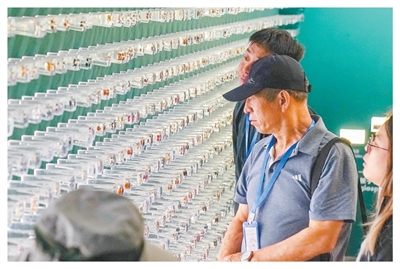
三日海洋公益行,守护这片蔚蓝
Zhong Guo Zi Ran Zi Yuan Bao· 2025-09-01 10:20
Core Viewpoint - The "Xianyu Love Ocean Public Welfare Exploration Action" successfully concluded, focusing on marine conservation and ecological education through various engaging activities [4][10]. Group 1: Event Overview - The event took place from August 8 to August 10, organized by the SEE Foundation and the Beibu Gulf Dolphin Research Team, involving 30 participants from various backgrounds [4]. - Participants engaged in three main thematic activities aimed at exploring marine ecology and promoting ecological civilization [4]. Group 2: Thematic Activities - The "Chinese White Dolphin" course provided in-depth knowledge about the species, including its biological classification and developmental stages, highlighting its long gestation period and growth phases [6][7]. - The "Exploring Intertidal Zones" course introduced participants to the ecological significance of intertidal zones, detailing the types of intertidal zones and their biodiversity, emphasizing the importance of species diversity for ecological stability [9]. - The "Beach Cleanup" activity allowed participants to actively engage in cleaning beach litter, raising awareness about marine pollution and the importance of individual responsibility in ocean conservation [11][12].

南岭藏珍千树茂 漓江引润万家兴
Guang Xi Ri Bao· 2025-09-01 03:22
Core Viewpoint - The article emphasizes the importance of community involvement in conservation efforts at the Cat Mountain National Nature Reserve, showcasing a successful model where local residents benefit economically from protecting the environment [1][2]. Group 1: Conservation Efforts - The Cat Mountain National Nature Reserve is recognized as a hotspot for biodiversity and is crucial for the conservation of various plant and animal species [1]. - The management of the reserve has shifted from a confrontational approach to a collaborative model, allowing local villagers to participate in conservation while also benefiting economically [2]. Group 2: Economic Development - The village of Gaozhai has transformed from a logging community to a thriving eco-tourism destination, with local businesses such as farm stays and restaurants flourishing [2]. - As of the end of 2024, Gaozhai has developed 54 farm stays and received over 500,000 tourists annually, generating more than 100 million yuan in income from the tourism sector [2]. Group 3: Community Engagement - The article highlights the story of a local villager, Pan Jingsheng, who transitioned from logging to running a successful farm stay, illustrating the positive impact of community engagement in conservation [2]. - The collaborative approach has led to a shift from traditional resource extraction to a sustainable model that emphasizes protecting and benefiting from the natural environment [2].
江苏物种数更新至9266种
Xin Hua She· 2025-08-29 03:33
Core Insights - The Jiangsu Province's first round of biodiversity baseline survey reveals a total of 9,266 species, an increase of 424 species compared to the data published in 2024 [1] - The survey indicates that Jiangsu's biodiversity is characterized by a rich total quantity and diverse types, including 2,913 terrestrial vascular plants, 523 terrestrial vertebrates, 3,216 terrestrial insects, and 2,614 freshwater aquatic organisms [1] Summary by Categories - **Species Growth** - The most notable feature of the survey is the continuous increase in species numbers, with various wild plants and animals increasingly choosing to settle in Jiangsu [1] - **Conservation of Rare and Endangered Species** - The survey records show that Jiangsu has 179 species of nationally protected wild plants and animals, along with 141 species listed as threatened in China's biodiversity red list [1] - Encouragingly, several rare and endangered species have shown stable population growth and expanded distribution, such as the discovery of a wild population of the "plant panda" Uncaria rhynchophylla in Liyang City and the increase in distribution points for the endangered Chinese butterfly, Papilio xuthus, from just a few individuals in 2018 to multiple new locations in Nanjing and Zhenjiang [1]
【宝鸡】发现珍稀濒危野生植物庙台槭稳定种群
Shan Xi Ri Bao· 2025-08-28 22:46
Core Viewpoint - The discovery of a stable population of the rare plant species, Temple Maple, in the Taibai Mountain National Nature Reserve is significant for ecological research and conservation efforts [1][2]. Group 1: Discovery and Characteristics - A natural population of Temple Maple, a nationally protected plant, was found in the water mill ditch of the Taibai Niuwei River Provincial Nature Reserve, with over 30 individuals including mature trees, young trees, and seedlings [1]. - The highest plant reaches 15 meters with a trunk diameter of 25 centimeters, and the species is characterized by its warm gray bark and broad oval leaves [1]. Group 2: Ecological Importance - The discovery fills a distribution gap for Temple Maple in the southwestern foothills of the Taibai Mountain-Xinglong Ridge, which is crucial for studying its ecological habits and conservation mechanisms [2]. - As an ancient relic species, Temple Maple plays a vital role in maintaining biodiversity and ecological balance in its habitat [2]. Group 3: Research and Conservation Plans - The Shaanxi Taibai Mountain National Nature Reserve Management Bureau plans to initiate long-term monitoring of the Temple Maple population, including its distribution, quantity structure, and reproductive status [2]. - The species will be included in a key publicity and protection list to enhance public awareness of conservation efforts [2].
“物种宝库”增至9266种!江苏完成首轮生物多样性本底调查
Yang Zi Wan Bao Wang· 2025-08-28 12:34
Core Insights - Jiangsu Province has completed its first round of biodiversity baseline surveys, recording 9,266 species, an increase of 424 species or 4.6% compared to data published in 2024 [1][3][5] - The province is home to significant ecological areas, including three national nature reserves and a UNESCO World Heritage site, highlighting its unique position in China's ecological security landscape [1][3] Biodiversity Survey Findings - The survey documented 2,913 terrestrial vascular plants, 523 terrestrial vertebrates, 3,216 terrestrial insects, and 2,614 freshwater aquatic organisms [1][3] - Nearly 30 new species were recorded during the survey, including the hairy maple and the umbrella flower ear grass [3][5] Conservation Efforts and Species Recovery - The survey identified 179 species of nationally protected wild plants and animals, with 141 species listed as threatened in China's biodiversity red list [5][7] - The population of the endangered Chinese tiger butterfly has significantly increased, with new distribution points found in Nanjing and Zhenjiang [5][7] - The Yangtze finless porpoise's activity range has expanded throughout the Jiangsu section of the Yangtze River [5][7] Ecological Hotspots and Protection Initiatives - Biodiversity hotspots for terrestrial vascular plants and insects are primarily located in ecologically favorable mountainous areas, while coastal wetlands and Taihu Lake wetlands are rich in terrestrial vertebrates [7] - The results of the survey are being utilized to develop a series of cultural and creative products based on key protected species, exploring new pathways for ecological product value transformation [7]
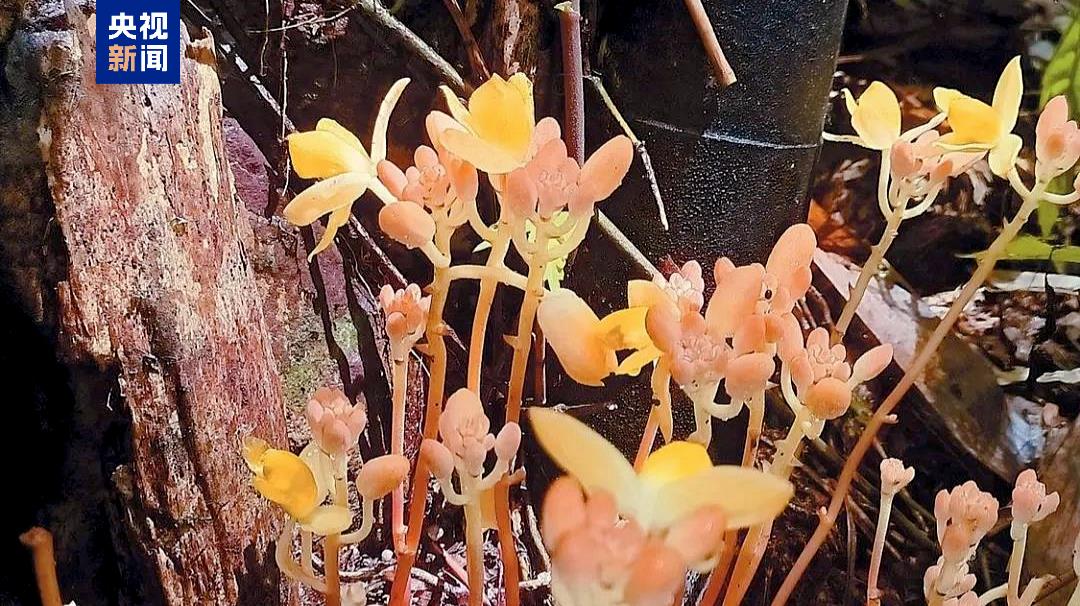
植物也可以这么萌 广西发现22株聚生矮小肉果兰
Yang Shi Xin Wen· 2025-08-27 05:13
Core Insights - A new species of orchid, the dwarf meat orchid, has been discovered in the Qichong National Nature Reserve in Guangxi, adding significant scientific value to the biodiversity record of the area [1][3] Group 1: Discovery and Significance - The dwarf meat orchid is a rare mycoheterotrophic species and is a key protected plant in Guangxi [3] - A total of 22 specimens of the dwarf meat orchid were found, indicating its rarity [3] - This discovery provides valuable ecological samples for understanding the co-evolution mechanisms in subtropical forests [3] Group 2: Biological Characteristics - The meat orchid genus consists of five species, with three found in China: Taiwan meat orchid, blood-red meat orchid, and dwarf meat orchid [3] - The life cycle of the meat orchid remains an evolutionary mystery, as it only emerges above ground during flowering and fruiting [3] - The species does not perform photosynthesis but obtains nutrients through an underground fungal network, highlighting its dependence on a complete "plant-fungi-forest" micro-circulation system [3] - The dwarf meat orchid is considered a "living indicator" of forest ecosystem health due to its unique growth requirements [3]
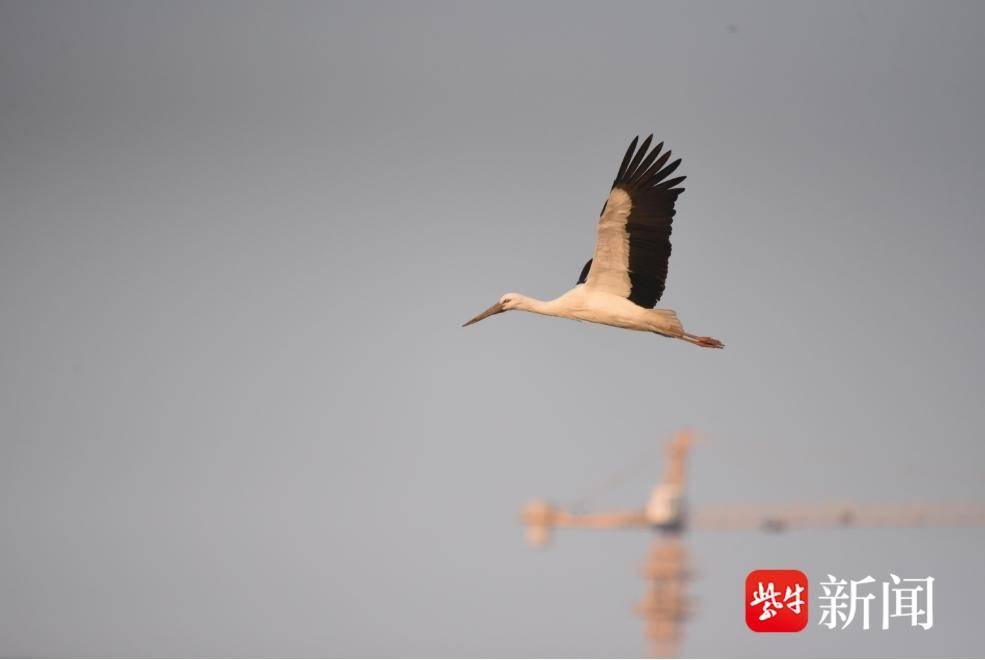
观鸟者镜头里的北京:翅尖掠动藏着生态变迁“绿”动
Zhong Guo Xin Wen Wang· 2025-08-27 01:32
Core Insights - The article highlights the significant ecological improvements in Beijing, particularly through the activities of the "Shanhai Shibei" birdwatching group, which has grown to over 700 members and serves as a reflection of the city's ecological transformation [1][2]. Group 1: Ecological Changes - The birdwatching group's observations indicate a direct correlation between bird species changes and the enhancement of Beijing's ecological system, with a forest coverage rate reaching 44.95% by the end of 2024 [2]. - The city's park green space service radius exceeds 92.92%, showcasing a substantial increase in greenery compared to the 1.3% forest coverage at the founding of New China [2]. - Through two rounds of afforestation projects, the forest coverage in urban areas has increased by 7 percentage points, with the plain area coverage doubling from 14.85% to 31.4% [2]. Group 2: Biodiversity and Habitat - Beijing has developed a connected forest ecological network, transforming isolated ecological islands into expansive habitats, with five major rivers providing migration routes for birds [4]. - The city has recorded 527 bird species, representing over one-third of China's total bird species, ranking second among G20 capitals, with eight new species identified [4]. - The construction of over 2,600 brush piles and 7,800 artificial bird nests has created ideal habitats for various bird species [4]. Group 3: Community Engagement and Future Vision - The "Shanhai Shibei" birdwatching group not only documents ecological changes but also acts as ecological guardians, contributing to the city's vision of harmonious coexistence between nature and urban life [5]. - The article emphasizes the shift in ecological construction from merely increasing green spaces to fostering vibrant ecosystems, reflecting a broader commitment to biodiversity [5].