研发费用加计扣除

Search documents
涉税名词一起学 | 研发费用加计扣除系列(1)什么是研发费用加计扣除?
蓝色柳林财税室· 2025-07-31 00:46
Group 1 - The core concept of R&D expense super deduction is to allow companies to deduct a higher amount of their R&D expenses from taxable income, thereby reducing their tax burden [1][2] - R&D expenses include costs related to research and development activities such as labor, materials, and equipment depreciation [1] - The super deduction policy is a tax incentive aimed at encouraging innovation and enhancing technological competitiveness in the country [1][3] Group 2 - An example illustrates that if a company has an annual revenue of 2 million and R&D expenses of 1 million, without the super deduction, the corporate income tax would be 250,000 [2] - If the company applies a 100% super deduction, the corporate income tax would be reduced to 0 [3]


漫解税收|请注意!出售研发活动中形成的产品和废料时,研发费用加计扣除冲减要准确
蓝色柳林财税室· 2025-07-29 13:20
Group 1 - The article discusses the importance of correctly handling R&D expenses for tax deductions, highlighting that materials consumed during R&D activities must be properly accounted for [2][4] - It emphasizes that any materials directly used in successful product development should be deducted from the R&D expenses, as per the regulations [2][4] - The article points out that any waste or by-products generated during the R&D process should also be considered, and the corresponding costs need to be managed accordingly [2][4] Group 2 - The policy reference is the announcement from the National Taxation Bureau regarding the scope of tax deductions for R&D expenses, which outlines the necessary compliance for companies [4] - The article serves as a reminder for companies to be aware of the specific requirements for R&D expense deductions to avoid potential issues with tax authorities [2][4]

累计新增减税降费预计10.5万亿元、涉税经营主体突破1亿户…… 税收成绩单晒出“十四五”高质量发展亮点
Sou Hu Cai Jing· 2025-07-29 04:20
Group 1 - The core viewpoint of the articles highlights the significant achievements in tax reform and economic development during the "14th Five-Year Plan" period, with a cumulative tax reduction and fee exemption expected to reach 10.5 trillion yuan [1][2] - The number of tax-related business entities in the country has surpassed 100 million, with a net increase of 30 million since 2020 [1] - The tax revenue collected by the tax authorities is projected to exceed 155 trillion yuan, accounting for approximately 80% of total fiscal revenue [1] Group 2 - From 2021 to the first half of this year, the cumulative tax reduction and fee exemption reached 9.9 trillion yuan, with an annual average exceeding 2 trillion yuan [2] - Policies focused on supporting technological innovation and advanced manufacturing accounted for 3.6 trillion yuan of the tax reductions, representing 36.7% of the total [2] - The private economy, including private enterprises and individual businesses, benefited from 7.2 trillion yuan in tax reductions, making up 72.9% of the total [2] Group 3 - The R&D expense deduction policy has been continuously optimized, with companies enjoying a deduction of 3.32 trillion yuan in 2024, reflecting a 25.5% increase from 2021 [3] - High-tech industry sales revenue is expected to grow at an annual rate of 13.9% from 2021 to 2024, with the share of high-tech manufacturing in total manufacturing rising from 15.3% in 2020 to 16.9% in the first half of this year [3] - The integration of the real economy and digital economy is deepening, with the core industries of the digital economy expected to grow at an annual rate of 10.8% from 2021 to 2024 [3] Group 4 - The level of foreign investment in China has steadily increased, with the number of foreign tax-related business entities growing by 12.7% since 2020 [4] - Export tax refunds processed by tax authorities are expected to grow at an annual rate of 6.6% from 2021 to 2024, with a further increase to 7.1% in the first half of this year [4] - The clean energy sector, including wind, solar, and hydropower, is projected to see annual sales revenue growth of 13.1% from 2021 to 2024 [4]
国家税务总局晒出“十四五”时期税收“成绩单” 减税红利为经济发展注入强劲动力
Jin Rong Shi Bao· 2025-07-29 02:33
Group 1 - The core viewpoint of the article highlights the achievements of China's tax reforms and revenue collection during the "14th Five-Year Plan" period, with total tax revenue expected to exceed 155 trillion yuan, accounting for about 80% of total fiscal revenue [1] - The tax revenue (excluding export tax rebates) is projected to surpass 85 trillion yuan, an increase of 13 trillion yuan compared to the "13th Five-Year Plan" period [1] - The cumulative collection of social insurance fees and land transfer fees is expected to exceed 70 trillion yuan during the "14th Five-Year Plan" [1] Group 2 - A series of tax reduction and fee exemption policies have been implemented, with a total expected reduction of 10.5 trillion yuan and export tax rebates exceeding 9 trillion yuan, significantly promoting economic growth [1] - As of mid-2023, the number of tax-related business entities in China has surpassed 100 million, an increase of 30 million since 2020, indicating strong market vitality [1] - The number of individuals benefiting from special additional deductions in personal income tax has reached 119 million, a 55% increase compared to 2020, with the total tax reduction amounting to nearly 300 billion yuan this year [1] Group 3 - During the "14th Five-Year Plan," the construction of a green tax system has been continuously improved, with tax revenues from environmental protection and resource taxes reaching 2.5 trillion yuan, and tax incentives for green development resulting in a reduction of 1.5 trillion yuan [2] - The average annual tax reduction and fee exemption exceed 2 trillion yuan, with private small and micro enterprises being the main beneficiaries [3] - By the end of 2023, the total expected tax reduction and fee exemption will reach 10.5 trillion yuan, with 7.2 trillion yuan benefiting private economic taxpayers [3] Group 4 - Tax revenue has shown steady growth and structural optimization during the "14th Five-Year Plan," with manufacturing tax revenue maintaining around 30% of the total, reflecting its stabilizing role in the economy [4] - The fastest growth in tax revenue comes from modern service industries such as information software and technology services [4] - Direct taxes now account for over 40% of total tax revenue, indicating an enhanced redistributive function of the tax system [4] Group 5 - The contribution of traditional industries like real estate to tax revenue has been declining, while emerging industries are growing but still contribute less to overall tax revenue [5] - The overall tax revenue growth is generally aligned with GDP growth, despite some discrepancies due to tax reduction policies and price fluctuations [5] Group 6 - The convenience of tax payment and filing has improved significantly, with a focus on providing a more user-friendly experience during the "14th Five-Year Plan" [6] - The shift from physical to electronic invoicing has reduced the need for taxpayers to visit tax offices, streamlining the invoicing process [6] - The introduction of intelligent tax declaration systems has minimized manual data entry, allowing for quicker and more accurate tax submissions [7]
“十四五”时期 税收改革发展取得积极效果 税费优惠政策为高质量发展注入强劲动力(权威发布·高质量完成“十四五”规划)
Ren Min Ri Bao· 2025-07-28 22:04
Core Insights - The "14th Five-Year Plan" period is characterized by significant tax reforms and development, with total tax revenue expected to exceed 155 trillion yuan, accounting for approximately 80% of total fiscal revenue [1] - Cumulative new tax reductions and exemptions are projected to reach 10.5 trillion yuan, with export tax refunds exceeding 9 trillion yuan, effectively promoting economic and social development [1] Tax Reduction and Economic Impact - During the "14th Five-Year Plan," a series of tax and fee reduction policies have been implemented, resulting in a cumulative reduction of 9.9 trillion yuan from 2021 to mid-2023, with an expected total of 10.5 trillion yuan by the end of the year [2] - Tax reductions focused on supporting technological innovation and advanced manufacturing, with 3.6 trillion yuan in reductions, accounting for 36.7% of the total [2] - The private economy benefited significantly, with 7.2 trillion yuan in tax reductions for private taxpayers, representing 72.9% of the total [2] Manufacturing and Innovation Growth - Manufacturing development has shown stable growth, with sales revenue from manufacturing enterprises maintaining a 29% share of total enterprise revenue from 2021 to 2024 [3] - High-end and intelligent manufacturing sectors have seen annual sales revenue growth of 9.6% and 10.4%, respectively, with significant year-on-year increases in 2023 [3] - R&D expense deductions have been optimized, with 3.32 trillion yuan in deductions expected for 2024, marking a 25.5% increase from 2021 [3] Green Taxation and Environmental Policies - The green tax system has been continuously improved, with environmental protection and resource taxes generating 2.5 trillion yuan in revenue from 2021 to mid-2023 [4] - Tax incentives for green development have resulted in 1.5 trillion yuan in reductions, reflecting a balanced approach to environmental taxation [4] Personal Income Tax Reforms - The personal income tax system has been refined to promote equitable distribution and improve living standards, with the top 10% income earners contributing approximately 90% of total personal income tax [5] - The number of individuals benefiting from special deductions has increased significantly, with over 1 billion people enjoying these deductions in the recent tax settlement [6] Smart Taxation Initiatives - The "14th Five-Year Plan" emphasizes the construction of a smart taxation system to enhance the tax payment experience, reducing the need for physical visits and paperwork [7] - By mid-2023, over 61 million taxpayers had utilized digital invoices, accounting for over 90% of total invoice amounts, improving efficiency in financial transactions [8]
全国累计新增减税降费预计达10.5万亿元
Zhong Guo Zheng Quan Bao· 2025-07-28 21:05
Core Insights - The Chinese government has implemented a series of tax reduction and fee reduction policies during the 14th Five-Year Plan period, with a total expected reduction of 10.5 trillion yuan and export tax refunds exceeding 900 billion yuan, significantly promoting economic and social development [1][2] Tax Revenue and Structure - Tax revenue is expected to exceed 155 trillion yuan during the 14th Five-Year Plan, accounting for approximately 80% of total fiscal revenue, with tax revenue (excluding export tax refunds) surpassing 85 trillion yuan, an increase of 1.3 trillion yuan compared to the 13th Five-Year Plan [1] - The tax revenue structure shows a steady growth in scale and continuous optimization, with manufacturing accounting for about 30% of total tax revenue, reflecting its stabilizing role in the economy [1][2] - Direct taxes have increased to over 40% of total tax revenue, up 1 percentage point from the previous five-year period, indicating enhanced redistributive functions of the tax system [2] Manufacturing Sector Performance - The manufacturing sector's sales revenue has remained around 29% of total enterprise sales from 2021 to 2024, providing significant support for economic growth [2] - High-end and intelligent manufacturing are progressing steadily, with sales revenue in equipment manufacturing and high-tech manufacturing growing at annual rates of 9.6% and 10.4%, respectively [2] - New energy vehicles, photovoltaic equipment, and lithium batteries have seen annual sales revenue growth of 37.6%, while industrial and service robots have grown at rates of 23.2% and 17.2% [2] Innovation and R&D Support - The R&D expense deduction policy has been optimized, with 3.32 trillion yuan in deductions expected for 2024, benefiting 615,000 enterprises, representing increases of 25.5% and 16.7% from 2021 [2] Private Sector Growth - The share of private sector sales revenue in the national economy has increased from 68.9% in 2020 to 71.7% in the first half of this year, with private enterprises in industrial robotics and new energy vehicles showing annual sales growth of 24.1% and 50.1%, respectively [3] Tax Administration Improvements - The tax administration environment has improved, with measures implemented to simplify tax payment processes, reducing required documentation by 50% and paper submissions by over 25% [3] - The tax authority has strengthened its mechanisms for combating tax-related crimes, resulting in the investigation of 779 organized crime groups and the resolution of 21,800 cases of tax fraud during the 14th Five-Year Plan [3][4]
国家税务总局答每经问:截至今年上半年全国累计新增减税降费9.9万亿元,中小微企业享受的占比达64%
Mei Ri Jing Ji Xin Wen· 2025-07-28 07:06
Core Viewpoint - The Chinese government has implemented significant tax reduction and fee exemption policies during the "14th Five-Year Plan" period, contributing positively to economic growth and supporting the development of the private sector and innovation-driven industries [1][5]. Tax Reduction and Fee Exemption - From 2021 to mid-2023, the cumulative tax reductions and fee exemptions reached 9.9 trillion yuan, expected to reach 10.5 trillion yuan by the end of the year, averaging over 2 trillion yuan annually [1]. - Policies focused on supporting technological innovation and advanced manufacturing accounted for 3.6 trillion yuan, representing 36.7% of the total reductions [1]. - The private economy benefited significantly, with tax reductions totaling 7.2 trillion yuan, making up 72.9% of the total [1]. Manufacturing Sector Performance - The manufacturing sector's sales revenue has remained around 29% of total enterprise revenue from 2021 to 2024, indicating stable growth [3]. - High-end and intelligent manufacturing sectors, such as equipment manufacturing and high-tech manufacturing, saw annual sales revenue growth of 9.6% and 10.4%, respectively, with year-on-year growth of 8.9% and 11.9% in the first half of this year [3]. Innovation and R&D Support - The R&D expense deduction policy has been optimized, with 3.32 trillion yuan in deductions expected for 2024, benefiting 615,000 enterprises, marking increases of 25.5% and 16.7% from 2021 [5]. - The private economy's sales revenue share increased from 68.9% in 2020 to 71.7% in mid-2023, with significant growth in sectors like industrial robots and new energy vehicles [5]. Personal Income Tax Reforms - The new personal income tax law has improved tax equity, with the top 10% of earners contributing about 90% of total personal income tax, while individuals earning below 120,000 yuan annually often pay little to no tax [6]. - Over 1 billion individuals benefited from special deductions under the personal income tax system, with a focus on middle-income groups [7]. Social Welfare and Compliance - The government has introduced various personal income tax incentives to alleviate the financial burden on families, including deductions for child-rearing and elderly care [7]. - The tax authority has emphasized compliance, exposing over 60 cases of tax evasion in the entertainment sector, reinforcing the importance of lawful tax payment [7].
我国新能源汽车民营企业近 4 年销售收入年均增长 50.1%
Sou Hu Cai Jing· 2025-07-28 05:54
一是制造业发展量稳质升。发票数据显示,2021—2024 年,制造业企业销售收入占全部企业的比 重保持在 29% 左右,为经济增长提供了重要支撑。特别是制造业"高端化、智能化"稳步推进,装 备制造业和高技术制造业销售收入年均分别增长 9.6% 和 10.4%,今年上半年同比分别增长 8.9% 和 11.9%。其中,新能源车、光伏设备、锂电池"新三样"销售收入年均增长 37.6%;工业机器 人、服务消费机器人制造业销售收入年均分别增长 23.2% 和 17.2%。 二是创新动能增势较好。研发费用加计扣除是促进科技创新的重要税收支持政策。"十四五"期 间,我国研发费用加计扣除政策不断优化、力度不断加大,其中 2024 年度企业享受研发费用加计 扣除 3.32 万亿元、享受户数 61.5 万户,较 2021 年度分别增长 25.5% 和 16.7%,为我国研发投入 强度提高到 2.68% 发挥了关键作用。 三是民营经济稳步壮大。发票数据显示,民营经济销售收入占全国比重由 2020 年的 68.9% 提高 至今年上半年的 71.7%。其中,工业机器人、新能源汽车领域的民营企业 2021—2024 年销售收 入,年均分 ...

高质量完成“十四五”规划|“十四五”期间我国减税降费预计超10万亿元
Sou Hu Cai Jing· 2025-07-28 04:37
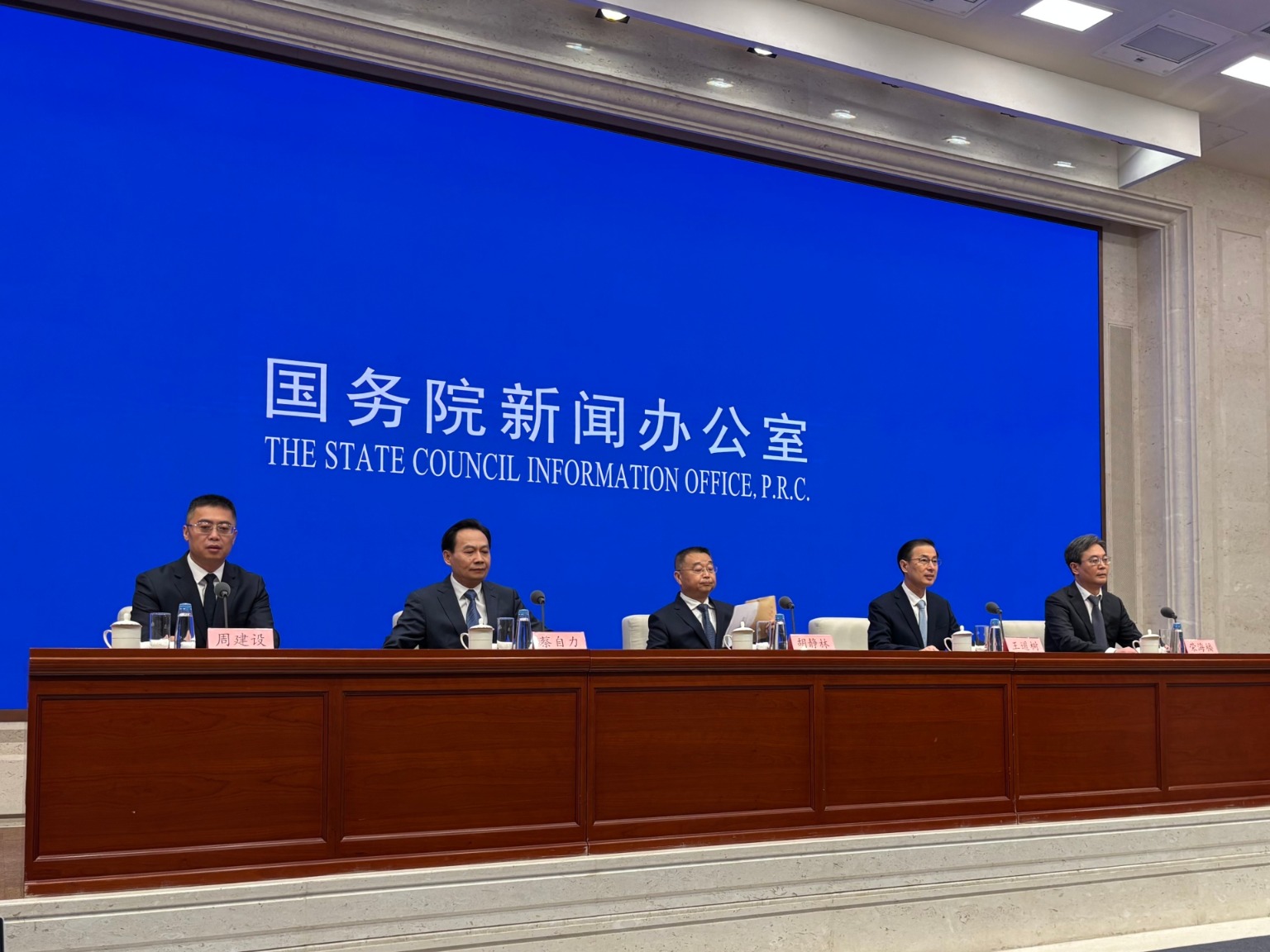
新华社北京7月28日电(记者刘开雄、申铖)国家税务总局在28日国新办举行的"高质量完成'十四五'规 划"系列主题新闻发布会上披露,"十四五"期间,我国累计新增减税降费预计超过10万亿元。 "2021年至今年上半年,全国累计新增减税降费9.9万亿元,预计到今年底将达10.5万亿元,年均新增减 税降费超2万亿元。"国家税务总局副局长蔡自力说。 在国家税费优惠及其他政策的有力推动下,高质量发展取得了积极成效。 税收发票数据显示,2021年至2024年,制造业企业销售收入占全部企业的比重保持在29%左右。特别是 制造业"高端化、智能化"稳步推进,装备制造业、高技术制造业销售收入年均分别增长9.6%和10.4%。 研发费用加计扣除是促进科技创新的重要税收支持政策。"十四五"期间,我国研发费用加计扣除政策不 断优化、力度不断加大,其中2024年度企业享受研发费用加计扣除3.32万亿元、享受户数61.5万户,较 2021年度分别增长25.5%和16.7%。 "税务部门始终坚持落实税费优惠政策实打实,依托税收大数据精准开展'政策找人',在政策直达快享 中增强了广大纳税人缴费人的获得感。"蔡自力说。(完) 蔡自力介绍,从政策导 ...
税收经济剪刀差:几点产业观察
一瑜中的· 2025-07-24 15:54
Group 1 - The core phenomenon observed is the divergence between tax revenue growth and nominal GDP growth, with a tax-economic gap reaching 7.6% in 2024 and not significantly narrowing in 2025 [2][10] - The decline in tax revenue is attributed to the fact that 80% of tax revenue is price-related, and during periods of falling PPI, tax revenue decreases more significantly than nominal GDP [2][10] - Four main pathways contributing to tax revenue reduction are identified: energy structure transformation, stabilizing the real estate market, financial cost reduction, and encouraging technological innovation, leading to an estimated total tax revenue reduction of approximately 1.06 trillion yuan, equivalent to 6% of the projected national tax revenue for 2024 [2][10] Group 2 - The energy structure transformation is expected to reduce vehicle purchase tax and consumption tax by approximately 265 billion yuan annually, with significant contributions from the phase-out of taxes on new energy vehicles [3][15][19] - The real estate market stabilization measures are projected to result in a reduction of about 230 billion yuan in transaction-related taxes, primarily from land value-added tax and deed tax [4][27][30] - Financial cost reduction initiatives are estimated to decrease corporate income tax by around 270 billion yuan due to the narrowing interest margins affecting banks' taxable profits [5][37][41] - Encouragement of technological innovation through increased R&D expense deductions is anticipated to lead to a corporate income tax reduction of approximately 540 billion yuan [6][44][45]