
老旧小区改造

Search documents
人民群众住房条件进一步改善 “十四五”时期建设筹集各类保障性住房和安置住房1100多万套(间)
Jing Ji Ri Bao· 2025-10-11 22:12
Core Insights - The "14th Five-Year Plan" period has seen significant improvements in housing conditions for the public, with approximately 5 billion square meters of new residential sales and over 11 million units of various types of affordable housing constructed, benefiting over 30 million people [1][2] Group 1: Housing Development Achievements - The Ministry of Housing and Urban-Rural Development has emphasized the importance of "housing security" as a foundation for people's happiness, adapting real estate policies to changing market conditions [1] - A total of 7.5 million units of unsold housing have been delivered, effectively protecting the rights of homebuyers [2] Group 2: Urban Renewal Initiatives - Urban renewal is a key driver for high-quality urban development, with 2,387 urban village renovation projects and over 230,000 units of affordable housing initiated [2] - More than 240,000 old urban communities have been renovated, benefiting approximately 110 million residents [2] Group 3: Quality Housing Standards - The construction of safe, comfortable, green, and smart "good houses" requires high standards, designs, materials, construction, and maintenance [3] - New standards for residential projects have been implemented, including increased ceiling heights and mandatory elevators for buildings over four stories [3] Group 4: Old Community Renovation - The renovation of old communities is categorized into three revolutions: pipeline updates, environmental improvements, and management reforms [4] - Over 31,000 kilometers of aging pipelines have been updated, and 12,900 elevators have been added through community renovations [4]
住房城乡建设部副部长秦海翔:扎实推进老旧小区改造工作
Xin Hua Cai Jing· 2025-10-11 06:48
Core Viewpoint - The Ministry of Housing and Urban-Rural Development emphasizes the importance of renovating old urban communities to enhance public satisfaction and contribute to urban renewal efforts [1][2]. Group 1: Key Initiatives - "Hallway Revolution": Focus on addressing urgent community issues by improving infrastructure, including the renovation of 310,000 kilometers of aging pipelines for water, electricity, gas, and heating, and repairing public spaces in residential buildings, with 37 million square meters undergoing energy-efficient renovations [1][2]. - "Environmental Revolution": Upgrades to both hard infrastructure (roads, greenery, lighting) and soft services (elderly care, childcare) in 56,000 communities, adding 3.4 million parking spaces and 1.02 million charging stations, while also creating over 18,000 pocket parks and 25,000 kilometers of urban greenways [2]. - "Management Revolution": Engaging community members in decision-making regarding renovations and management, enhancing neighborhood relationships, and introducing property management services to ensure long-term maintenance of renovated areas [2].
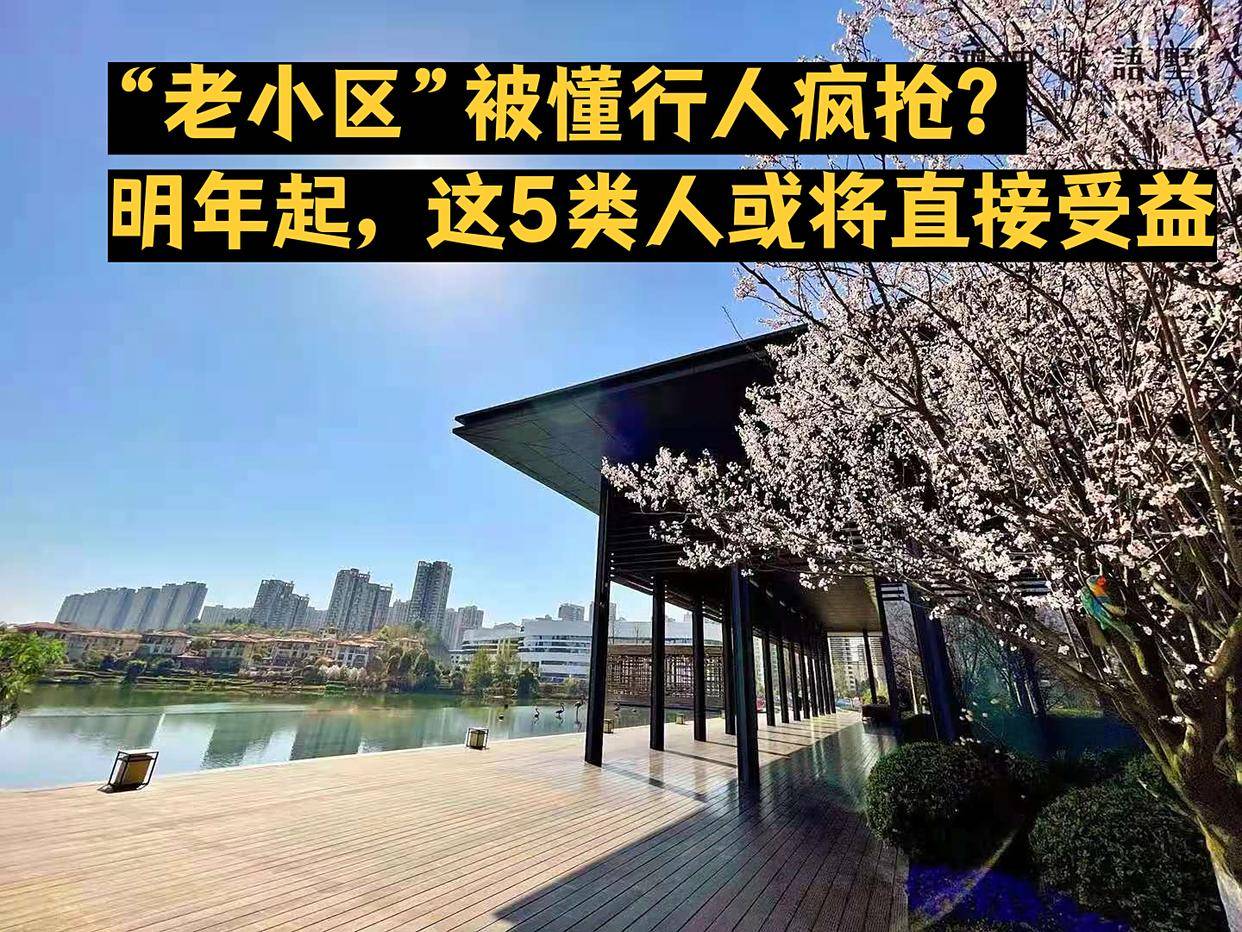
老小区被懂行人疯抢?定调:明年起,这5类人或将直接受益
Sou Hu Cai Jing· 2025-10-11 05:10
Core Viewpoint - The shift in housing preferences from new suburban developments to older urban properties is driven by upcoming government policies aimed at renovating old neighborhoods, making them more attractive for both living and investment opportunities [1][3]. Group 1: Government Policy and Urban Development - The Chinese government plans to implement significant renovations to old residential areas starting in 2025, focusing on improving living conditions and urban quality [3]. - The renovation initiative aims to address urgent issues such as aging infrastructure, including over 50,000 kilometers of old pipelines and the installation of over 25,000 elevators [3][8]. - The policy is part of a broader strategy to enhance urban livability rather than merely constructing new buildings [3]. Group 2: Beneficiaries of Renovation - Homeowners in older neighborhoods will see their properties become more desirable as renovations address common issues like lack of elevators and outdated utilities, leading to improved living conditions [3][4]. - Young buyers seeking affordable housing in city centers will benefit from renovated old properties, which will offer modern amenities at significantly lower prices compared to new developments [6]. - Residents of old urban areas will enjoy enhanced community features, such as improved access to local services and recreational spaces, contributing to a better quality of life [6][7]. Group 3: Investment Opportunities - Savvy investors are beginning to recognize the potential in older properties, as their value is expected to increase following renovations, particularly in prime locations [7]. - The government is prioritizing the renovation of properties built before 2000, creating opportunities for investors to capitalize on the anticipated rise in property values [7][8]. - The renovation strategy is designed to be financially sustainable, with funding coming from a combination of government subsidies, local contributions, and private investment [8].

住建部:“十四五”期间 已为老旧小区改造加装12.9万部电梯
Mei Ri Jing Ji Xin Wen· 2025-10-11 03:19
Core Viewpoint - The Ministry of Housing and Urban-Rural Development emphasizes the importance of addressing urgent public concerns through infrastructure improvements and building renovations during the "14th Five-Year Plan" period [1] Group 1: Infrastructure Improvements - A total of 310,000 kilometers of aging pipelines for water, electricity, gas, and heating have been updated and renovated to address issues such as leaks, unstable voltage, and tangled wiring [1] - The initiative aims to resolve common public complaints regarding infrastructure reliability and safety [1] Group 2: Building Renovations - Public spaces in residential buildings are being repaired, with energy-saving renovations covering 37 million square meters to tackle problems like roof leaks and external wall insulation [1] - The installation of elevators in old residential communities has seen the addition of 129,000 elevators during the "14th Five-Year Plan" period, addressing a significant public concern [1]
德城区改造老旧小区543个惠及7.7万余户,位居德州市首位
Qi Lu Wan Bao Wang· 2025-10-10 14:20
Core Viewpoint - The old residential area renovation is a significant livelihood and development project in Decheng District, with a focus on enhancing the quality of life for residents through systematic improvements and community involvement [1][2]. Group 1: Project Overview - Since the end of 2015, Decheng District has completed renovations in 543 residential areas, benefiting 77,653 households, ranking first in Dezhou City [1]. - In 2023, 21 renovation projects have been initiated, impacting 3,239 households [1]. Group 2: Implementation Strategies - The district emphasizes a "people-oriented" approach by optimizing construction processes to align with public sentiment, implementing a "Four Ones" work method that includes establishing a dedicated team, clear plans, progress charts, and a responsibility system [1]. - Daily on-site meetings are held to address issues, coordinate efforts, and ensure quality, safety, and environmental standards are met [1]. Group 3: Community Engagement - The district mobilizes community participation by appointing respected residents as volunteer supervisors to oversee construction quality, safety, and environmental compliance [2]. - Residents are actively involved in decision-making regarding the renovation, ensuring that their needs and preferences shape the project outcomes [2]. Group 4: Future Plans - The district construction bureau plans to enhance coordination with construction units, streamline timelines, and ensure that renovations are completed by the end of the year, aiming to provide tangible benefits and a sense of security for residents [2].
高楼限高令来了,这两类老房子吃香了,你看出猫腻了吗?
Sou Hu Cai Jing· 2025-10-09 06:00
Core Viewpoint - The recent restrictions on high-rise buildings in China may lead to a resurgence in the value of low-rise residential properties, as policies shift focus towards improving older neighborhoods and limiting new high-density developments [9][10][15]. Summary by Sections High-Rise Residential Buildings - High-rise buildings have been seen as symbols of urban economic strength and modernization, allowing for greater population density and land utilization [3][4]. - However, the drawbacks of high-rise living are becoming more apparent, including high housing prices, safety concerns related to fire and elevator systems, and water supply issues [6][8]. Policy Changes - The Chinese government has begun to impose strict controls on the construction of new high-rise buildings, particularly those exceeding 100 meters, signaling an end to the trend of high-density residential development [9]. - Additional measures include lowering the threshold for elevator installation in buildings over four stories and promoting the renovation of old neighborhoods to enhance living conditions [10]. Opportunities for Low-Rise Properties - Two categories of older properties are expected to benefit from these changes: 1. Older homes in prime locations with good amenities, which will see increased demand and value due to renovations [13]. 2. Older homes with significant renovation potential, which can be upgraded to meet diverse resident needs, thus enhancing their market value [14]. - The push for elevator installations in older buildings will also make these properties more attractive to buyers [15].
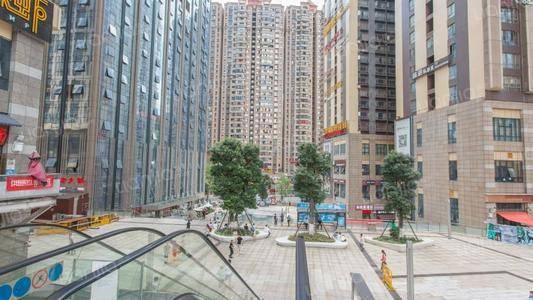
江门蓬江建立完善三大机制,破解老旧小区改造难题
Nan Fang Du Shi Bao· 2025-09-26 04:44
近日,广东省委改革办印发通知,向全省推介36个基层改革典型案例。其中,蓬江区建立完善三大机制 破解老旧小区改造难题入选"城市更新改造及城乡一体化体制机制改革"案例。 近年来,江门市蓬江区扎实推进"百千万工程",以打造全省城镇老旧小区改造试点为契机,通过健全资 金筹措、公共空间建设、运营管理等三大机制,有效破解老旧小区改造中"钱从哪里来""社区怎么 建""社区怎么管"等难题,实现城市品质和居民生活质量显著提升。目前,蓬江区已完成21个社区89个 小区改造,惠及居民22万人。 破解"钱从哪里来"问题 探索多元化资金筹措机制 为了破解"钱从哪里来"难题,蓬江区积极推行政府、社会力量、居民共同参与的多元化筹资模式。 一是突出政府主导作用。全区城镇老旧小区改造项目共争取中央、市专项补助资金约3.22亿元,主要用 于解决老旧小区道路修补、污水处理、照明不足和停车位短缺等问题,以及完善无障碍设施和适老化设 施改造。 二是鼓励社会资本参与。推动燃气、供水等市政公共服务企业主动承担社会责任,出资参与市政基础配 套设施改造升级。截至目前,社会企业投资近4300万元开展燃气"瓶改管"和供水管道改造等工作,共新 增天然气管道超900 ...
老旧小区成“香饽饽”了?有钱人抢着买,因为这3个隐藏价值!
Sou Hu Cai Jing· 2025-09-24 10:29
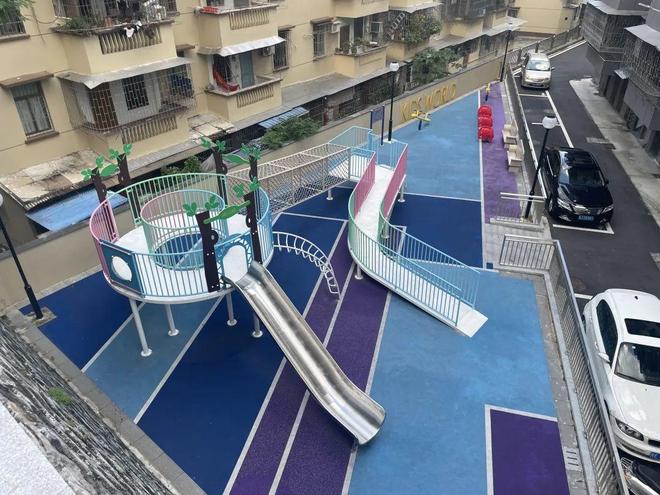
曾经的"弃儿",如今的"宠儿":老破小何以逆袭成为购房新宠? 一、 老旧小区,何以成为购房市场的"新宠儿"? 时光荏苒,那些曾被贴上"老旧"、"配套匮乏"、"不上档次"标签的"老破小",如今却仿佛一夜之间翻身,从昔日的门可罗雀,蜕变成了备受追捧的"香饽 饽"。是什么原因让这些曾经无人问津的房源,摇身一变,成为了刚需、投资乃至改善型购房者眼中的"真香"选择?而那些精明的购房者,特别是财力充裕 的群体,更是将其视为囊中之物,究竟是看中了它们身上哪些被低估的"隐藏价值"?这绝非偶然,背后定然隐藏着不为人知的"秘密武器"。 1. 价格的魅力,压力的释放 最直观的优势,无疑是其亲民的价格。在寸土寸金的大城市核心地段,老旧小区的房价常常远低于新建商品房。同样的地段,三四十年房龄的老小区,其价 格可能仅为新建楼盘的一半甚至更少。 除此之外,物业费的低廉更是令人惊喜。一些老旧小区,每月几十元的物业费,抑或是"零收费"的服务,与那些动辄高昂的"天价"物业费形成鲜明对比,让 人倍感温馨。 停车问题,在老旧小区也得到了极大的缓解。低廉的停车租金,有时甚至提供免费停车位,大大降低了养车成本,让生活压力得以显著减轻。 根据贝壳研究院的 ...
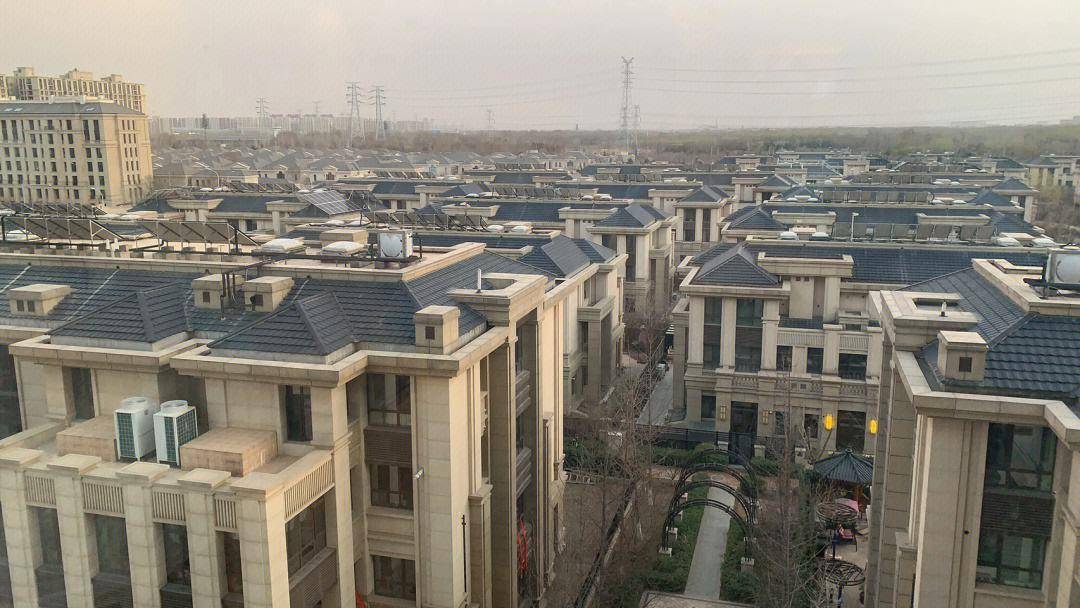
记者实探:老旧小区改造惠及“一老一小”,广州这样“焕新”
Nan Fang Du Shi Bao· 2025-09-23 10:35
Core Insights - The article highlights the transformation of old residential communities in Guangzhou into community nursing homes and childcare centers, addressing the needs of the elderly and young children in urban areas [4][6][17] - The initiative is part of a broader urban renewal strategy aimed at revitalizing outdated neighborhoods while providing essential services to residents [5][17] Group 1: Community Nursing Homes - The Red Brick Community Nursing Home in Huadu offers a fully equipped living environment for elderly residents, allowing them to control various appliances through voice commands [2][10] - The cost of living in the nursing home is significantly lower than hiring private caregivers, with a monthly fee of over 5,000 yuan covering accommodation and care services [4] - The nursing home is part of a larger effort to repurpose idle public housing into community services, benefiting both social capital and local residents [4][6] Group 2: Urban Renewal Policies - Guangzhou has implemented a "1+N" policy framework for the renovation of old residential areas, focusing on what to renovate, how to do it, funding sources, and post-renovation management [5][6] - The city aims to complete renovations of all old residential areas built before 2000 by 2025, with a focus on improving infrastructure and community services [6][17] - As of August this year, Guangzhou has completed renovations in 1,233 old communities, benefiting nearly 300,000 residents [17] Group 3: Childcare Services - The Liu Rong Street Universal Nursery, created during the renovation of an old community, offers affordable childcare services tailored to the needs of working parents [15][16] - The nursery charges a maximum fee of 1,650 yuan per month, significantly lower than typical market rates, and provides flexible service options [15][16] - Community surveys indicated a strong demand for childcare services, leading to the establishment of the nursery to meet local needs [16]

“改面子”更要“补里子”
Ren Min Ri Bao· 2025-09-17 02:09
从"有居"到"优居",芜湖市坚持以需求为导向,推进老旧小区改造。今年,75个城镇老旧小区改造 将在10月全部完工,惠及居民2.7万户。"下一步,不仅要'改面子',更要'补里子''强底子'。"芜湖市住 房和城乡建设局总工程师马红涛表示,完善老旧小区基础设施和公共服务配套,采用"改造+长效管 理"模式,推动物业规范化服务,让改造成果长久惠及居民,让居民在家门口收获稳稳幸福。记者 李俊 杰 "调整好呼吸,预备——跑!"一声令下,孩子们摆动手臂,奔跑在健身步道上。 早上7点,安徽省芜湖市弋江区南瑞街道瑞东园小区里,68岁的居民李少俊领着10多个孩子锻炼身 体。"小区条件这么好,搁以前哪敢想。"李少俊嘴角不自觉上扬。 瑞东园小区建成于2004年,历经风霜,"老态"显露:楼体外立面斑驳脱落,每逢雨天架空层积水能 没过脚踝,车位缺口达300多个。小区没有路灯,夜里居民出门"摸黑走"…… 转机发生在2024年初。瑞东园小区被纳入芜湖市老旧小区改造计划。李少俊说,刚开始大家很激 动,可很快陷入担忧——改造能改到大伙的心坎里吗? "改哪里、怎么改,得听居民的。"瑞东社区党总支书记刘宇说。前期,由老党员和热心居民组成的 单元长挨家 ...