
转型金融

Search documents
转型债券支持重点行业低碳转型——以钢铁行业为例
Zhong Guo Jin Rong Xin Xi Wang· 2025-11-04 13:07
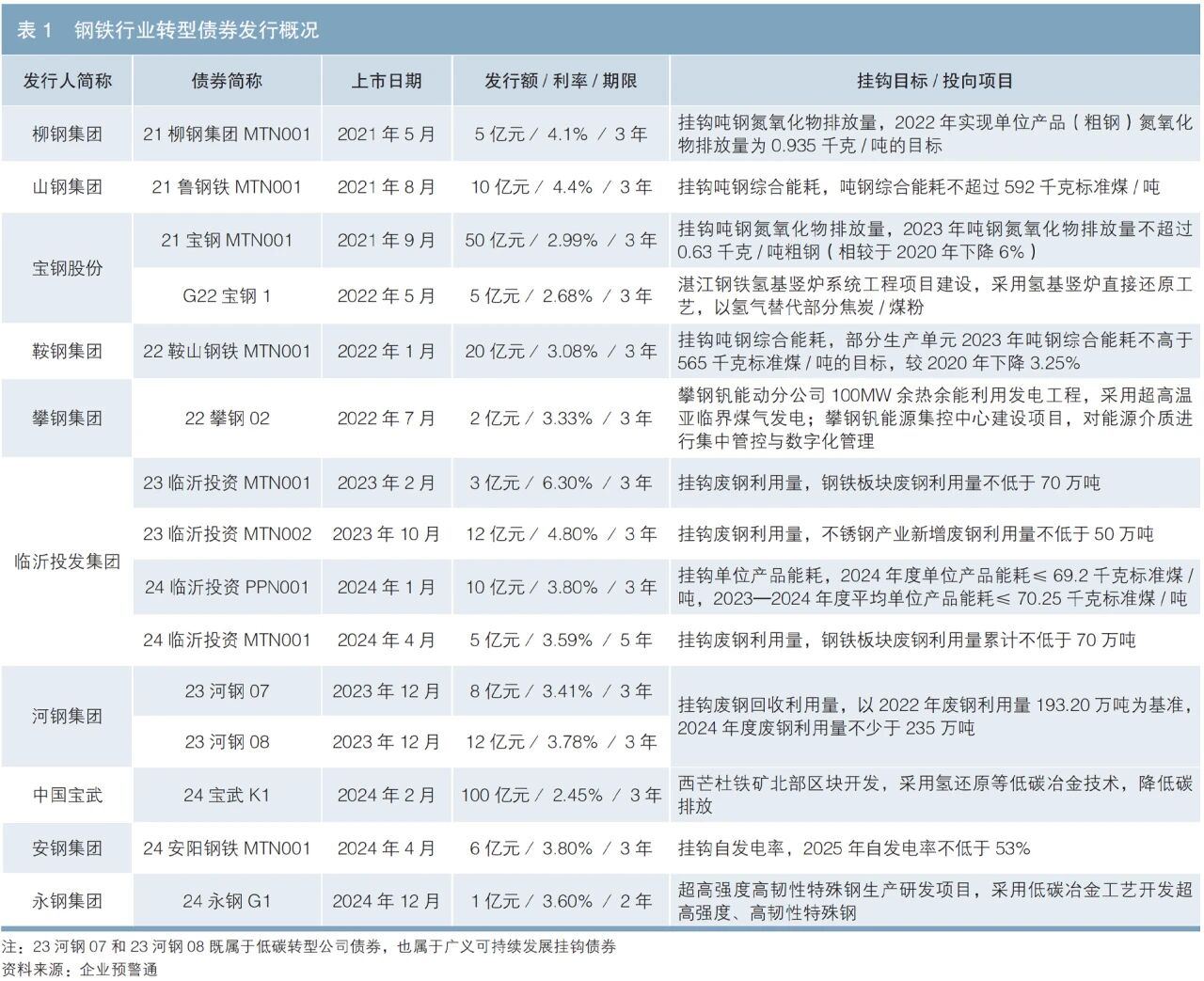
Core Viewpoint - The introduction of China's "dual carbon" goals necessitates a rapid transition from high-carbon to low-carbon industries, with transformation finance emerging as a critical support mechanism for this shift [1][2]. Group 1: Background of Transformation Finance - China's "dual carbon" goals set a clear timeline for a comprehensive green transition, placing unprecedented pressure on high-carbon industries, particularly the steel sector, which accounts for approximately 15% of national carbon emissions [2]. - Traditional green finance tools, such as green bonds, primarily support "pure green" projects and are inadequate for financing the transformation of existing high-carbon assets [2][3]. - Transformation finance aims to provide funding for high-carbon entities with clear emission reduction pathways but not yet meeting "deep green" standards, filling a crucial gap in the financial landscape [2]. Group 2: Development of Transformation Bonds - The policy framework for transformation bonds in China has evolved through three stages: the initial exploration phase, the pilot phase focusing on specialized products, and the current standardization phase aimed at unifying standards and enhancing policy coordination [4][5]. - The current transformation bond market includes various products, primarily transformation loans and bonds, which serve as essential tools for financing large-scale industrial transitions [3][6]. Group 3: Current Status of Transformation Bonds - As of the end of 2024, China has issued a total of 244 transformation bonds, amounting to 220.8 billion yuan, with the majority of issuers from high-carbon sectors like steel, coal, and construction materials [8]. - The funds raised through these bonds are primarily directed towards energy-saving technologies, clean production processes, and green production upgrades [8][12]. Group 4: Application of Transformation Bonds in the Steel Industry - The steel industry faces significant funding needs for equipment upgrades and technological advancements to achieve green low-carbon transformation, with estimates suggesting an annual investment requirement of around 500 billion yuan for the next 30 years to reach carbon neutrality [11][12]. - By the end of 2024, the steel sector had issued transformation bonds totaling 24.9 billion yuan, reflecting a growing trend in utilizing these financial instruments for low-carbon initiatives [12][14]. Group 5: Characteristics of Transformation Bonds - Transformation bonds in the steel industry exhibit significant variation in issuance scale, with terms primarily ranging from 2 to 3 years and interest rates between 2.45% and 6.30% [15][17]. - The funds raised are often earmarked for comprehensive project financing and debt optimization, targeting advanced decarbonization technologies [15][18]. Group 6: Challenges and Recommendations - The steel industry faces challenges such as funding gaps, high financing costs, and a lack of comprehensive transformation standards, which hinder the participation of smaller enterprises [20][21]. - Recommendations include enhancing the transformation finance standard system, promoting innovative financial tools, and improving information disclosure to increase market transparency and participation [21].


多部门详解关于拓展绿色贸易的实施意见
Xin Hua She· 2025-11-03 09:29
Core Viewpoint - The Chinese government is actively promoting green trade to enhance trade optimization, support the achievement of carbon neutrality goals, and better serve global climate governance [1]. Group 1: Green Trade Implementation - The implementation opinions represent the first specialized policy document in the field of green trade, highlighting innovative leadership and focusing on existing weaknesses in China's green trade development [1]. - Key issues identified include the shortcomings in enterprises' green low-carbon development capabilities, the untapped carbon reduction potential in logistics, and the inadequacy of the supporting guarantee system [1]. Group 2: International Cooperation and Standards - Over 50 economies have positively responded to China's initiative on the "International Economic and Trade Cooperation Framework for Digital Economy and Green Development" [2]. - The recent China-ASEAN Free Trade Area 3.0 upgrade agreement includes a dedicated chapter on green economy and prioritizes green trade as a cooperation area [2]. - The Ministry of Commerce is working with relevant departments to improve green product standards, certification, and labeling systems, aiming for mutual recognition of standards with major trading partners [2]. Group 3: Green Product and Industry Development - The implementation opinions emphasize promoting green design and production among foreign trade enterprises [3]. - The Ministry of Industry and Information Technology plans to enhance the promotion of green design and manufacturing, focusing on the entire lifecycle from design to recycling [3]. - By 2030, the target is for the output value of green factories to account for 40% of total output, with initiatives to cultivate zero-carbon factories [3]. Group 4: Financial Support for Green Services - The People's Bank of China will promote the application of green finance and transition finance standards, supporting innovative financing methods [4]. - Financial institutions are encouraged to increase support for production service sectors related to research and design, logistics, carbon emission certification, and resource recycling [4].
香港位列全球第二大跨境财富管理中心!德勤中国:建议开发针对高排放行业专属金融产品
Mei Ri Jing Ji Xin Wen· 2025-11-01 06:47
Group 1: Hong Kong's Asset Management Landscape - By the end of 2024, Hong Kong's asset and wealth management business is expected to manage assets exceeding 35 trillion HKD, making it the second-largest cross-border wealth management center globally, after Switzerland [1] - The asset management scale in Hong Kong is projected to reach 35 trillion HKD, which is 11 times the local GDP, with a net inflow of cross-border funds amounting to 700 billion HKD, representing an 80% year-on-year increase [1] - The Hong Kong government anticipates that the region will become the largest cross-border asset management center within two to three years [1] Group 2: Strategic Recommendations for Growth - Deloitte suggests expanding the eligible investment scope under the "New Capital Investor Entry Scheme" to include digital assets and alternative asset classes to stimulate the wealth management industry [1] - To support green and high-quality economic development, Deloitte recommends developing specialized financial products targeting high-emission industries [1] Group 3: Support for Mainland Enterprises - A survey by the Hong Kong Trade Development Council indicates that 93.9% of surveyed mainland enterprises face challenges such as insufficient market demand and geopolitical risks, an increase from 83.9% in 2023 [2] - 77.2% of surveyed mainland enterprises plan to seek services in Hong Kong to support their international business [2] - Deloitte proposes a new paradigm of "Mainland Cultivation, Hong Kong Services, Global Market" to provide comprehensive support for enterprises from technology validation to overseas implementation [2] Group 4: Financial Market Developments - Shenzhen authorities have launched an action plan to support high-quality mergers and acquisitions, facilitating eligible industry leaders to list or refinance in Hong Kong [3] - The Hong Kong Stock Exchange and the Securities and Futures Commission have introduced measures to streamline the listing process for large A-share companies, significantly reducing the time required for listings [3] - The "A+H" listing model is expected to enhance corporate governance and market value, benefiting companies listed under this model [3] Group 5: Green Transition Initiatives - Deloitte estimates that China and Asia face a low-carbon transition funding gap of approximately 9 trillion USD by 2030, particularly in hard-to-abate sectors like steel and cement [4] - Hong Kong is advancing its green transition through three key actions: developing a comprehensive policy framework for transition finance, launching an international voluntary carbon trading platform, and accelerating research on sustainable fuels [4][5] - Challenges in transition finance standards, carbon asset credibility, and high costs of green technology need to be addressed to enhance Hong Kong's role as a regional transition hub [5]
绿色贸易首个专项政策文件出台,四部门详解
Di Yi Cai Jing Zi Xun· 2025-10-31 07:29
Core Viewpoint - The implementation of the "Implementation Opinions" by the Ministry of Commerce marks a significant step towards expanding green trade, aiming to optimize trade, support carbon neutrality goals, and enhance global climate governance [1][3]. Group 1: Green Trade Development - The "Implementation Opinions" is the first specialized policy document in the field of green trade, emphasizing innovation as a key characteristic [1]. - The goal of expanding green trade is to promote trade optimization and upgrade, contributing to the achievement of carbon neutrality targets [1]. - The Ministry of Commerce and other departments are committed to enhancing green service trade through various financial tools such as green credit, green bonds, and green equity funds [1][5]. Group 2: Green Design and Manufacturing - The foundation of green trade lies in green products and industries, with a focus on promoting green design and production among foreign trade enterprises [3]. - The Ministry of Industry and Information Technology has created 451 green design enterprises and developed over 40,000 green products, with green factories accounting for over 20% of total output [4]. - By 2030, the output value of national and local green factories is expected to increase to 40%, with an emphasis on energy conservation and carbon reduction [4]. Group 3: Financial Support for Green Services - Green service trade is identified as a crucial driver for global economic growth and structural adjustment, encompassing the green transformation of traditional services and digital delivery services [5]. - The People's Bank of China aims to support green service trade by applying green finance standards and encouraging financial institutions to lower financing thresholds for asset-light green service enterprises [5][6]. - The focus will also be on issuing green financial products in global markets to provide more Chinese green assets to international investors [6].
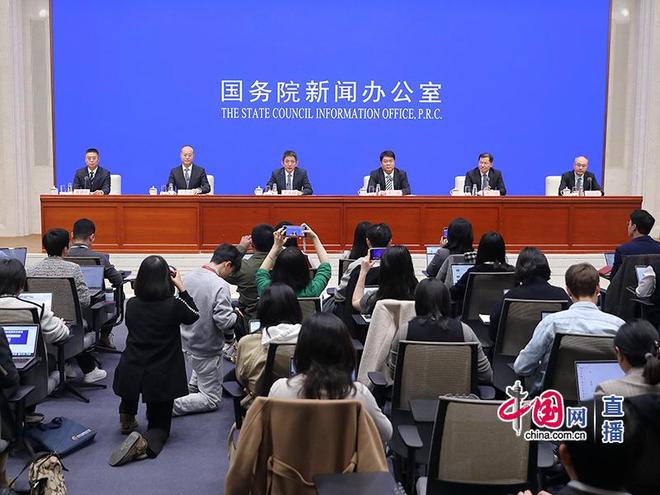
央行研究局局长王信:加大融资支持,降低轻资产、绿色服务贸易企业的融资门槛和成本|快讯
Hua Xia Shi Bao· 2025-10-31 07:16
Core Viewpoint - The development of green service trade is a significant driver for global economic growth and structural adjustment, focusing on both the green transformation of traditional service trade and the digital delivery of inherently green low-carbon services [2] Group 1: Financial Support for Green Service Trade - The People's Bank of China emphasizes the importance of financial tools such as green credit, green bonds, and green equity funds in empowering the development of green service trade [3] - Examples include green credit supporting carbon reduction in the shipping industry, with a notable loan of 273 million yuan provided to COSCO Shipping Energy for transformation [3] - Green bonds are being issued to support low-carbon technology research and application in shipping, with the issuance of blue bonds by China Shipbuilding (Hong Kong) Leasing Company aimed at enhancing energy efficiency and sustainable transport [3] Group 2: Future Directions for Financial Support - The People's Bank of China plans to focus on promoting the application of green finance and transformation finance standards, supporting innovative financing methods such as credit, bonds, and equity [4] - Financial institutions are encouraged to increase financing support for production service sectors like research and design, logistics operations, and carbon emission certification, thereby reducing financing barriers for light-asset green service trade enterprises [4] - There is a push to support the issuance of green financial products in global markets, providing more Chinese green assets to global investors [4]
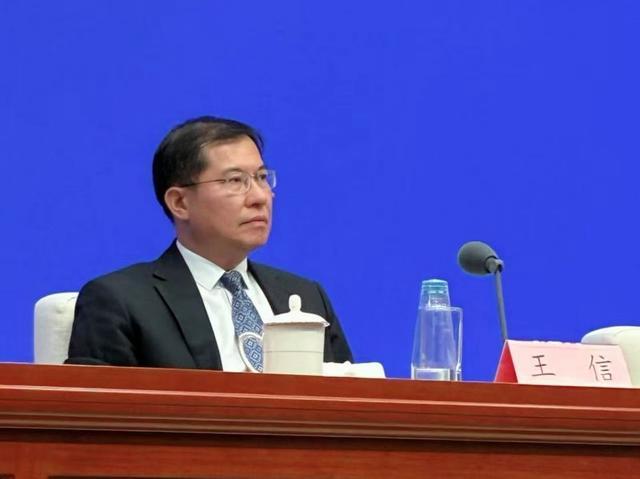
央行:通过绿色信贷、绿色债券、绿色股权基金等工具,赋能绿色服务贸易发展
Zhong Guo Xin Wen Wang· 2025-10-31 05:29
Core Viewpoint - The People's Bank of China is leveraging green financial tools such as green credit, green bonds, and green equity funds to empower the development of green service trade [1][2]. Group 1: Importance of Green Service Trade - Green service trade is becoming a significant driver of global economic growth and structural adjustment, focusing on the green transformation of traditional service trade and the development of digital delivery services with low-carbon characteristics [2]. - The development of emerging service industries, such as carbon emission certification and carbon finance, is reshaping global production and consumption networks, significantly impacting high-quality international economic and trade development [2]. Group 2: Financial Tools Supporting Green Service Trade - Green credit is being utilized to support shipping service entities in reducing carbon emissions, exemplified by a 273 million yuan transformation loan provided to COSCO Shipping Energy by the Bank of Communications [2][3]. - Green bonds are facilitating the research and application of low-carbon technologies in shipping, with companies like China Shipbuilding (Hong Kong) issuing green and blue bonds to support energy efficiency upgrades and sustainable transportation [3]. - Green shipping funds and equity financing are providing medium to long-term funding for green service trade projects, addressing funding challenges and mitigating risks during the green transition in the shipping industry [3]. Group 3: Future Directions for Support - The People's Bank of China will focus on promoting the application of green finance and transition finance standards, supporting innovative financing methods such as credit, bonds, and equity [4]. - Financial institutions are encouraged to increase financing support for productive service sectors, including research and design, logistics operations, and waste resource recovery, thereby lowering financing thresholds and costs for asset-light green service trade enterprises [4]. - There is a commitment to support the issuance of green financial products in global markets, providing more Chinese green assets to global investors and enhancing the innovative development of green service trade through the opening of the financial sector [4].
中国人民银行:加大融资支持 降低轻资产、绿色服务贸易企业的融资门槛和成本
Sou Hu Cai Jing· 2025-10-31 03:43
Core Viewpoint - The People's Bank of China (PBOC) is focusing on supporting the development of green service trade through various financial initiatives and standards [1][4] Group 1: Financial Support Initiatives - The PBOC will promote the application of green finance and transformation finance standards, supporting innovative financing methods such as credit, bonds, and equity [1][4] - Financial institutions are encouraged to increase financing support for production service sectors like R&D design, logistics operations, carbon emission certification and evaluation, and waste resource recycling [1][4] - The aim is to lower the financing thresholds and costs for light-asset and green service trade enterprises, which often lack substantial collateral [1][4] Group 2: Global Financial Market Engagement - The PBOC supports the issuance of green financial products in global financial markets, providing more Chinese green assets to global investors [1][4] - The initiative includes a dual opening of the financial industry to empower the innovative development of green service trade [1][4]
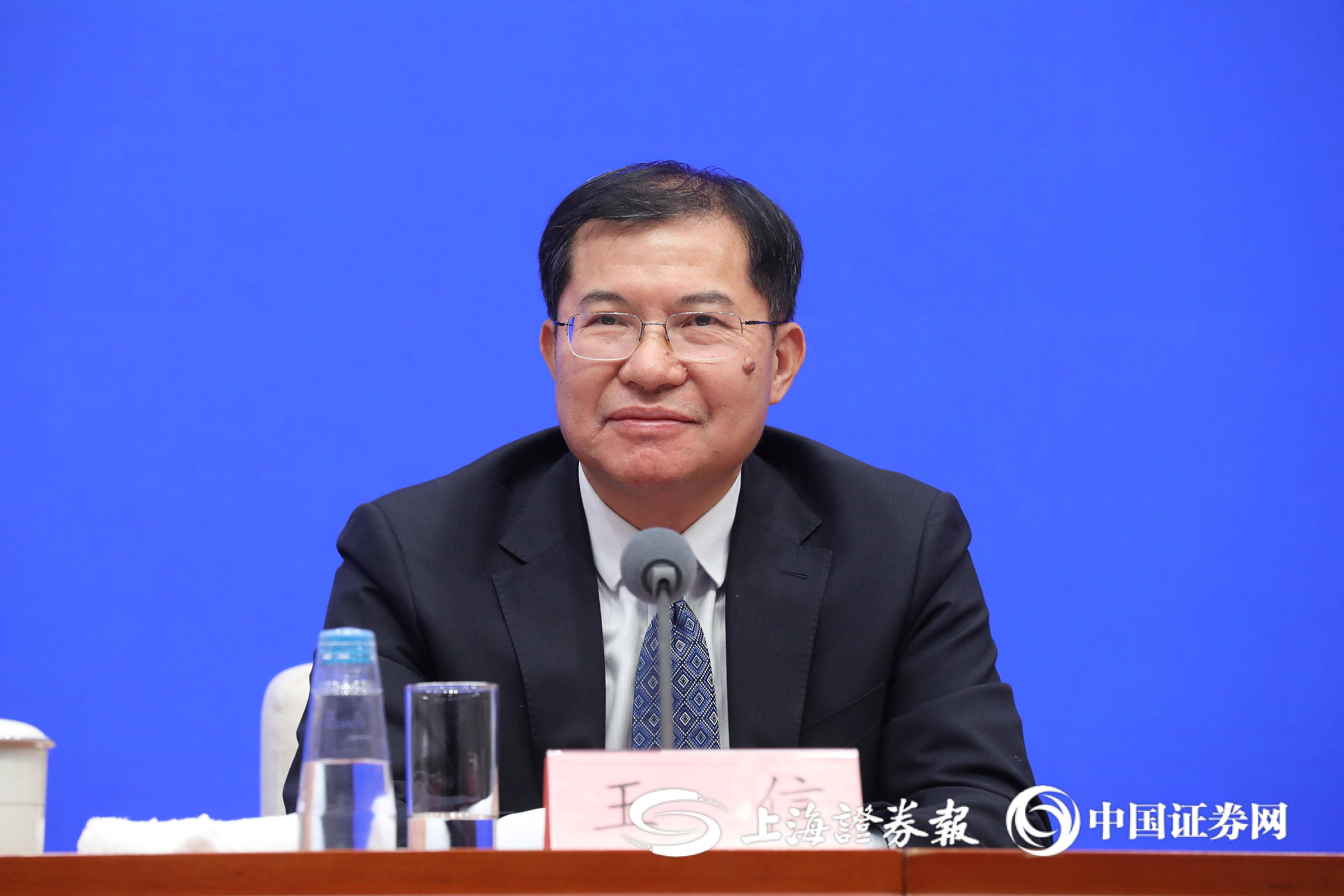
央行:加大融资支持,降低轻资产、绿色服务贸易企业的融资门槛和成本
Sou Hu Cai Jing· 2025-10-31 03:36
Core Viewpoint - The People's Bank of China (PBOC) will focus on supporting the development of green service trade through various financial initiatives and innovations [1] Group 1: Financial Support Initiatives - The PBOC aims to promote the application of green finance and transformation finance standards, supporting innovative financing methods such as credit, bonds, and equity [1] - Financial institutions are encouraged to increase financing support for productive service sectors, including R&D design, logistics operations, carbon emission certification, and waste resource recycling [1] - The PBOC intends to lower the financing thresholds and costs for light-asset and green service trade enterprises, facilitating their access to financing due to their limited collateral [1] Group 2: Global Financial Market Engagement - The PBOC supports the issuance of green financial products in global financial markets, providing more Chinese green assets to global investors [1] - The initiative includes a commitment to the two-way opening of the financial sector, empowering the innovative development of green service trade [1]
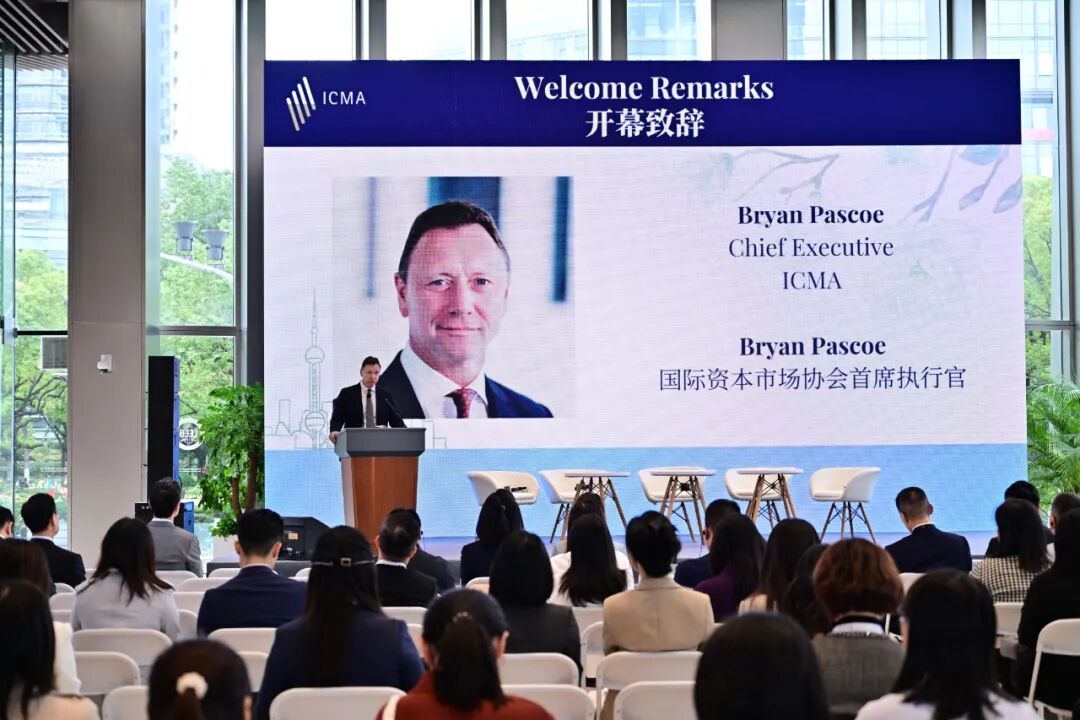
布莱恩·佩斯科:以协同与透明推动全球转型金融发展 | 聚焦ICMA中国可持续金融发展论坛
Guo Ji Jin Rong Bao· 2025-10-30 14:45
Group 1 - In 2025, China demonstrates a strong commitment to green transformation and climate resilience in the sustainable finance sector, with an expanding regulatory framework and a national carbon market that now includes high-emission industries like steel and cement [1] - China is deepening international cooperation in sustainable finance standards with ASEAN and the EU, promoting interoperability of the "Common Ground Taxonomy" to provide a "Chinese solution" for global green finance standard coordination [1] - The International Capital Market Association (ICMA) hosted a Sustainable Finance Development Forum in Shanghai, gathering leaders and experts to discuss themes such as green transition, sustainable bonds, and alignment with international standards [3] Group 2 - ICMA CEO Bryan Pascoe highlighted that global sustainable finance is entering a new phase driven by cooperation, coordination, and transparency, with China playing an increasingly important leading role [5] - Transition finance is still in a growth phase, facing significant challenges, with notable differences in path selection across regions; Asia's reliance on fossil fuels necessitates a focus on "just transition" to ensure social equity during the shift [7] - The "Common Ground Taxonomy" exemplifies effective collaboration among China, the EU, and Singapore, providing a common language for defining "green activities" [7] Group 3 - ICMA plans to release new guidance at its annual principles meeting in Tokyo to help issuers align sustainable bonds with corporate transition strategies, citing Japan's experience with sovereign green bonds as a model for other countries [8] - Pascoe praised China's issuance of offshore green bonds based on ICMA's Green Bond Principles, noting that this approach enhances international market attention and provides a pricing benchmark [10] - The issuance of sovereign green bonds signifies China's commitment to its green finance framework, boosting market confidence and pricing mechanisms [10] Group 4 - ICMA aims to maintain close communication with China's Ministry of Finance and key regulatory bodies to promote alignment of green and sustainable finance standards, facilitating cross-border financing and market connectivity [10] - China's bond market is the second largest globally, and its innovations in green financial products are having a profound impact on international capital markets [10] - Asia, particularly China, is playing an increasingly critical role in shaping the global sustainable finance landscape, with hopes for further unification in classification standards, disclosure, and transition financing [10] Group 5 - ICMA's goal is to reduce discrepancies in frameworks, classifications, and disclosure standards to enhance market depth and resilience, ultimately establishing a more robust, inclusive, and sustainable global financial system [11]
2025金融街论坛年会“绿色金融”主题平行论坛在京举行
Xin Hua Wang· 2025-10-30 05:52
Core Insights - The 2025 Financial Street Forum focuses on "high-quality development of green finance" to support carbon peak and carbon neutrality goals, with over 400 key guests from more than 30 countries participating [1][2] - The forum emphasizes the importance of green finance in facilitating global low-carbon transformation and international cooperation in the green sector [1][2] Group 1: Green Finance Development - China has accelerated its green finance development, becoming the world's largest green credit market and the second-largest green bond market, contributing "Chinese experience" to global sustainable development [2] - The forum highlighted four key initiatives for green finance: enhancing service to the real economy, improving green finance standards, leveraging technology for innovation, and fostering cross-sector collaboration [2] Group 2: Institutional Perspectives - The National Social Security Fund emphasized that the "dual carbon" transformation is a profound revolution requiring long-term investment and a shift in capital towards sustainable assets [3] - Uzbekistan's ambassador highlighted the growing importance of green economies in addressing ecological and economic challenges, advocating for international cooperation in ecological development [4] Group 3: Corporate Initiatives - Hengli Group's commitment to "ecological priority and green development" includes innovative technologies in petrochemicals and the establishment of national-level green factories [5] - State Power Investment Corporation is actively pursuing innovative financing strategies and carbon asset management to support energy structure transformation [7] Group 4: Market Opportunities - Hong Kong is evolving from a traditional financial hub to a comprehensive value-added service provider, aiming to enhance the scale of green finance and improve ESG disclosure quality for mainland enterprises [8] - The forum included discussions on "transformation finance," focusing on the needs of traditional industries for green low-carbon transformation and effective financial services [9]
