
大数据

Search documents
消费金融2025:于变局中开创新局
Jin Rong Shi Bao· 2025-12-24 02:35
Core Insights - The consumer finance industry in China has undergone significant transformation and quality upgrades since the establishment of the first pilot consumer finance companies in 2010, with 31 licensed companies currently operating. The year 2025 will focus on "boosting consumption," "compliance development," "technology empowerment," and the "five major financial themes" as key drivers for the industry [1] Group 1: Boosting Consumption - Multiple consumption-boosting policies implemented this year provide clear guidance for the development of the consumer finance industry through 2025 and beyond. The challenge for consumer finance companies is to adapt to regulatory changes and convert policy benefits into consumption potential [2] - Companies like Zhongyou Consumer Finance and Mengshang Consumer Finance are actively implementing national consumption-boosting policies, focusing on expanding services to key demographics such as new citizens and enhancing consumer experiences through partnerships with platforms like Ele.me and Guangdong UnionPay [3][4] - The policies have provided a solid foundation and market confidence for the consumer finance industry, guiding financial resources towards essential consumer and emerging sectors [5] Group 2: Compliance Development - Regulatory policies have injected stronger momentum into boosting consumption while providing clear directions for the standardized development of consumer finance companies, promoting a more transparent and healthy industry [8] - Companies view compliance as a core competitive advantage, with strict regulations helping to eliminate poor industry participants and create a fairer competitive environment [11] - The focus on compliance is also seen as a means to enhance risk management and protect consumer rights, ensuring that companies can effectively support the real economy and boost consumption [11] Group 3: Technology Empowerment - Technology remains a core competitive advantage for the consumer finance industry, with companies accelerating their digital transformation to provide more convenient and inclusive financial services [12] - Companies are leveraging advanced technologies such as AI and big data to enhance operational efficiency and customer service, with significant investments in technology development and application [13][16] - The integration of technology into business processes has led to improved risk control and customer service capabilities, with companies developing intelligent management platforms and automated response systems [13][14] Group 4: Financial "Five Major Themes" - The consumer finance industry aims to integrate the "five major financial themes" of technology finance, green finance, inclusive finance, pension finance, and digital finance into consumer scenarios and public services [17] - Companies are actively exploring opportunities in green finance and digital finance, with initiatives such as personal carbon accounts and fully online service processes to enhance accessibility [18][20] - The focus on inclusive finance is evident in efforts to tailor products to different customer segments, ensuring that financial services meet the diverse needs of the population [19]
科技助力奥运备战 中国体操数智化训练研究中心启用
Xin Hua She· 2025-12-24 01:38
Core Viewpoint - The establishment of the China Gymnastics Digital Training Research Center aims to enhance the technological support for the national gymnastics team's preparation for the Olympics, integrating sports resources and higher education advantages [1][2]. Group 1: Objectives and Goals - The center is designed to promote scientific development in gymnastics through technology-driven training, talent cultivation, and international collaboration [1]. - It aims to create a multi-dimensional database covering training, competition, and physiological aspects for national teams and key athletes [1]. Group 2: Technological Innovations - The center will develop intelligent perception devices, motion capture and analysis systems, training load monitoring models, and AI-based technical action diagnosis and optimization platforms [1]. - These technologies are expected to improve training efficiency and quality, contributing to better performance on the international stage [2]. Group 3: Collaborative Ecosystem - A collaborative research ecosystem will be formed, involving sports teams, researchers, and technology companies to address key scientific and technical issues in gymnastics training [1]. - The center aims to solve critical challenges and provide comprehensive technological services for Olympic preparation [1]. Group 4: Institutional Commitment - Tianjin Sports University is committed to aligning its research and training efforts with national strategic needs, aiming to become a leading and internationally recognized hub for gymnastics training research and talent development [2].
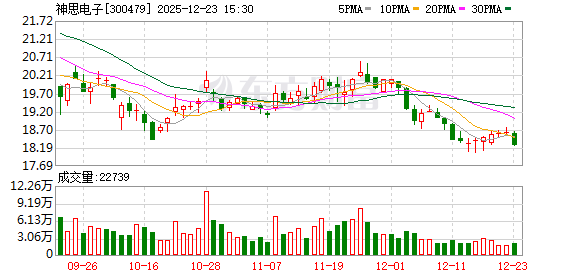
神思电子:数字化成果渐次落地,助力“数字济南”建设提速
Zheng Quan Shi Bao Wang· 2025-12-24 01:07
Group 1 - The company, ShenSi Electronics, has achieved significant success in the digital construction sector in Jinan, covering areas such as urban safety, data elements, smart transportation, and low-altitude economy, becoming a core partner in the city's digital transformation strategy [2][5] - The company is leveraging its AI technology and industry resources to enhance urban governance through a comprehensive technology empowerment approach, focusing on smart infrastructure and refined urban management [3][5] - In collaboration with Inspur Smart City Technology Co., the company is expanding its urban safety and emergency rescue capabilities, building an integrated emergency support system based on existing digital construction achievements in Jinan [3][5] Group 2 - ShenSi Electronics is actively participating in the construction of a trusted data space in Jinan, aiming to create a market-oriented data element system that is rule-based, technologically advanced, and secure, which will serve as a model for national data market development [4][5] - The company has also made strides in the low-altitude economy by winning bids for the digital low-altitude flight management service platform, which will address industry challenges and support the development of a low-altitude economic zone in Jinan [4][5] - The projects undertaken by ShenSi Electronics in urban safety, data elements, smart transportation, and low-altitude economy reflect its technological capabilities and alignment with Jinan's development needs, contributing to the city's high-quality economic and social development [5]


郭珍:向新而行激活智慧农业
Jing Ji Ri Bao· 2025-12-24 00:10
Core Insights - The development of smart agriculture in China is rapidly advancing, leveraging technologies such as AI, IoT, big data, and robotics to enhance productivity and resource utilization in agriculture [1][2] Group 1: Technological Advancements - Smart agriculture utilizes advanced technologies for information perception, intelligent decision-making, and precise operations, significantly improving land output and labor productivity [1] - The integration of sensors, data processing, and remote sensing technologies has enabled the collection of critical data on environmental conditions, pest monitoring, crop growth, and yield [1] - Intelligent decision-making is supported by agricultural knowledge graphs and core algorithms, generating precise prescriptions for environmental control and pest management [1] Group 2: Industry Advantages and Challenges - China possesses unique advantages in smart agriculture, with state-owned enterprises driving innovation and providing significant application scenarios for technology [2] - New infrastructure development in rural areas is reducing the costs associated with deploying smart agriculture solutions, although challenges such as data barriers and limited application scope remain [2] Group 3: Policy and Standardization - Establishing a mechanism for linking technological innovation outcomes with standardization is crucial for addressing issues like data barriers and system integration in smart agriculture [3] - The development and implementation of national and industry standards for smart agriculture are essential to enhance applicability and innovation, fostering a virtuous cycle of technology innovation and industry application [3] Group 4: Implementation Strategies - A comprehensive approach involving pilot demonstrations and application promotion is recommended to enhance the resilience of smart agriculture [3] - Setting up leading areas for smart agriculture in regions with better foundational conditions can facilitate the application of smart planting, livestock, and aquaculture solutions [3]

虚拟集聚驱动生产性服务业能级跃升
Xin Lang Cai Jing· 2025-12-23 22:11
Core Viewpoint - The article emphasizes the importance of strengthening and optimizing the digital economy in Guizhou, aiming to leverage its advantages in big data to drive the development of a modern industrial system and high-quality growth through virtual aggregation and digital infrastructure [1]. Group 1: Digital Infrastructure Development - The focus is on enhancing the cloud and network foundation to improve the capacity and connectivity of virtual aggregation, including the implementation of a "dual gigabit" network quality improvement project [2]. - There is a push for deep coverage of 5G networks in towns and key industrial parks, along with the deployment of gigabit optical networks to reduce network usage costs for enterprises [2]. - The development of a multi-level computing power service system is highlighted, aiming to provide accessible computing services for small and medium-sized enterprises [2]. Group 2: Platform Ecosystem Cultivation - The establishment of regional production service cloud platforms is encouraged, particularly for key industries in Guizhou, to provide one-stop online services for manufacturing enterprises [3]. - Support for leading enterprises to build open virtual aggregation platforms is emphasized, promoting collaboration and innovation networks among small and medium-sized enterprises [3]. - The development of specialized virtual service platforms in areas such as smart tourism and green energy is also promoted to drive innovation in production services [3]. Group 3: Integration of Virtual and Real Economies - The article discusses the implementation of actions that empower key industries through virtual aggregation, such as creating a virtual service alliance for the entire supply chain in the liquor industry [4]. - It highlights the promotion of cloud-based collaborative manufacturing services, encouraging manufacturers to connect with high-quality service resources through virtual platforms [4]. - The exploration of data-driven service product innovation in sectors like finance and logistics is also mentioned, aiming to enhance service value and competitiveness [4]. Group 4: Institutional Environment Optimization - The article stresses the need to optimize the institutional environment to facilitate the healthy operation of virtual aggregation, focusing on the secure and orderly flow of data elements [5]. - It suggests the establishment of market-oriented mechanisms for data element allocation, including pilot projects for data rights and cross-border flow [5]. - The importance of enhancing regulatory frameworks and government digital services to support virtual aggregation projects is also noted [5].
专访“世界创意经济之父”:成都如何“触发”下一个文化创意浪潮?
Mei Ri Jing Ji Xin Wen· 2025-12-23 14:27
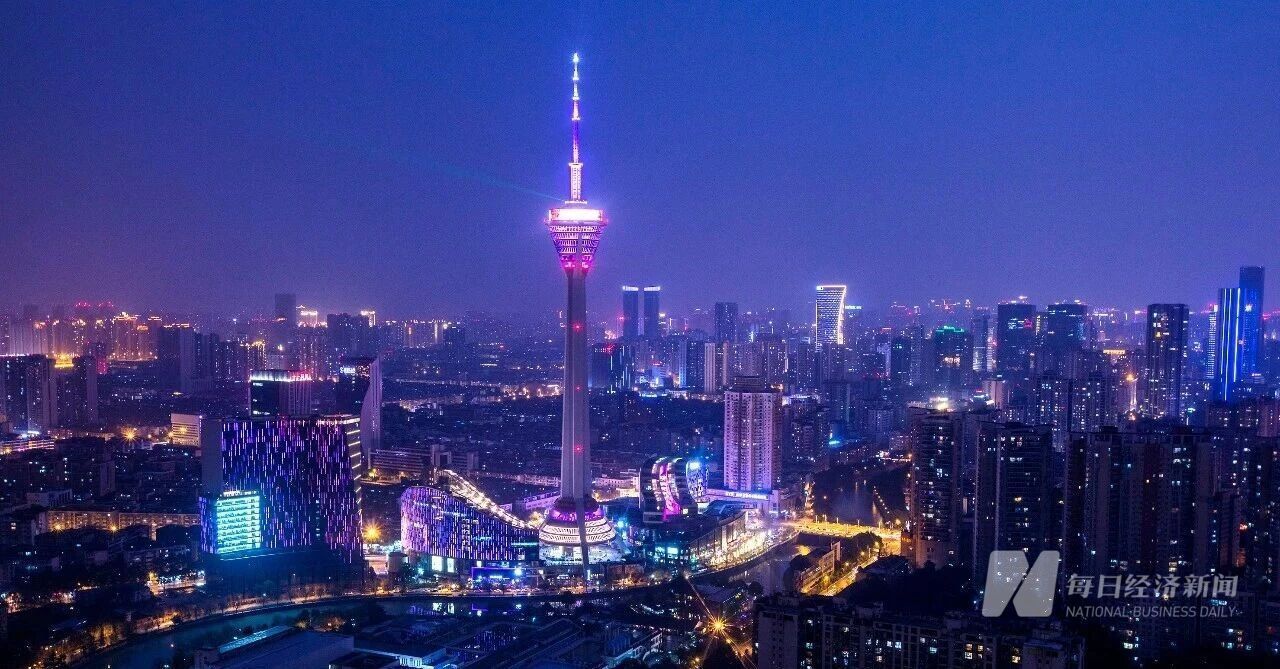
Core Insights - The concept of the creative economy was elevated to a national strategy in the UK under Prime Minister Tony Blair in 1997, influenced by John Howkins and his expert group [1] - By 2025, Chengdu aims to become a significant cultural and creative center, leveraging its young talent and favorable policies to enhance its creative industry [2] - John Howkins, known as the "father of the creative economy," emphasizes the importance of creative industries in urban economic transformation and sustainable development [4][12] Group 1: Creative Economy Development - The creative economy, which includes sectors like advertising, design, and media, is a major economic driver, contributing significantly to employment and GDP in cities like London [8] - In London, the creative industries provide over 1.1 million jobs and generate more than £50 billion annually, accounting for over 11% of the city's economy [8] - The growth rate of the creative industries from 2010 to 2023 has outpaced that of the overall UK economy, highlighting its role as a catalyst for urban development [8] Group 2: John Howkins' Contributions - John Howkins' book "Creative Economy," published in 2001, laid the foundation for understanding and categorizing creative industries, influencing global policy [4][10] - Howkins argues that a sustainable city must foster creativity, viewing the creative economy as a "trigger" for social and economic development [8][10] - His insights into the importance of intellectual property protection and creativity enhancement are crucial for cities competing in the modern economy [10] Group 3: Global Perspectives and Trends - Different countries define creative industries variably, but they all share a focus on cultural value addition [11] - The UK aims to grow its creative industry by £50 billion and create 1 million jobs by 2030, reflecting the sector's expanding influence beyond traditional cultural boundaries [12] - Howkins notes that advancements in AI and big data are further integrating creative economies into broader economic frameworks [12] Group 4: Human-Centric Development Paradigm - The shift in urban development from population growth to a model that emphasizes human and environmental co-evolution reflects a more humanistic approach [14] - Howkins believes that the creative economy is a new development paradigm that balances social, cultural, and economic growth [14] - Cities must provide better environments and legal frameworks to support creative talent, recognizing the intrinsic link between creativity and human needs [14]
俄驻华大使:今年两国贸易或至2200亿美元,农业领域潜力巨大
2 1 Shi Ji Jing Ji Bao Dao· 2025-12-23 13:05
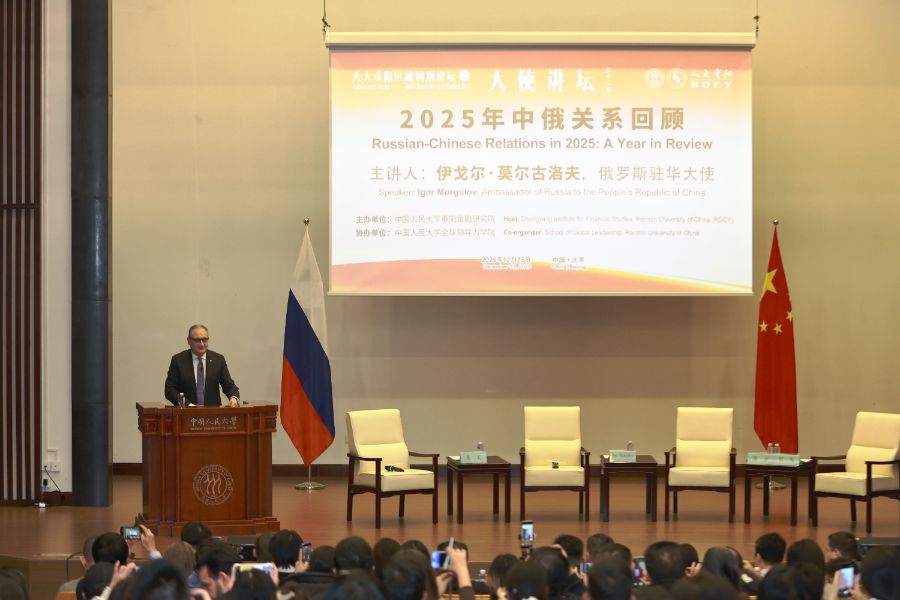
Core Viewpoint - The comprehensive strategic partnership between China and Russia is maintaining a high level of operation, showcasing strong resilience and vitality in practical cooperation [2] Economic Cooperation - China has been Russia's largest trading partner for 15 consecutive years, with bilateral trade growing by nearly $100 billion over the past three years, reaching a projected $245 billion in 2024 [3] - As of November this year, bilateral trade has surpassed $203 billion, with analysts predicting it could reach $220 billion by the end of the year [3] - The two countries are currently working on over 80 large joint projects across key industries such as automotive manufacturing, steel, non-ferrous metallurgy, chemicals, and wood processing [3] Energy Cooperation - Energy cooperation is the most significant area of practical collaboration, with Russia being China's largest supplier of oil and natural gas, meeting about 20% of China's coal import needs [4] - Ongoing discussions are taking place regarding a new gas pipeline through Mongolia, which will secure China's gas supply for decades [4] - Collaboration in decarbonization and renewable energy is expected to become a growth point in the energy sector [4] Agricultural Cooperation - The agricultural sector presents significant potential for cooperation, with Russian high-quality green agricultural products gaining popularity in the Chinese market [5] - In 2025, Russian grain exports to China are expected to grow by 10%, with total agricultural trade increasing by 14% [5] Technological Collaboration - Cooperation in science and high technology is steadily deepening, with joint research in fields such as medicine, biotechnology, ecology, and new materials [5] - Collaborative projects include the construction of a heavy ion superconducting synchrotron accelerator at the Dubna Joint Institute for Nuclear Research [5] Cultural Exchange - The two countries will host the "Russia-China Education Year" in 2026-2027, with approximately 56,000 Chinese students currently studying in Russian universities [5] - The number of Chinese citizens applying for study visas to Russia is expected to increase by 25% in 2025 [5]
【习声回响·文韵中国】保护传承好“世界级宝贝” 让千年城垣与现代城市交融共生
Yang Guang Wang· 2025-12-23 12:47
Core Viewpoint - The Xi'an City Wall, a significant cultural heritage site in China, has undergone a transition from emergency protection to a preventive and systematic protection phase, leveraging advanced technologies for its preservation [3][5]. Group 1: Historical Significance - The Xi'an City Wall is the largest and best-preserved ancient city wall in China, standing for over a thousand years, showcasing the architectural skills of ancient builders and the meticulous protection efforts of later generations [2]. - The wall has 18 gates, each representing a microcosm of cultural history, reflecting China's architectural, urban, political, economic, and military cultures [5]. Group 2: Protection Efforts - Since the 1950s, the protection of the Xi'an City Wall has evolved, with ongoing inspections and repairs to prevent damage from environmental factors [3]. - The integration of artificial intelligence and big data has enhanced the precision and efficiency of the wall's protection, with over 3,000 deformation monitoring points and 1,300 smart sensing devices creating a comprehensive data monitoring system [3]. Group 3: Visitor Engagement - The Xi'an City Wall has become a major tourist attraction, receiving over 24 million visitors since 2021, and serves as a vital window for understanding Xi'an's history and culture [6]. - Cultural events and digital viewing projects have been organized to attract visitors, blending the ancient wall with modern urban life [6]. Group 4: Future Plans - During the 14th Five-Year Plan period, efforts will be intensified to enhance the protection system and innovate preservation concepts and technologies, ensuring the wall remains a living heritage for future generations [6].

2025年伊戈尔公司深度报告:“全球造,销全球”,变压器+AIDC产品加速出海(附下载)
Xin Lang Cai Jing· 2025-12-23 12:14
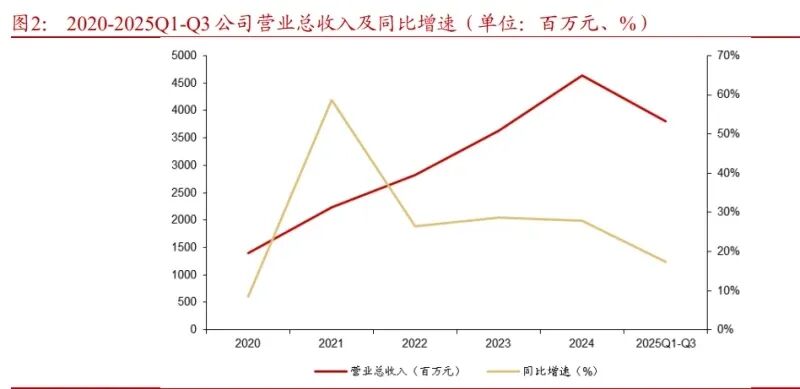
1 聚焦能源、信息行业,专注变压器、电源等产品 公司聚焦能源、信息行业,应用电力电子技术,专注于变压器、电源等产品的研发、 生产及销售。公司自 1999 年设立以来,一直扎根于电源行业,在 20 余年的发展中,依靠 强大的技术研发及客户服务能力,紧贴全球前沿 技术发展趋势,前瞻性产品迭代。公司产 品由成立初期应用于家电、音响、照明的环形变压器,顺应各时期全球 发展热点,陆续推 出电子变压器、LED 照明电源、新能源用变压器等产品,围绕优质客户,不断促进公司业 务 及产品发展。目前,公司产品可广泛应用于光伏发电、工业控制、数据中心及照明领 域。 受益于全球光储装机量增长和海外电力设备升级迭代,公司业绩高速增长。2020-2024 年,公司营业总收入分别 从 14.06 亿元增长至 46.39 亿元,四年 CAGR 达到 35%;归母净 利润从 0.51 亿元增长至 2.93 亿元,四年 CAGR 达到 54%;扣非归母净利润从 0.37 亿元增 长至 2.49 亿元,四年 CAGR 达到 61%。受部分产品销售价格下降、大 宗原材料价格上涨等 因素影响,2025Q1-Q3,公司实现营业总收入 38.08 亿元, ...
阿里1688公布年度商业领袖,称增长不靠“卷”要靠“稳”
Xin Lang Cai Jing· 2025-12-23 11:05
Core Insights - Alibaba's 1688 platform held its annual Business Leaders Summit, announcing the 2025 Business Leaders Award winners across various industries, emphasizing the shift from price competition to reliability in business success [1][4] - The Chinese economy is currently experiencing a K-shaped divergence, where only companies that embrace digitalization and possess operational resilience can navigate through economic fluctuations [1][4] - There is a noticeable trend among merchants on 1688 moving from large-scale traffic competition to a focus on refined supply chain value [1][4] Industry Trends - The manufacturing sector is facing challenges such as quality stability and structural imbalances, prompting companies to seek breakthroughs through full-chain innovation ecosystems, smart manufacturing technology advancements, and optimized resource allocation [2][5] - New technologies like AI, big data, and IoT are enabling many companies to achieve both increased production capacity and reduced labor costs, showcasing strong growth potential [2][5] - Examples of successful companies include Shanghai Yifei Packaging, which upgraded to a "one-stop safety delivery solution" provider through AI-driven capabilities, and Weifang Nao Cosmetics, which entered the healing economy with "scientific-grade essential oils" [2][5] Evaluation Criteria - The 1688 Business Leaders Award evaluation established three measurable and observable key dimensions, creating a corresponding value assessment system [3][6] - Award-winning companies were identified through a combination of big data analysis, expert reviews, and on-site evaluations, demonstrating significant advancement and industry exemplarity across various categories such as packaging, apparel, and home improvement [3][6] - The platform has developed a positive cycle in its merchant growth system, focusing on discovering benchmarks, extracting methods, and empowering ecosystems, providing a clear "coordinate system" and reusable "methodology library" for the industry [3][6]
