绿色低碳转型

Search documents
再签216台东风新能源车辆!东风商用车赋能聊城绿色运输新格局
Zhong Guo Qi Che Bao Wang· 2025-10-27 08:57
Core Insights - Dongfeng Commercial Vehicle has made a significant breakthrough in the new energy vehicle market in Liaocheng, Shandong, with the signing of 216 new energy vehicles and the delivery of the first 52 units, showcasing its commitment to supporting customers in achieving green and low-carbon transformation [1][4]. Group 1: Company Strategy and Market Position - Dongfeng Commercial Vehicle is a leading player in China's commercial vehicle sector, focusing on customer-centric approaches, reliable quality, and technological innovation to gain market trust [3]. - The company is accelerating its new energy strategy in response to the industry's green transformation trend, positioning itself as a key player in promoting low-carbon transitions in the logistics sector [3]. Group 2: Partnership and Collaboration - The signing of 216 new energy vehicles represents a milestone in the collaboration between Dongfeng Commercial Vehicle and key customers in the Shandong region, emphasizing mutual growth and deep cooperation [4]. - Both Dongfeng and Shandong PD are committed to enhancing transportation efficiency and injecting new momentum into regional low-carbon development through the introduction of Dongfeng's new energy heavy trucks [4]. Group 3: Product Offerings and Technological Advancements - The delivered vehicles include the Dongfeng Tianlong KL new energy tractor, new energy concrete mixer trucks, and new energy dump trucks, providing a comprehensive solution for various transportation scenarios [5]. - The Dongfeng Tianlong KL new energy tractor features advanced battery technology with a capacity of 400-600 kWh, fast charging capabilities, and a powerful output of 510 kW, ensuring high performance and efficiency [8]. - The new energy concrete mixer truck has a market presence of over 150,000 units, with a range of 200 kilometers and a 15% improvement in energy efficiency, while the new energy dump truck is designed for reliability and intelligent driving capabilities [10]. Group 4: Service and Support - Dongfeng Commercial Vehicle offers customized support services covering vehicle delivery, training, and ongoing operational assistance to ensure high performance throughout different operational phases [11]. - The company aims to create higher operational value for customers through systematic new energy solutions, maintaining a focus on customer service and collaboration with partners to accelerate the development of green transportation systems [11].


6亿元绿色动能注入,农行威海分行助力浦林成山驶入转型快车道
Qi Lu Wan Bao Wang· 2025-10-27 08:18
Group 1 - Agricultural Bank of China (ABC) Weihai Branch is supporting the green transformation of Pulinhengshan (Shandong) Tire Co., Ltd., which is the only enterprise in Weihai selected for financial support in green low-carbon transformation [1] - The new non-road tire project is expected to save 5.3517 million kWh of electricity and reduce carbon dioxide emissions by 3,430.44 tons annually, showcasing significant achievements in green transformation [1] - ABC Weihai Branch has approved a project credit of 600 million yuan for the company, with an initial disbursement of 52.34 million yuan to support equipment upgrades and green transformation [1] Group 2 - ABC Weihai Branch prioritizes green finance as one of its three main strategies, aiming for green loan growth to exceed overall loan growth [2] - As of September 2025, the green credit balance of ABC Weihai Branch is expected to reach 17.481 billion yuan, an increase of 3.924 billion yuan from the beginning of the year [2] - The bank plans to enhance cooperation with government entities and establish a green project information database to improve financing efficiency [2]

绿色工厂申报开启简便模式 企业为何感觉变难了
Zhong Guo Zheng Quan Bao· 2025-10-26 22:36
Core Insights - The article highlights the increasing enthusiasm of companies in applying for green factory certifications, with 1,382 new national-level green factories added in 2024, bringing the total to 6,430, and over 16,000 at the provincial level [1][5] - The Ministry of Industry and Information Technology has simplified the application process for 2025, but the substantive requirements have become more stringent, emphasizing the need for companies to provide real data [2][3] Application Requirements - The application process for green factory certification has been streamlined, eliminating the need for third-party evaluation reports and allowing companies to self-assess through an online platform [2][3] - The new evaluation criteria include five primary indicators: energy decarbonization, resource efficiency, clean production, green products, and land intensification, with a significant reduction in secondary indicators from 92 to 14 [2][3] Evaluation Standards - The evaluation has shifted from qualitative to quantitative assessments, with 11 out of 14 secondary indicators being quantitative, requiring companies to meet industry benchmarks for energy consumption and carbon emissions [3] - The weight of the "energy decarbonization" criterion is set at 30%, necessitating detailed calculations of energy consumption and carbon emissions [3] Industry Trends - The enthusiasm for applying for green factory status has been bolstered by government incentives, with rewards ranging from 200,000 to 1,000,000 yuan for successful applicants [5] - Companies are increasingly recognizing that green transformation can lead to tangible benefits, such as reduced energy costs and improved ESG ratings [6] Technological Innovation - The article discusses a wave of green transformation driven by technological innovation and digital management, with companies exploring various paths to reduce energy consumption and carbon emissions [7][8] - Innovative technologies such as integrated photovoltaic buildings and industrial waste heat recovery systems are gaining traction, while others like carbon capture and hydrogen energy are still in demonstration phases [8] Data Management - The importance of data accuracy and management is emphasized, with companies needing to maintain comprehensive records to support their green factory applications [9] - Digital carbon management platforms are becoming more prevalent, automating the collection and calculation of energy consumption data, thus enhancing efficiency and accuracy in reporting [9]
绿色工厂申报开启简便模式企业为何感觉变难了
Zhong Guo Zheng Quan Bao· 2025-10-26 21:06
Core Viewpoint - The enthusiasm for applying for green factory certification has increased significantly across various regions, with 1,382 new national-level green factories added in 2024, bringing the total to 6,430, and over 16,000 local green factories cultivated [1][4] Summary by Sections Application Requirements Update - The application process for green factory certification has been simplified, allowing companies to self-evaluate without needing third-party reports, thus reducing economic and time costs [2][3] - The new evaluation criteria have been streamlined to five primary indicators, down from 92 secondary indicators to 14, focusing on quantitative assessments [2][3] Increased Evaluation Standards - The weight of the "energy low-carbonization" indicator is set at 30%, requiring companies to conduct thorough assessments of energy consumption and carbon emissions [3] - The shift from qualitative to quantitative evaluation means that companies must provide solid performance data to succeed in their applications [3] Dynamic Management of Existing Green Factories - Existing national green factories will be subject to dynamic management, with those scoring in the bottom 5% for three consecutive years being removed from the list [3] - Companies found to have falsified data will be banned from reapplying for three years [3] Incentives for Application - Local governments are providing financial incentives ranging from 200,000 to 1,000,000 yuan for successful green factory applications, significantly lowering transformation costs [4] - Financing options such as special credit limits and lower interest rates for green factories are available, reducing financing costs by 1-2 percentage points compared to traditional channels [4] Benefits of Green Factory Certification - Achieving green factory status can enhance a company's market competitiveness and ESG ratings, as well as open up government procurement opportunities [5] - The transition to green manufacturing can lead to substantial cost savings through energy-efficient technologies and optimized resource use [5] Technological Innovation and Digital Management - Companies are increasingly adopting innovative technologies and digital management systems to facilitate their green transformation [6][7] - The integration of digital platforms for energy management is becoming crucial for accurate data collection and reporting, which is essential for green factory evaluations [7] Cost Management Strategies - Companies are encouraged to explore local incentive policies to cover initial investment costs and prioritize projects with high return on investment [8] - Establishing comprehensive management systems and preparing for sustainability reporting can enhance a company's readiness for green factory certification [8]

国家发展改革委:让更多绿电穿越山海 点亮万家灯火
Qi Huo Ri Bao Wang· 2025-10-26 16:08
Core Viewpoint - The Fourth Plenary Session of the 20th Central Committee of the Communist Party of China approved the "Suggestions on Formulating the 15th Five-Year Plan for National Economic and Social Development," emphasizing a comprehensive green transformation of the economy and society driven by carbon peak and carbon neutrality goals [1][2]. Group 1: Carbon Emission Control - The plan proposes a dual control system for carbon emissions, transitioning from the previous energy consumption control to a comprehensive carbon emission control, which will serve as a guiding principle for the green transformation [1]. - It includes the implementation of local carbon assessments, industry carbon management, enterprise carbon management, project carbon evaluations, and product carbon footprints, establishing a robust incentive and constraint system covering various entities [1]. Group 2: Energy Transition - The focus is on accelerating the green and low-carbon transition of energy, with a goal that by the end of the 15th Five-Year Plan, most new electricity demand will be met by new clean energy generation [2]. - Key initiatives include the development of non-fossil energy, promoting clean and efficient use of fossil energy, and constructing a new power system to ensure the effective integration of green electricity [2]. Group 3: Industrial Structure Transformation - The plan aims to enhance the "green content" of industries to improve the economic "gold content," targeting a doubling of the green low-carbon industry scale, currently estimated at approximately 11 trillion yuan, over the next five years [2]. - It emphasizes energy conservation and carbon reduction in key industries such as steel, non-ferrous metals, and petrochemicals, aiming for energy savings of over 15 million tons of standard coal, which could reduce carbon dioxide emissions by about 400 million tons [2]. Group 4: Lifestyle Changes - The transformation of production and lifestyle towards green and low-carbon practices is highlighted as fundamental, with initiatives for clean production, large-scale equipment upgrades, and the promotion of a circular economy [3]. - The plan encourages widespread public participation in green and low-carbon actions, advocating for resource conservation and the adoption of green products to create a beautiful environment and build a beautiful China [3].
人民日报评论员:以推动高质量发展为主题,因地制宜发展新质生产力——论学习贯彻党的二十届四中全会精神
Xin Hua She· 2025-10-26 11:51
看发展动能,更加强劲。累计建成230多家卓越级智能工厂和1260家5G工厂,培育形成60多个新 兴产业领域国家先进制造业集群,国家级人工智能专精特新"小巨人"企业超400家……科技创新不 断催生、引领和壮大新质生产力,点燃高质量发展新引擎。 看发展底色,更加鲜明。"十四五"时期前4年单位国内生产总值能耗累计降低11.6%,建成全球最 大清洁发电体系,全社会用电量中每3千瓦时电就有1千瓦时绿电……降碳、减污、扩绿、增长协 同推进,绿色低碳转型步履坚实。 高质量发展是新时代的硬道理。党的二十届四中全会把推动高质量发展确定为"十五五"时期经济 社会发展的主题,既与"十四五"规划一脉相承,又在准确把握未来5年发展大势的基础上部署了战 略任务,对于我们继续紧紧抓住高质量发展这个首要任务、全面推进中国式现代化具有重大指导 作用。 "十四五"时期,在以习近平同志为核心的党中央坚强领导下,我们紧紧围绕推动高质量发展这一 主题,深入践行创新、协调、绿色、开放、共享的新发展理念,持续推动质量变革、效率变革、 动力变革,推动中国经济在"量"上接连跨越新关口,在"质"上持续实现新突破。 发展新质生产力是推动高质量发展的内在要求和重要 ...
首家!近零碳工厂树立环保新典范
Yang Zi Wan Bao Wang· 2025-10-26 10:14
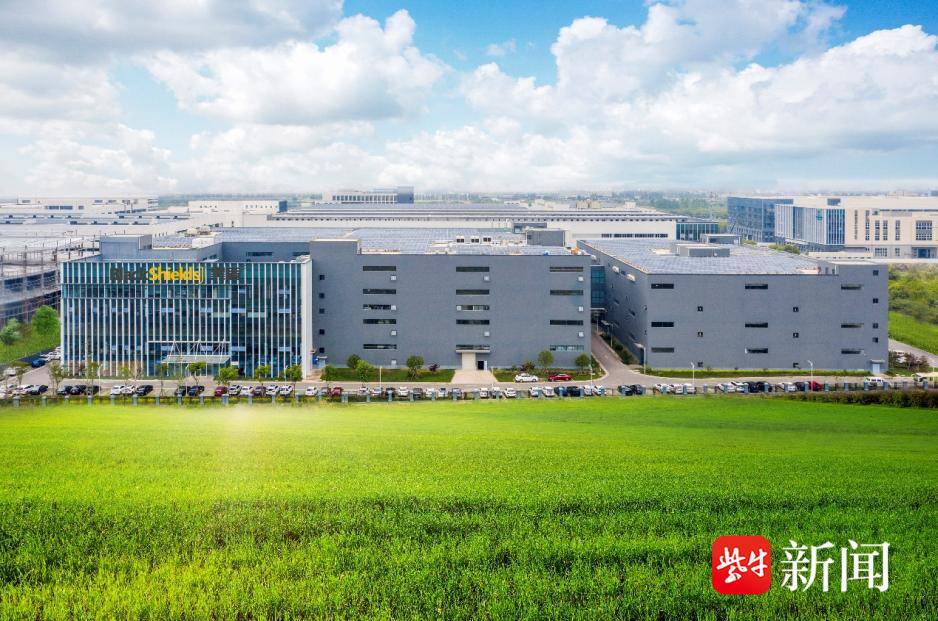
Group 1 - Suzhou Black Shield Environment Co., Ltd. has been recognized as a near-zero carbon factory by the Suzhou Industrial and Information Technology Bureau due to its significant achievements in green manufacturing and sustainable development [1][3] - The company, founded in 2009, specializes in temperature control solutions for various industries including communication, energy, finance, and environmental protection, and has received multiple honors such as the national "Little Giant" enterprise designation [3] - The company has implemented a comprehensive plan for achieving near-zero carbon emissions, including the establishment of a greenhouse gas management system and the use of 100% green electricity, with 20% sourced from rooftop solar power [3] Group 2 - The region of Yangcheng Lake Town has prioritized the construction of a green manufacturing system as a key strategy for industrial transformation, supporting enterprises in their low-carbon transitions through policy guidance and financial support [4] - As of now, the region has cultivated four provincial-level green factories and two municipal-level green factories, with plans to encourage more companies to explore carbon neutrality and promote the near-zero emissions concept [4]
中企承建!巴基斯坦一座水电站实现大坝截流,年均发电量可满足180万人需求
Mei Ri Jing Ji Xin Wen· 2025-10-26 09:14
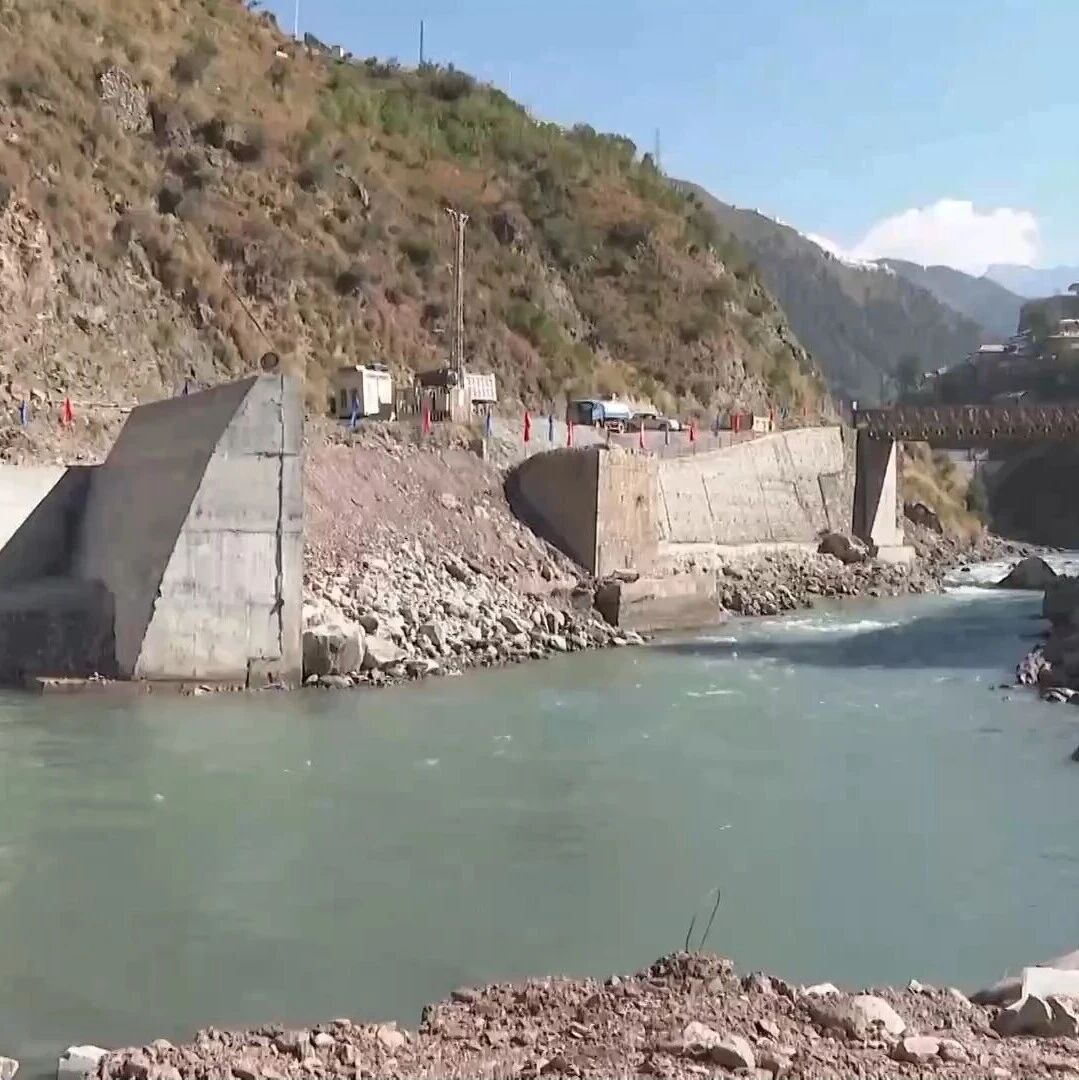
每经编辑|陈柯名 10月25日,由中国企业承建的巴基斯坦巴拉科特水电站大坝成功实现截流,标志着该工程正式转入大坝主体施工新阶段。 截流合龙工作于当天上午9时启动,历时3小时圆满完成。 巴基斯坦开伯尔-普什图省能源电力开发组织首席执行官、巴拉科特项目主任哈比布拉·夏表示,巴拉科特水电站建成后将持续为当地提供稳定、经济的电 力供应,有力推动工业生产力提升,并促进农业、制造业、服务业等相关产业发展。该电站不仅有助于缓解巴基斯坦日益增长的能源需求,还将助力国家 实现经济目标,积极应对气候变化,推动绿色低碳转型。此外,项目长期运营将有效降低巴方对能源进口的依赖,增强国家能源安全和经济稳定性。 巴拉科特水电站位于巴基斯坦开伯尔-普什图省昆哈河畔,距首都伊斯兰堡约220公里,是开伯尔-普什图省能源发展局当前规划建设的最大水电项目。电 站共配置3台混流式发电机组,单机容量100兆瓦,总装机容量达300兆瓦。项目建成后,预计年均发电量约11.44亿千瓦时,可满足约180万人口的用电需 求。 中企项目负责人表示,巴拉科特水电站是中巴友谊的重要见证,项目建设期间已为当地创造超过2000个就业岗位,并带动电力、建材、服务等相关产业发 ...
中企承建巴基斯坦巴拉果德水电站实现大坝截流
Xin Lang Cai Jing· 2025-10-26 07:19
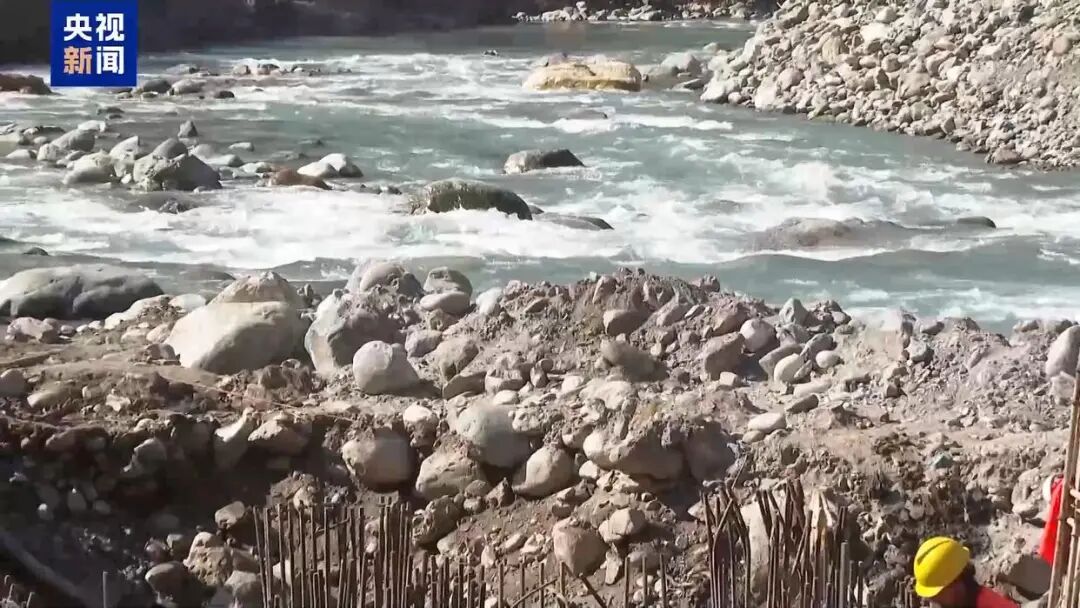
巴基斯坦巴拉果德水电站项目25日举行大坝截流仪式,标志着这一中企承建的项目正式进入大坝主体施 工阶段。 巴拉果德水电站位于巴基斯坦西北部开伯尔-普什图省的昆哈河上,由中国能建葛洲坝集团总 承包建设、中国能建葛洲坝三公司承建,于2021年9月28日正式开工,总装机容量300兆瓦。 项目业主 方负责人赛义德·哈比卜乌拉·沙阿在仪式上致辞说,巴拉果德水电站是开伯尔-普什图省当前规划建设的 最大水电工程,建成后将有助于满足巴基斯坦日益增长的能源需求,助力巴实现经济发展目标、积极应 对气候变化、推动绿色低碳转型,有效降低巴对能源进口的依赖,增强巴能源安全和经济稳定性。 中 国能建总承包公司执行总经理、葛洲坝三公司总经理毛惠刚表示,该项目建设期间已为当地创造超过 2000个就业岗位,并带动电力、建材、服务等相关产业发展,企业未来将继续同巴方加强能源电力水利 业务对接,全力推进大坝主体工程建设,打造中巴能源合作样板工程。 据了解,巴拉果德水电站投产 运营后预计年平均发电量将达到11.44亿度,可满足约180万人口的用电需求。(新华网) ...
中企承建,水电站大坝成功截流
中国能源报· 2025-10-26 02:40
Core Viewpoint - The successful completion of the dam's diversion at the Balakot Hydropower Station in Pakistan marks a significant milestone, transitioning the project into the main construction phase, highlighting the importance of Sino-Pakistani cooperation in energy development [1][2][8]. Project Overview - The Balakot Hydropower Station is located in Khyber Pakhtunkhwa province, approximately 220 kilometers from Islamabad, and is the largest hydropower project currently planned by the provincial energy development authority [4]. - The project consists of three mixed-flow generating units, each with a capacity of 100 megawatts, leading to a total installed capacity of 300 megawatts [4]. - Upon completion, the station is expected to generate an average annual output of approximately 1.144 billion kilowatt-hours, sufficient to meet the electricity needs of around 1.8 million people [4]. Economic and Social Impact - The project has created over 20,000 jobs during its construction phase and has stimulated the development of related industries such as electricity, building materials, and services [4]. - The CEO of the Khyber Pakhtunkhwa Energy Development Organization emphasized that the hydropower station will provide stable and economical electricity, enhancing industrial productivity and promoting the growth of agriculture, manufacturing, and services [6]. - The project is expected to alleviate Pakistan's growing energy demand, support the country's economic goals, and contribute to climate change mitigation and a green low-carbon transition [6]. Significance of Cooperation - The project director highlighted that the diversion ceremony represents a crucial milestone, indicating the shift from preparatory work to core construction, and reflects the enduring friendship and cooperation between China and Pakistan [8].