
制度型开放

Search documents
啥?这里平均每秒交易超过1亿元?
Jin Rong Shi Bao· 2025-09-10 13:41
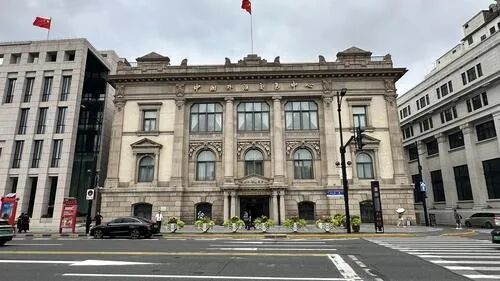
Core Insights - The daily trading volume in China's financial market exceeds 10 trillion yuan, reflecting the significant development of the financial industry [1] - The China Foreign Exchange Trading Center (CFETC) has evolved from a small-scale market to a leading platform for global RMB and related asset trading [5] Group 1: Development of the Foreign Exchange Trading Center - The CFETC was established in 1994 as part of the reform to create a unified interbank foreign exchange market and implement RMB exchange rate reform [3] - Over 30 years, the CFETC has expanded its services to include nearly 6,000 institutions from over 70 countries, covering various financial markets and products [5] Group 2: Market Opening and Innovation - The CFETC has introduced multiple measures to open the interbank market, providing efficient investment channels for global investors [6] - The number of foreign institutional participants in the Chinese interbank market has surpassed 1,100, with foreign investors holding approximately 4 trillion yuan in bonds [6] Group 3: High-Quality Development and International Standards - The interbank market's depth and breadth provide a solid foundation for expanding openness, with a complete product system and good market liquidity [7] - The CFETC has developed green bonds in collaboration with the European Central Bank, aligning with international standards and promoting green finance in China [7] Group 4: Technological Advancements and Security - The CFETC has upgraded its trading systems to ensure independent design and control over core technologies, enhancing data security and market monitoring [8] - Despite increasing volatility in international financial markets, the Chinese interbank market has maintained stability while improving its openness [8]

北京昌平“两区”建设五年成绩单:外资年均增速超28%,落地项目1900余个
Bei Jing Shang Bao· 2025-09-10 12:48
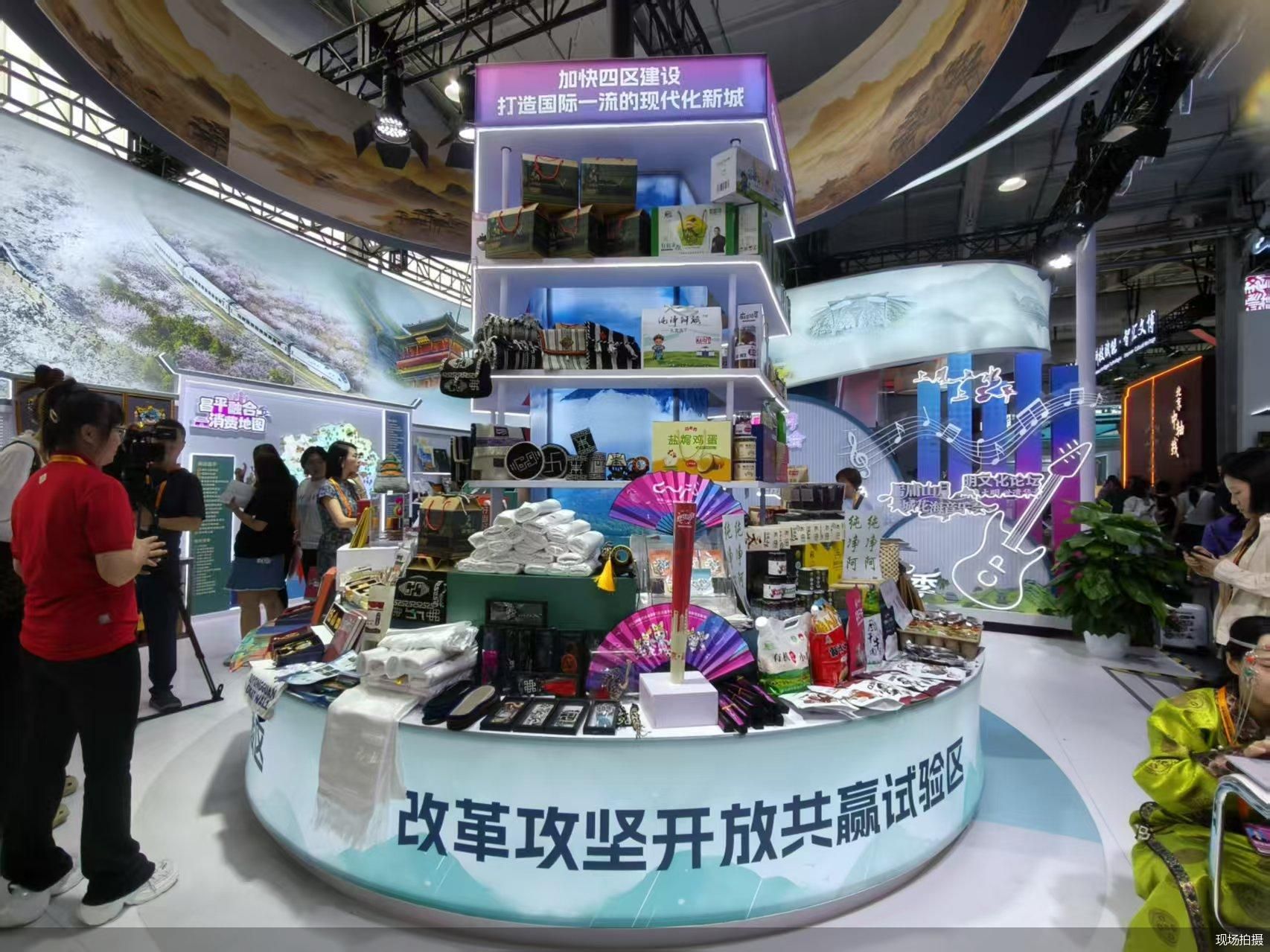
Group 1 - Over the past five years, Changping District has leveraged the "Two Zones" construction opportunity, resulting in over 1,900 projects and the establishment of 329 foreign-funded enterprises, with an average annual growth rate of 28.2%, and actual foreign investment reaching $1.68 billion [1][2] - Changping District has implemented over 20 special policies focused on institutional openness, leading to the establishment of 210 high-quality measures and several nationally influential innovative outcomes, including the first international research hospital and the first decentralized clinical trial pilot [2][3] - The district has achieved dual growth in foreign investment and trade, with actual foreign investment exceeding $1.68 billion and an average annual growth rate of 31.7%, while the total number of foreign-funded enterprises is approximately 800 [3][4] Group 2 - Changping District has developed a three-in-one international intellectual property service system to address the challenges faced by local enterprises in internationalizing their intellectual property [4] - The district has established a high-quality spatial layout for the biopharmaceutical industry, with over 1,300 acres of industrial land supplied and multiple high-standard factories built, contributing to the approval of 11 innovative drugs and 32 innovative medical devices [4][5] - Changping District has introduced a "white list" policy for imported research materials and a regulatory model for inspection, enhancing the credit level of cross-border trade and facilitating customs clearance [5]
2025服贸会|北京昌平“两区”建设五年成绩单:外资年均增速超28%,落地项目1900余个
Bei Jing Shang Bao· 2025-09-10 12:44
Core Insights - Changping District in Beijing has leveraged the "Two Zones" initiative, resulting in over 1,900 projects and 329 newly established foreign-funded enterprises, with an average annual growth rate of 28.2%, and actual foreign investment reaching $1.68 billion [1][4]. Group 1: Policy and Innovation - Over the past five years, Changping has implemented over 20 specialized policies focused on institutional openness, leading to 210 high-value measures and several nationally influential innovations [3]. - Notable achievements include the establishment of China's first international research hospital, the first decentralized clinical trial pilot, and a one-stop public service platform for special goods and biological materials [3][4]. Group 2: Foreign Investment and Trade - Since the launch of the "Two Zones" initiative, Changping has attracted over $1.68 billion in foreign investment, with an annual growth rate of 31.7%, and established over 300 foreign-funded enterprises [4]. - The district's export total reached 12.53 billion yuan in the first half of 2025, marking a year-on-year increase of 58.6%, the highest growth rate in the city [4]. Group 3: Intellectual Property and Innovation Ecosystem - Changping has developed a three-in-one international intellectual property service system to address the challenges faced by local enterprises in global competition [5]. - The district has approved 11 innovative drugs and 32 national innovative medical devices, accounting for 40% of the city's total and 8.9% nationally [5]. Group 4: Cross-Border Trade and Support Services - The introduction of a whitelist policy for imported research materials and a new inspection and supervision model has improved cross-border trade credit and customs facilitation [6]. - Changping has established a service center for the life and health industry to support enterprises in international expansion, enhancing export credit insurance coverage [6].
经营主体破2000万户之后:广东再造营商环境
21世纪经济报道· 2025-09-10 09:06
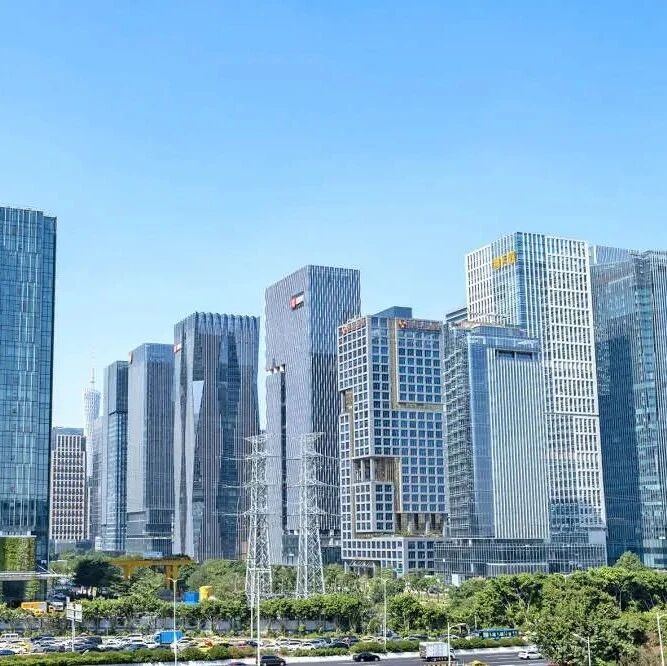
Core Viewpoint - Guangdong Province is accelerating the construction of a modern industrial system, focusing on optimizing the business environment to maintain economic resilience and stimulate market vitality, particularly for private enterprises and foreign investments [1][2]. Group 1: Business Environment and Growth - As of September 3, 2024, Guangdong has 20.0019 million registered business entities, a net increase of 953,100, representing a 5% growth, accounting for one-tenth of the national total [1]. - The number of registered private enterprises reached 8.3453 million, a year-on-year increase of 10.6%, while foreign-invested enterprises totaled 230,000, growing by 6.97% [1]. - The Greater Bay Area has seen 18,500 new foreign-invested enterprises, making up 97.73% of the province's total new foreign investments [1]. Group 2: Role of Private Enterprises - By August 2025, there were 19.2517 million registered private economic organizations in Guangdong, a year-on-year growth of 6.47%, constituting 96.45% of all business entities [4]. - Private enterprises account for over 90% of high-tech firms, technology-based SMEs, and specialized innovative enterprises in Guangdong [6]. - Despite their significant role, private enterprises face challenges in market access, fair competition, and resource allocation [6][7]. Group 3: Foreign Investment and Protection - Guangdong is a preferred destination for foreign investment, with over 350 Fortune 500 companies established in the region [10]. - By August 2024, the province had 230,000 registered foreign-invested enterprises, with a net increase of 15,000, marking a 6.97% growth [10]. - The province has implemented measures to enhance foreign investment protection, including legislative efforts and improved cross-border registration processes [11][12].
塑造国际合作竞争新优势
Jing Ji Ri Bao· 2025-09-07 22:12
Core Viewpoint - The article emphasizes China's commitment to expanding high-level opening-up and stabilizing foreign trade and investment, highlighting the importance of institutional opening and international cooperation in enhancing China's global competitiveness [1][4]. Group 1: Institutional Opening - The upcoming full island closure operation in Hainan represents a significant step towards institutional opening, aiming to enhance China's openness at a higher level and deeper field [1]. - As of early July, China has replicated and promoted 379 institutional innovation achievements from free trade pilot zones, creating a favorable environment for shared reform dividends and open results [1]. Group 2: Attracting Global Innovation Resources - In 2022, the proportion of foreign investment in China's high-tech industries reached 34.6%, with actual foreign investment in high-tech industries amounting to 127.87 billion yuan in the first half of this year [3]. - China is becoming a strategic hub for global capital and technology, with multinational companies increasing investments in cutting-edge fields, indicating China's growing importance in the global innovation landscape [3]. Group 3: Global Governance and International Cooperation - China actively participates in global governance and international cooperation, enhancing its influence in rule-making and contributing to economic globalization [4]. - The Belt and Road Initiative serves as a crucial platform for China to engage in global governance, focusing on infrastructure projects to create demonstrative rules and standards recognized by developing countries [4][5]. Group 4: Cooperation with Belt and Road Countries - Strengthening connectivity and capacity cooperation with Belt and Road countries is essential for shaping new international cooperation advantages, emphasizing traditional and new infrastructure projects [5]. - Continuous improvement of international cooperation mechanisms under the Belt and Road Initiative is necessary to enhance multilateral cooperation across various fields [5].
上交所和新交所联合举办沪新深化合作交流会
Zheng Quan Ri Bao Wang· 2025-09-05 13:04
Core Insights - The Shanghai Stock Exchange (SSE) and the Singapore Exchange (SGX) are enhancing their collaboration, focusing on new opportunities in capital market cooperation [1][2] - The SSE and SGX have successfully launched five ETF mutual products, marking a significant step in their partnership [1] - The introduction of the China Securities Index for Emerging Market Technology in January 2024 signifies the substantial progress in index cooperation between the two exchanges [1] Group 1 - The recent "Shanghai-Singapore Deepening Cooperation Exchange Conference" saw participation from nearly 70 listed companies and institutions from both regions [1] - Discussions at the conference centered on high-quality development of listed companies and the deepening of the ETF mutual mechanism [1] - SSE emphasized that overseas market expansion by enterprises is a practical implementation of national institutional opening, promoting Chinese standards and stories globally [1] Group 2 - SSE plans to continue creating a convenient and friendly cross-border investment environment under the guidance of the China Securities Regulatory Commission [2] - The exchange is committed to promoting high-level institutional opening of the capital market to support high-quality economic development [2]
聚焦新机遇,上交所和新交所联合举办沪新深化合作交流会
Sou Hu Cai Jing· 2025-09-05 11:57
Core Viewpoint - The Shanghai Stock Exchange (SSE) and the Singapore Exchange (SGX) are enhancing their collaboration to create new opportunities in the capital markets, focusing on the development of cross-border investment products and facilitating international market access for Chinese companies [1] Group 1: Collaboration and Achievements - The SSE and SGX have been strengthening their cooperation, with significant business outcomes emerging over recent years [1] - As of December 2023, the SSE and SGX jointly launched five ETF mutual products that are now successfully traded on both exchanges [1] - In January 2024, the SSE and SGX released the China Securities SGX Asia Emerging Markets Technology Index, marking a substantial step in their index collaboration project [1] Group 2: Focus Areas and Future Plans - The recent exchange meeting emphasized new opportunities for capital market collaboration and discussed ways to deepen the SSE-SGX ETF mutual mechanism [1] - The SSE highlighted that expanding overseas market presence for companies is a practical implementation of national institutional openness, promoting Chinese rules, standards, and narratives globally [1] - The SSE plans to continue developing a friendly cross-border investment environment under the guidance of the China Securities Regulatory Commission, aiming to promote high-level institutional openness in the capital market and support high-quality economic development [1]
服贸会13场高水平主题论坛汇聚全球智慧
Zhong Guo Jing Ji Wang· 2025-09-05 00:41
Group 1 - The 2025 Service Trade Fair will feature 13 high-level thematic forums aimed at fostering global cooperation and building an open world economy [1] - The forums will highlight China's innovative achievements in service trade and its international cooperation capabilities, providing wisdom and practical paths for global service trade development [2] - Key reports such as the "China Service Trade Development Report 2024" and "Digital Trade Development and Cooperation Report 2025" will be released, offering a "Chinese perspective" on global service trade [2] Group 2 - The integration of digital technology and the real economy will be prominently showcased, with international cooperation projects in satellite communication and AI being signed at the event [3] - The international participation at the fair will reach new heights, with high-level officials and experts from various countries discussing cooperation in service trade [4] - The fair will also focus on how service trade can benefit people's lives, with discussions on health coverage, patient safety, and youth employment [5]
人行珠海市分行苏基溶:横琴EF账户划转资金已超1600亿元
2 1 Shi Ji Jing Ji Bao Dao· 2025-09-04 08:24
Group 1 - The 2025 Hengqin World Bay Area Forum focused on financial themes, emphasizing the role of Hengqin as a key area for the Guangdong-Hong Kong-Macao Greater Bay Area development [1] - The People's Bank of China Zhuhai Branch is actively exploring cross-border financial cooperation between Hengqin and Macao, implementing the "Hengqin Financial 30 Measures" to enhance financial connectivity [1][2] - The expansion of dual-currency payment services and the promotion of cross-border financial products aim to facilitate the lives of Macao residents and support their employment in the cooperation zone [1] Group 2 - The financial services for cross-border trade and investment are being improved, with significant enhancements in cross-border RMB and foreign exchange services, including the trial of multi-functional free trade accounts [2] - As of the end of August, the funds transferred through the EF accounts exceeded 160 billion RMB, indicating a growing trend in cross-border financial activities [2] - The cooperation zone's banking institutions reported a loan balance exceeding 190 billion RMB by the end of July, reflecting the increasing financial support for key industries in the region [2]
外资加码投资中国资本市场对外开放提速
Zhong Guo Zheng Quan Bao· 2025-09-03 22:42
Core Viewpoint - Foreign investment in Chinese assets is increasing, supported by policy reforms and favorable market conditions [1][2][3] Group 1: Foreign Investment Trends - As of the end of July, the number of Qualified Foreign Institutional Investors (QFII) reached 900, with 40 new additions this year [1] - QFII has entered the top ten shareholders of 1,145 A-share listed companies, with a total holding value of 143.464 billion yuan, an increase of 21.29 billion yuan from the previous quarter [1] - In the first half of the year, foreign investors net increased their holdings in domestic stocks and funds by 10.1 billion USD, reversing a two-year trend of net reductions [1] Group 2: Market Confidence and Valuation - Goldman Sachs reported a net inflow of 4.076 billion USD into mainland Chinese stock funds from August 21 to August 27, leading among emerging markets [2] - The overall confidence of investors in Chinese investments has been steadily increasing this year, particularly in the context of global asset allocation trends [2] - The Chinese economy remains stable, with rapid industrial upgrades in sectors like renewable energy and AI, attracting foreign investment [2][3] Group 3: Policy Support and Market Outlook - The China Securities Regulatory Commission (CSRC) plans to accelerate the implementation of key measures for capital market opening by 2025, including optimizing the QFII system [3][4] - Suggestions include expanding investment scope and increasing foreign ownership limits to enhance foreign capital inflow while managing potential risks [4][5] - The establishment of cross-border asset management pilots and the issuance of RMB-denominated green bonds are recommended to attract long-term capital [5]

