
高科技制造

Search documents
中巴经济走廊升级正当时
Jing Ji Ri Bao· 2026-01-08 21:43
Group 1 - The core viewpoint of the articles emphasizes the strengthening of China-Pakistan relations, particularly through the China-Pakistan Economic Corridor (CPEC) as a flagship project of the Belt and Road Initiative, showcasing significant progress in various sectors [1][2][3] - The seventh round of the China-Pakistan Foreign Ministers' Strategic Dialogue was held, focusing on enhancing cooperation in strategic, political, defense, economic, trade, investment, and cultural fields [1] - Both countries agreed to upgrade the CPEC to a "2.0 version," concentrating on industries, agriculture, and mining, while ensuring the smooth operation of the Gwadar Port and the Karakoram Highway [1] Group 2 - In 2025, the CPEC saw notable advancements, including an increase in enterprises settling in the Gwadar Free Zone and the establishment of high-tech manufacturing companies in the Rashakai Special Economic Zone [2] - The agricultural cooperation demonstration zone significantly boosted Pakistan's agricultural exports, reflecting the mutual benefits of the partnership [2] - Humanitarian efforts were highlighted, with Chinese enterprises donating approximately 3.689 million Pakistani Rupees (about 132,000 USD) to aid flood victims in Pakistan, benefiting over 1,850 affected families [3]
今明两年年均上涨15%至20%!高盛高呼:超配中国股票
华尔街见闻· 2026-01-06 11:49
Core Viewpoint - Goldman Sachs' strategist team has issued a strong bullish signal for Chinese assets, recommending investors to "overweight" Chinese stocks, predicting a robust bull market in 2026 and 2027 driven by corporate profit growth and valuation recovery, with an expected annual increase of 15% to 20% [1][3]. Group 1: Profit Recovery and Valuation Reassessment - The core viewpoint of Goldman Sachs is based on expectations of substantial improvement in corporate fundamentals, with profit growth rates projected at 14% and 12% for 2026 and 2027 respectively, alongside an anticipated 10% valuation uplift [3][4]. - Key factors driving profit acceleration include the widespread application of AI technology, the trend of Chinese companies "going global," and policy measures aimed at curbing disorderly competition, referred to as "anti-involution" actions [3][4]. - Goldman Sachs emphasizes that the current valuation levels of Chinese markets do not fully reflect their growth potential, suggesting that improved investor sentiment and capital reallocation will lead to significant valuation reassessment [4]. Group 2: Export Structure Optimization and "Going Global" Dividend - Despite a complex external trade environment, Goldman Sachs remains optimistic about the competitiveness of China's export sector, which is a crucial rationale for its positive outlook on Chinese listed companies [6]. - The report highlights that Chinese exporters have successfully diversified their markets, with emerging markets becoming significant growth points, and the shift from simple product exports to globalized layouts, including increased exports of intermediate and capital goods [6][7]. - It is projected that export volumes will maintain an annual growth rate of 5-6% in the coming years, providing direct performance support for related listed companies [7]. Group 3: Policy Easing and Liquidity Environment - Goldman Sachs anticipates a relatively loose monetary policy environment in China, which will benefit stock market performance, predicting two 10 basis point cuts in policy interest rates by the central bank in 2026 [9]. - The report forecasts that the central bank will maintain ample interbank liquidity to support economic growth and government bond issuance, leading to a decline in short-term interest rates, with the 7-day reverse repo rate expected to drop from 1.4% to around 1.2% by the end of 2026 [9]. - The expansionary fiscal policy, with an anticipated increase in the broad fiscal deficit, will also provide support for the real economy and market sentiment [9]. Group 4: Attractiveness of Renminbi Assets and Currency Appreciation - Beyond the potential for stock market gains, currency factors may provide additional returns for foreign investors holding Chinese assets, with the Renminbi currently undervalued by approximately 25% against the US dollar [10][12]. - The report predicts that the Renminbi will gradually appreciate to 6.85 against the US dollar within the next 12 months, supported by strong export growth and trade surpluses, with China's goods trade surplus expected to expand to $1.4 trillion by 2026 [10][12]. - An increase in the current account surplus, easing US-China trade tensions, and policy support for the internationalization of the Renminbi will further bolster the currency's strength, enhancing total returns for international investors denominated in US dollars [12].



中国为何敢让海南封关?自贸区“独门绝技”,世界仅中国具备
Sou Hu Cai Jing· 2025-12-23 09:48
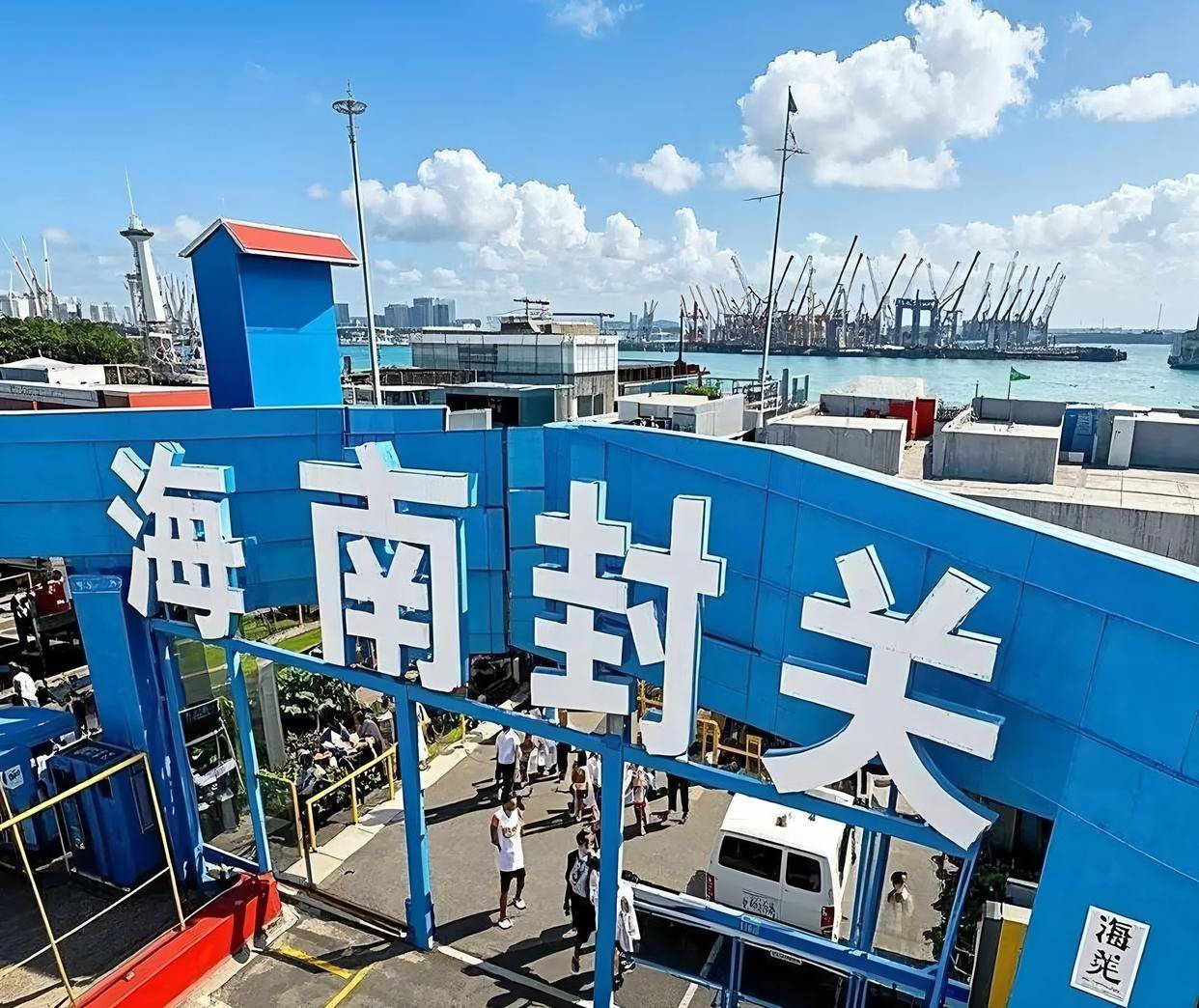
Core Viewpoint - The article discusses China's new policy allowing foreign companies to assemble products in Hainan, increasing their value by over 30%, enabling them to sell these products to mainland China without import tariffs, effectively granting access to a vast market [2][3]. Group 1: Policy Implications - Foreign brands can now bypass high import tariffs by setting up operations in Hainan, leveling the playing field with domestic brands [3]. - This policy is seen as a strategic move to attract global manufacturers to establish factories and R&D centers in China, positioning the country as a significant player in the global market [5]. Group 2: Risks and Challenges - The policy poses significant risks, particularly regarding smuggling and regulatory challenges, as the vast area of Hainan could become a target for illicit activities if not properly monitored [10][12]. - The potential for a breakdown in tax revenue due to unregulated influx of goods is highlighted as a major concern [10]. Group 3: Regulatory Framework - China is implementing a "digital surveillance network" to monitor goods and individuals entering and leaving Hainan, utilizing advanced technologies like big data and AI for real-time analysis [12][15]. - The integration of Hainan's anti-smuggling system with neighboring provinces enhances the effectiveness of regulatory measures [16][19]. Group 4: Investment Climate - The stability and continuity of Chinese policies are emphasized as key factors in attracting foreign investment, contrasting with the unpredictability seen in other countries [22][23]. - The enactment of the Hainan Free Trade Port Law in 2021 solidifies the commitment to maintaining favorable conditions for global capital [23]. Group 5: Strategic Significance - The initiative is viewed as a demonstration of China's governance capabilities, balancing openness with control, and creating a unique economic zone that could reshape global industrial distribution [26][28]. - The project is not merely an economic endeavor but a showcase of national strength and governance evolution, aiming to transform Hainan into a significant economic engine [28].
“ESG驱动与可持续发展论坛”圆满举行,“产学研金用”共探价值创造新路径
Mei Ri Jing Ji Xin Wen· 2025-11-05 11:06
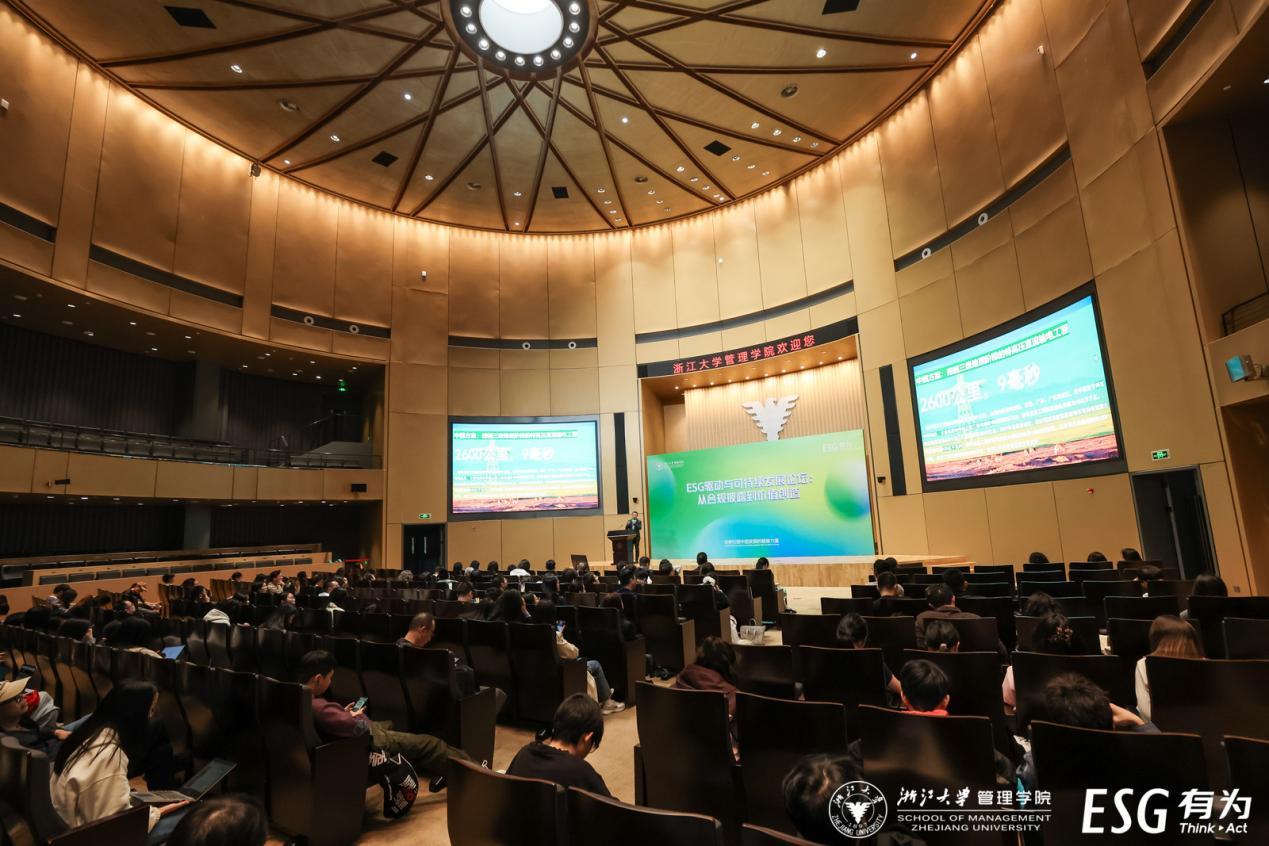
Core Viewpoint - The forum emphasized that ESG (Environmental, Social, Governance) has evolved from a voluntary action to a core strategy for companies, driven by global sustainable development trends and the "dual carbon" strategy [1][3]. Group 1: ESG as a Strategic Imperative - ESG is now considered a "must-answer question" for listed companies, integrating environmental, social, and governance dimensions into corporate strategy for risk management and innovation [3]. - The essence of ESG is to drive businesses towards positive societal impact, rooted in a reflection on the negative externalities of industrial civilization and the need for sustainable development [4][6]. Group 2: Implementation and Challenges - The best driving force for ESG practice is the entrepreneurial spirit, which emphasizes balancing economic, social, and environmental values, contrasting with traditional shareholder primacy [6]. - Companies face the challenge of translating high-level ESG theoretical requirements into executable and quantifiable management strategies, especially as regulatory demands for ESG disclosures increase [6][8]. Group 3: ESG Reporting and Value Creation - ESG reports serve as platforms for showcasing sustainable practices and provide valuable insights for external stakeholders, with a focus on forward-looking non-financial indicators [10]. - Companies like Hikvision have integrated ESG principles into their operations, demonstrating how technology can align with sustainable development goals [9][10]. Group 4: Zero-Carbon Initiatives - The concept of zero-carbon parks is highlighted as a critical component for achieving urban and corporate sustainability, acting as a nexus for clean energy and economic growth [12]. - The construction of zero-carbon parks is seen as a key battleground for corporate green transformation and sustainable development from 2025 to 2030 [12]. Group 5: Capital and Industry Collaboration - Achieving ESG value creation requires breaking down barriers between industry and capital, emphasizing the importance of integrating ESG into investment decision-making [13][17]. - High-quality ESG information disclosure is crucial for facilitating collaboration between capital and industry, helping companies understand their sustainability management levels and enabling investors to identify risks and opportunities [18].
稀土后续来了!欧盟主席气急败坏,马克龙和默茨要启动“核选项”
Sou Hu Cai Jing· 2025-10-31 08:37
Core Viewpoint - China has transitioned from adhering to international rules to becoming a rule-maker, asserting its position in the global market, particularly in rare earth exports, which poses significant challenges for European industries such as automotive, defense, and artificial intelligence [1][2] Group 1: China's Position and Actions - China has implemented export controls on certain resources like gallium and rare earths, leading to immediate risks of supply chain disruptions in the EU's high-tech manufacturing sector [2] - The assertion of "I am the rule" reflects China's confidence in its ability to influence global trade dynamics, particularly in critical materials [1] Group 2: European Response - EU leaders, including President Macron and Chancellor Merz, have threatened to use the "nuclear option" of the EU's Anti-Coercion Instrument, which includes measures like trade restrictions and investment controls, if consensus on rare earth issues is not reached with China [1] - The EU's heavy reliance on China for 90% of its rare earth imports raises questions about the feasibility of achieving true autonomy in critical supply chains [2] Group 3: Implications for Global Trade - The current tensions highlight the contradictions in Western attitudes, where threats are issued while simultaneously seeking cooperation from China, indicating a lack of effective strategy [2] - The effectiveness of sanctions or restrictions imposed by Western nations is contingent upon China's participation or compliance, emphasizing the need for a more collaborative approach [2]

二十届四中全会公报要点解读:自主创新和科技自立自强是“十五五”期间的战略主轴
Dong Fang Jin Cheng· 2025-10-24 02:24
Economic Environment - The "15th Five-Year" period faces complex changes in the development environment, with both strategic opportunities and risks present[1] - External challenges include increased tariffs from the US and restrictions on high-tech imports, necessitating a focus on technological self-reliance[1][2] Strategic Planning - The core strategy for the "15th Five-Year" plan is to enhance independent innovation and technological self-reliance, supported by a modern industrial system centered on advanced manufacturing[2][3] - The plan emphasizes the need to expand domestic demand, boost consumption, and reduce reliance on foreign markets[4] Economic Growth Targets - The focus will shift from high-speed growth to high-quality development, with no specific GDP growth targets set for the next five years[5] - The average GDP growth rate during the "14th Five-Year" period was 5.4%, with projections for the "15th Five-Year" period to be between 4.5% and 5.0%[5] Fiscal and Monetary Policy - The fiscal policy will prioritize funding for major national strategies, focusing on modern industrial systems and increasing technology spending[6][7] - Monetary policy will aim for stability and flexibility, with an emphasis on supporting technology-driven sectors and managing economic cycles[8] Immediate Policy Actions - There is an expectation for macroeconomic policies to intensify in the fourth quarter to stabilize growth, including new fiscal measures and potential interest rate cuts[9]
世界知识产权组织报告显示——中国创新实力持续增强
Jing Ji Ri Bao· 2025-09-16 22:12
Group 1 - The World Intellectual Property Organization's 2025 Global Innovation Index Report evaluates the innovation performance of nearly 140 economies using around 80 indicators, including R&D expenditure, venture capital transactions, high-tech exports, and intellectual property applications [1] - Switzerland, Sweden, the United States, South Korea, and Singapore rank highest in the innovation index, while China has entered the top ten for the first time, indicating a continuous enhancement of its innovation capabilities [1][2] - Global R&D growth is projected to slow down to 2.3% in 2025, down from 4.4% in 2023, with actual corporate R&D spending growth dropping to 1% due to persistent inflation, significantly lower than the 10-year average of 4.6% [1] Group 2 - China ranks tenth in the 2025 Global Innovation Index, achieving first place in knowledge and technology output, surpassing the U.S. in R&D spending, and leading globally in patent applications [2] - China has the largest number of innovation clusters globally, with 24 out of the top 100 clusters located in the country, and the Shenzhen-Hong Kong-Guangzhou cluster has surpassed Tokyo-Yokohama to become the top-ranked innovation cluster [2] - Several middle-income economies have shown significant improvement in their rankings since 2013, with countries like India, Turkey, Vietnam, and the Philippines making notable advancements in various innovation metrics [3]
经营主体破2000万户之后:广东再造营商环境
21世纪经济报道· 2025-09-10 09:06
Core Viewpoint - Guangdong Province is accelerating the construction of a modern industrial system, focusing on optimizing the business environment to maintain economic resilience and stimulate market vitality, particularly for private enterprises and foreign investments [1][2]. Group 1: Business Environment and Growth - As of September 3, 2024, Guangdong has 20.0019 million registered business entities, a net increase of 953,100, representing a 5% growth, accounting for one-tenth of the national total [1]. - The number of registered private enterprises reached 8.3453 million, a year-on-year increase of 10.6%, while foreign-invested enterprises totaled 230,000, growing by 6.97% [1]. - The Greater Bay Area has seen 18,500 new foreign-invested enterprises, making up 97.73% of the province's total new foreign investments [1]. Group 2: Role of Private Enterprises - By August 2025, there were 19.2517 million registered private economic organizations in Guangdong, a year-on-year growth of 6.47%, constituting 96.45% of all business entities [4]. - Private enterprises account for over 90% of high-tech firms, technology-based SMEs, and specialized innovative enterprises in Guangdong [6]. - Despite their significant role, private enterprises face challenges in market access, fair competition, and resource allocation [6][7]. Group 3: Foreign Investment and Protection - Guangdong is a preferred destination for foreign investment, with over 350 Fortune 500 companies established in the region [10]. - By August 2024, the province had 230,000 registered foreign-invested enterprises, with a net increase of 15,000, marking a 6.97% growth [10]. - The province has implemented measures to enhance foreign investment protection, including legislative efforts and improved cross-border registration processes [11][12].
为经济新旧动能转换护好航
Di Yi Cai Jing Zi Xun· 2025-08-29 00:55
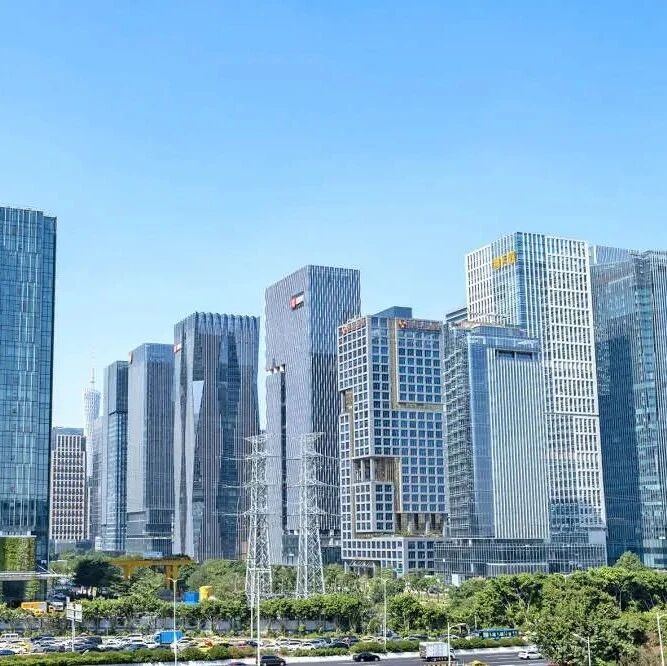
Group 1 - The core viewpoint of the article highlights the resilience and growth potential of China's economy, particularly in the high-tech manufacturing sector, despite overall industrial profit declines [2][4] - In the first seven months, profits of large-scale industrial enterprises decreased by 1.7% year-on-year, with a notable improvement in July where profits fell by only 1.5%, indicating a narrowing decline [2] - High-tech manufacturing saw a significant turnaround in July, with profits increasing by 18.9% compared to a 0.9% decline in June, contributing to an overall acceleration in profit growth for large-scale industrial enterprises [2][3] Group 2 - The article emphasizes the importance of market consensus and support for innovation, as evidenced by the rise of domestic AI chip company Cambricon, which surpassed Kweichow Moutai in stock price, reflecting investor confidence in technology-driven enterprises [3] - The current market environment, characterized by asset scarcity, has led investors to place higher expectations and valuations on companies pursuing technological advancements [3][4] - The article calls for a supportive environment for high-tech enterprises, advocating for reduced regulatory costs and protection of property rights to foster their growth and contribution to economic transformation [4][5] Group 3 - The performance of high-tech manufacturing indicates a structural divergence in the economy, with traditional sectors like upstream raw materials and consumer services still facing challenges [4] - The article stresses the need for a robust risk management framework to assist struggling industries, including legal and institutional preparations for market exits and restructuring [4][5] - It highlights the necessity of market-oriented reforms, particularly for state-owned enterprises, to ensure their modernization and competitiveness in the evolving economic landscape [5]

A股,大利好!高盛最新发声:中国股市仍有上涨空间
Cai Jing Wang· 2025-08-22 02:05
Core Viewpoint - Foreign capital remains optimistic about the Chinese stock market, particularly small and mid-cap stocks, despite recent gains in major indices [1][2]. Group 1: Market Performance - Since the rebound began on April 8, the Shanghai Composite Index has risen over 21%, the Shenzhen Component Index over 27%, and the ChiNext Index over 43% [2]. - The CSI 300 Index has increased by over 19%, while the CSI 500 and CSI 1000 indices have risen by 26.8% and 31.96%, respectively [2]. - The CPO index has shown the strongest performance with a rise of over 123%, while other indices related to light chips, CRO, and rare earths have also seen significant increases [2]. Group 2: Capital Flow and Investment Trends - High net worth individuals have only allocated 22% of their financial assets to funds and stocks, indicating a potential inflow of over 10 trillion yuan into the market [2]. - There are signs of a shift in household savings from bank deposits to stock investments, as indicated by a negative monthly change in household deposits and an increase in non-bank financial institution deposits [3]. - The A-share market has become the most net bought market recently, with a buying ratio of 1.1 times [3]. Group 3: Broker Insights - CICC reports that since May, there have been signs of deposits moving to the stock market, with M1 growth rising to 5.6% in July from 2.3% in May [5]. - The rapid growth of margin accounts at brokerages suggests that deposits are being prepared for market entry, with non-bank deposits increasing by 1.4 trillion yuan in July [6]. - The trading volume in the A-share market has significantly increased, with daily turnover surpassing 2 trillion yuan and margin financing exceeding 2 trillion yuan [6]. Group 4: Future Outlook - Huaxi Securities believes that the A-share market has ample space and opportunities, supported by strong household savings and a shift in risk appetite among residents [7]. - The potential inflow of household savings into the stock market could be substantial, with estimates suggesting a range of 5 trillion to 7 trillion yuan [6][7]. - The current valuation of A-shares remains reasonable compared to historical levels, indicating potential for further growth [6].