食品安全

Search documents
山东省庆云县市场监督管理局食品安全监督抽检信息通告2025年第3期(总第94期)
Zhong Guo Zhi Liang Xin Wen Wang· 2025-07-09 08:14
Summary of Key Points Core Viewpoint The announcement from the Qingyun County Market Supervision Administration highlights the results of food safety supervision and sampling inspections conducted in 2025, revealing that out of 177 batches of food tested, 171 were compliant while 6 batches failed to meet national food safety standards. The primary issues identified in the non-compliant products were related to pesticide residues and preservatives exceeding permissible limits. Group 1: Inspection Results - A total of 177 batches of food were inspected across 22 categories, including snacks, canned goods, and dairy products [3]. - Out of the 177 batches, 171 were found to be compliant, resulting in a compliance rate of approximately 96.6% [3]. - The 6 non-compliant batches were primarily due to the presence of substances such as thiamethoxam, bifenthrin, and potassium sorbate exceeding national safety standards [3]. Group 2: Non-Compliant Products - Specific non-compliant products included: - Citrus fruits with bifenthrin levels at 0.13 mg/kg, exceeding the limit of 0.05 mg/kg [3]. - Mangoes with thiamethoxam at 0.145 mg/kg, also above the permissible level of 0.05 mg/kg [3]. - Prepared meat products containing potassium sorbate at 0.279 g/kg, surpassing the allowed limit of 0.075 g/kg [3]. Group 3: Regulatory Actions - The Qingyun County Market Supervision Administration has initiated legal actions against the producers and sellers of the non-compliant products listed in the announcement [3]. - The agency emphasizes its commitment to ensuring food safety and compliance with national standards through ongoing inspections and enforcement measures [3].

蜜雪冰城被曝员工用脚关直饮水桶
第一财经· 2025-07-08 14:24
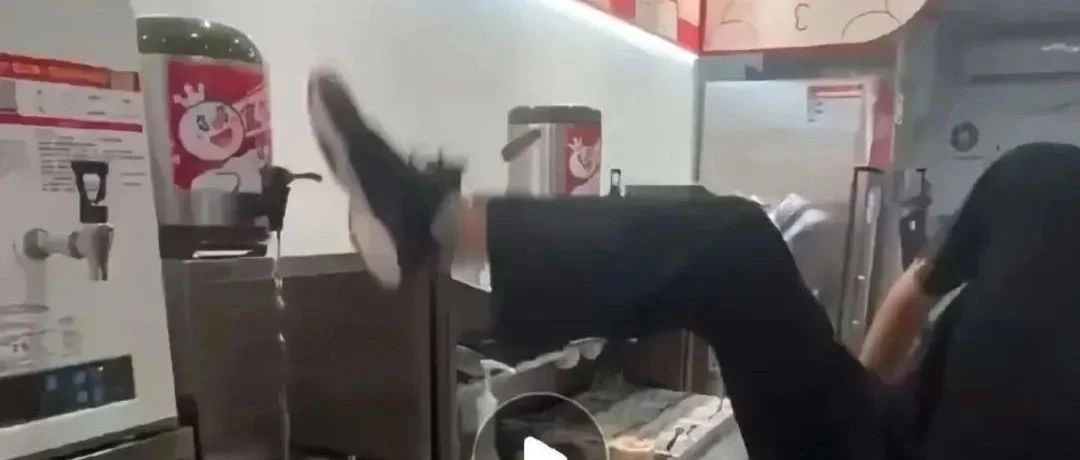
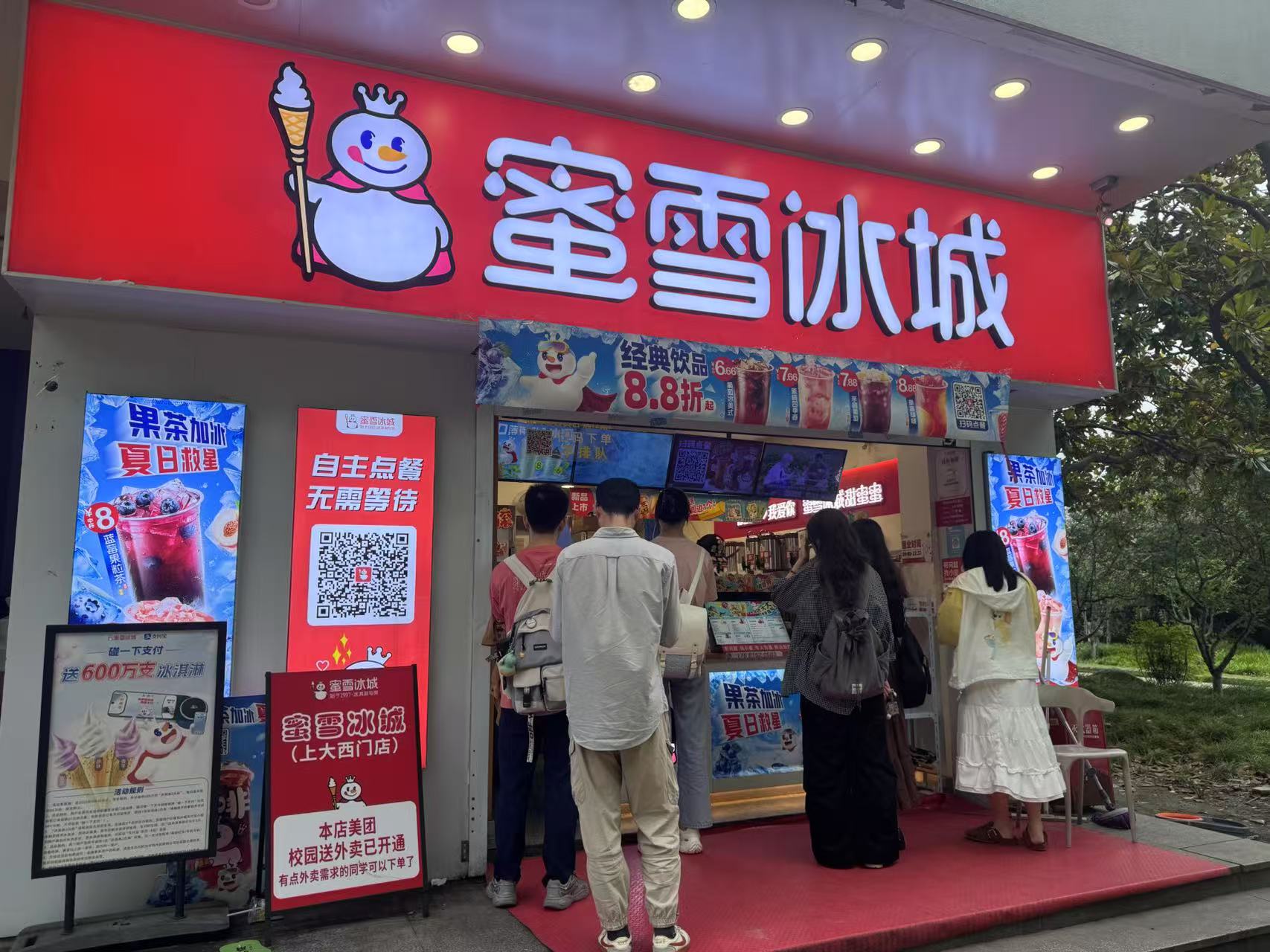
2025.07. 08 该热搜源于一段网络流传的视频,视频显示,某蜜雪冰城门店员工用脚踢直饮水桶的水龙头试图关闭,并配文:"突然翻到以前在小雪打工干的事情,笑 死我了。"直饮水桶的下方放置着一个量桶。视频发出后,引发消费者对蜜雪冰城食品卫生安全的担忧。 截至发稿,蜜雪冰城方面暂无回应。但从过往的情况来看,蜜雪冰城的食品安全问题频发。 3月14日,湖北经视 "3・15 特别报道" 曝光蜜雪冰城宜昌凝聚新天地门店未按规定,使用隔夜柠檬和橙子切片制作招牌饮品。 2022年4月,广西桂林市恭城瑶族自治县恭城镇蜜雪冰城奶茶店因使用过期的"焙炒咖啡粉"制作加工奶茶,被恭城瑶族自治县市场监管局没收涉事产品 并罚款2000元。 以性价比著称、产品定价低的蜜雪冰城今年3月登陆港股。上市后,股价一路高歌猛进,目前已比上市之时涨了80%。 本文字数:895,阅读时长大约1分钟 作者 | 第一财经 揭书宜 7月8日,"蜜雪冰城被曝员工用脚关直饮水桶"冲上微博热搜。 近年来,相关部门越发重视食品安全问题。据新华社,近日,国务院食安委发布《关于推动建立完善生产经营单位食品安全风险隐患内部报告奖励机制 的意见》。按照意见部署,2025年1 ...
蜜雪冰城被曝员工用脚关直饮水桶,食安问题备受关注
Di Yi Cai Jing· 2025-07-08 13:52
从过往的情况来看,蜜雪冰城的食品安全问题频发。 蜜雪冰城上市后的首份财报显示,截至2024年12月31日,蜜雪冰城门店数量达46479家,收入为248.29亿元,同比增长22.3%。其中,商品和设备销售收入由 2023年199亿元增长21.7%至2024年242亿元。加盟和相关服务收入由2023年4.057亿元增长52.8%至2024年6.201亿元。年内利润44.54亿元,同比增长39.8%。 7月8日,"蜜雪冰城被曝员工用脚关直饮水桶"冲上微博热搜。 该热搜源于一段网络流传的视频,视频显示,某蜜雪冰城门店员工用脚踢直饮水桶的水龙头试图关闭,并配文:"突然翻到以前在小雪打工干的事情,笑死 我了。"直饮水桶的下方放置着一个量桶。视频发出后,引发消费者对蜜雪冰城食品卫生安全的担忧。 截至发稿,蜜雪冰城方面暂无回应。但从过往的情况来看,蜜雪冰城的食品安全问题频发。 3月14日,湖北经视 "3・15 特别报道" 曝光蜜雪冰城宜昌凝聚新天地门店未按规定,使用隔夜柠檬和橙子切片制作招牌饮品。 2022年4月,广西桂林市恭城瑶族自治县恭城镇蜜雪冰城奶茶店因使用过期的"焙炒咖啡粉"制作加工奶茶,被恭城瑶族自治县市场监管局没 ...
“牛约堡”被立案调查|消费舆警指数
2 1 Shi Ji Jing Ji Bao Dao· 2025-07-08 11:33
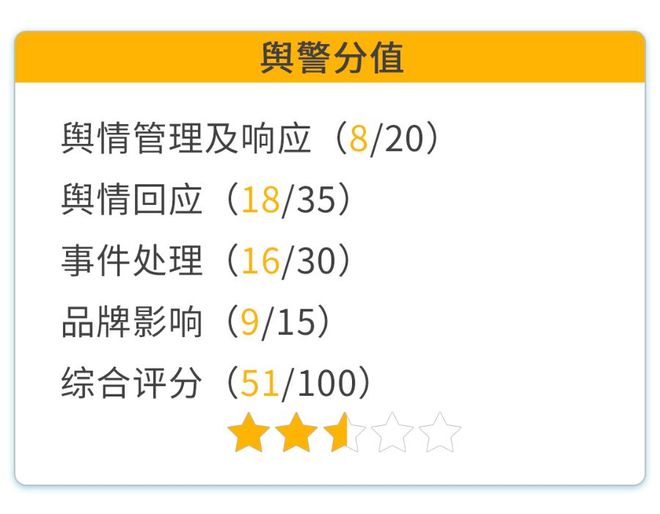
Group 1 - The core viewpoint emphasizes the importance of consumer trust and the impact of public sentiment on consumer-facing companies, highlighting the need for effective brand management and crisis response strategies [1] - The article discusses the establishment of a quantitative scoring mechanism for companies' public sentiment management, which includes four primary indicators and 14 secondary indicators, aimed at evaluating corporate responses to public events [1] Group 2 - The incident involving a baby being asked to leave the Shanghai Zoo for drinking milk has raised significant public debate about the balance between rules and human considerations in public spaces [6] - The Shanghai Zoo acknowledged shortcomings in staff service awareness and handling of the situation, committing to improve service facilities and staff training [5] - The food safety issues reported at the burger chain 牛约堡 (Niu Yue Bao) highlight serious concerns beyond mere hygiene, posing risks to consumer health and potentially damaging the brand's reputation [10] - 牛约堡 has a history of food safety complaints, indicating a pattern that could lead to a broader trust crisis within the industry if not addressed effectively [11]
甘肃天水幼儿园血铅异常事件跟踪:不可食用的彩绘颜料为何被用于食品制作?
证券时报· 2025-07-08 11:28
近日,天水市麦积区培心幼儿园发生部分幼儿血铅异常事件,引发社会高度关注。7月7日晚, 总台记者就社会关注的热点问题,采访了天水市政府相关负责人、甘肃省卫健委负责人和中国疾 病预防控制中心专家。 天水市政府副市长、市公安局局长郭庆祥介绍案件的侦办进展:经天水市公安局麦积分局7月3日立案侦 查,培心幼儿园园长、法定代表人朱某琳,投资人李某芳2人为进一步扩大生源,增加收益,同意后厨人 员牛某元、贺某霞通过网络购物平台购买不可食用的彩绘颜料,在幼儿园部分面点制作过程中非法添加使 用。麦积区公安分局以涉嫌生产有毒、有害食品罪将朱某琳、李某芳和牛某元、贺某霞等食堂从业人员共 8人依法刑事拘留,另有2名涉案人员被依法采取取保候审强制措施,目前案件侦办工作正在进行。 责编:李丹 校对:刘星莹 版权声明 针对此次事件中的有关部门或干部失职失责等问题,以及后续如何问责,甘肃省纪委副书记、省监委副主 任龚昌明表示, 事发后,甘肃省纪委监委已责成天水市纪委监委抽调骨干力量,启动问责调查程序 ,围 绕属地管理、行业主管、部门监管等职能职责履行情况,全面深入开展问责调查工作,在查清事实、厘清 责任后, 依规依纪依法严肃追究相关单位和人员 ...

安徽省黄山市市场监督管理局公布2025年第9期食品安全监督抽检信息
Zhong Guo Zhi Liang Xin Wen Wang· 2025-07-08 03:03
Summary of Key Points Core Viewpoint - The Huangshan Market Supervision Administration conducted a food safety inspection, revealing that out of 77 food samples tested, 74 were compliant while 3 were found to be non-compliant with national food safety standards [2]. Group 1: Non-Compliant Products - Huangshan Huiwang Food Co., Ltd. produced "Nongjia Popo La Duck Leg," which did not meet the national food safety standards for dehydroacetic acid and its sodium salt [2][5]. - Xiu County Guilan Fruit Store sold "Xiao Tai Mango," which was found to contain a pesticide, thiamethoxam, exceeding the national food safety standards [2][5]. - Xiu County A Bin Vegetable Wholesale Department sold "Yam," which contained excessive levels of the fungicides, carbendazim and mancozeb, not compliant with national food safety standards [2][5]. Group 2: Compliance Details - A total of 77 food samples were tested, with 74 passing the inspection, indicating a compliance rate of approximately 96.1% [2]. - The inspection was carried out by various testing institutions, including the National Testing Control Group (Anhui) and Hangzhou Huace Testing Technology Co., Ltd. [2][5].
食话实说|夏天这样吃沙拉 方便、清爽又营养
Zhong Guo Jing Ji Wang· 2025-07-08 02:58
Core Viewpoint - The article emphasizes the importance of safety, nutrition, and health when consuming "light salads," especially during summer, and provides guidelines for consumers to ensure a balanced and safe diet. Group 1: Safety and Hygiene - Safety is the baseline, focusing on freshness and hygiene. Consumers should thoroughly wash vegetables and fruits, and avoid raw ingredients if allergic, opting for light cooking methods like blanching [1] - When purchasing pre-packaged salads, it is crucial to choose those with intact packaging, clear production dates, and stored at 0-4°C within their shelf life [1] Group 2: Balanced Nutrition - A well-rounded salad should include not only vegetables and fruits but also sufficient high-quality proteins, healthy fats, appropriate carbohydrates, and adequate dietary fiber, vitamins, and minerals [1] - High-quality protein sources can include boiled eggs, salmon, chicken breast, or tofu [2] - Healthy fats should primarily come from unsaturated fatty acids found in olive oil, canola oil, nuts, and fish [2] - Carbohydrates should be sourced from whole grains like whole wheat and brown rice, ensuring a mix of coarse and fine grains [3] - Adequate dietary fiber, vitamins, and minerals can be achieved through a combination of vegetables, fruits, and whole grains [4] Group 3: Avoiding Misconceptions and Sauce Traps - Some salads may appear healthy but contain low nutritional density due to the use of single types of vegetables. It is recommended to include dark-colored vegetables like purple cabbage, tomatoes, carrots, and bell peppers to enhance nutritional density [5] - Many consumers add dressings like mayonnaise or thousand island dressing, which are often high in salt, oil, and sugar. Alternatives like oil and vinegar dressing or simply lemon juice can be used to reduce calorie intake [5] - It is advised to limit the consumption of light salads to no more than three times a week, alternating with other healthy meal options like grain bowls or warm stews to ensure a balanced nutrient intake [5]
内蒙古自治区兴安盟科尔沁右翼前旗大石寨市场监督管理所深入乡村 筑牢食品安全防线
Zhong Guo Shi Pin Wang· 2025-07-07 14:42
近日,大石寨市场监督管理所所长郑丙春带领团队深入大石寨村,开展了一场别开生面的食品安全宣传活 动,旨在提升村民的食品安全意识,守护乡村"舌尖上的安全"。 活动当日,所长郑丙春同志结合农村常见的食品安全问题,向村民们详细讲解了食品安全知识。他通过列 举真实案例,生动地阐述了食用过期食品、变质食品以及"三无"产品对身体健康的危害,让村民们深刻认 识到食品安全的重要性。 为了让村民们更好地掌握食品安全知识,市场监督管理所工作人员还在现场设置了咨询台,为村民们答疑 解惑,并发放了精心制作的食品安全宣传手册。手册内容涵盖了食品选购、储存、加工等方面的实用技 巧,以及如何辨别假冒伪劣食品、遇到食品安全问题如何维权等内容,深受村民们的欢迎。 此次食品安全宣传活动,不仅提高了村民的食品安全意识和自我保护能力,也进一步拉近了市场监督管理 部门与村民的距离。大石寨市场监督管理所所长郑丙春同志表示,今后将继续加大食品安全宣传力度,定 期开展类似活动,为乡村食品安全保驾护航。同时,也呼吁广大村民积极参与到食品安全监督中来,共同营 造安全、放心的饮食环境。 针对农村聚餐的食品安全问题,郑丙春所长特别强调,聚餐活动的举办者和承办者务必严 ...
黄蜀郎鸡公煲被曝员工将掉地肉捡回餐盒, 涉事门店回应已开除员工并整改
Xin Lang Cai Jing· 2025-07-07 10:55
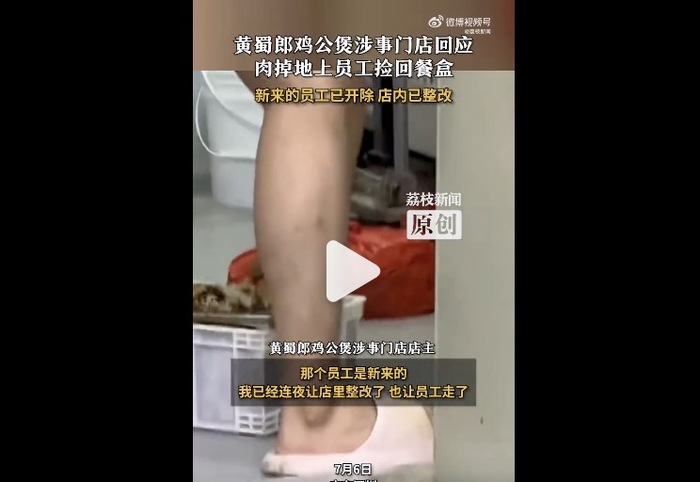
7月7日,据荔枝新闻,广东深圳,黄蜀郎鸡公煲被曝员工将掉在地上的肉捡回餐盒。 网上曝光视频显示,一名穿着拖鞋的员工在后厨处理食材时,不慎将一些肉掉落在地上。随后,该员工未对掉落 的肉进行任何处理,直接用手将其捡起并放回了准备用于制作餐食的餐盒中,引发网友对涉事门店的卫生状况的 担忧。 据黄蜀郎鸡公煲总部客服,事情发生在6月2日,给女子发"提供死亡证明"一话的员工系兼职员工,已经开除。客 服回应称,"如果问题确实出在产品上,我们肯定会承担责任,但顾客表示自己没时间去医院,就是要钱,但是她 要的钱超出了门店能够接受的范围。"客服同时表示,市场监管局已介入此事,"检查了门店厨房的卫生,对相关 情况都了解了。" 据公开信息,"黄蜀郎"是张辉煌于2015年8月6日申请注册的餐饮服务类商标,张辉煌通过湖北黄蜀郎餐饮管理有 限责任公司、湖北焱鼎餐饮管理有限公司等企业开展商标商业化运营。相关特许经营备案显示,"黄蜀郎"品牌在 武汉市设有加盟店,特许经营权使用期限至2026年。 据天眼查,湖北黄蜀郎餐饮管理有限责任公司 (曾用名:武汉武英餐饮管理有限公司) ,法人代表为张辉煌,成 立于2019年,位于湖北省武汉市,注册资本10 ...
江西省崇义县市场监管局关于2025年崇义县第二批食品安全监督抽检情况的通告
Zhong Guo Zhi Liang Xin Wen Wang· 2025-07-07 08:53
Summary of Key Points Core Viewpoint The report from the Chongyi County Market Supervision Administration highlights the results of the second batch of food safety supervision and sampling inspections conducted in 2025, indicating a high compliance rate with only one out of 48 samples failing to meet safety standards. Group 1: Inspection Results - A total of 48 food samples were tested, with 47 passing and only 1 failing [2][3]. - The failed sample was identified as eggs from a convenience store in Chongyi County, which contained a pesticide residue exceeding the allowable limit [2][3]. Group 2: Details of Non-compliant Sample - The non-compliant sample was an egg product from Chongyi County Chunhua Convenience Store, with a pesticide residue of 0.27 mg/kg, exceeding the limit of 0.2 mg/kg [2][3]. - The inspection was carried out by a third-party testing company commissioned by the market supervision authority [2]. Group 3: Compliance Rate - The overall compliance rate for the inspected food products stands at approximately 97.9%, reflecting a strong adherence to food safety standards in the region [2][3].