
一小时生活圈

Search documents
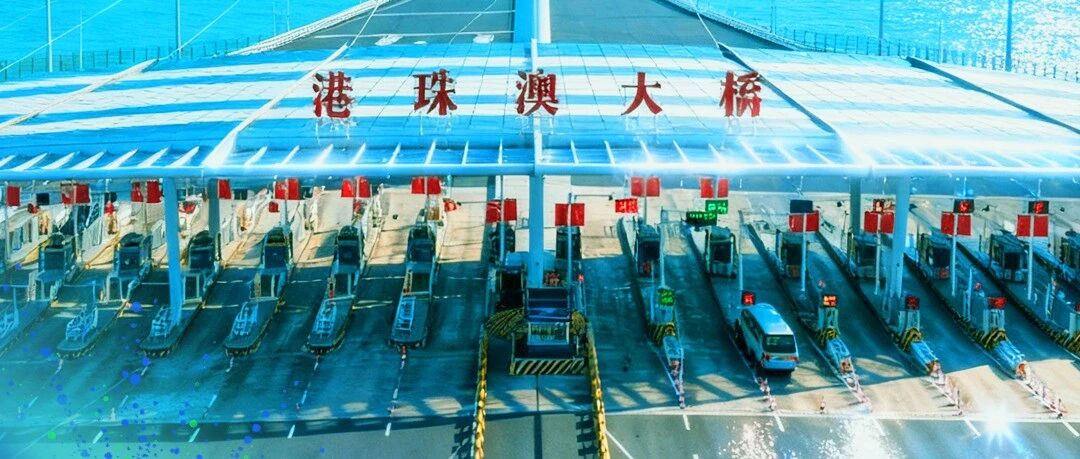
2.7万车次!港珠澳大桥单日车流量创新高
Xin Lang Cai Jing· 2026-02-21 00:48
Core Insights - The Hong Kong-Zhuhai-Macao Bridge (HZMB) has achieved a record daily traffic volume of over 27,000 vehicles on February 19, surpassing the previous record of 26,600 vehicles set in 2025 [1] - During the first five days of the Spring Festival holiday, the bridge recorded a total of 104,600 vehicle crossings, averaging approximately 21,000 vehicles per day, which represents a 24.49% increase compared to the same period last year [1] Group 1 - The policies promoting "Hong Kong vehicles going north," "Macao vehicles going north," and "Guangdong vehicles going south" are continuously releasing benefits, contributing to increased traffic on the bridge [1] - The bridge has become an important channel for cross-border travel among residents of the Guangdong-Hong Kong-Macao Greater Bay Area, driven by demand for tourism, family visits, and business interactions during the Spring Festival [1] - The bridge facilitates access to various festive activities, such as flower parades and fireworks in Hong Kong and Macao, as well as traditional cultural experiences in Guangdong, enhancing the convenience of the "one-hour living circle" in the Bay Area [1]
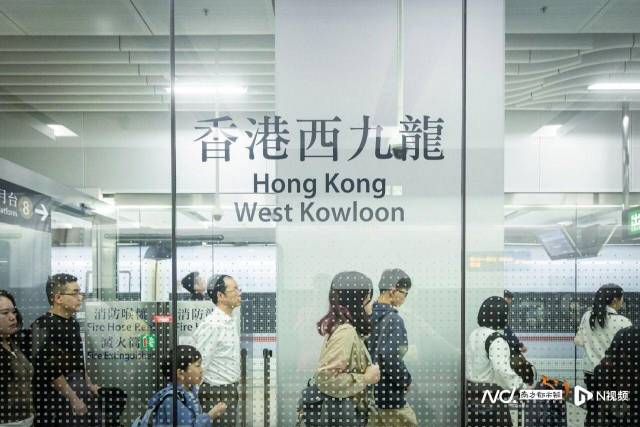
新加坡媒体:高铁促进中国内地和香港民众“双向奔赴”
Huan Qiu Wang· 2026-02-01 23:03
Core Insights - The Guangzhou-Shenzhen-Hong Kong High-Speed Rail (GSHK) has become a vital transportation link between mainland China and Hong Kong, significantly enhancing cross-border commuting options for residents [1][2] - The rail service has seen a substantial increase in passenger volume, surpassing 100 million since its opening in September 2018, with a projected 30 million passengers in 2025, marking a 17% year-on-year growth [1][2] Group 1: Passenger Trends - Many young professionals, particularly those living in Shenzhen and working in Hong Kong, are utilizing the high-speed rail for daily commutes, indicating a shift in living and working patterns [1] - The high-speed rail has become a daily routine for many Hong Kong residents, reflecting the deepening integration between Hong Kong and mainland China [1] Group 2: Future Developments - The Hong Kong MTR Corporation has outlined three key focus areas for the GSHK's development by 2026: expanding tourism-related services, enhancing station facilities and service quality, and increasing network coverage to maximize the potential of the "one-hour living circle" [2] - Initiatives include promoting high-speed rail tourism, developing a "high-speed rail + air" intermodal transport model, and improving passenger experience through better facilities [2]

全国首个秒级通关模式,落地广东
21世纪经济报道· 2026-01-27 01:32
Core Viewpoint - The article highlights the significant advancements in the Guangdong-Hong Kong-Macau Greater Bay Area (GBA) regarding seamless cross-border connectivity, emphasizing the successful implementation of "no-sense customs clearance" that enhances efficiency and transforms daily life for residents [1][5][12]. Group 1: Connectivity Milestones - The Hong Kong-Zhuhai-Macao Bridge has achieved a historic milestone with over 100 million cross-border entries and exits, marking it as a vital infrastructure for the GBA [1]. - The "no-sense customs clearance" system allows for smooth transitions across different customs zones, as demonstrated during the cycling event that spanned 231.8 kilometers without any stops [3][5]. Group 2: Policy and Implementation - As of January 9, over 200,000 vehicles have been registered for the "two vehicles northbound" policy, with more than 800 private cars from Guangdong successfully registered to travel to Hong Kong [7]. - The GBA's vision of a "one-hour living circle" has become a reality, with foreign travelers exceeding 569,000 in 2025, reflecting a 28.7% year-on-year increase [8]. Group 3: Integration and Collaboration - The achievement of 100 million customs clearances is not only a result of physical connectivity but also highlights the depth of soft connectivity through the implementation of 262 regional standards and 187 cross-border administrative services [10]. - The integration of the GBA is characterized by a shift towards a collaborative environment, where barriers are gradually dismantled, allowing for a more efficient and enriched daily life for its residents [12][14].

跻身最繁忙高铁!解码广深港高铁如何跃升为“全国第一”
2 1 Shi Ji Jing Ji Bao Dao· 2026-01-18 12:54
Core Viewpoint - The Guangzhou-Shenzhen-Hong Kong High-Speed Rail (GSHK) will implement a new train operation schedule starting January 26, 2026, achieving a daily operation density of 415 trains, making it the busiest high-speed rail line in China [1][2][14]. Group 1: Operational Enhancements - The new schedule will add 52 trains, resulting in a total of 415 daily passenger trains, with peak hours seeing 30 trains per hour and an average interval of just 2 minutes between trains [2][14]. - The GSHK has transitioned from serving regional needs to becoming a key component of the national high-speed rail network, significantly enhancing its operational capacity [3][14]. Group 2: Historical Context - The concept of the GSHK dates back to 1998, evolving from a regional service to a vital part of the national high-speed rail strategy, officially included in the national plan in 2004 [3]. - The line's construction began in 2005, with the Hong Kong section opening in September 2018, marking a historic connection to the national high-speed rail network [3]. Group 3: Innovative Systems - The GSHK features the "One Location, Two Inspections" model, which is the first of its kind for high-speed rail, facilitating seamless cross-border travel [4][6]. - This innovative system has significantly reduced border crossing times to approximately 5 minutes, enhancing the efficiency of cross-border travel [11]. Group 4: Passenger Growth - In 2025, the GSHK transported 35.79 million passengers, a year-on-year increase of 17.8%, indicating strong demand for cross-border travel [8][10]. - The line's capacity is expected to further increase, with the number of connected mainland stations rising to over 100 by 2026, enhancing its reach and operational efficiency [9][14]. Group 5: Economic Impact - The GSHK is positioned as a "golden corridor," linking major economic zones and facilitating a high-frequency commuting model that significantly reduces travel time and costs [11][12]. - The line has become a profitable route, contributing to the economic integration of the Greater Bay Area and supporting a dual-city lifestyle for residents [12][16].
“两车北上+粤车南下” 助力大湾区文旅协同
Xin Lang Cai Jing· 2026-01-12 23:09
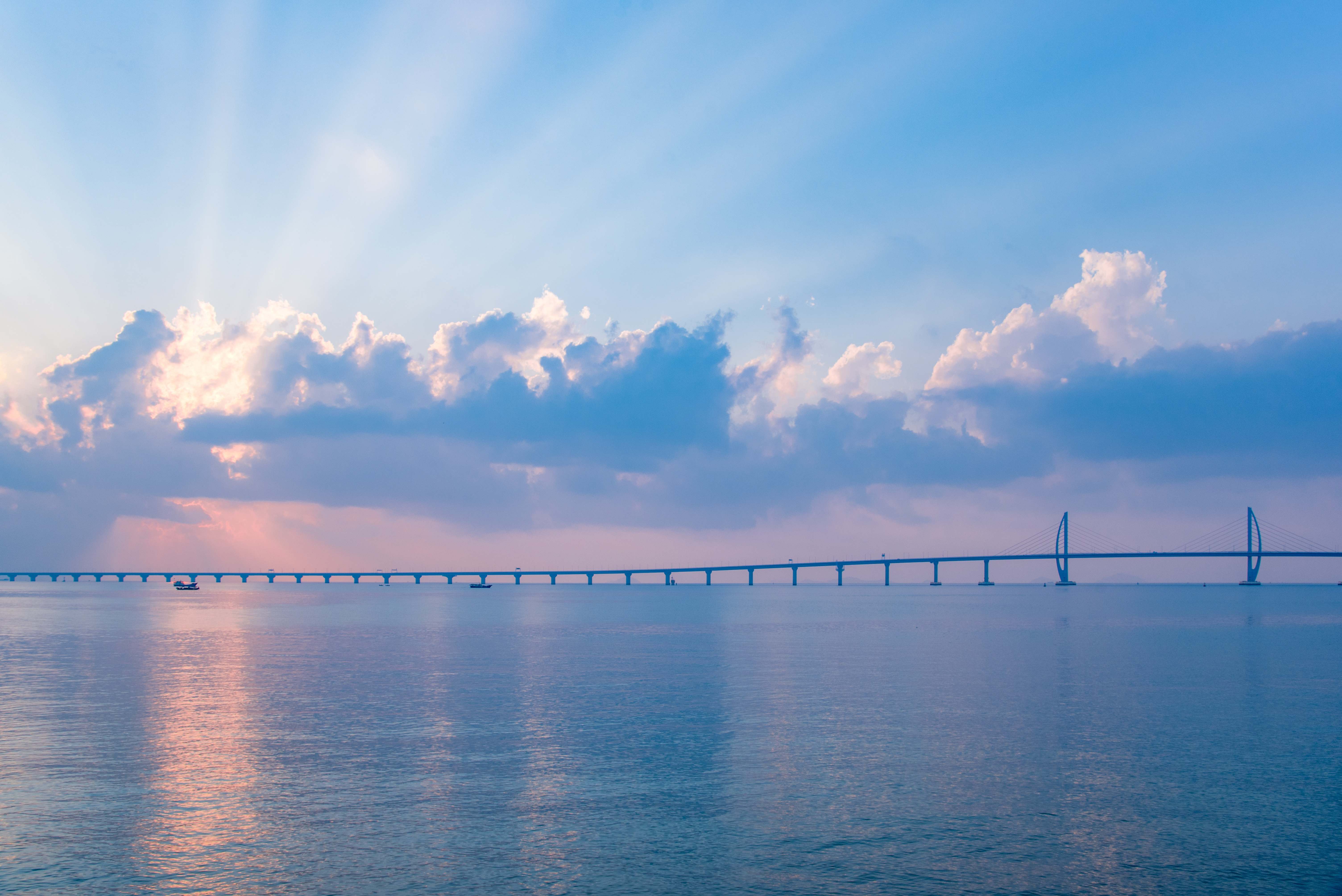
Core Insights - The "Yue Car Southbound" policy has been officially implemented, allowing private cars from four cities in Guangdong to enter Hong Kong, enhancing cross-border travel and contributing to the formation of a one-hour living circle in the Greater Bay Area [1][2] Group 1: Development of the Greater Bay Area - The image of the Greater Bay Area as a cohesive travel destination is accelerating, with improved convenience for cross-border travel enhancing the self-driving tourism experience [2] - The family travel and business travel markets are expected to grow, as the new policies facilitate self-driving tourism, leading to increased local consumption in areas such as entertainment, cultural experiences, and dining [2] - The policy will accumulate new experiences for cross-border governance and provide a basis for improving the quality of tourism products and services [2] Group 2: Infrastructure and Service Development - The cross-border travel service industry chain is expected to extend and develop, creating demand for new services such as short-term cross-border car insurance and parking information [3] - There is a need to enhance infrastructure and collaborative service mechanisms to improve the friendliness of cross-border travel, including monitoring traffic flow and increasing parking availability in key areas [4] - A "self-driving friendly" tourism product system should be developed to convert traffic into retention, offering tailored travel products for different self-driving customer groups [5] Group 3: Collaborative Development - The Hong Kong-Zhuhai-Macao Bridge should be leveraged to promote deep collaboration in tourism among Greater Bay Area cities, creating a hub for transportation, tourism services, and consumption [5] - Continuous demand-side research, product service collaboration, and regional linkage are essential to address new opportunities and challenges in the development of the Greater Bay Area [5]
超439万辆次澳门单牌车进出境!“澳车北上”三年带来了什么?
Zhong Guo Qi Che Bao Wang· 2026-01-08 01:59
Core Insights - The "Northbound Vehicle Policy" has significantly enhanced cross-border travel and commerce between Macau and mainland China, marking three years of successful implementation with impressive growth in vehicle traffic and integration within the Greater Bay Area [4][8][14] Group 1: Policy Impact - The policy has led to a remarkable increase in vehicle crossings, with 4.393 million crossings recorded in 2025, a year-on-year growth of 14.1% [4] - The average daily vehicle traffic at the Zhuhai port has surged, with peak daily crossings exceeding 28,000 vehicles [7] - The total number of vehicles crossing the bridge in 2025 is projected to reach 6.808 million, representing a 22.5% increase year-on-year [8] Group 2: Changes in Lifestyle - The policy has transformed the lifestyle of Macau residents, making cross-border travel a regular part of daily life, with many now frequently visiting cities like Zhuhai and Guangzhou for shopping and leisure [6][9] - The convenience of crossing has led to a rise in cross-border consumption, with families regularly traveling for various activities, thus enriching their experiences [10] Group 3: Economic Opportunities - The policy has opened new avenues for small and medium-sized enterprises in Macau, allowing them to expand their market reach and optimize resource allocation [12] - Entrepreneurs have leveraged the policy to enhance operational efficiency, with some relocating their businesses to Zhuhai to benefit from lower costs and better access to resources [11] - Traditional industries, such as local specialty shops, have successfully entered the mainland market, achieving significant sales growth through improved logistics and distribution [11] Group 4: Future Prospects - The ongoing development of the "Northbound Vehicle Policy" is expected to further enhance the integration of the Greater Bay Area, promoting high-quality economic collaboration and cultural exchange [13][14] - Future initiatives will focus on technological advancements to streamline customs processes, aiming for even more efficient and seamless cross-border travel experiences [13]
沪苏湖高铁开通运营一周年 累计运送旅客超3360万人次
Zhong Guo Xin Wen Wang· 2025-12-26 08:34
Core Insights - The opening of the Shanghai-Suzhou-Huzhou high-speed railway has significantly transformed transportation in the Yangtze River Delta, reducing travel time between the three cities from 2 hours to 30 minutes and facilitating the movement of over 33.6 million passengers in its first year of operation [1][2]. Group 1: Transportation Impact - The high-speed railway has increased the number of daily train services from 80 pairs to 111.5 pairs, achieving a high-density public transport operation [1]. - The railway has become the third route connecting Shanghai to Suzhou and Huzhou, enhancing the connectivity of the Yangtze River Delta transportation network [2]. Group 2: Economic and Industrial Development - The railway's operation has accelerated the flow of personnel, capital, and technology, leading to deeper industrial collaboration, particularly in Huzhou, where a dual-base model of "R&D in Shanghai-Hangzhou, manufacturing locally" is emerging [2]. - A high-end manufacturing company in Huzhou reported a 20% year-on-year increase in orders due to improved logistics efficiency, with transportation time reduced by three times and logistics costs lowered by 15% [2]. Group 3: Tourism and Lifestyle Enhancement - The integration of high-speed rail with tourism has created new economic growth points, making ancient towns like Zhouzhuang and Nanxun popular weekend destinations for Shanghai residents [3]. - The railway has enabled the realization of a "one-hour living circle," expanding access to shopping, medical services, and educational resources for residents in the surrounding areas [3].
广东350时速高铁通17城,“轨道上的大湾区”红利兑现
2 1 Shi Ji Jing Ji Bao Dao· 2025-12-22 04:20
Core Viewpoint - The opening of the Guang-Zhan high-speed railway significantly enhances connectivity in the Guangdong-Hong Kong-Macau Greater Bay Area, reducing travel time between cities and promoting economic collaboration and development in the region [1][2][6]. Group 1: Infrastructure Development - The Guang-Zhan high-speed railway, with a design speed of 350 km/h, shortens the travel time from Guangzhou to Zhanjiang to under 1.5 hours, integrating the western Guangdong region into the Greater Bay Area's "one-hour living circle" [1][5]. - By the end of the 14th Five-Year Plan, Guangdong's railway mileage is expected to reach 6,500 kilometers, with high-speed rail extending to 3,600 kilometers, increasing the number of cities connected by 350 km/h high-speed rail to 17 [1][6]. Group 2: Economic Impact - The high-speed railway is expected to enhance the efficiency of the flow of people, goods, capital, and information, fostering regional collaboration and economic growth in the Greater Bay Area [2][6]. - The opening of the Guang-Zhan high-speed railway is anticipated to significantly boost Zhanjiang's position as a hub city in western Guangdong, facilitating the integration of high-end resources such as capital and technology [6][8]. Group 3: Regional Connectivity - The railway enhances the connectivity between the Greater Bay Area and other economic zones, including the Hainan Free Trade Port and the Beibu Gulf city cluster, promoting coordinated regional development [8][9]. - The completion of the Guang-Zhan and Shan-Shan high-speed railways will create a seamless transportation network, allowing for efficient travel between major cities and contributing to the formation of a "three-hour economic circle" along the coast [9][10]. Group 4: Future Prospects - Future plans include over 30 railway and intercity lines in the Greater Bay Area, aiming for an operational mileage exceeding 5,000 kilometers, which will facilitate a one-hour transportation circle within the area and a 1.5-hour circle to other provincial cities [7][9]. - The development of the high-speed rail network is expected to reshape the economic landscape of Guangdong, enhancing its competitiveness on a global scale and contributing to the establishment of a world-class urban agglomeration [10].
杭州西站交通能级再提升 打造“站城融合”新一代高铁枢纽标杆
Hang Zhou Ri Bao· 2025-12-16 02:14
Core Viewpoint - The opening of the Hangzhou-Quzhou high-speed railway will significantly enhance the strategic position of Hangzhou West Station, creating a vital transportation link between the eastern coastal regions and the central and western areas of China, while promoting regional economic development and collaboration [9][10][11]. Group 1: Infrastructure Development - The Hangzhou-Quzhou high-speed railway, with a total length of approximately 131 kilometers and a design speed of 350 km/h, will connect key areas in Zhejiang province, including Hangzhou, Quzhou, and Jiangshan, with six stations planned along the route [10][11]. - The railway is expected to begin trial operations on November 20, 2025, and will reduce travel time between Hangzhou and Quzhou to just 40 minutes, transforming the previous circuitous route into a direct connection [10][11]. Group 2: Economic Impact - The high-speed railway serves as an "economic link," facilitating the flow of talent, capital, and technology from Hangzhou to the resource-rich areas of western Zhejiang, thus fostering a "flying economy" model in the region [12]. - The integration of the Hangzhou-Quzhou railway into the existing network will enhance the overall connectivity of Hangzhou West Station, allowing it to serve as a comprehensive transportation hub for the entire province [15][22]. Group 3: Urban Development and Integration - The development of Hangzhou West Station is not just about transportation; it is also a catalyst for urban integration, enhancing the synergy between the station and the surrounding city, thereby promoting a vibrant urban life [17][21]. - The station is evolving into a "city living room," providing a range of services including talent exchanges, job fairs, and cultural experiences, which will enrich the urban experience for residents and visitors alike [21][22]. Group 4: Tourism and Cultural Exchange - The connection of the Hangzhou-Quzhou railway with other lines will create a "golden tourism route," linking various scenic spots and cultural resources, which is expected to boost tourism and related industries around Hangzhou West Station [20]. - The "In West Station" Party and Mass Service Center will play a significant role in enhancing cultural experiences and community engagement, making it a key hub for connecting the public with urban development [20].
新华全媒头条丨见证新的成就 展现万千气象——全运会助力大湾区跑出深度融合“加速度”
Xin Hua She· 2025-11-19 17:15
Core Insights - The 15th National Games showcased the integration and collaboration of the Guangdong-Hong Kong-Macao Greater Bay Area, marking a significant milestone in China's sports development and modernization efforts [2][18] - The event attracted over 14,000 athletes and 3,000 journalists, with millions of attendees, highlighting the area's capacity for large-scale events and its economic vitality [2][18] Group 1: Event Overview - The National Games were held across 19 cities in 13 days, with a seamless flow of participants and spectators between Guangdong, Hong Kong, and Macao [2] - The event is noted as the largest and highest-level comprehensive sports event in China, with Hong Kong and Macao serving as co-hosts for the first time [2][18] Group 2: Infrastructure and Connectivity - The "one-hour living circle" concept is becoming a reality, with improved transportation infrastructure facilitating easy access between cities, such as the Shenzhen-Zhongshan connection [3][4] - The implementation of the "Yue Car South" policy enhances cross-border vehicle movement, further integrating the Greater Bay Area [5][6] Group 3: Cultural and Community Engagement - The event fostered a sense of community and cultural exchange among participants from the three regions, with local volunteers playing a significant role in the organization [10][11] - The mascot of the Games, inspired by the Chinese white dolphin, gained popularity, reflecting local culture and identity [7][8] Group 4: Future Implications - The success of the National Games is expected to accelerate the development of the Greater Bay Area, with potential for hosting more international sports events in the future [17][18] - The collaborative experience gained from this event can serve as a model for future cooperation across various sectors in the Greater Bay Area [18]