
三权分立原则

Search documents
特朗普昔日搭档称赞美关税政策被判违法
Sou Hu Cai Jing· 2026-02-21 04:15
Core Viewpoint - The U.S. Supreme Court ruled that the International Emergency Economic Powers Act does not authorize the president to impose large-scale tariffs, marking a significant setback for the Trump administration's tariff policies [1]. Group 1: Reactions to the Supreme Court Ruling - Former Vice President Mike Pence praised the ruling as a victory for the American people and the principle of separation of powers established by the U.S. Constitution [1]. - Pence stated that American families and businesses are the ones paying the tariffs, not foreign entities, and expressed relief that they can now breathe easier following the ruling [3]. - California Governor Gavin Newsom called for the federal government to immediately issue refunds for the illegally collected tariffs, demanding that every dollar be returned with interest [3][5]. Group 2: Implications of the Ruling - Following the Supreme Court's decision, the White House confirmed that tariffs imposed under previous executive orders invoking the International Emergency Economic Powers Act will no longer be effective [5].

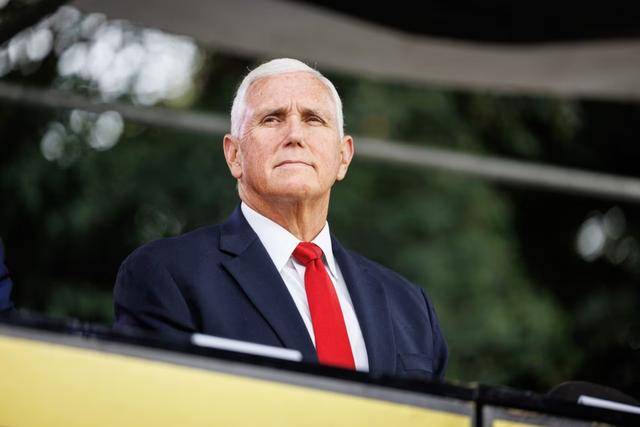
美国政府关税政策被判违法后,特朗普昔日搭档彭斯称赞美国最高法院裁决
Huan Qiu Wang· 2026-02-21 03:39
Core Viewpoint - The U.S. Supreme Court ruled that the International Emergency Economic Powers Act does not authorize the president to impose large-scale tariffs, significantly undermining the tariff policies of the Trump administration [1][5]. Group 1: Impact on Tariff Policies - The ruling represents a major setback for the Trump administration's tariff policies, which were previously justified under the International Emergency Economic Powers Act [1]. - Following the Supreme Court's decision, tariffs imposed by the U.S. government based on prior executive orders will no longer be effective [5]. Group 2: Reactions from Political Figures - Former Vice President Mike Pence praised the ruling as a victory for the American people and the principle of separation of powers established by the U.S. Constitution [1]. - Pence also noted that American families and businesses are the ones paying these tariffs, emphasizing the relief brought by the ruling [3]. - California Governor Gavin Newsom called for the immediate issuance of refund checks for all illegally collected tariffs, demanding that every dollar be returned with interest [3].
特朗普终于意识到,离开中国,美国根本玩不转!关税牌彻底打烂了
Sou Hu Cai Jing· 2026-01-14 04:49
Group 1 - The core issue revolves around Trump's tariff policy, which initially aimed to address trade deficits but ultimately led to legal challenges and potential financial repercussions for the U.S. government [1][3][5] - The Supreme Court is set to review the legality of Trump's tariffs, with concerns raised about the use of emergency powers to impose tariffs that traditionally fall under Congressional authority [3][6] - The potential financial impact of the court's decision could result in the government needing to refund $13.35 billion to importers if Trump's actions are deemed unlawful [5] Group 2 - The U.S. economy is projected to slow down significantly, with the IMF forecasting a growth rate of 1.8% for 2025, indicating a potential recession due to policy uncertainties and trade tensions [14] - The actual income of American households has decreased by an average of $600, affecting lower-income families the most amid rising prices [15] - In contrast to U.S. protectionism, China is adopting a more open trade policy, reducing tariffs on 935 items starting January 1, 2026, and offering zero tariffs to 43 least developed countries [17][20] Group 3 - The reliance on Chinese supply chains remains significant, with many U.S. companies unable to fully decouple from China despite relocating assembly operations to other countries [8][9][11] - The anticipated effects of tariffs will become more pronounced in 2026, as the initial buffer from pre-emptive stockpiling will end, leading to increased costs for U.S. businesses and consumers [12] - The ongoing trade tensions and tariff policies are seen as detrimental to the U.S. economy, contradicting Trump's initial goals of revitalizing American manufacturing and job creation [14][19] Group 4 - The global landscape is shifting towards regionalization rather than the end of globalization, highlighting the contrasting approaches of the U.S. and China in international trade [23]
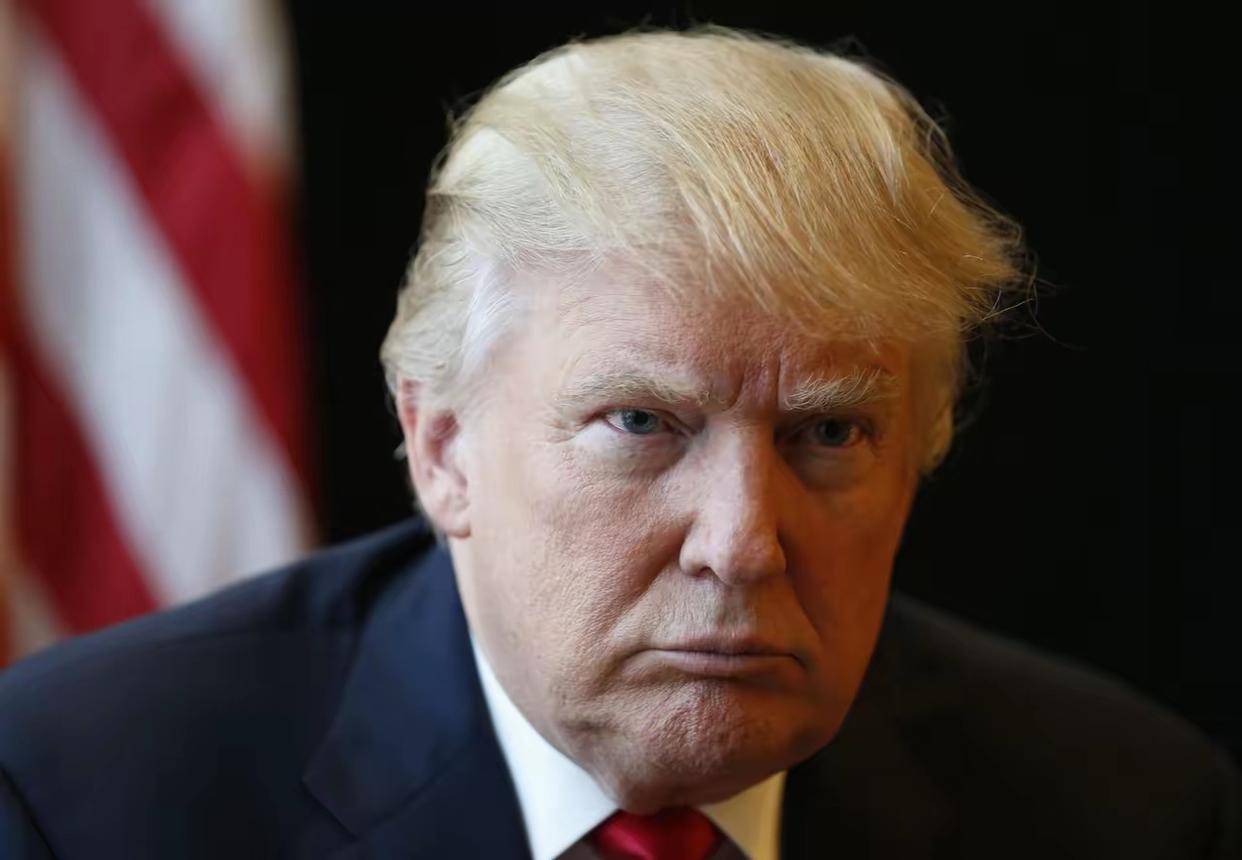
指认美政府争议军事行动后被惩戒,美参议员起诉五角大楼和防长
Huan Qiu Shi Bao· 2026-01-13 23:01
Core Viewpoint - Senator Mark Kelly of Arizona has filed a lawsuit against the U.S. Department of Defense and Secretary of Defense Lloyd Austin, claiming that the investigation and reprimand he received were retaliatory actions against his political speech, violating due process rights [1][2]. Group 1: Legal Actions and Claims - Kelly's lawsuit argues that the Department of Defense's actions are unprecedented in U.S. history, as no administrative body has ever imposed military sanctions on a member of Congress for political speech [2]. - The lawsuit emphasizes that Kelly, as a member of the Senate Armed Services Committee, has a legal duty to oversee the Pentagon, and his speech is protected under the First Amendment [2]. Group 2: Background and Context - The conflict arose after Kelly and other Democratic lawmakers released a video reminding military personnel of their rights to refuse illegal orders, in response to controversial military actions by the government [1]. - The actions of Kelly and his colleagues angered President Trump and Secretary Austin, leading to accusations of "inciting rebellion" and subsequent investigations into Kelly's conduct [1]. Group 3: Implications and Reactions - The case may raise significant constitutional questions regarding the separation of powers, with potential implications for the judicial system if it reaches the Supreme Court [2]. - Critics, including bipartisan figures and legal experts, have condemned the Pentagon's actions as an unwarranted attack on critics of the Trump administration, describing it as intimidation and a mockery of legal processes [2].
致命漏洞被戳穿!特朗普关税违法实锤,要退万亿税,美国扛得住?
Sou Hu Cai Jing· 2025-11-22 08:07
Core Points - The Supreme Court hearing on November 5, 2025, posed significant challenges to Trump's tariff policies, with conservative justices questioning the legality of his actions [1][3] - The outcome of the hearing could lead to substantial financial implications for the U.S., potentially resulting in a refund of $750 billion to $1 trillion in tariffs [4][6] - The tariffs have adversely affected U.S. businesses, with companies reporting significant financial losses due to increased costs [6][8] Group 1: Legal and Political Implications - Chief Justice Roberts emphasized that the power to levy taxes belongs to Congress, not the President, highlighting the constitutional principle regarding taxation [3] - Justices appointed by Trump, including Gorsuch and Barrett, raised critical questions about the extent of presidential power in declaring emergencies to impose tariffs [3] - The hearing has shifted market expectations regarding the likelihood of Trump's tariff policies being upheld, dropping from 40% to 27% [3] Group 2: Economic Impact on Businesses - Companies like Learning Resources and Terry Precision Cycling reported significant financial losses due to tariffs, with the latter expecting a loss of $1.2 million by 2026 [4][6] - The tariffs have led to increased costs for major corporations, including Nike, which warned of a potential $1.5 billion loss due to tariffs [6][8] - The Senate passed a resolution to terminate Trump's global tariff policy, signaling a shift towards anti-tariff sentiment [6] Group 3: Global Trade Dynamics - The tariffs have prompted retaliatory measures from other countries, including Canada and Mexico, which have imposed their own tariffs on U.S. goods [8] - The WTO expressed concerns about the potential for a trade war to have catastrophic effects on the global economy, reminiscent of the 1930s [8] - Companies are adjusting their strategies to mitigate the impact of tariffs, with some committing to increased investments in the U.S. to secure tariff exemptions [8]


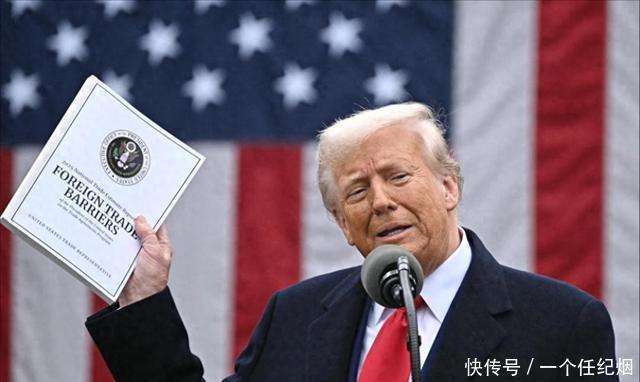
特朗普心急如焚,关税战不但没打赢中国,美国可能要倒赔2万亿
Sou Hu Cai Jing· 2025-11-11 10:07
Core Viewpoint - The lawsuit regarding the global tariffs imposed by the Trump administration has been formally submitted to the U.S. Supreme Court, with the current situation appearing unfavorable for Trump [1] Group 1: Case Background - In 2023, the Trump administration imposed large-scale tariffs on various goods, citing "serious trade deficits" and "national security threats" as justifications under the International Emergency Economic Powers Act (IEEPA) [3] - The U.S. Court of Appeals ruled in August with a 7-4 majority that the Trump administration's actions may have exceeded the legal authority granted to the president [3] - The case has now reached the Supreme Court, becoming a pivotal issue regarding the division of tariff legislative power between the president and Congress [3] Group 2: Key Legal and Economic Issues - The legal focus of the case centers on whether the IEEPA allows the president to impose tariffs on all imports based solely on a "national emergency" [8] - If the legality of the tariffs is denied, there could be significant financial implications, including the potential return of tariff revenues and compensation claims from affected countries and businesses [6][8] Group 3: Domestic and International Implications - Internationally, Trump's tariff policy has prompted many countries to reassess their trade arrangements with the U.S., and a loss in court could weaken the U.S.'s ability to use tariffs as a diplomatic tool [7] - Domestically, businesses and state governments are concerned about the potential return of tariffs and the associated costs and market uncertainties [7] - The outcome of the lawsuit could significantly impact Trump's economic and political agenda, as it relates to his promises as a "trade hardliner" [7] Group 4: Future Developments and Observations - The Supreme Court's ruling will determine whether Trump's tariff policies are legitimized or if they must revert to Congressional legislation [9] - The ruling could influence trade negotiations between the U.S. and other countries, potentially enhancing the negotiating power of other nations [9] - The case may set a precedent regarding the relationship between executive and legislative powers in U.S. trade policy [9] Conclusion - The ongoing lawsuit regarding global tariffs is not just about tariffs but also encompasses broader issues of presidential power, congressional authorization, and the economic structure of the nation [11]
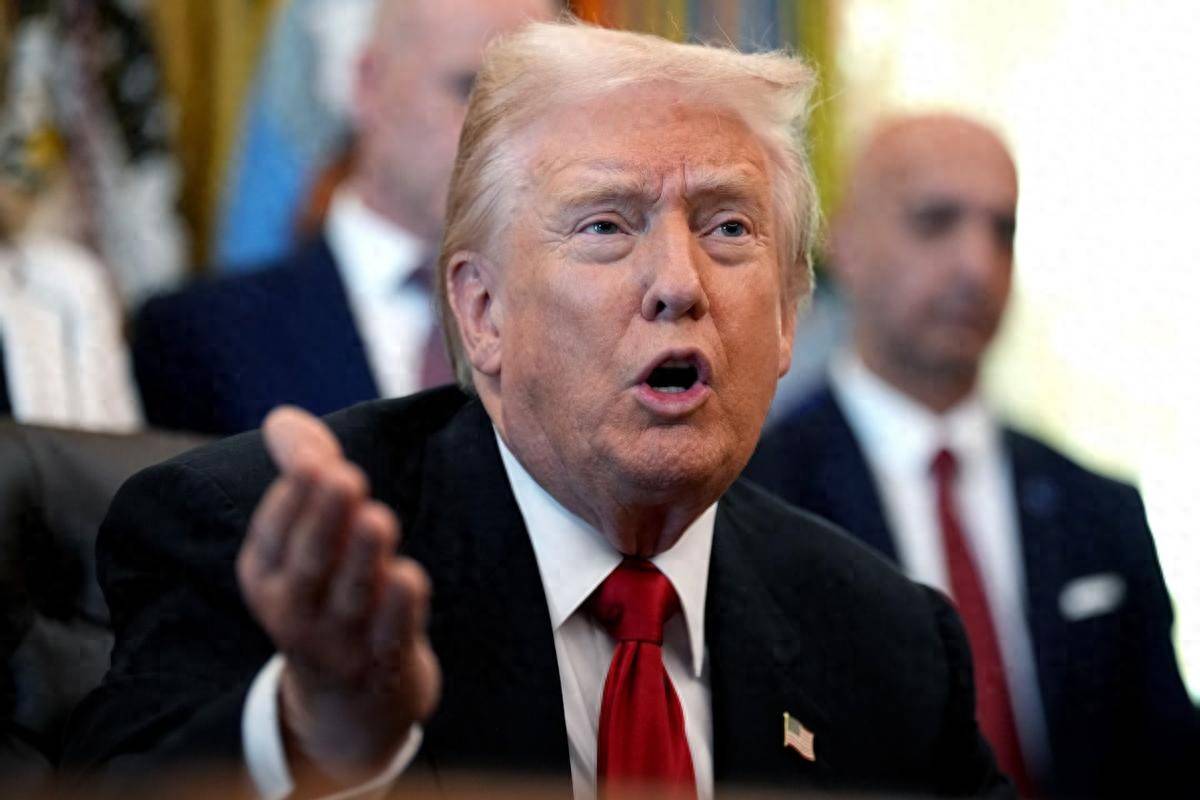
美国法院正式宣布了!美国最高法院正式就美高层任内推行的大规模对等关税政策展开辩论
Sou Hu Cai Jing· 2025-11-07 10:58
Core Viewpoint - The debate in the U.S. Supreme Court regarding the large-scale "reciprocal tariff" policy initiated by the current administration has significant implications for both domestic politics and global markets, with unexpected shifts in the expected outcomes of the conservative majority [1][3] Group 1: Supreme Court Debate - The Supreme Court's debate revealed internal divisions within the conservative camp, which was initially thought to favor the administration [1] - Chief Justice Roberts emphasized that tariffs are essentially taxes on citizens and should be a power reserved for Congress, questioning the expansion of executive power [1] - The discussion shifted from trade policy to the fundamental issue of constitutional power distribution, highlighting the tension between executive and legislative authority [1] Group 2: Implications for Future Policies - Analysts suggest that the cautious stance of the Supreme Court reflects a commitment to the principle of checks and balances, indicating that any executive actions exceeding constitutional limits may face judicial scrutiny [3] - The outcome of this debate could influence future trade policy-making processes and reshape the interaction between the executive and legislative branches [3] - The situation underscores the importance of the judiciary in maintaining institutional stability when executive power attempts to overstep traditional boundaries [3]

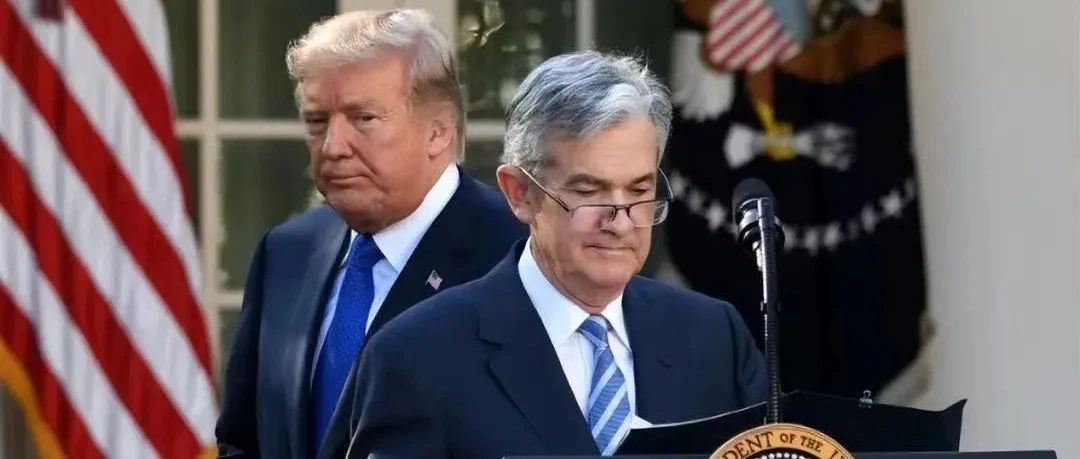
《华尔街日报》社评“特朗普掌控美联储”:他或许会成功,但国家终将后悔
美股IPO· 2025-08-27 03:28
Core Viewpoint - The article argues that Trump's dismissal of Fed Governor Lisa Cook is a calculated power grab aimed at controlling monetary policy, potentially sacrificing the remaining independence of the Federal Reserve [1][5][10] Group 1: Dismissal of Lisa Cook - Trump's action to dismiss Cook is characterized as a "well-planned coup" against the Federal Reserve, threatening the independence of the institution [1][5] - Cook's potential lawsuit against Trump for her dismissal could lead to a landmark legal battle, highlighting the tension between presidential power and the independence of the Fed [1][3] Group 2: Legal and Political Implications - The article questions whether the president can arbitrarily dismiss a Fed governor, emphasizing the legal ambiguity surrounding the term "for cause" in federal law [4][6] - If Trump succeeds in this legal battle, it could set a precedent allowing him to dismiss other board members, effectively controlling the Federal Open Market Committee (FOMC) [7] Group 3: Historical Context and Risks - The article draws parallels to historical instances where political interference in central banking led to economic turmoil, citing examples from Turkey and Argentina, as well as the U.S. experience during Nixon's presidency [8] - It warns that Trump's desire to control the Fed could have long-term negative consequences for the economy, particularly if future administrations exploit a politically pliable Fed [9][10]
《华尔街日报》社评“特朗普掌控美联储”:他或许会成功,但国家终将后悔
Hua Er Jie Jian Wen· 2025-08-27 00:36
Core Viewpoint - The article discusses the implications of Trump's dismissal of Federal Reserve Governor Lisa Cook, suggesting it is part of a power struggle to control monetary policy, potentially sacrificing the Fed's independence [1][5]. Group 1: Dismissal of Lisa Cook - Trump's firing of Cook is seen as a calculated move to assert control over the Federal Reserve, which may undermine its independence [1]. - Cook plans to sue Trump over her dismissal, indicating a significant legal battle ahead that could set a precedent [1][3]. - The dismissal is framed as a "power grab," with prior actions by Bill Pulte, the head of the FHFA, laying the groundwork for Cook's removal [1]. Group 2: Legal and Institutional Implications - The article questions whether the President has the authority to dismiss a Federal Reserve Governor at will, highlighting the ambiguity in federal law regarding "cause" for dismissal [3][4]. - If Trump succeeds in this legal battle, it could lead to a precedent where he can dismiss other board members, effectively controlling the Federal Open Market Committee (FOMC) [5][6]. - Historical examples are cited, such as the inflation crises in Turkey and Argentina, to illustrate the dangers of politicizing the Federal Reserve [6]. Group 3: Future Risks and Consequences - The article warns that Trump's actions, driven by personal political interests, could lead to a loss of the Fed's independence, with long-term negative consequences for the country [5][6]. - It suggests that Trump could have pursued changes through normal channels, such as nominating new board members, rather than instigating a legal conflict [6]. - The conclusion emphasizes that if Trump gains control over the Fed, he and the Republican Party will bear responsibility for any resulting economic consequences, including potential inflation [6].
美国“地方状告联邦”戏码再度上演,20州起诉联邦政府终止防灾减灾计划
Huan Qiu Shi Bao· 2025-07-17 22:37
Core Points - The lawsuit filed by 20 Democratic-led states against the Trump administration highlights the alleged illegal cancellation of the BRIC program, which is crucial for disaster preparedness funding [1][2] - The lawsuit argues that the unilateral termination of the BRIC program violates the principle of separation of powers, as the program's functions and funding were authorized by Congress [2] - The BRIC program, established in 2018, was designed to enhance disaster resilience through funding for infrastructure projects, and its cancellation has significant implications for disaster response across multiple states [2][3] Group 1 - The lawsuit was initiated by attorneys general from states including California, Massachusetts, Washington, and New York, emphasizing the importance of federal resources in disaster response [1] - The plaintiffs are seeking a preliminary ruling to restore the disaster funding that was cut, arguing that the decision to terminate the program was made by an acting FEMA director without proper authority [2] - FEMA's abrupt cancellation of the BRIC program in April was criticized for being politically motivated and detrimental to public safety, with $4.5 billion in approved but unused funds being retracted [3]