
中等收入群体倍增

Search documents
中等收入群体如何倍增?刘世锦:推动国有资本转为社保基金
第一财经· 2026-01-15 12:09
Core Viewpoint - The article emphasizes the goal of doubling the middle-income group in China from 400 million to 800-900 million, aiming for this group to constitute over half of the total population, as discussed by Liu Shijin at the 2025 Sina Finance Annual Conference [3]. Group 1: Income Distribution Reform - Liu Shijin suggests learning from high-income countries with low Gini coefficients (around 0.3) to avoid the "middle-income trap" and aims to reduce China's Gini coefficient to around 0.4 or lower [3]. - To achieve the doubling of the middle-income group, policies should focus on increasing the share of labor compensation in GDP while narrowing the public service gap between urban and rural areas [3][4]. - There is a proposal to convert a significant portion of state-owned capital into social security funds to enhance the income and security levels of low- and middle-income groups, particularly rural residents [3]. Group 2: Taxation System - Liu Shijin advocates for a shift from indirect taxes to direct taxes, optimizing production taxes while increasing reasonable taxation on high-income individuals and their assets [4]. - He argues that increasing tax contributions from high-income groups will incentivize the government to protect property rights, as this is closely linked to tax revenue [4]. Group 3: Economic Growth Framework - The article notes that since early 2010, China's economic growth has transitioned from high-speed to medium-speed, with challenges shifting from supply constraints to demand constraints [4]. - Liu Shijin calls for a new growth framework that prioritizes innovation and consumption over investment and exports, aiming to break free from existing growth models [5]. - There is an emphasis on encouraging experimentation and innovation at local, corporate, and individual levels to facilitate modernization and cross the high-income threshold at a lower cost and in a shorter time frame [5].

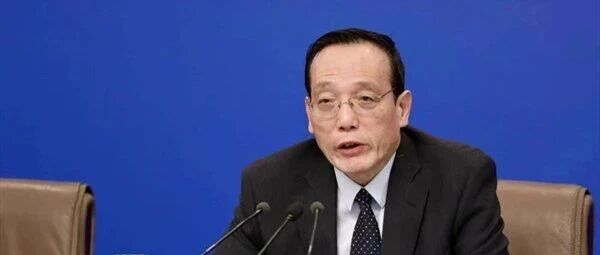
刘世锦:增加对高收入阶层的合理税收,政府将更有动力保护产权
Xin Lang Cai Jing· 2026-01-15 10:35
Group 1 - The "Sina Finance 2025 Conference and the 18th Golden Unicorn Forum" will be held on January 15, 2026, in Beijing, focusing on the theme "Starting the 14th Five-Year Plan, New Economic Journey - Reshaping Growth Paradigms, Creating Future Prosperity" [1][5] - Liu Shijin, Deputy Director of the Economic Committee of the 13th National Committee of the Chinese People's Political Consultative Conference and former Deputy Director of the State Council Development Research Center, will attend and speak at the conference [1][5] Group 2 - Liu Shijin emphasized the need to learn from successful high-income countries with lower Gini coefficients, suggesting that China's Gini coefficient should be reduced to below 0.4% to avoid the middle-income trap [3][7] - He proposed a goal to double the middle-income group from 400 million to 800-900 million people, aiming for this group to constitute over half of the total population [3][7] - To achieve this, he recommended increasing the share of labor compensation in GDP while narrowing the gap in basic public services between urban and rural areas [3][7] Group 3 - Liu Shijin suggested a shift in the fiscal and tax system from indirect taxes to direct taxes, advocating for increased reasonable taxation on high-income individuals and their assets [4][8] - He addressed concerns about the impact on property rights and stability, asserting that higher tax contributions from high-income groups would incentivize the government to protect property rights, as these rights are essential for tax revenue [4][8] - Liu highlighted the strong correlation between tax sources and government behavior, indicating that effective tax policy can enhance government accountability [4][8]
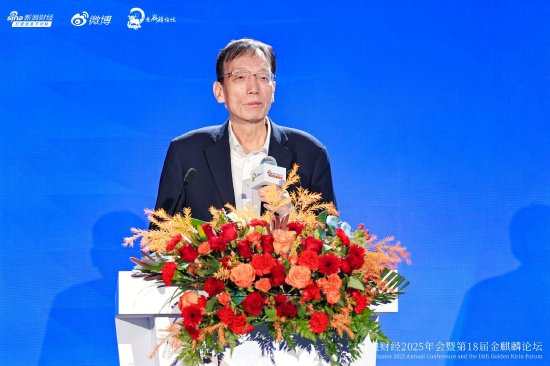
中等收入群体如何倍增?刘世锦:推动国有资本转为社保基金
Di Yi Cai Jing· 2026-01-15 10:29
Group 1 - The core viewpoint emphasizes the goal of doubling the middle-income group in China from 400 million to 800-900 million, aiming for this group to constitute over half of the total population [1] - Liu Shijin suggests that to achieve this goal, policies should focus on increasing the proportion of labor compensation in GDP while narrowing the gap in public service levels between urban and rural areas [1] - The proposal includes transforming indirect taxes into direct taxes, optimizing tax collection from production while increasing reasonable taxation on high-income individuals and their assets [2] Group 2 - Liu Shijin highlights the need for a new growth framework that shifts from investment and export-driven growth to innovation and consumption-driven growth, especially as China's economic growth transitions from high-speed to medium-speed [2] - The importance of encouraging trial and error in reforms is stressed, allowing local governments, enterprises, and individuals to innovate and contribute to modernization efforts [3] - The relationship between tax sources and government behavior is noted, indicating that increasing tax revenue from high-income groups can enhance the government's motivation to protect property rights [2]
刘世锦重磅建议:中产要倍增到8-9亿人!关键靠这两大“硬招”
新浪财经· 2026-01-15 09:32
Core Viewpoint - The article emphasizes the need for China to transition from an investment and export-driven growth model to one focused on innovation and consumption during the 14th Five-Year Plan period, highlighting structural changes in the economy [6][45]. Consumption Structure - China is not yet a consumption powerhouse, with consumption accounting for 20 percentage points less of GDP compared to the global average [8][11]. - To become a consumption-driven economy, China must correct this structural deviation and enhance both domestic and international consumption [11]. - The focus on consumption is shifting from investment-driven growth to consumer-driven growth, particularly in sectors like education, healthcare, and cultural services [11]. Industrial Structure - The manufacturing sector's share of GDP may decline, but this does not indicate a lack of transformation; rather, it reflects a shift towards high-tech, knowledge-intensive service industries [12]. - The development of related productive services is crucial for supporting innovation and enhancing human capital [12][14]. - The government must foster a fair competitive environment to address the complexities of industrial transformation and reduce excess capacity in heavy industries [14]. Foreign Trade - Despite a challenging international environment, China's exports have remained strong, indicating improved technological and industrial competitiveness [17]. - A significant trade deficit suggests a reduction in domestic consumption, which is unsustainable in the long term [17][20]. - The strategy should shift towards balancing imports and exports, with an emphasis on using the RMB for international transactions [20]. Financial Structure - As industries evolve, the importance of capital markets is increasing, with a projected annual increase of at least 30 trillion yuan in social net assets if GDP grows at 4%-5% [23]. - The capital market should support the growth of large, innovative enterprises and increase the proportion of institutional investors to address the challenges of an aging society [24]. Urban-Rural Structure - Urbanization will slow as the population approaches 70%, leading to more internal migration within urban areas rather than from rural to urban [26][30]. - Addressing disparities in public services between urban and rural populations is essential for achieving balanced urban-rural development [31][32]. Income Distribution - To avoid the middle-income trap, China should aim to reduce the Gini coefficient to around 0.4, doubling the middle-income population from 400 million to 800-900 million [33][36]. - Policies should focus on increasing labor compensation's share of GDP and improving social security for low- and middle-income groups [36][38]. Macroeconomic Policy - While macroeconomic policies can provide short-term stability, they cannot replace the need for structural reforms to drive long-term growth [39][41]. - The reliance on macroeconomic policies may increase as the economy transitions to a lower growth phase, necessitating a clear understanding of the limits of such policies [41][45].
全文|刘世锦谈经济增长:以投资出口为主转向以创新和消费为主
Xin Lang Cai Jing· 2026-01-15 03:17
Core Viewpoint - The conference emphasizes the need to reshape the growth paradigm in China, transitioning from an investment and export-driven economy to one focused on innovation and consumption during the 14th Five-Year Plan period [5][54]. Consumption Structure - China is not yet a consumption powerhouse, with consumption accounting for approximately 20 percentage points less of GDP compared to the global average [9][55]. - To become a consumption-driven economy, China must address this structural gap and enhance both domestic and international consumption [11][58]. - The focus on consumption is shifting from investment-driven growth to consumption-driven growth, particularly in sectors like education, healthcare, and cultural services, which also contribute to human capital investment [11][58]. Industrial Structure - The manufacturing sector's share of GDP may decline, but this does not indicate a lack of transformation; rather, it highlights a shift towards high-tech, knowledge-intensive service industries [12][59]. - The transition will require a focus on developing related productive service industries to support manufacturing upgrades [12][59]. - The complexity of industrial structure transformation necessitates a fair competitive environment, as traditional government policies may become less effective [15][61]. Foreign Trade - Despite a challenging international environment, China's exports have remained strong, reflecting improvements in technological and industrial competitiveness [16][63]. - A significant trade deficit indicates reduced domestic consumption, which is unsustainable in the long term; thus, a balanced import-export strategy is essential [16][65]. - The shift towards using the Renminbi for international trade settlements is crucial for enhancing its global liquidity and status [21][68]. Financial Structure - The evolution of the financial system is accelerating, with a growing importance of capital markets as the economy transitions [22][70]. - The capital market should support the development of innovative enterprises and increase the participation of institutional investors to bolster social security systems [26][72]. Urban-Rural Structure - Urbanization is slowing as the population approaches 70%, leading to more internal migration within urban areas rather than rural to urban shifts [27][75]. - Addressing disparities in public services between urban and rural populations is critical for achieving balanced development [31][78]. - Reforms in land management and local governance are necessary to facilitate the free flow of resources and optimize urban-rural integration [32][79]. Income Distribution - Learning from successful economies, China aims to reduce its Gini coefficient to around 0.4 to avoid the middle-income trap and double the middle-income population from 400 million to 800-900 million [33][84]. - Policies should focus on increasing labor compensation's share of GDP and improving social security for low- and middle-income groups [37][84]. - A shift from indirect to direct taxation is proposed to enhance government revenue from high-income earners while ensuring property rights protection [39][86]. Macroeconomic Policy - While macroeconomic policies are currently focused on short-term stabilization, they cannot provide the foundational growth momentum needed for the economy [40][87]. - Structural reforms are essential to address deep-rooted issues, and reliance on macroeconomic policies should be carefully managed to avoid dependency [42][89]. - The transition to a new growth framework requires overcoming path dependencies and encouraging innovation and reform at various levels [44][94].
如何实现中等收入群体倍增?刘世锦:提高劳动报酬GDP占比、推动国有资本转为社保基金
Xin Lang Cai Jing· 2026-01-15 03:01
Group 1 - The "Sina Finance 2025 Conference and the 18th Golden Unicorn Forum" will be held on January 15, 2026, in Beijing, focusing on the theme "Fifteen Five Opening, Economic New Voyage - Reshaping Growth Paradigms, Co-creating Future Prosperity" [1][5] - Liu Shijin, Deputy Director of the Economic Committee of the 13th National Committee of the Chinese People's Political Consultative Conference and former Deputy Director of the State Council Development Research Center, will attend and speak at the conference [1][5] Group 2 - Liu Shijin emphasized the need to learn from successful high-income countries with lower Gini coefficients, suggesting that China's Gini coefficient should be reduced to below 0.4% to avoid the middle-income trap [3][7] - He proposed a goal to double the middle-income group from 400 million to 800-900 million people, aiming for this group to constitute over half of the total population [3][7] - To achieve this, he recommended increasing the share of labor compensation in GDP while narrowing the gap in basic public service levels between urban and rural areas [3][7] Group 3 - Liu Shijin suggested a shift in the fiscal and tax system from indirect taxes to direct taxes, advocating for increased reasonable taxation on high-income individuals and their assets [4][8] - He addressed concerns about the impact on property protection and stability, asserting that increasing tax contributions from high-income groups would incentivize the government to protect property rights, as these rights are essential for tax revenue [4][8] - Liu highlighted the strong correlation between tax sources and government behavior, indicating that effective tax policy can enhance government accountability [4][8]
刘世锦提出收入分配改革建议:基尼系数须降至0.4%以下,实现中等收入群体倍增至8-9亿人
Xin Lang Cai Jing· 2026-01-15 02:55
Group 1 - The "Sina Finance 2025 Conference and the 18th Golden Unicorn Forum" will be held on January 15, 2026, in Beijing, focusing on the theme "Starting the 14th Five-Year Plan, New Economic Journey - Reshaping Growth Paradigms, Creating Future Prosperity" [1][5] - Liu Shijin, Deputy Director of the Economic Committee of the 13th National Committee of the Chinese People's Political Consultative Conference and former Deputy Director of the State Council Development Research Center, will attend and speak at the conference [1][5] Group 2 - Liu Shijin emphasized the need to learn from successful high-income countries with lower Gini coefficients, suggesting that China's Gini coefficient should be reduced to below 0.4% to avoid the middle-income trap [3][7] - A goal to double the middle-income group from 400 million to 800-900 million people was proposed, aiming for this group to constitute over half of the total population [3][7] - To achieve this, Liu suggested increasing the proportion of labor compensation in GDP while narrowing the gap in basic public services between urban and rural areas [3][7] Group 3 - Liu pointed out the need for a shift from indirect taxes to direct taxes in the fiscal system, advocating for increased reasonable taxation on high-income individuals and their assets [4][8] - He addressed concerns about the impact on property rights and stability, asserting that higher tax contributions from the wealthy would incentivize the government to protect property rights, as these rights are essential for tax revenue [4][8] - Liu highlighted the strong correlation between tax sources and government behavior, indicating that effective tax policy can drive positive governmental actions [4][8]
刘世锦:高收入多纳税与保护产权不矛盾,“保护产权就是保护税源”
Xin Lang Cai Jing· 2026-01-15 02:55
Group 1 - The "Sina Finance 2025 Conference and the 18th Golden Unicorn Forum" will be held on January 15, 2026, in Beijing, focusing on the theme "Starting the 14th Five-Year Plan, New Economic Journey - Reshaping Growth Paradigms, Creating Future Prosperity" [1][5] - Liu Shijin, Deputy Director of the Economic Committee of the 13th National Committee of the Chinese People's Political Consultative Conference and former Deputy Director of the State Council Development Research Center, will attend and speak at the conference [1][5] Group 2 - Liu Shijin emphasized the need to learn from successful high-income countries with lower Gini coefficients, suggesting that China's Gini coefficient should be reduced to below 0.4% to avoid the middle-income trap and support the transition to high-income status [3][7] - A goal to double the middle-income group from 400 million to 800-900 million people was proposed, aiming for this group to constitute over half of the total population [3][7] - To achieve this, Liu suggested increasing the share of labor compensation in GDP while narrowing the gap in basic public services between urban and rural areas, and converting a significant amount of state-owned capital into social security funds to enhance the income and security of low- and middle-income groups [3][7] Group 3 - In terms of fiscal and tax systems, Liu advocated for a shift from indirect taxes to direct taxes, optimizing production-related taxes while increasing reasonable taxation on high-income individuals and their assets [4][8] - He addressed concerns about the potential impact on property rights and stability, asserting that increasing tax contributions from high-income groups would incentivize the government to protect property rights, as these rights are essential for tax revenue [4][8] - Liu highlighted the strong correlation between tax sources and government behavior, indicating that effective tax policy can drive positive governmental actions [4][8]
刘世锦:建议通过结构性改革减少消费不足的结构性偏差
Xin Hua Cai Jing· 2025-08-16 12:50
Group 1 - The current consumption deficiency in China is a structural deviation that needs to be addressed through investment policies and funding to stimulate consumption and create new growth momentum for transformation [1] - The low proportion of service consumption in GDP indicates a structural issue in consumption, necessitating structural reforms focused on enhancing the consumption capacity of low-income groups, particularly in education, healthcare, affordable housing, and social security [1][2] - The proposal includes three reforms: first, addressing the structural housing deficit for new citizens, allowing local governments to use special bonds to acquire unsold housing for affordable housing projects [1][2] Group 2 - The disparity in pension benefits between urban workers and rural residents, which is nearly 30 times, significantly impacts consumption capacity and economic growth, suggesting a need for a more equitable pension system [2] - Recommendations for pension reform include increasing rural pensions to 620 yuan per month within three years and to 1000 yuan within five years to reduce the urban-rural gap [2] - The second urbanization wave should be driven by the smooth flow of production factors between urban and rural areas, aiming to double the middle-income group from 400 million to 800-900 million in about ten years to boost consumption, especially in services [3]