生活服务业

Search documents
本周六 成都超1.5万个岗位等你来
Xin Lang Cai Jing· 2026-02-26 22:49
Core Viewpoint - Chengdu's 2026 Spring Breeze Action and Employment Assistance Season will launch on February 28, aiming to provide job opportunities and support for job seekers [1][2] Group 1: Event Overview - The event will feature participation from 210 companies, including 178 on-site recruiting and 32 online showcasing, offering over 15,000 job positions [1] - The event will take place at Shuangliu Square in Shuangliu District [1] Group 2: Job Categories - Seven recruitment zones will be established, covering various sectors such as: - Human resources services, offering positions like general workers, operators, equipment engineers, business specialists, logistics customer service, and forklift drivers [1] - Advanced manufacturing, featuring technical roles in industrial robot operation, smart warehousing, and industrial vision debugging [1] - Logistics and transportation, providing roles in cold chain logistics operation, airport cargo sorting, and freight scheduling [1] - Electronics and information, with positions in semiconductor packaging, RF debugging, and PCB layout design [1] - Modern agriculture, focusing on roles in agricultural product cold chain, agricultural technology promotion, and rural e-commerce hosting [1] - Modern services, offering positions in cybersecurity operation, data compliance, and carbon asset management [1] - Life services, including roles for loaders, same-city delivery, and catering housekeeping [1] Group 3: Support Services - The event will also include functional areas such as job information release, career guidance services, skill training experience, entrepreneurial project displays, and a one-stop policy consultation service area to provide comprehensive support for job seekers and entrepreneurs [2] - The Spring Breeze Action and Employment Assistance Season will continue until the end of March [2]
值得收藏!刘世锦在2025新浪金麒麟论坛演讲的PPT
Xin Lang Cai Jing· 2026-01-15 03:22
Core Viewpoint - The conference emphasizes the need to reshape the growth paradigm in China, transitioning from investment and export-driven growth to innovation and consumption-driven growth during the 14th Five-Year Plan period [5][54]. Consumption Structure - China is not yet a consumption powerhouse, with consumption accounting for about 20 percentage points less of GDP compared to the global average [9][55]. - Addressing this structural gap is essential for China to become a consumption-driven economy, which includes increasing both domestic and international consumption [11][58]. - The focus on consumption is shifting from investment as the primary driver of economic growth to consumption as the key factor [11][58]. Industrial Structure - The manufacturing sector's share of GDP may decline, but this does not indicate a lack of transformation; rather, it highlights the need for high-tech, knowledge-intensive service industries to support manufacturing upgrades [12][59]. - The complexity of industrial structure transformation is increasing, necessitating a fair competitive environment for businesses [15][61]. Foreign Trade - Despite a challenging international environment, China's exports have remained strong, reflecting improvements in technology and industrial competitiveness [16][63]. - A significant trade deficit indicates reduced domestic consumption, which is unsustainable in the long term; thus, a balanced import-export strategy is needed [16][65]. Financial Structure - The evolution of the financial system is accelerating, with a shift from traditional banking to capital markets, which will play a more significant role in supporting economic growth [22][70]. - The capital market should foster large, innovative enterprises and increase the participation of institutional investors to support social security systems [26][72]. Urban-Rural Structure - Urbanization is slowing as the population approaches 70%, leading to more internal migration within urban areas rather than from rural to urban [27][75]. - Addressing disparities in public services between urban and rural populations is crucial for achieving balanced development [31][79]. Income Distribution - To avoid the middle-income trap, China should aim to reduce the Gini coefficient to around 0.4, promoting a stable middle-income group that constitutes over half of the population [33][84]. - Policies should focus on increasing labor income's share of GDP and improving social security for low- and middle-income groups [37][86]. Macroeconomic Policy - While macroeconomic policies are currently focused on short-term stabilization, they cannot provide the foundational growth momentum needed for the economy [40][87]. - Structural reforms are essential to address deep-rooted issues, and reliance on macroeconomic policies should be carefully managed to avoid dependency [42][89].


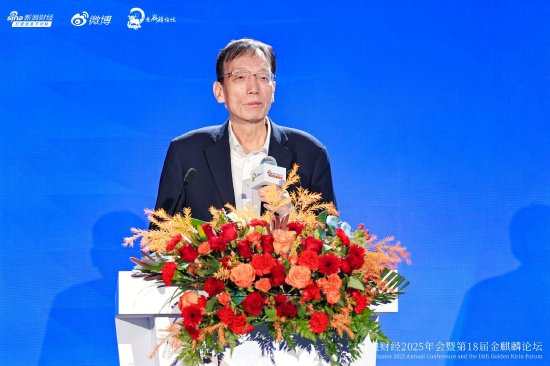
全文|刘世锦谈经济增长:以投资出口为主转向以创新和消费为主
Xin Lang Cai Jing· 2026-01-15 03:17
Core Viewpoint - The conference emphasizes the need to reshape the growth paradigm in China, transitioning from an investment and export-driven economy to one focused on innovation and consumption during the 14th Five-Year Plan period [5][54]. Consumption Structure - China is not yet a consumption powerhouse, with consumption accounting for approximately 20 percentage points less of GDP compared to the global average [9][55]. - To become a consumption-driven economy, China must address this structural gap and enhance both domestic and international consumption [11][58]. - The focus on consumption is shifting from investment-driven growth to consumption-driven growth, particularly in sectors like education, healthcare, and cultural services, which also contribute to human capital investment [11][58]. Industrial Structure - The manufacturing sector's share of GDP may decline, but this does not indicate a lack of transformation; rather, it highlights a shift towards high-tech, knowledge-intensive service industries [12][59]. - The transition will require a focus on developing related productive service industries to support manufacturing upgrades [12][59]. - The complexity of industrial structure transformation necessitates a fair competitive environment, as traditional government policies may become less effective [15][61]. Foreign Trade - Despite a challenging international environment, China's exports have remained strong, reflecting improvements in technological and industrial competitiveness [16][63]. - A significant trade deficit indicates reduced domestic consumption, which is unsustainable in the long term; thus, a balanced import-export strategy is essential [16][65]. - The shift towards using the Renminbi for international trade settlements is crucial for enhancing its global liquidity and status [21][68]. Financial Structure - The evolution of the financial system is accelerating, with a growing importance of capital markets as the economy transitions [22][70]. - The capital market should support the development of innovative enterprises and increase the participation of institutional investors to bolster social security systems [26][72]. Urban-Rural Structure - Urbanization is slowing as the population approaches 70%, leading to more internal migration within urban areas rather than rural to urban shifts [27][75]. - Addressing disparities in public services between urban and rural populations is critical for achieving balanced development [31][78]. - Reforms in land management and local governance are necessary to facilitate the free flow of resources and optimize urban-rural integration [32][79]. Income Distribution - Learning from successful economies, China aims to reduce its Gini coefficient to around 0.4 to avoid the middle-income trap and double the middle-income population from 400 million to 800-900 million [33][84]. - Policies should focus on increasing labor compensation's share of GDP and improving social security for low- and middle-income groups [37][84]. - A shift from indirect to direct taxation is proposed to enhance government revenue from high-income earners while ensuring property rights protection [39][86]. Macroeconomic Policy - While macroeconomic policies are currently focused on short-term stabilization, they cannot provide the foundational growth momentum needed for the economy [40][87]. - Structural reforms are essential to address deep-rooted issues, and reliance on macroeconomic policies should be carefully managed to avoid dependency [42][89]. - The transition to a new growth framework requires overcoming path dependencies and encouraging innovation and reform at various levels [44][94].
郭丽岩:优化供给挖掘生活服务消费潜能
Jing Ji Ri Bao· 2025-12-24 00:10
Core Viewpoint - The primary task for economic work in the coming year is to "insist on demand-led growth and build a strong domestic market," focusing on optimizing consumption structure and enhancing quality in response to complex external environments and weak domestic demand [1] Group 1: Consumption Trends - The service consumption market has been expanding, with retail sales of services from January to November increasing by 5.4% year-on-year, surpassing the growth rate of goods retail sales [1] - The proportion of service consumption expenditure in total household consumption is continuously rising, indicating an ongoing optimization and upgrade of consumption structure [1] - Cultural and digital consumption supply is improving, with retail sales in cultural and recreational services maintaining double-digit growth [1] Group 2: Policy Support - Policies are being implemented to enhance the quality and efficiency of the life service consumption market, including the revision of the "Negative List for Market Access (2025 Edition)" to further relax market entry [2] - The environment for sectors like elderly care is improving, with increased efficiency in resource allocation and enhanced standardization of consumer services [2] - New consumption forms such as VR tourism and online fitness are being promoted through digital transformation and innovation in consumption scenarios [2] Group 3: Future Outlook - Life service consumption is expected to play a crucial role in stabilizing economic growth and improving livelihoods during the "14th Five-Year Plan" period [3] - There is a need to enhance the quality of supply in talent and technology, pushing life service consumption towards higher quality, added value, and diversification [3] - A regulatory framework that adapts to new business models is necessary, including the establishment of a unified national market construction regulation and the removal of various barriers [3] Group 4: Development Strategies - The development of life service industries should focus on improving factor guarantees, such as training high-skilled service talents and establishing service qualification systems aligned with international standards [4] - Digital transformation in service industries is essential, with support for enterprises to develop digital service functions like smart booking and quality tracking [4] - The establishment of comprehensive service complexes integrating various functions such as elderly care, culture, and sports is encouraged to enhance service industry standards and create well-known brands [4]
创新驱动,中央经济工作会议有三点新提法
Sou Hu Cai Jing· 2025-12-13 06:42
Group 1 - The core focus of the Central Economic Work Conference is on innovation-driven development, emphasizing the importance of talent as a key component in the integration of technology, industry, talent, and finance [2][3][4] - The conference outlines a plan to enhance the service sector, addressing both capacity expansion and quality improvement, with a focus on resolving deep-seated issues such as insufficient quality supply and innovation capabilities [6][7] - A new emphasis on "perfecting artificial intelligence governance" is introduced, aiming to ensure the safe and controllable development of AI through a systematic regulatory framework [8][9] Group 2 - The conference highlights the need for a cohesive approach to education, technology, and talent development, breaking down departmental barriers to better align talent supply with industry demand [4][5] - The service sector is recognized as a crucial driver for employment and economic development, with projections indicating that by 2024, service sector employment will account for 48.8% of total employment [7] - The strategy includes the establishment of international technology innovation centers in key regions such as Beijing, Shanghai, and the Guangdong-Hong Kong-Macau Greater Bay Area to foster a world-class innovation cluster [11][12]
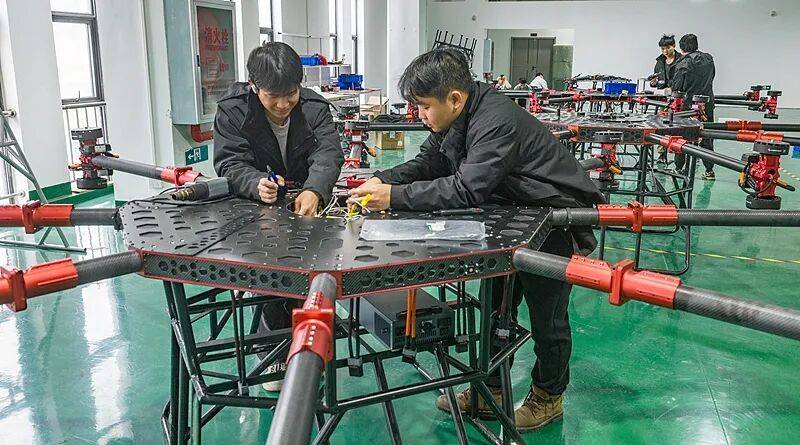
事关大力提振消费,“十五五”规划建议透露哪些重要方向?
Sou Hu Cai Jing· 2025-10-28 10:26
Group 1 - The core viewpoint of the article emphasizes the importance of boosting consumption during the "15th Five-Year Plan" period, with specific actions proposed to enhance consumer spending and improve public services [1] - The "15th Five-Year Plan" suggests expanding the supply of quality consumer goods and services, focusing on easing market access and integrating business models to enhance service consumption [1][4] - The report highlights the shift in consumer demand from basic survival needs to more development-oriented and enjoyment-based consumption as GDP per capita approaches $10,000 to $20,000 [4] Group 2 - The "Special Action Plan for Boosting Consumption" was issued in March, identifying the "Service Consumption Quality Improvement Action" as a key initiative [2] - The article mentions the need to develop county-level life service industries and improve rural elderly care infrastructure, as well as to innovate flexible working hours to enhance service consumption [4] - The article discusses the importance of removing unreasonable restrictions on consumption, particularly in the automotive and housing sectors, to stimulate demand [5]

深化转型升级 培育强大动能——论全面发力“十五五”④
Jie Fang Ri Bao· 2025-10-28 01:41
Group 1 - The core focus of the "14th Five-Year Plan" emphasizes high-quality development, with a clear signal from the central government to prioritize the real economy and enhance both quantity and quality in production [1] - Shanghai, as China's largest economic center, is tasked with improving quality and capability to support national economic growth, particularly through advanced manufacturing and high-value sectors [1][2] - The transformation and upgrading of industries in Shanghai are critical, requiring a focus on digitalization, green initiatives, and intelligent integration, while also emphasizing efficiency and strategic focus in service sectors [2][3] Group 2 - The competitive landscape necessitates a clear judgment and focus on key areas, avoiding outdated paths and dependencies, while adapting to future directions [3] - Shanghai has made significant progress in reducing costs and improving efficiency in industrial operations, but ongoing efforts are needed to create a supportive ecosystem for sustainable growth [3][4] - A vibrant business environment, characterized by low comprehensive costs and strong entrepreneurial activity, is essential for fostering innovation and new productive forces [4]
社区“小商圈”转动消费“大齿轮” | Ta们有话说
Xin Jing Bao· 2025-09-29 04:04
Core Insights - The article highlights the transformation of local living circles in Beijing, showcasing a diverse range of services available within a 15-minute radius, including dining, accommodation, home services, elderly care, and entertainment [2]. Group 1: Service Diversity - Over 1,400 service outlets cover 50 categories of businesses, indicating a comprehensive approach to meet the needs of various age groups [2]. - The services are available throughout the day, ensuring that residents have access to essential and leisure activities at all times [2]. Group 2: Impact on Urban Consumption - The article emphasizes how these grassroots service industries contribute significantly to urban consumption, providing a "hardcore" foundation for economic activity [2].
激活服务消费,释放“人”的需求潜能——对提振我国居民消费的系统性思考
Sou Hu Cai Jing· 2025-08-20 09:38
Core Viewpoint - Expanding domestic demand is a strategic move, with boosting consumption being a top priority. The article analyzes the current issues and deep-seated problems in China's consumer market, focusing on the constraints of "difficult migration," "difficult urban settlement," "lack of leisure," and "supply shortages" that hinder the release of consumer demand. It proposes a systematic approach to activate consumption through facilitating population flow, enhancing consumption capacity, and upgrading service supply [5][11]. Group 1: Current Issues in China's Consumption - China's consumer rate is significantly low, with a gap primarily in service consumption. The consumer rate is about 18 percentage points lower than that of countries at a similar development stage, with service consumption contributing approximately 70% to this gap [6][11]. - Post-pandemic recovery of service consumption is lagging behind that of goods consumption, disrupting the trend of upgrading consumer structure towards services, further exacerbating the consumption deficit [6][11]. - The structure of service consumption shows a high proportion of basic services like healthcare and education, while enjoyment-based consumption such as entertainment and dining is relatively low [6][11][24]. Group 2: Deep-seated Causes of Low Consumption - The low consumption is attributed to four main issues: "difficult migration," "difficult urban settlement," "lack of leisure," and "supply shortages." Over 100 million agricultural surplus laborers have not migrated, significantly limiting income and consumption capacity [7][30]. - Approximately 250 million migrant workers struggle to settle in cities due to insufficient public services, leading to a cycle of low security, high savings, and low consumption [7][39]. - Long working hours, exceeding those of major economies by over 50%, reduce leisure time, which is crucial for service consumption growth [7][51]. - The effective supply of services is constrained by restrictive measures, with significant shortages in key areas such as elderly care and childcare, hindering the upgrade of consumption structure [7][52]. Group 3: Recommendations for Boosting Consumption - Develop county-level life service industries and improve rural labor transfer channels to enhance income and reduce urban-rural disparities [8][69]. - Strengthen "people-centered fiscal" spending to ensure comprehensive coverage of public services for all residents, particularly for non-hukou populations [8][69]. - Innovate flexible working hours and vacation systems to increase leisure time, which is essential for stimulating service consumption [8][70]. - Remove barriers to service supply and accelerate the expansion and quality improvement of emerging consumption sectors [8][71].
国家发改委:培育服务消费新增长点,推动地方有序减少消费限制
Sou Hu Cai Jing· 2025-08-01 04:45
Core Viewpoint - The consumer data for the first half of the year shows a significant recovery, with a 5% increase in total retail sales of consumer goods, indicating a positive trend in consumer spending and economic growth [1][3]. Group 1: Consumer Growth - The total retail sales of consumer goods increased by 5% in the first half of the year, with a 0.4 percentage point increase from the first quarter and a 1.3 percentage point increase from the same period last year [3][4]. - The contribution rate of final consumption to economic growth reached 52%, with the second quarter showing a contribution rate of 52.3%, up 0.6 percentage points from the first quarter and 4.4 percentage points from the previous year [3][4]. Group 2: Consumption Highlights - The "old-for-new" policy has driven sales exceeding 1.7 trillion yuan, with retail sales of household appliances and communication equipment increasing by 30.7% and 24.1% respectively [3][4]. - Sales of new energy vehicles rose by 40.3% year-on-year, reflecting the effectiveness of various policies aimed at expanding domestic demand [3][4]. Group 3: Improved Environment - Multiple significant policies have been introduced to boost consumption, with local governments organizing various cultural and sports activities to enhance consumer engagement [4][5]. - The focus on food safety and quality regulation has improved the consumption market environment, contributing to sustained healthy development [4][5]. Group 4: Future Strategies - The National Development and Reform Commission plans to enhance consumer capacity by promoting stable employment and income growth, addressing urgent public concerns [4][5]. - New growth points in service consumption will be cultivated, focusing on cultural tourism, sports events, and essential services like healthcare and childcare [5]. - Continuous optimization of consumption supply will be pursued, including the promotion of domestic products and the development of infrastructure such as charging stations and logistics systems [5].