
买壳上市

Search documents
【锋行链盟】港交所买壳上市尽职调查详细流程及核心要点
Sou Hu Cai Jing· 2026-02-20 16:53
Core Viewpoint - The article emphasizes the importance of due diligence in the process of "backdoor listing" through the acquisition of a shell company on the Hong Kong Stock Exchange (HKEX), highlighting the need for comprehensive risk identification and transaction feasibility assessment [1]. Group 1: Detailed Process of Due Diligence - The due diligence process for backdoor listings is divided into five stages: preparation, formal initiation, specialized due diligence, report output and risk assessment, and post-transaction support [3]. - The preparation stage involves selecting potential shell companies based on strategic needs and signing a Non-Disclosure Agreement (NDA) to protect sensitive information [7]. - The formal due diligence phase begins after signing a Letter of Intent (LOI), focusing on thorough risk assessment and verification of the shell company's information [5]. - Legal due diligence includes reviewing the shell company's legal documents, major contracts, litigation records, and compliance status [7]. - Financial due diligence involves auditing the shell company's financial statements, focusing on the authenticity of financial data, hidden liabilities, asset quality, cash flow health, and tax compliance [7]. - Optional business and operational due diligence assesses the compatibility of the shell company's existing business with the acquirer's business [7]. Group 2: Core Points of Due Diligence - HKEX has tightened regulations on backdoor listings, particularly after the 2019 revision of listing rules aimed at combating "shell companies," necessitating a focus on legal compliance, financial authenticity, business sustainability, and regulatory risks [9][10][11][12]. - The assessment of related party transactions and potential competition with the acquirer's business is crucial to ensure fair dealings and compliance with HKEX regulations [13]. - Stability of control is evaluated by examining the shareholding structure and any agreements among shareholders to ensure the acquirer can maintain control post-transaction [13]. - Anomalies in market capitalization and stock price movements are analyzed to identify potential speculative activities that could lead to regulatory scrutiny [13]. - The drafting of transaction documents should include protective clauses based on due diligence findings, and verification of key risk points should occur before the transfer of shares [14]. - The clarity of the shareholding structure and the history of any regulatory violations are critical to avoid future disputes and ensure compliance with HKEX standards [14][15]. Group 3: Summary - The due diligence for backdoor listings on HKEX should focus on the "cleanliness" of the shell, financial authenticity, business sustainability, and regulatory compliance, utilizing a multi-dimensional approach to risk assessment [15]. - Continuous monitoring of HKEX's regulatory stance on "reverse takeovers" and "shell companies" is essential to prevent transaction failures or listing obstacles [15].


【锋行链盟】港交所买壳上市架构设计流程及核心要点
Sou Hu Cai Jing· 2026-02-20 16:29
Core Viewpoint - The article discusses the process and key considerations of reverse mergers (shell company listings) on the Hong Kong Stock Exchange, highlighting the advantages and challenges compared to traditional IPOs. Group 1: Basic Logic of Reverse Mergers - The core of reverse mergers is to control a shell company, allowing the issuer to inject its business, assets, or rights into the shell company, making it the issuer's listing platform [3]. - The Hong Kong Stock Exchange recognizes "control" as holding more than 50% of the shell company's shares or actual control over its board [3]. Group 2: Main Process of Shell Company Listing - Preliminary preparation involves clarifying goals and self-assessment [4]. - Selecting a shell company requires identifying "clean and suitable" targets, as the quality of the shell company directly impacts the success of the reverse merger [4]. - Due diligence is essential to identify potential risks, covering various aspects such as financial, legal, and operational evaluations [4]. - The architecture design aims to achieve control transfer, asset injection, and tax optimization while complying with the Hong Kong Stock Exchange's listing rules [4]. - Transaction execution includes negotiating and signing agreements regarding purchase price, payment methods, and conditions for closing [4]. Group 3: Key Considerations in Architecture Design - The "cleanliness" of the shell company is a prerequisite for a successful reverse merger [6]. - The architecture design must balance compliance and flexibility [6]. - Tax optimization is a critical aspect of the process [6]. - Effective post-merger integration is a hallmark of success [6]. - Information disclosure is a regulatory requirement, with strict adherence necessary to avoid penalties [6]. Group 4: Regulatory Approvals and Financing Arrangements - Approval from the Hong Kong Stock Exchange is required, especially if a reverse merger is involved [8]. - Financing arrangements may include bank loans, private equity financing, or bond issuance based on funding needs [8]. - Share transfer and closing involve completing the registration of the shell company's share transfer and asset delivery [8]. Group 5: Post-Merger Integration - Successful post-merger integration focuses on operational, financial, and governance aspects [8]. - The integration plan should include timelines for business and financial unification, with regular updates to investors [8]. - Ensuring that the shell company's performance meets IPO requirements is crucial for maintaining listing eligibility [8]. Group 6: Summary of Key Points - The design of a reverse merger on the Hong Kong Stock Exchange centers on selecting the right shell company, conducting thorough due diligence, and establishing a compliant offshore structure [10]. - Companies must evaluate their capabilities and risks, selecting professional intermediaries to ensure compliance with regulatory requirements [10].
【锋行链盟】港交所买壳上市流程框架、核心审批节点、披露要点及关键注意事项
Sou Hu Cai Jing· 2026-02-19 16:23
Core Viewpoint - Reverse Takeover (RTO) is a process where a company achieves listing by acquiring control of a listed shell company on the Hong Kong Stock Exchange (HKEX), injecting its assets into the shell company, thus indirectly achieving a listing. The HKEX has tightened regulations on RTOs, making the approval process and disclosure requirements stricter than ordinary mergers and acquisitions [1][3]. Group 1: Basic Logic and Regulatory Positioning - The HKEX's Listing Rules state that if the acquisition results in a fundamental change in the shell company's main business (e.g., new assets injected exceed 100% of the original assets), it will be classified as a reverse takeover and subject to new listing standards [3][4]. Group 2: Core Process and Approval Nodes - The RTO process consists of six main stages: preliminary preparation, shell company selection, due diligence, transaction negotiation, regulatory approval, disclosure, and subsequent integration, with regulatory approval and information disclosure being critical thresholds [4][5]. - Preliminary preparation involves clarifying objectives and selecting intermediaries, focusing on the "cleanliness" and suitability of the shell company [5][6]. Group 3: Due Diligence and Transaction Negotiation - Due diligence is essential for the success of the RTO, covering legal, financial, and business aspects to identify risks [5][6]. - Transaction negotiation includes signing a non-binding Letter of Intent (LOI) and formal agreements that outline the rights and obligations of the parties involved [12][13]. Group 4: Regulatory Approval Process - The RTO must pass through dual regulatory oversight from the HKEX and the Securities and Futures Commission (SFC), adhering to the SFC's Code on Takeovers and Mergers [7][8]. - The approval process involves submitting a listing application to the HKEX, which includes financial reports, asset valuation reports, and legal opinions [12][14]. Group 5: Disclosure Requirements - Disclosure requirements include statutory and ongoing disclosures during the transaction phase, such as announcing major terms of the transaction and subsequent compliance with ongoing reporting obligations post-listing [9][10]. Group 6: Integration and Compliance - Post-integration involves ensuring that the injected assets align with the listing requirements, including business restructuring and management changes to meet operational capabilities [15][16]. - The timeline for an RTO typically ranges from 6 to 18 months, with costs including intermediary fees and shell company acquisition costs [17].
香港借壳上市的历史流变和现状澄析(上)
Sou Hu Cai Jing· 2026-01-19 11:30
Core Insights - The article reviews the evolution of backdoor listings in Hong Kong over the past 40 years, categorizing it into three phases: early exploration, regulatory games, and comprehensive tightening. The traditional "buy shell - inject capital" model ended after the new regulations in 2019 [2][3]. Group 1: Definition and Structure of Backdoor Listings - Backdoor listing is described as a capital activity where a non-listed company acquires control of a listed company (shell company) to achieve indirect public listing by injecting its business and assets [4]. - The transaction process of backdoor listings typically involves two key stages: obtaining control and asset injection and restructuring [4][6]. - The concept of "reverse takeover" (RTO) is clarified as a method where a non-listed company injects assets into a listed shell company to gain control, which is a core regulatory focus in Hong Kong [8][9]. Group 2: Historical Evolution of Backdoor Listings - The first phase (1984-2003) was characterized by strong financing demand and a lack of clear regulatory frameworks, leading to the emergence of backdoor listings as a quicker alternative for mainland companies to access international capital [13][14]. - The second phase (2004-2018) saw increased regulatory scrutiny due to frequent backdoor activities, leading to the introduction of the "bright-line test" in 2004, which established clear thresholds for transactions that would be classified as reverse takeovers [15][16]. - The third phase (2019-present) marked a significant tightening of regulations with the introduction of the "most stringent" new rules aimed at increasing costs and uncertainties associated with backdoor listings, effectively aligning them with IPO standards [17][18][19]. Group 3: Market Changes Post-New Regulations - From 2019 to 2025, the backdoor listing market has undergone structural changes due to high regulatory pressure, global liquidity tightening, and macroeconomic cycles, transforming backdoor listings into high-cost industrial acquisition methods [21]. - The number of transactions classified as reverse takeovers surged from 6 in the first nine months of 2019 to 18 in the following year, with most being terminated due to non-compliance with new regulations [22]. - The value of shell companies has drastically decreased, with prices dropping from 600-650 million HKD to 150-250 million HKD by 2025, reflecting a significant loss of their function as a shortcut to listing [23]. Group 4: New Transaction Forms and Market Dynamics - The introduction of SPACs in 2022 aimed to provide a compliant alternative for backdoor listings, but high regulatory thresholds have limited their effectiveness, resulting in only a few successful cases [24]. - A new approach called "Long-stop Asset Injection" has emerged, where buyers maintain existing businesses for 36 months before conducting substantial operations, shifting the focus from financial speculation to long-term strategic investments [25]. - The intermediary landscape has shifted, with mainland Chinese securities firms gaining prominence in the backdoor and merger advisory sectors, reflecting the changing dynamics of the market [26]. Group 5: Regulatory Enforcement and Market Cleanup - Regulatory practices have intensified, with detailed inquiries for large asset injections and a significant increase in delistings, totaling over 230 companies from 2019 to 2025, indicating a strong push to eliminate "zombie stocks" [27].
【锋行链盟】港交所买壳上市资金交易流程
Sou Hu Cai Jing· 2026-01-02 16:19
Core Viewpoint - The process of "reverse takeover" or "shell company acquisition" in the Hong Kong Stock Exchange involves a non-listed company acquiring a listed shell company's shares to gain control and inject its assets for listing purposes [1]. Group 1: Transaction Process - The transaction process is complex and involves multiple intermediaries such as sponsors, lawyers, accountants, and financial advisors [3]. - The first stage involves pre-deal preparations and due diligence, where the buyer must complete legal and financial investigations before any funds are transferred [3]. - The second stage includes signing agreements and paying a deposit, marking the first outflow of funds [4]. - The third stage requires the buyer to acquire control of the shell company, typically by purchasing over 30% of its shares [4]. - The fourth stage is critical, involving the cleaning of the shell company and asset restructuring, as mere acquisition does not allow for immediate financing [5]. Group 2: Due Diligence and Agreement - The buyer's team must identify target shell companies and conduct due diligence to confirm the absence of significant debts, lawsuits, or compliance issues [6]. - A framework agreement or memorandum of understanding is signed to establish preliminary intentions, followed by the payment of earnest money, usually 5%-10% of the total transaction amount [6]. - A general offer announcement is required when the buyer's shareholding reaches 30%, triggering mandatory offer obligations under the Hong Kong Code on Takeovers and Mergers [6]. Group 3: Financial Transactions - The buyer must transfer substantial cash for share acquisition into a designated regulatory account [6]. - The share transfer and fund settlement occur when both parties sign a formal share purchase agreement, with the buyer paying the majority of the remaining funds to the seller's shareholders [6]. - The shell company must undergo a cleaning process, which includes liquidating existing businesses, selling off bad assets, and repaying old debts [6]. Group 4: Post-Transaction Steps - The fifth stage involves applying for resumption of trading and obtaining approval from the stock exchange [7]. - The sixth stage focuses on placing new shares and financing, as the ultimate goal of the reverse takeover is often to raise capital [7]. - The seventh stage includes subsequent capital operations after listing [8]. Group 5: Regulatory Considerations - Due to the large cross-border capital flows involved in reverse takeovers, regulatory bodies will closely monitor for compliance and potential money laundering risks [8]. - The process requires that all earnest money and acquisition funds be placed in a regulated escrow account, prohibiting any private transfers [9]. - Buyers must provide proof of the source of funds to intermediaries, ensuring that the money used for the acquisition is legally obtained [9].
2025年,A股高股比壳为啥备受青睐?劳阿毛解析
Xin Lang Cai Jing· 2026-01-01 03:13
Core Viewpoint - The A-share control market in 2025 will favor shell companies with high major shareholder ownership, which have advantages such as normal fundamentals, cash reserves, and strong debt capacity [1][10] Group 1: Changes in Shell Selection Criteria - Previously, shell selection focused on market capitalization rather than major shareholder ownership, often preferring poorly performing companies with minimal asset value [2][11] - The core operation method of "borrowing a corpse to resurrect a soul" was prevalent, emphasizing the feasibility of turnaround and the new shareholder's equity ratio [2][11] Group 2: Underlying Logic of Shell Transactions - The fundamental logic of shell transactions remains unchanged, focusing on the feasibility of operations, balance of interests between new and old shareholders, and regulatory approval [3][12] - The difficulty of direct shell transactions has increased, requiring buyers to maintain the shell for three years before asset injection, leading to longer cooperation cycles and higher requirements for both shells and acquirers [4][13] Group 3: Benefits of High Shareholding Ratio - High shareholding ratios provide a larger pool of existing shares, facilitating profit coordination and clearer win-win scenarios for both new and old shareholders [5][14] - High original shareholder equity allows for significant cash recovery, enabling asset repurchase or lending to the listed company, thus providing ample resources for future investments or transformations [5][14] Group 4: Market Dynamics and Buyer Requirements - Companies with high shareholding ratios and cash reserves are increasingly sought after, but they also impose higher demands on acquirers, requiring both financial capability and favorable future expectations [6][15] - The market lacks quality buyers who possess both financial resources and valuable assets, complicating the acquisition landscape [8][16] Group 5: IPO Challenges and Strategic Shell Acquisitions - Many companies face challenges in executing short-term IPOs due to regulatory issues or specific timing requirements, leading them to consider shell acquisitions as an alternative strategy [8][16] - Acquiring a shell can serve as a backup plan for future IPOs while also potentially increasing stock value significantly [8][16]
【锋行链盟】港交所买壳上市过程中剥离壳负债的方式及流程
Sou Hu Cai Jing· 2025-12-30 16:27
Core Principle - The primary principle is to avoid being classified as a "reverse takeover," which would require the company to meet IPO standards if significant asset changes occur within 36 months after control change [3] Methods for Debt Separation - Common methods for separating shell company liabilities include: 1. **Debt Transfer and Waiver**: Transfer specific debts to original shareholders or related parties, and negotiate waivers from creditors [8] 2. **Asset Swap**: Issue shares to acquire assets while simultaneously divesting bad assets [5] 3. **Special Purpose Vehicle (SPV)**: Isolate liabilities in a subsidiary and sell that subsidiary [6] 4. **Bankruptcy or Debt Restructuring**: Applicable for severely insolvent shell companies [7] 5. **Cash Acquisition**: Direct cash purchase of the shell company's existing business, allowing original shareholders to take on liabilities [9] Typical Buy Shell and Separation Process - The typical process consists of four stages: 1. Pre-Due Diligence and Negotiation 2. Structuring and Signing 3. Execution and Completion 4. Resumption and Post-Deal [10] Recommendations for Buyers - It is advisable for buyers to seek a "clean shell," where the original shareholders have already divested most assets and liabilities [10] - If self-separation is necessary, hiring a team familiar with Hong Kong listing rules and using the SPV method is recommended [10] Standard Operating Procedures - Key steps include: 1. Financial audit by a reputable firm to clarify all liabilities and risks [11] 2. Legal review to ensure compliance with listing rules [11] 3. Drafting a separation plan based on due diligence results [11] 4. Board and shareholder approval for asset sales and debt assumption [11] 5. Communication with creditors for necessary waivers [11] 6. Legal transfer of assets or liabilities [11] 7. Submission of resumption application to the exchange post-separation [11]
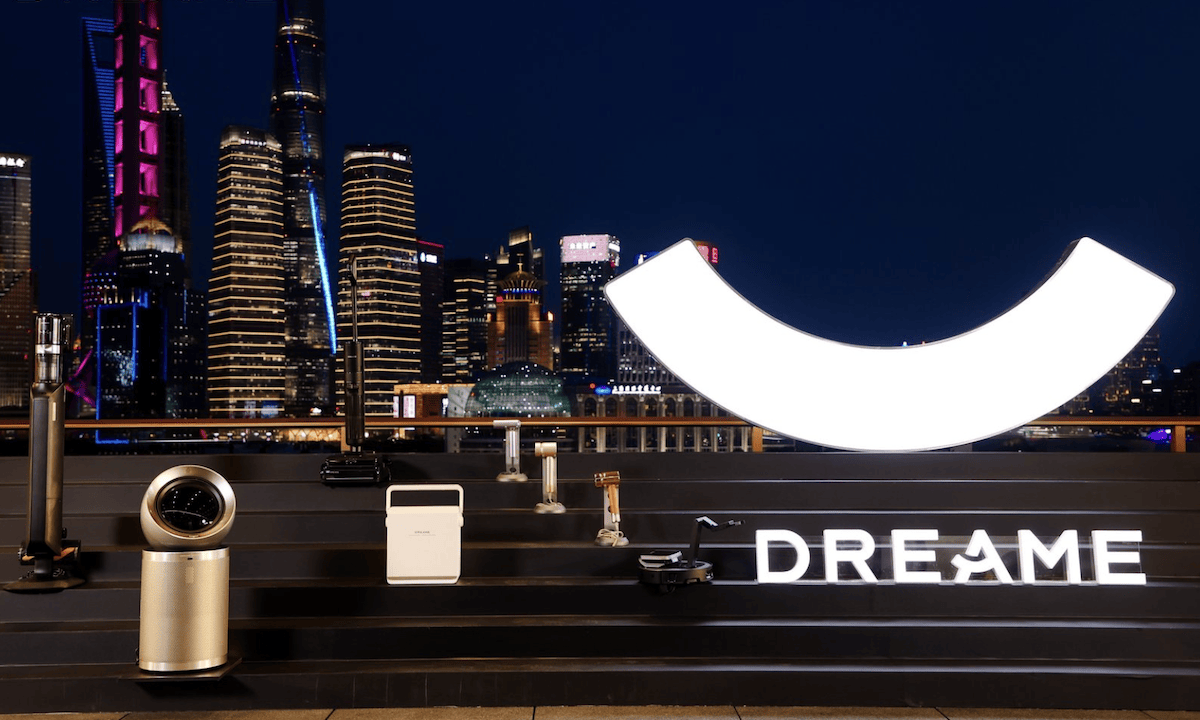
追觅老板,23亿买入一家上市公司
Sou Hu Cai Jing· 2025-12-18 10:38
Group 1 - The core point of the article is that Yu Hao, founder of Chasing, has acquired control of Jia Mei Packaging for approximately 2.282 billion yuan, aiming to leverage the company as a financing platform for rapid expansion in various sectors [2][3][11] - Jia Mei Packaging announced a suspension of trading on December 9, 2023, due to a planned change in control, and resumed trading on December 17, 2023, with its stock price hitting the daily limit up twice, reaching 5.52 yuan per share, giving it a market capitalization of 5.274 billion yuan [2][13] - The acquisition is part of a trend where technology companies acquire traditional listed firms to gain access to capital markets without the lengthy IPO process, similar to other recent acquisitions in the industry [3][11] Group 2 - Yu Hao has a background in aerospace engineering and founded Chasing in 2017, which has since become a leader in the smart cleaning appliance market, holding a 16.2% market share in China and leading in several international markets [4][5] - Chasing has raised significant capital through multiple funding rounds, with the latest being a 3.6 billion yuan Series C round in October 2021, involving various prominent investors [6][10] - The company is also expanding into venture capital, with plans to launch a 1 billion yuan fund targeting early-stage tech projects in the robotics and AI sectors [9][10] Group 3 - The acquisition of Jia Mei Packaging allows Chasing to directly connect with the domestic capital market, facilitating business expansion and financing activities [13][19] - The deal involves a two-step process where Chasing will first acquire 29.90% of Jia Mei's shares and then make a partial tender offer to increase its stake to 54.90% [13][14] - Jia Mei Packaging has faced declining revenues and profits, which may have motivated the change in ownership, with commitments from the previous owners to maintain certain profit levels in the coming years [15][20] Group 4 - Industry insiders believe that Yu Hao's experience and Chasing's resources will enable Jia Mei Packaging to transition towards digitalization and intelligent manufacturing, enhancing its competitiveness [17][19] - The acquisition is seen as a strategic move to provide Chasing with more pathways for capitalizing its business and offering clearer exit options for investors [19][20]
“华为天才少年”买壳后,人形机器人都想“智元化”
阿尔法工场研究院· 2025-11-28 00:07
Core Viewpoint - The article discusses the recent developments surrounding the acquisition of Upwind New Materials Technology Co., Ltd. by ZhiYuan Robotics, highlighting the implications for the capital market and potential regulatory scrutiny due to the significant stock price increase [5][9]. Group 1: Company Developments - Upwind New Materials has appointed Peng Zhihui, a notable figure from ZhiYuan Robotics, as the chairman of its board, indicating a shift in management and operational strategy [5][6]. - The new management team includes former Huawei executives, suggesting a strong technological and operational influence from ZhiYuan Robotics [6][8]. - Since the announcement of the acquisition, Upwind's stock price surged from 7.78 CNY to a peak of 132.10 CNY, representing an increase of over 15 times [7]. Group 2: Market Implications - The acquisition process took only 120 days, with ZhiYuan gaining control through a combination of share transfer and shareholder agreements, without asset injection, thus avoiding the classification of a reverse merger [8]. - The article notes a trend where unlisted companies are seeking to acquire listed companies as a means to access capital markets, particularly in sectors facing funding constraints [7][9]. - The human-shaped robot industry is characterized by early-stage speculation and potential valuation bubbles, with companies exploring various capital pathways to navigate market challenges [8][9]. Group 3: Regulatory Considerations - Increased attention from regulatory bodies is anticipated as more companies attempt to replicate ZhiYuan's acquisition strategy, potentially leading to stricter scrutiny of stock price manipulation and speculative activities [5][9]. - The article suggests that future companies looking to emulate ZhiYuan may face challenges due to heightened market awareness and the significant rise in Upwind's stock price [9].

15连板ST中迪股权拍卖遭神秘资本卡点举牌,半导体巨头想买壳上市?
Hua Xia Shi Bao· 2025-11-10 01:08
Core Viewpoint - ST Zhongdi has experienced a continuous stock price surge despite being a loss-making real estate company, raising speculation about a potential change in control following a recent share auction [3][4]. Group 1: Company Performance - ST Zhongdi reported a revenue of 135 million yuan for the first three quarters of the year, a decrease of 52.64% year-on-year [4]. - The net profit attributable to shareholders was -151 million yuan, down 42.08% year-on-year [4]. - In the third quarter alone, ST Zhongdi's revenue was only 808,400 yuan [4]. Group 2: Share Auction and Control Change - The controlling shareholder's 23.77% stake was auctioned for 255 million yuan, with Shenzhen Tianwei Investment winning the bid [4][5]. - The auction was the second attempt, with the initial auction in September failing to attract bids at a starting price of 319 million yuan [5]. - The share transfer has not yet been completed, meaning Shenzhen Tianwei is not yet the controlling shareholder [6]. Group 3: Buyer Background - Shenzhen Tianwei was established just over three months ago, with its ownership split between two individuals, both linked to Shenzhen Tianwei Electronics [7]. - Shenzhen Tianwei Electronics is a well-known player in the semiconductor industry, indicating potential strategic interests in ST Zhongdi [8]. Group 4: Future Prospects - The auction of shares was necessitated by a 750 million yuan loan taken by ST Zhongdi's subsidiary, for which the controlling shareholder provided a guarantee [10]. - ST Zhongdi has indicated plans to develop new business areas, focusing on projects with appropriate scale and industry relevance [11].

