
文旅消费

Search documents
漫评:新春文旅“马”力全开,活力中国澎湃向前
Xin Lang Cai Jing· 2026-02-21 08:59
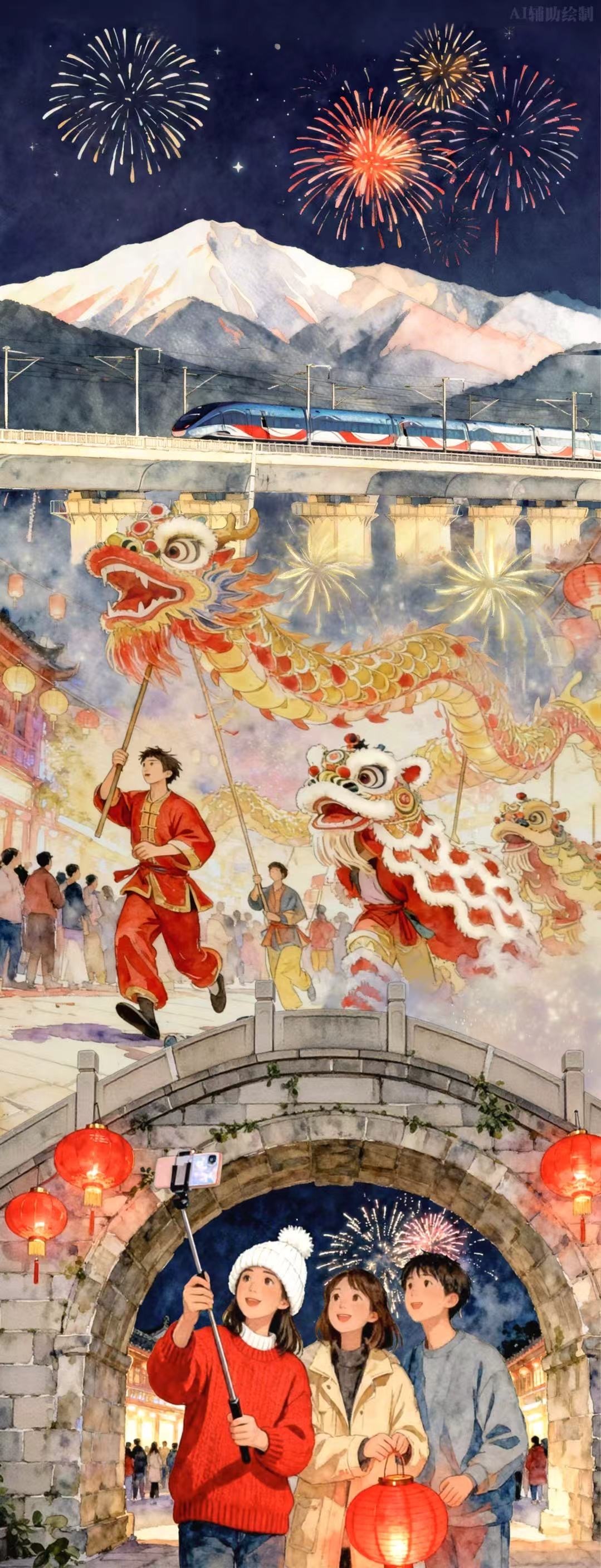
Core Insights - The Chinese tourism and cultural economy is experiencing a vibrant resurgence during the Spring Festival, showcasing the country's economic vitality [3][5] - The transportation network is effectively supporting the high demand for travel, with significant ticket sales and new rail lines enhancing connectivity [4] Group 1: Tourism and Cultural Economy - The Spring Festival has seen a diverse range of cultural and tourism activities across various regions, igniting consumer enthusiasm and adding unique flavors to the celebrations [3] - Notable events include flower markets in Guangzhou, ice festivals in Heilongjiang, and traditional fairs in Shanxi, highlighting the rich cultural experiences available to tourists [3][5] - The integration of traditional culture with modern experiences is evident, as seen in performances and exhibitions that engage the public and promote cultural heritage [5] Group 2: Transportation and Travel Demand - As of February 20, 2023, a total of 298 million train tickets have been sold for the Spring Festival travel period, reflecting the organized flow of massive passenger traffic [4] - The new high-speed rail line from Xi'an to Yan'an and improved highway access have facilitated cross-province travel, enhancing the overall travel experience [4] - The efficient transportation network is crucial for enabling family reunions and supporting the dynamic movement of people during the holiday season [4]

春晚带火多地文旅消费
Xin Lang Cai Jing· 2026-02-19 15:50
Core Insights - The 2026 Spring Festival Gala has significantly boosted cultural and tourism consumption across various regions in China, showcasing the "Spring Festival effect" [1] Group 1: Regional Highlights - Harbin in Heilongjiang has experienced a surge in tourism, characterized by its unique northeastern cultural offerings [1] - Yiwu in Zhejiang has become a popular destination, known as the "world supermarket," attracting global visitors [1] - Hefei in Anhui has highlighted its appeal as a "science and innovation city," drawing attention from tourists [1] - Yibin in Sichuan has seen an influx of visitors eager to experience its charm, being referred to as the "first city of the Yangtze River" [1] Group 2: Economic Impact - The Spring Festival Gala has not only stimulated tourism but also enhanced cultural confidence, contributing to economic vitality and increased consumer spending [1]
地方文旅为何频频“出圈”?
Jing Ji Wang· 2026-02-11 02:51
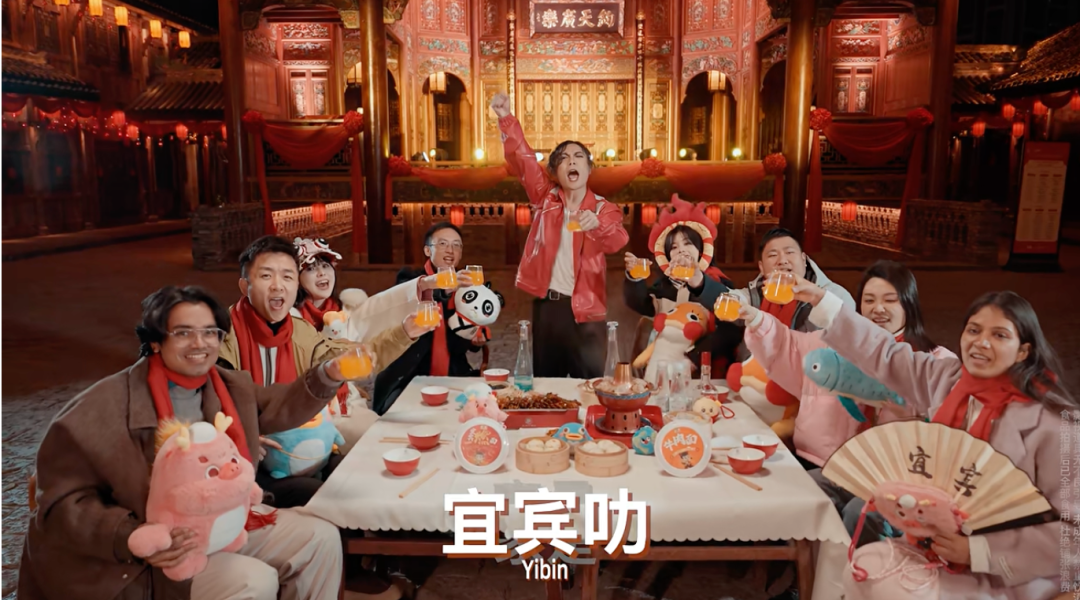
Core Insights - The recent viral travel video from Yibin, which blends local dialects with classic melodies, exemplifies a new trend in cultural tourism promotion, moving from grand narratives to more interactive and relatable expressions [1][3] Group 1: Transformation in Cultural Tourism Promotion - Yibin's cultural tourism success reflects a shift in promotional strategies, emphasizing warmth and interaction over traditional, one-sided narratives [3] - The rise of grassroots initiatives, such as community-driven events, has become a significant driver of this transformation, showcasing local culture in engaging ways [3][4] - The trend indicates a growing consumer demand for experiences that feel authentic and connected to local culture, moving away from generic tourism marketing [4] Group 2: Humanistic Economics and Cultural Empowerment - Humanistic economics, which focuses on human needs and values, aligns with the current trend of upgrading cultural tourism consumption, where visitors seek deeper cultural connections [4] - Successful examples include Yibin's integration of local culture into modern expressions and community sports events that foster local pride and engagement [4] - The phenomenon illustrates the powerful impact of cultural values on driving tourism economics, highlighting the importance of local authenticity [4] Group 3: Government and Market Collaboration - For sustainable growth in the cultural tourism sector, effective collaboration between proactive government initiatives and vibrant market dynamics is essential [5] - Governments play a crucial role in facilitating local creativity and improving infrastructure, as seen in Yibin's support for cultural events and policies [5] - The synergy between government support and market-driven innovation can help overcome challenges of homogenization in the tourism industry, leading to a more vibrant and diverse cultural landscape [5]
(经济观察)春节假期临近 中国消费热度走高
Zhong Guo Xin Wen Wang· 2026-02-05 11:22
Group 1 - The upcoming Spring Festival is driving a surge in consumer activity in China, with increased demand for travel, purchasing of goods, and dining reservations [1] - Many restaurants in Beijing are experiencing high demand for New Year's Eve dinner reservations, with some places fully booked and others requiring customers to queue [2] - The trend of personalized consumption is rising, with services like home-cooked meals and pet care becoming popular choices for families during the holiday season [2] Group 2 - The Spring Festival travel period is expected to see record-high cross-regional movement, with significant increases in railway and air passenger volumes [3] - The extended 9-day holiday allows for more in-depth travel experiences, with many families planning longer trips [3] - Local governments are implementing financial incentives to boost tourism, such as Guangdong's subsidies that have already stimulated nearly 60 million yuan in tourism spending [3] Group 3 - Policy measures are being introduced to enhance consumer spending, including a new program for replacing old consumer goods and the allocation of 625 billion yuan in special long-term bonds [4] - In January, sales of six categories of home appliances and four categories of digital products exceeded 15 million units, generating nearly 59 billion yuan in sales [4] Group 4 - The Ministry of Commerce and other agencies have launched the "2026 Spring Festival Special Activity Plan" to encourage consumption across six key areas: food, accommodation, transportation, travel, shopping, and entertainment [5] - The combination of various policy measures is expected to unlock greater consumer potential during the Spring Festival, setting a positive tone for the overall consumption market in the year ahead [5]
不止于打卡!政协委员献策重庆文旅消费:推动“流量”为“增量”
Zhong Guo Xin Wen Wang· 2026-01-31 10:13
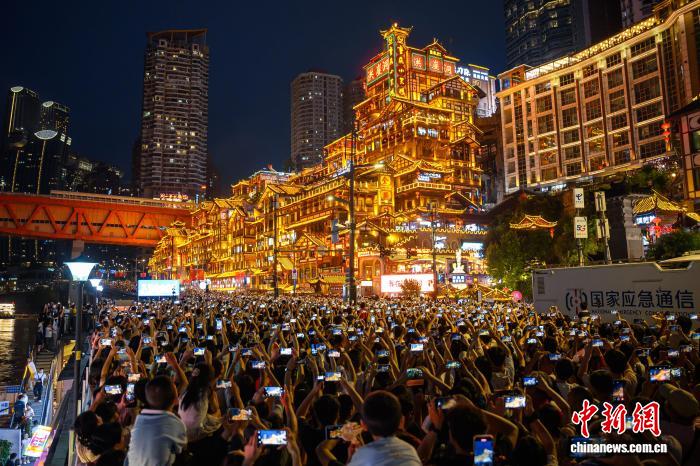
Core Viewpoint - The article discusses the need for Chongqing to enhance its cultural and tourism consumption by transforming visitor "flow" into higher-value "increment" through deeper experiences and sustained prosperity in the tourism industry [1]. Group 1: Current Tourism Landscape - Chongqing has become a leading domestic cultural and tourism destination, characterized by unique scenic spots and vibrant local culture, attracting both domestic and international tourists [1]. - Notable attractions include Hongya Cave, Liziba's track-through-building, Yangtze River cableway, Chongqing Zoo, and Ciqikou Ancient Town, which collectively form a compelling tourism brand for the city [1]. Group 2: Strategies for Improvement - Suggestions from local political advisors include extending the tourism consumption chain, enhancing the capacity of scenic spots, and diversifying tourism product offerings to meet varied consumer demands [3]. - The proposal includes developing new tourism nodes in counties, leveraging high-speed rail to create a "one-hour vacation circle," and introducing cross-regional consumption vouchers to stimulate spending [3]. Group 3: Economic Integration - The integration of cultural tourism with economic and investment activities is seen as crucial for unlocking the value of overseas Chinese resources, enhancing Chongqing's position as an inland open highland [3][4]. - Establishing an international cultural tourism exchange service platform is recommended to connect global Chinese communities and address the challenges of linking tourism with trade and consumption [4]. Group 4: Long-term Value Creation - The focus should shift from short-term "traffic harvesting" to long-term "value co-creation," allowing for a multi-dimensional and multi-layered circulation of tourism value in Chongqing [5]. - Recommendations include forming a city-level "ticket root economy" development alliance to unify various market participants and create a comprehensive points and benefits certification system for seamless consumer experiences [5].
2026年中国股市十大预言
Xin Lang Cai Jing· 2026-01-03 01:17
Core Viewpoint - The Chinese stock market is undergoing structural adjustments and ecological optimization, with a consensus on improving asset quality, market credibility, and fair competition significantly increasing, leading to greater public confidence in increasing holdings of Chinese assets [2][17]. Group 1: Stock Market Predictions - The Shanghai Composite Index is expected to break through 5200 points, supported by stable long-term capital inflow and improved asset quality, with a current P/E ratio of around 17, indicating further upside potential [3][18]. - Quantitative trading will face significant restrictions, with new regulatory rules likely to limit its scope based on market capitalization and turnover rates, and measures will be taken to combat price manipulation and insider trading [4][18]. - The IPO scale is set for moderate expansion, with a focus on supply-demand balance, expecting 100 new listings in 2024 raising 67.55 billion yuan and 116 listings in 2025 raising 131.77 billion yuan, with a notable increase in high-tech companies [5][19][20]. Group 2: Semiconductor and Military Industry - The semiconductor industry is anticipated to experience significant growth, with investments potentially exceeding 500 billion yuan, driven by capital input, industry expansion, and technological breakthroughs, especially in the context of the "AI+ year" [6][20]. - Military concept stocks are expected to see a phase of growth, with China's defense spending remaining around 1.3% of GDP, which is lower than that of major powers, and a moderate increase in the defense budget is anticipated due to geopolitical changes [9][22]. Group 3: Economic and Trade Dynamics - The Sino-US trade relationship is entering a "dual balance" phase, with both governmental and commercial levels maintaining stability in general trade while facing instability in sectors like semiconductors and renewable energy [10][23]. - New consumer scenarios are emerging as investment opportunities, driven by policy support and the rise of the post-2000 consumer demographic, leading to significant growth in technology, digital, cultural tourism, and health-related consumption [11][23]. Group 4: Inflation and Real Estate Market - CPI growth is expected to exceed 1.5%, approaching 2%, with an overall economic growth target of around 5%, supported by fiscal investments and structural optimization of trade [13][25]. - The real estate market is at a turning point, with policies aimed at stabilizing the market and reducing purchasing costs, while also addressing the debt risks of real estate companies [14][26]. Group 5: Regulatory Environment - The capital market will see new measures and initiatives, with a focus on enhancing governance, optimizing the environment, combating illegal activities, and protecting investors, reflecting a commitment to high-quality economic and financial development [15][14].
这些城市,正在大赚老外的周末钱
21世纪经济报道· 2025-11-19 15:05
Core Insights - The number of foreign tourists entering China without a visa is significantly increasing, enhancing the international influence of Chinese cities and boosting tourism foreign exchange revenue [1] - The continuous growth of South Korean tourists is a highlight, with cities like Shanghai, Qingdao, and Zhangjiajie seeing an influx of visitors [1] - Kunming is also popular among South Asian and Southeast Asian tourists, nearing its 2024 annual visitor levels by the third quarter of 2025 [1] Group 1: Shanghai's Tourism Dynamics - Since the implementation of the visa-free policy for South Korean passport holders in November 2024, the number of South Korean tourists in Shanghai has surged, making them the largest source of overnight visitors in 2024 with over 446,000 arrivals [4] - By September 2025, the total number of South Korean tourists in Shanghai reached 619,800, marking a year-on-year increase of 121.09%, solidifying their position as the top inbound tourist group [5] - Factors contributing to this growth include the visa-free policy, low travel costs (approximately 700 RMB for a one-way ticket), and convenient transportation (2-hour flight) [5] Group 2: Qingdao's Challenges - Qingdao has historically attracted South Korean tourists, with 507,900 arrivals in 2019, but recent data shows a decline compared to Shanghai, with only 360,000 arrivals by November 2025 [5] - The city faces pressure to enhance its appeal and attract more South Korean tourists for weekend trips to capitalize on the "weekend economy" [5] Group 3: Kunming's Strategic Goals - Kunming aims to become the "first city for inbound consumption" from South Asia and Southeast Asia, with a focus on enhancing consumer experiences rather than just increasing visitor numbers [7][8] - The city has a strong foundation for attracting tourists from Thailand and Malaysia, with 554,700 and 226,000 visitors respectively in 2019 [8] - As of mid-2025, Kunming's inbound tourist numbers grew by 48.8%, with South Asian and Southeast Asian tourists making up over 60% of the total [9] Group 4: Future Prospects for Other Cities - Cities like Hangzhou and Chengdu are also positioning themselves to attract international tourists through events and improved services [12] - Hangzhou ranked 140th globally for international conferences, indicating its competitive edge in attracting visitors [12] - The overall trend suggests a significant potential for growth in foreign tourist numbers entering China via air travel, driven by expanded visa-free policies and increased international flight routes [13]
扩大服务消费从供需两端发力(权威发布)
Ren Min Ri Bao· 2025-09-17 22:22
Core Viewpoint - The Chinese government has introduced a series of policies aimed at expanding service consumption, which is seen as a crucial driver for economic growth and improving living standards. The measures focus on addressing barriers to service consumption development and enhancing the quality and variety of service offerings [1][2][3]. Group 1: Policy Measures - The policies emphasize a combination of improving people's livelihoods and promoting consumption, including initiatives for high-profile sports events, long-term care insurance, and early childhood education [1]. - The measures advocate for a dual approach of optimizing supply and stimulating demand, proposing pilot projects for new consumption models and enhancing consumer credit support [2]. - The government aims to balance external openness and internal deregulation, encouraging foreign investment in service sectors while reducing market entry barriers for domestic and foreign businesses [2]. Group 2: Market Performance - In the first half of the year, over 19 million foreign visitors entered China, marking a 30% increase year-on-year, with visa-free entries rising by 54% [3]. - The number of duty-free shops has tripled compared to the end of 2024, with a 248% increase in the number of people benefiting from duty refunds and a 98% rise in refund sales [3]. Group 3: Service Quality Enhancement - The government plans to enhance service supply quality by promoting innovation in service sectors, integrating various consumption formats, and increasing the availability of skilled service personnel [4]. - The Ministry of Culture and Tourism aims to improve tourism services and experiences through initiatives like the "Strong Foundation Renewal Action" for tourist attractions and promoting diverse tourism products [5]. Group 4: Financial Support - The People's Bank of China has established a 500 billion yuan fund to support service consumption and elderly care, with significant loan applications already submitted by financial institutions [5]. - As of July, the loan balance in key service consumption sectors reached 2.79 trillion yuan, reflecting a year-on-year growth of 5.3% [5].
把握宏观经济治理大脉络 ——对话中国社会科学院金融研究所所长张晓晶
Jing Ji Ri Bao· 2025-05-13 21:49
Group 1 - The overall economic performance in the first quarter showed a growth rate of 5.4%, exceeding market expectations, indicating a positive trend despite complex internal and external environments [2][3][4] - Key highlights include rapid growth in consumption, particularly in service and development-oriented consumption, with significant contributions from sectors like tourism and digital services [2][3] - Investment in high-tech industries has also seen double-digit growth, reflecting a shift in economic structure and the emergence of new productive forces [3][4] Group 2 - The implementation of a package of incremental policies in September 2022 played a crucial role in stabilizing the economy, with ongoing macro policy adjustments signaling a commitment to economic stability [4][5] - The government has set a consumer price index (CPI) target of around 2% for the year, down from 3%, to enhance the credibility and operability of macroeconomic policies [6][7] - The government aims to balance active fiscal policies with debt risk management, leveraging its relatively healthy balance sheet to stimulate domestic demand [7][8] Group 3 - The "Special Action Plan to Boost Consumption" includes 30 specific measures aimed at enhancing consumer confidence and spending capacity, focusing on various sectors including tourism and entertainment [9][10] - The emphasis on high-quality supply in services, particularly in telecommunications, healthcare, and education, is crucial for creating effective demand and promoting consumption [11][12] - The government is encouraged to adopt a dynamic approach to policy adjustments, ensuring timely and effective responses to economic conditions [12][13] Group 4 - The relationship between government and market dynamics is evolving, with a focus on enhancing government roles in facilitating market integration and providing public goods [18][19] - The balance between total supply and demand is critical, with a current emphasis on expanding domestic demand, particularly consumption, as a primary driver of economic growth [20][21] - The new "three drivers" of economic growth focus on residents, enterprises, and government, highlighting the importance of consumer spending, private investment, and proactive government policies [22][23]
“五一”假期数据一览:消费市场显韧性,新兴消费势头良好
BOCOM International· 2025-05-09 02:35
Consumption Trends - During the 2025 "May Day" holiday, domestic travel reached 314 million trips, a year-on-year increase of 6.4%[1] - Total spending by tourists was 180.27 billion RMB, up 8.0% year-on-year, with an average spending of 574.1 RMB per person, a slight increase of 1.5%[1] - Restaurant and retail revenues showed significant growth due to consumer promotion policies and holiday effects[1] Travel and Transportation - Cross-regional travel volume reached 1.467 billion trips from May 1 to May 5, with a daily average of 293 million trips, marking an 8% increase year-on-year[2] - Road travel accounted for 1.344 billion trips, a 7.6% increase, while rail travel saw a 10.8% increase with 102 million trips[2] Tourism Insights - Long-distance travel orders increased significantly, with destinations like Haikou and Yining seeing over 130% growth[3] - County-level tourism grew by 25% year-on-year, outpacing growth in higher-tier cities by 11 percentage points[3] Accommodation Preferences - Economic hotel bookings surged by 80% year-on-year, while high-end hotel bookings only increased by 15%[6] - Overall hotel occupancy rates exceeded 84%, reflecting a preference for cost-effective lodging options[6] Dining and Retail Performance - Key retail and dining enterprises reported a 6.3% increase in sales, with consumer vouchers playing a significant role in boosting restaurant revenues[7] - Retail sales of home appliances, automobiles, and communication devices grew by 15.5%, 13.7%, and 10.5% respectively during the holiday[8] Movie Industry Performance - Box office revenue during the holiday was 747 million RMB, down 51.1% year-on-year, primarily due to limited film supply[9]