
养老保障体系

Search documents
求解14亿国人养老:如何共担?花费多少?
3 6 Ke· 2025-12-25 09:55
Core Viewpoint - The increasing attention on elderly care in China highlights the need for a dignified aging process as the population ages, necessitating a multi-tiered pension system to address the growing demands for elderly care and medical services [1][4]. Group 1: Roles in Pension System - The government is seen as the "safety net" and "navigator," responsible for ensuring basic pensions for all and gradually reducing the pension gap between urban and rural areas [3][4]. - The market is expected to act as the "provider" and "enabler," offering diverse financial products to meet varying income and risk preferences [5][6]. - Individuals must cultivate a proper understanding of retirement planning and actively participate in their pension investments [5][6]. Group 2: Pension System Structure - China's pension system consists of three pillars: the first pillar is the basic pension insurance initiated by the state, the second pillar includes enterprise and occupational annuities, and the third pillar comprises personal pensions and other commercial pension financial products [5][6]. - The second and third pillars serve as effective supplements to the first pillar, which is primarily government-funded [5]. Group 3: Market Demand and Service Innovation - The aging population and diverse needs are driving new demands for pension services, as evidenced by the success of integrated medical and elderly care facilities in urban areas [6]. - There is a prediction that the pension service market will undergo several iterations in the next 30 years to adapt to changing elderly consumer needs [6]. Group 4: Personal Pension Development - The personal pension system, launched in November 2022, is gradually expanding, with over 150 million accounts opened by June 2025 [7]. - However, the actual contribution levels remain low compared to the annual contribution limit of 12,000 yuan, indicating a need for improvement in participation [8]. Group 5: Tax Incentives and Policy Recommendations - Tax incentives play a crucial role in the development of the pension system, with suggestions to enhance tax support for the second and third pillars to encourage more savings [9][11]. - Recommendations include increasing the annual contribution limit for personal pensions to better meet long-term savings needs [11]. Group 6: Retirement Planning Strategies - Various strategies for retirement planning were discussed, including the "4% rule" for annual spending and the "25 times rule" for asset accumulation to cover retirement shortfalls [12][13]. - The importance of using scientific tools for retirement calculations and considering different living arrangements based on financial conditions was emphasized [12][13].

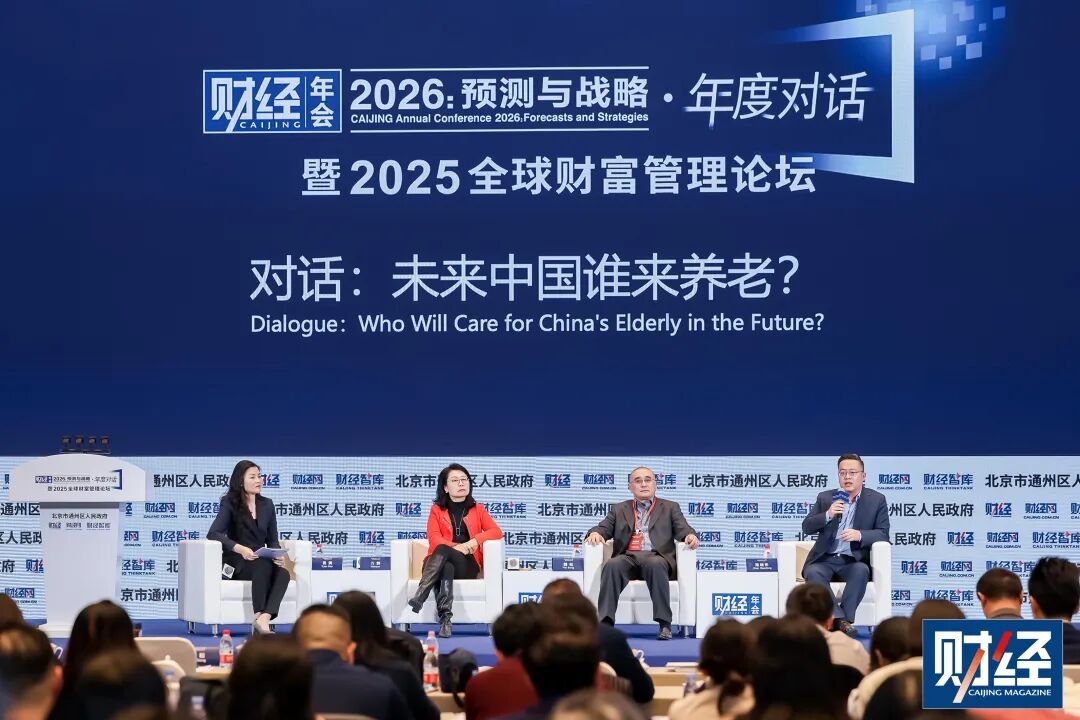
招商信诺张鹏:商业保险在多层次医疗、养老保障体系中应有更大作为
Xin Lang Cai Jing· 2025-12-22 01:53
Core Viewpoint - The "2025 China Insurance Summit Forum" focuses on the theme "'14th Five-Year Plan' Launching and Mapping the Insurance Blueprint," discussing high-quality development paths for the insurance industry during the "14th Five-Year Plan" period [1][6]. Group 1: Forum Overview - The forum was co-hosted by Zhongbao Xinzhi and the New Era Insurance Research Institute, with academic guidance from several universities [1][6]. - Nearly a hundred representatives from the "China Insurance Peak 108" and experts from financial regulation, academia, and corporate leadership participated in the discussions [1][6]. Group 2: Industry Challenges and Opportunities - Zhang Peng, COO of China Merchants Jinling Life Insurance, emphasized the insurance industry's critical role amid deepening population aging, highlighting its collective financing model and long-term capital management advantages for planning health and retirement expenditures over decades [4][8]. - The integration of medical, health, and elderly care (医康养) is seen as an area where insurance can provide long-term financial security and enhance risk management, promoting collaboration with medical institutions [4][8]. Group 3: Technological Impact and Market Potential - Technological advancements have improved disease treatment capabilities but have also led to rising treatment costs, necessitating insurance innovation to help clients manage medical expenses and access quality healthcare resources [5][8]. - The insurance sector is still in the early stages of integrating health services and protection management, indicating significant future growth potential [5][8]. Group 4: Government Policy and Market Environment - Zhang noted that the Chinese government has made positive strides in healthcare reform and the design of the medical and elderly care system, establishing a universal basic medical insurance network [9]. - There is a call for a clear and predictable policy environment to facilitate the integration of commercial insurance with social security, aiming to build a sustainable multi-tiered medical and pension protection system [9].

截至12月19日产品目录达1257只 个人养老金投资选择更加丰富
Jing Ji Ri Bao· 2025-12-20 02:24
Core Viewpoint - The personal pension system in China has been fully implemented nationwide after three years of pilot programs, providing diverse retirement security options for citizens [1][2]. Group 1: System Development - The personal pension system is a government-supported, voluntary, and market-operated supplementary pension insurance system, forming the third pillar of China's multi-tiered pension insurance framework [2]. - The system was officially launched in November 2022 in 36 cities, with nationwide implementation announced in December 2024 [2]. - The system aims to complement basic pension insurance and employer-sponsored pensions, creating a multi-layered structure of "basic security + employer supplement + personal savings" [3]. Group 2: Product Supply Optimization - Since the implementation of the personal pension system, the range of pension products has expanded, now including savings deposits, financial products, commercial pension insurance, public funds, government bonds, and specific pension savings [4]. - As of December 19, the personal pension product catalog includes 1,257 products, with 466 in savings, 446 in insurance, 308 in funds, and 37 in financial products [4]. - The inclusion of electronic government bonds enhances the investment options available, catering to various risk preferences and improving the system's inclusivity [5]. Group 3: Challenges and Recommendations - Despite over 72 million personal pension accounts opened, actual contributions and investments remain low, indicating a need for increased public awareness and motivation for long-term pension planning [6]. - Factors contributing to the low engagement include insufficient public understanding of the system, market volatility affecting product returns, and limited appeal of the tax incentives for higher-income individuals [6]. - Recommendations include optimizing tax incentives, enhancing liquidity options, and simplifying the investment process to encourage active participation in personal pension planning [7].
中新健康丨长护险“加速跑” 专家:走进每个失能老人家庭是必然
Zhong Guo Xin Wen Wang· 2025-12-17 09:10
Core Viewpoint - The implementation of long-term care insurance (LTCI) is essential in addressing the challenges posed by an aging population and the increasing number of disabled elderly individuals in China, as highlighted in the recent Central Economic Work Conference [1][4]. Group 1: Importance of Long-Term Care Insurance - LTCI is crucial for alleviating the pressure on families caused by aging and disability risks, particularly for the elderly population [2]. - By the end of 2024, the population aged 60 and above in China is projected to reach 310 million, accounting for 22% of the total population, with 220 million aged 65 and above, representing 15.6% [1]. - The number of disabled elderly individuals is currently around 35 million, which is 11.6% of the total elderly population, and is expected to rise to 46 million by 2035 [3]. Group 2: Policy Developments and Coverage - As of July this year, the LTCI system has covered 190 million people, with expenditures exceeding 85 billion yuan [4]. - The National Healthcare Security Administration has introduced a trial service project directory for LTCI, outlining 36 service items [4]. - The "14th Five-Year Plan" emphasizes the promotion of LTCI and the establishment of a care system for disabled and cognitively impaired elderly individuals [4]. Group 3: Future Outlook and Economic Impact - Experts predict that the period from 2025 to 2027 may witness significant growth in the elderly care industry and the silver economy [6]. - The comprehensive implementation of LTCI is seen as a key measure for building a more complete pension security system, which could also stimulate the silver economy [5].
养老不能只靠退休金,你的“第三支柱”搭好了吗?
2 1 Shi Ji Jing Ji Bao Dao· 2025-12-09 13:19
Core Insights - The personal pension system in China, recognized as the "third pillar" of retirement planning, is gaining significant attention as it approaches its third anniversary, with over 70 million investors participating [1][3][4] Group 1: Importance of the Personal Pension System - The personal pension system is essential for addressing retirement concerns, as the basic pension only provides a minimal safety net, necessitating a stronger third pillar for maintaining living standards [3][5] - The implementation of the personal pension system in November 2022 marked a significant step in establishing a robust retirement framework in China [3][6] Group 2: Growth and Participation - As of November 25, 2025, there are 1,245 personal pension products available, including various financial instruments such as savings, insurance, and funds, reflecting a growing awareness of self-directed retirement planning among the populace [6] - By November 2024, the number of personal pension accounts exceeded 72.79 million, with total contributions reaching several hundred billion yuan, indicating a collective awakening to the importance of personal retirement savings [6] Group 3: Benefits of Personal Pension - The personal pension system offers three unique values: tax benefits, long-term investment advantages, and professional management, which together create a comprehensive investment framework for retirement [7][8] - Tax benefits allow individuals to deduct up to 12,000 yuan from their taxable income, potentially saving up to 5,400 yuan annually for higher-income earners [8] - Long-term investment strategies help individuals avoid impulsive spending, ensuring funds are preserved for retirement [8] Group 4: Investment Strategy - Investors are encouraged to open personal pension accounts, contribute annually, and select suitable financial products based on their risk tolerance and investment knowledge [9][10] - The recommended approach includes a long-term investment mindset, trust in professional management, and consistent contributions to smooth out market fluctuations [10]
龙格:商业保险年金可在传统产品基础上,同步推进变额年金、指数型万能、即期年金三大创新方向
Xin Lang Cai Jing· 2025-12-06 10:39
Core Insights - The forum on social security and the release of the "China Pension Development Report 2025" highlighted the limitations of the second pillar of the pension system and the lack of competitiveness in commercial insurance products [3][7] - The need for innovation in commercial annuities was emphasized, with three key directions proposed to meet diverse customer needs [4][8] Group 1: Innovation Directions for Commercial Annuities - The first direction is Variable Annuities (VA), which are mainstream in foreign markets and expected to become prevalent in China's third pillar, requiring policy support and industry collaboration [4][7] - The second direction is Indexed Universal Life Insurance, which offers a minimum guaranteed interest rate, enhancing consumer confidence in purchasing these products [8] - The third direction is Immediate Annuities, which can be accessed by individuals nearing retirement age, with some companies already offering products allowing purchases for those aged 55 and above [4][8] Group 2: Future Projections - The combination of these innovations, along with traditional products, could lead to the third pillar surpassing both the first and second pillars of the pension system in China [4][8]

制度细节蕴藏城市温度
Jing Ji Ri Bao· 2025-12-01 00:57
Core Viewpoint - The newly revised "Shanghai Senior Citizens' Rights Protection Regulations" introduces caregiver leave for employees with elderly family members, reflecting a shift in urban governance from basic survival rights to enhancing public welfare and addressing the challenges of an aging population and smaller family structures [1][3]. Group 1: Policy Details - The caregiver leave allows for up to 5 working days per year for employees with elderly family members, and 7 days for only children, addressing the common dilemma faced by working individuals with aging parents [1][2]. - The leave can be taken all at once or in parts, accommodating the uncertainty of hospitalization periods, and provides clear guidelines for employees on the necessary documentation [2]. - The policy applies to all employed individuals in Shanghai, regardless of the elderly person's residency or hospitalization location, promoting inclusivity and fairness in a large city [2]. Group 2: Broader Implications - This regulation is part of a broader effort to develop a comprehensive elderly care service system in Shanghai, integrating long-term care insurance, community-based elderly care, and age-friendly modifications [3]. - The initiative aims to balance family caregiving responsibilities with workplace demands, fostering a culture of filial piety while alleviating the burden on families [3]. - Challenges remain in ensuring effective implementation across various types of enterprises, particularly small and medium-sized businesses, and preventing potential barriers to employees' rights [3]. Group 3: Societal Impact - The caregiver leave policy represents a compassionate institutional exploration, highlighting the city's commitment to facilitating filial duties and enhancing the quality of life for its citizens [4].
周小川:养老保障政策制定要充分考虑企业的实际情况 |直击外滩年会
Jing Ji Guan Cha Bao· 2025-10-24 05:45
Group 1 - The first pillar of China's pension system is not merely a universal safety net, as it is closely linked to contribution years and bases, with recent changes extending the minimum contribution period from 15 to 20 years, indicating a strong actuarial and contribution-related component [1] - There is a need for clarity in defining the three-pillar system in China, as differing definitions can lead to confusion in international comparisons [1] - The second pillar's potential for mandatory contributions is supported, drawing parallels to Hong Kong's mandatory "MPF" system established post-1997 [1] Group 2 - The first pillar is crucial for broad population coverage and is tied to stimulating consumption, raising concerns about funding sources for potential pension increases [2] - The discussion around pension coverage for farmers highlights historical disagreements on whether their pensions should rely solely on land or include state support, leading to current low pension levels for this demographic [2] - Corporate interests and burdens related to social security contributions are often overlooked, as excessive costs can undermine competitiveness, prompting companies to voice concerns about contribution rates [3] Group 3 - The potential extension of retirement age raises concerns for companies regarding the productivity and health of older employees, necessitating careful policy consideration [3] - The impact of artificial intelligence on income distribution is a pressing issue, with current mechanisms failing to allocate the efficiency gains and GDP increases from AI to the pension system, highlighting a need for further research [3]
2025社保与养老金融论坛聚焦 “高质量低成本” 健康保障之路
Xin Hua Cai Jing· 2025-09-21 14:54
Core Viewpoint - The "2025 Social Security and Pension Finance International Summit Forum" held in Shanghai emphasizes the importance of advancing the Healthy China strategy and achieving high-quality development in social security as critical issues for national welfare and social stability [1][2]. Group 1: Current Challenges in Social Security - China's aging population is accelerating, leading to a growing demand for quality health services and a reinforcement of traditional family caregiving roles, highlighting a mismatch between the increasing health security needs of the elderly and the existing social security system's adaptability [2]. - The current pension system faces three major bottlenecks: significant disparities in basic pension benefits across regions and urban-rural areas, a narrow coverage of enterprise annuities, and low participation in third-pillar pension financial products [2][5]. Group 2: Proposed Solutions and Innovations - Financial technology is suggested as a means to reconstruct the pension ecosystem, utilizing AI and big data for dynamic analysis of user needs and personalized asset allocation [3]. - A unified national health information platform is recommended to manage health throughout the life cycle, supported by wearable devices and cloud technology [3]. - The need for a dual approach to address the challenges of the aging population is emphasized, focusing on both supply-side technological innovations and demand-side consumption upgrades [6]. Group 3: International Perspectives and Economic Implications - The silver economy is viewed as a potential driver for global growth, with China's approach to aging governance providing valuable insights for other countries [2]. - The aging population impacts the economy through reduced labor supply, lower savings and investment rates, and diminished innovation capacity [6]. Group 4: Research and Policy Developments - The establishment of a comprehensive evaluation index system for the "Healthy China" initiative aims to enhance health levels and promote a healthy lifestyle [6]. - The release of the "Shanghai Social Security Reform and Development Report (2025)" outlines innovative practices and policy recommendations in social security and pension finance [6].
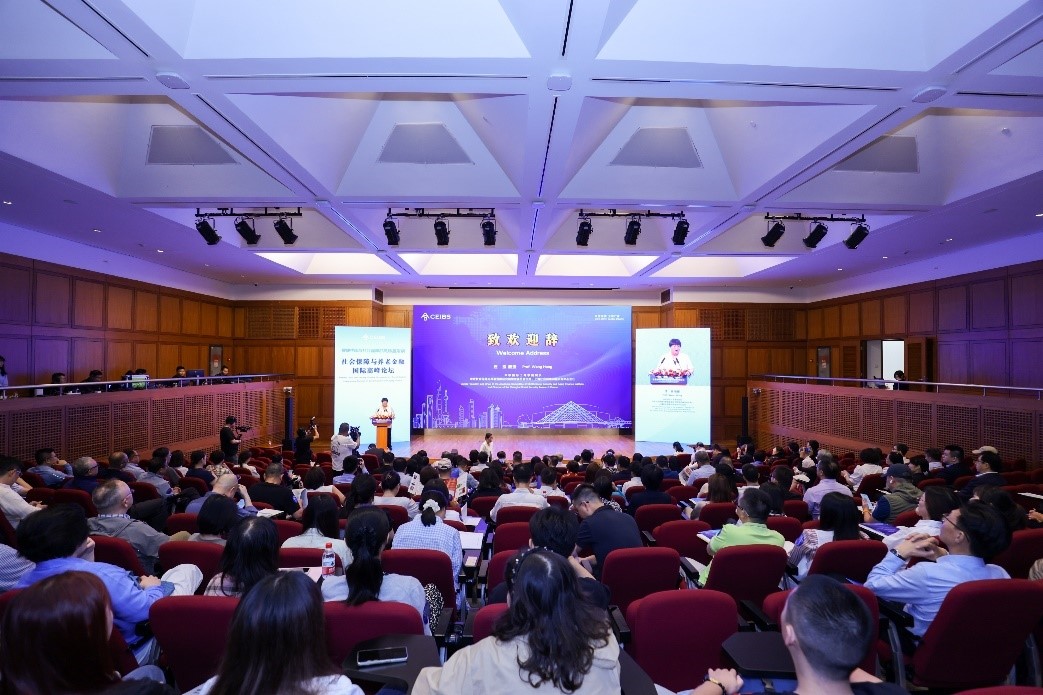
刘世锦:城乡居民养老金差30倍,建议建立差距缩小的养老保障体系
和讯· 2025-08-21 09:27
Core Viewpoint - The insufficient pension gap will impact consumption growth for about half of China's population, necessitating structural reforms to enhance consumer spending and address the needs of low-income groups [2][4]. Group 1: Pension System and Economic Impact - The current pension system shows a significant disparity, with urban civil servants receiving an average pension of over 6000 yuan, while rural farmers receive only about 200 yuan, leading to a disparity of nearly 30 times [4]. - Addressing the pension gap is crucial as it will affect consumption growth, which is vital for overall economic stability [4][5]. Group 2: Proposed Solutions - It is suggested to allocate a large scale of state-owned equity capital to social security funds and engage in capital market operations to create a sustainable pension system [5][6]. - The plan includes two phases: first, increasing rural pensions from 200 yuan to 620 yuan by 2025, and then to 1000 yuan within two years to align with urban pension levels [5][6]. Group 3: Economic Growth Projections - Implementing the proposed pension reforms could generate an additional demand of 8.3 trillion yuan over the next five years, potentially increasing GDP growth by 0.3 to 0.5 percentage points annually [5][6]. - The ratio of urban to rural pensions is expected to decrease from 15:1 to 3.5:1, which would help in narrowing the income gap [6]. Group 4: Capital Market Stability - Transferring state-owned capital to social security funds could stabilize the Chinese capital market, which has been historically volatile due to a lack of institutional investors like pension funds [6]. - If implemented, pension assets could account for over 20% of the stock market, reducing the gap with developed countries and contributing to long-term market stability [6].
