分配结构优化

Search documents
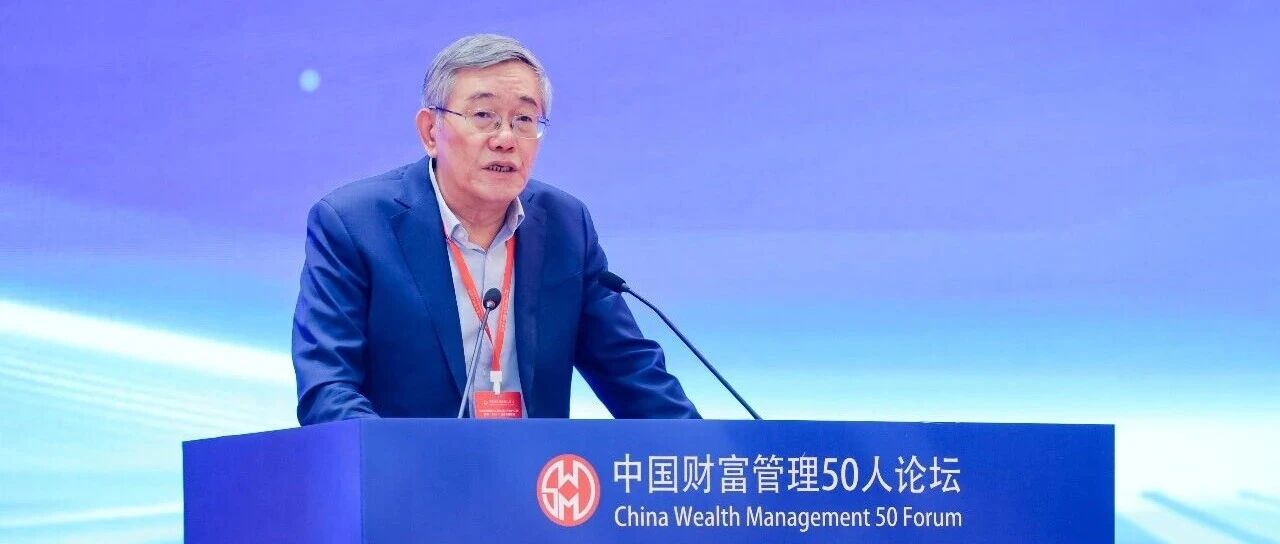
杨伟民:“十五五”期间经济保持合理增长需多领域取得重大突破
Bei Ke Cai Jing· 2025-12-27 11:14
Group 1 - The core viewpoint emphasizes the importance of promoting price recovery as a key objective during the "14th Five-Year Plan" period, particularly in the early stages of macroeconomic regulation [1] - The central economic work conference this year highlighted that the overall tone of macroeconomic regulation is to promote stable economic growth and reasonable price recovery, with monetary policy aimed at facilitating this price recovery [1] - Yang Weimin predicts that economic growth rates need to reach approximately 4.5% during the "14th Five-Year Plan" period and around 4% during the "15th Five-Year Plan," with an average growth rate of about 4.2% from 2025 to 2035 [1] Group 2 - The current focus on developing new productive forces is seen as crucial for China to succeed in the global technological revolution and industrial transformation [2] - The "14th Five-Year Plan" aims to target digitalization and low-carbon initiatives, accelerating breakthroughs in key core technologies and addressing critical technological bottlenecks [2] - To ensure economic growth remains within a reasonable range, there is a need to significantly increase the consumption rate of residents, as expanding total demand of 35 trillion yuan must largely come from increased household consumption [2] Group 3 - Optimizing the distribution system and structure is essential for comprehensive development and common prosperity, which directly impacts the increase in the consumption rate and the ability to maintain reasonable economic growth [2] - A significant breakthrough in optimizing the distribution structure is indicated by a noticeable increase in the proportion of per capita disposable income of residents relative to national income [2]
杨伟民:化解供强需弱主要矛盾的症结在于分配
Sou Hu Cai Jing· 2025-12-27 05:11
Core Viewpoint - The key issue in resolving the contradiction between strong supply and weak demand during the "14th Five-Year Plan" period lies in distribution, necessitating significant breakthroughs in optimizing the distribution structure [2] Group 1: Distribution and Economic Growth - The supply structure is a function of the demand structure, which in turn is a function of the income structure; a low proportion of resident income in national income leads to low consumption rates [2] - Optimizing the distribution structure is crucial for comprehensive development and common prosperity, as well as for increasing the resident consumption rate and maintaining economic growth within a reasonable range [2] - The "14th Five-Year Plan" suggests implementing a plan to increase income for urban and rural residents, effectively raising the income of low-income groups and steadily expanding the middle-income group [3] Group 2: Policy Recommendations - Policies should gradually shift from stimulating consumption to adjusting income distribution, including raising minimum wage standards and increasing ordinary employees' wages [3] - The focus of redistribution should be on enhancing the income of low-income groups through increased taxation, social security, and transfer payments, aiming for a faster growth rate of per capita disposable income than economic growth [3] Group 3: Economic Growth Targets - Economic growth should maintain an average annual growth rate of 4.17% from 2025 to 2035, with a target of achieving per capita GDP at the level of moderately developed countries by 2035 [3] - The expected growth rate for the "14th Five-Year Plan" period is around 4.5%, while the "15th Five-Year Plan" period is projected at 4%, leading to an average of approximately 4.2% over the decade [4] Group 4: Challenges and Considerations - The nominal growth rate must remain above 4.5%, as nominal growth has been lower than actual growth since 2023, with a negative GDP deflator index [4] - The growth of urban resident income, corporate profits, and fiscal revenue has been lower than economic growth, exacerbating the issue of insufficient domestic demand [4] - The macroeconomic regulation during the "14th Five-Year Plan" period must prioritize promoting price recovery as a key objective [4]

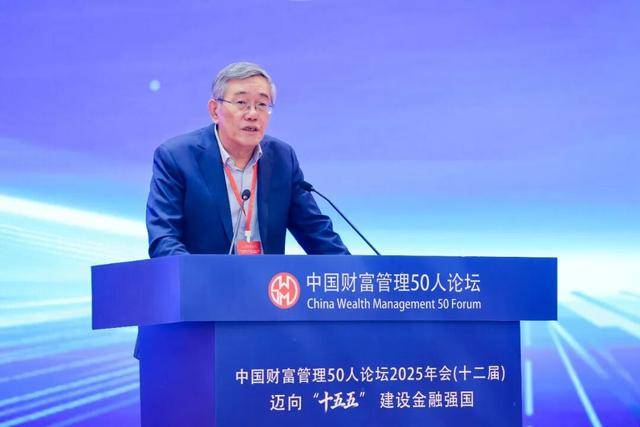
杨伟民:化解供强需弱主要矛盾的症结在于分配
和讯· 2025-12-27 04:47
Group 1 - The core viewpoint emphasizes that resolving the supply-demand imbalance during the "14th Five-Year Plan" period hinges on optimizing the distribution structure, which is crucial for enhancing residents' disposable income and sustaining economic growth within a reasonable range [2][4] - The "14th Five-Year Plan" suggests implementing a rural and urban resident income increase plan aimed at effectively raising the income of low-income groups and steadily expanding the middle-income group, while also addressing excessive incomes and illegal earnings to promote an olive-shaped distribution pattern [2][4] - The article highlights that policies should not only focus on expanding demand and optimizing supply but also on improving distribution, creating a cohesive system of supply, demand, and distribution policies to foster a consumption-driven economic development model [2][3] Group 2 - It is proposed that consumption-stimulating policies should gradually shift towards income distribution adjustment policies, including raising minimum wage standards and enhancing ordinary employees' wages, while increasing the intensity of tax, social security, and transfer payments to boost low-income groups' income [3][4] - Economic growth is expected to maintain an average annual growth rate of 4.17% from 2025 to 2035, with a target of 4.5% during the "14th Five-Year Plan" period and 4% during the "15th Five-Year Plan" period, leading to an average of approximately 4.2% over the decade [5][6] - The article stresses the importance of nominal growth remaining above 4.5%, as since 2023, nominal growth in China has been lower than actual growth, which has exacerbated the imbalance between supply and demand and contributed to insufficient domestic demand [5][6]