名义增长

Search documents
波黑2025年12月平均净工资1633马克
Shang Wu Bu Wang Zhan· 2026-02-25 13:28
Core Insights - The average net salary in Bosnia and Herzegovina for December 2025 is reported to be 1633 marks, with a nominal month-on-month increase of 2.1% and a real increase of 2.0% [1] - Year-on-year, the nominal salary growth is 14.2%, while the real growth stands at 9.7% [1] Industry Analysis - The Information and Communication Technology (ICT) sector leads with the highest average net salary of 2211 marks [1] - The Financial and Insurance sector follows closely with an average net salary of 2188 marks [1] - The Electricity, Gas, and Steam Supply sector has an average net salary of 2068 marks [1] - The Accommodation and Food Services sector has the lowest average net salary at 1157 marks [1] - The Construction sector has an average net salary of 1287 marks, while the Wholesale, Retail, and Automotive Repair sector stands at 1347 marks, ranking third from the bottom [1] Overall Salary Trends - The national average gross salary in December last year was 2538 marks, with a year-on-year nominal increase of 14.5% and a real increase of 10.0% [1]
【广发宏观钟林楠】货币弹性下降,定价矛盾切换:2026年流动性环境展望
郭磊宏观茶座· 2026-01-16 05:35
Group 1 - The monetary policy in 2025 is expected to be moderately loose, with lower rates of cuts compared to 2023-2024, primarily focused in the second quarter due to external shocks and a combination of resilient exports, proactive fiscal policy, and industrial highlights enhancing growth resilience [1][11][12] - Structural tools have formed a framework to support key areas such as consumption and real estate, with a focus on optimization in 2026, including streamlining the number of tools and expanding counterparties to include non-bank institutions [15][16] - The policy framework is shifting towards interest rate regulation, with a focus on narrowing the width of the short-term interest rate corridor, which currently has a width exceeding 200 basis points [2][18][19] Group 2 - Narrowing the interest rate corridor is expected to stabilize liquidity expectations and reduce short-term interest rate volatility, which is crucial for improving the interest rate transmission mechanism [20][21] - The narrow liquidity in 2025 is projected to gradually loosen after the first quarter, with potential tightening risks due to credit exceeding acceptable levels and unexpected exchange rate fluctuations [23][24] - The systemic convergence of narrow liquidity fluctuations since 2016 is attributed to increased exchange rate marketization and changes in intermediary targets, leading to a more stable monetary supply [26][27] Group 3 - In 2025, the growth of M1 is expected to increase by 3.6 percentage points, driven mainly by fiscal expansion and overseas net income, although the micro-level activation of funds remains limited [32][33] - The growth of M2 is projected to rise by 0.7 percentage points in 2025, supported by fiscal expansion and a decrease in bond issuance, but may slow down in 2026 due to uncertainties in the banking sector [42][43] - The total amount of remaining liquidity is expected to increase by approximately 0.7 trillion yuan in 2025, primarily flowing into private equity funds and fixed-income assets, but significant expansion in 2026 is unlikely [45][48][49]


2026首周行情利好,躁动的资本能走多远?
Sou Hu Cai Jing· 2026-01-11 14:03
Group 1 - Global stock markets, commodities, and credit markets have shown strong performance in the first trading week of 2026, with the S&P 500 index rising 1.6% to reach a historical high and the Russell 2000 small-cap index surging 4.6% [2] - The A-share market has also performed exceptionally well, with the Shanghai Composite Index breaking through 4100 points and achieving a "16 consecutive days of gains," with a single-day trading volume reaching 3.15 trillion yuan, marking the fifth highest in history [2][5] - The commodities market has seen significant movements, with oil experiencing its largest single-day increase since October of the previous year, silver rising 10% over the week, and gold nearing historical highs [2] Group 2 - Short-term liquidity is identified as a key factor driving asset prices, with the Federal Reserve's balance sheet expansion and fiscal account releases potentially bringing about approximately $600 billion in liquidity in the first quarter [3] - The market sentiment has shifted from defensive assets to cyclical stocks and high-risk varieties, supported by policies from the Trump administration [3] Group 3 - There is a noted disconnect between current optimistic sentiment and the underlying fundamentals, raising concerns about potential market volatility due to future expectation adjustments [4] - The A-share market's performance is characterized by a broad-based rally, with over 3900 stocks rising, indicating a healthier market structure compared to previous years [18] Group 4 - The significant increase in trading volume and financing balance suggests that new capital, particularly leveraged funds, is actively positioning for a new economic cycle rather than engaging in speculative behavior at market peaks [19][20] - The market is undergoing a healthy rotation of funds, with outflows concentrated in previously high-performing sectors while inflows are directed towards emerging sectors like media and home appliances [21][22] Group 5 - The current market environment is seen as a historical resonance point between "stock optimization" and "new capital entry," with domestic institutions actively reallocating assets while new capital is being attracted to the market [23] - The upcoming period is expected to maintain a favorable environment for bullish sentiment, supported by a friendly monetary environment and expectations of policy support ahead of important domestic meetings [26] Group 6 - Post-Spring Festival, the market is anticipated to transition into a highly structured value discovery process rather than a broad-based bull market, focusing on sectors that resonate with "global nominal growth" [27][28] - Key sectors include high-end manufacturing that can capture overseas capital expenditure needs, as well as traditional industries undergoing necessary adjustments that may present unexpected investment opportunities [30][32]

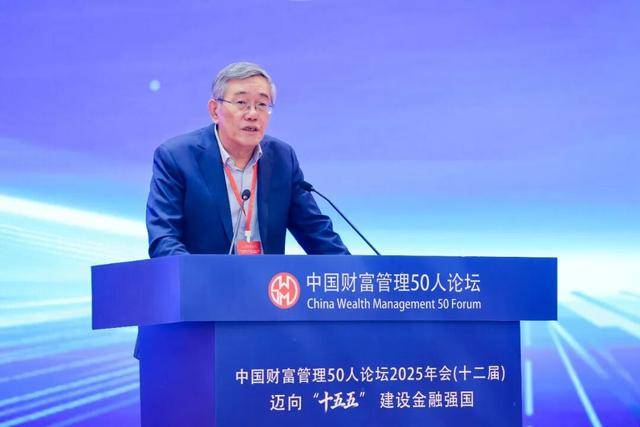
杨伟民:化解供强需弱主要矛盾的症结在于分配
Sou Hu Cai Jing· 2025-12-27 05:11
Core Viewpoint - The key issue in resolving the contradiction between strong supply and weak demand during the "14th Five-Year Plan" period lies in distribution, necessitating significant breakthroughs in optimizing the distribution structure [2] Group 1: Distribution and Economic Growth - The supply structure is a function of the demand structure, which in turn is a function of the income structure; a low proportion of resident income in national income leads to low consumption rates [2] - Optimizing the distribution structure is crucial for comprehensive development and common prosperity, as well as for increasing the resident consumption rate and maintaining economic growth within a reasonable range [2] - The "14th Five-Year Plan" suggests implementing a plan to increase income for urban and rural residents, effectively raising the income of low-income groups and steadily expanding the middle-income group [3] Group 2: Policy Recommendations - Policies should gradually shift from stimulating consumption to adjusting income distribution, including raising minimum wage standards and increasing ordinary employees' wages [3] - The focus of redistribution should be on enhancing the income of low-income groups through increased taxation, social security, and transfer payments, aiming for a faster growth rate of per capita disposable income than economic growth [3] Group 3: Economic Growth Targets - Economic growth should maintain an average annual growth rate of 4.17% from 2025 to 2035, with a target of achieving per capita GDP at the level of moderately developed countries by 2035 [3] - The expected growth rate for the "14th Five-Year Plan" period is around 4.5%, while the "15th Five-Year Plan" period is projected at 4%, leading to an average of approximately 4.2% over the decade [4] Group 4: Challenges and Considerations - The nominal growth rate must remain above 4.5%, as nominal growth has been lower than actual growth since 2023, with a negative GDP deflator index [4] - The growth of urban resident income, corporate profits, and fiscal revenue has been lower than economic growth, exacerbating the issue of insufficient domestic demand [4] - The macroeconomic regulation during the "14th Five-Year Plan" period must prioritize promoting price recovery as a key objective [4]
杨伟民:化解供强需弱主要矛盾的症结在于分配
和讯· 2025-12-27 04:47
Group 1 - The core viewpoint emphasizes that resolving the supply-demand imbalance during the "14th Five-Year Plan" period hinges on optimizing the distribution structure, which is crucial for enhancing residents' disposable income and sustaining economic growth within a reasonable range [2][4] - The "14th Five-Year Plan" suggests implementing a rural and urban resident income increase plan aimed at effectively raising the income of low-income groups and steadily expanding the middle-income group, while also addressing excessive incomes and illegal earnings to promote an olive-shaped distribution pattern [2][4] - The article highlights that policies should not only focus on expanding demand and optimizing supply but also on improving distribution, creating a cohesive system of supply, demand, and distribution policies to foster a consumption-driven economic development model [2][3] Group 2 - It is proposed that consumption-stimulating policies should gradually shift towards income distribution adjustment policies, including raising minimum wage standards and enhancing ordinary employees' wages, while increasing the intensity of tax, social security, and transfer payments to boost low-income groups' income [3][4] - Economic growth is expected to maintain an average annual growth rate of 4.17% from 2025 to 2035, with a target of 4.5% during the "14th Five-Year Plan" period and 4% during the "15th Five-Year Plan" period, leading to an average of approximately 4.2% over the decade [5][6] - The article stresses the importance of nominal growth remaining above 4.5%, as since 2023, nominal growth in China has been lower than actual growth, which has exacerbated the imbalance between supply and demand and contributed to insufficient domestic demand [5][6]
刘世锦:从终端需求破题“十五五”,三条路径提升产能利用率
Jing Ji Guan Cha Bao· 2025-12-09 12:16
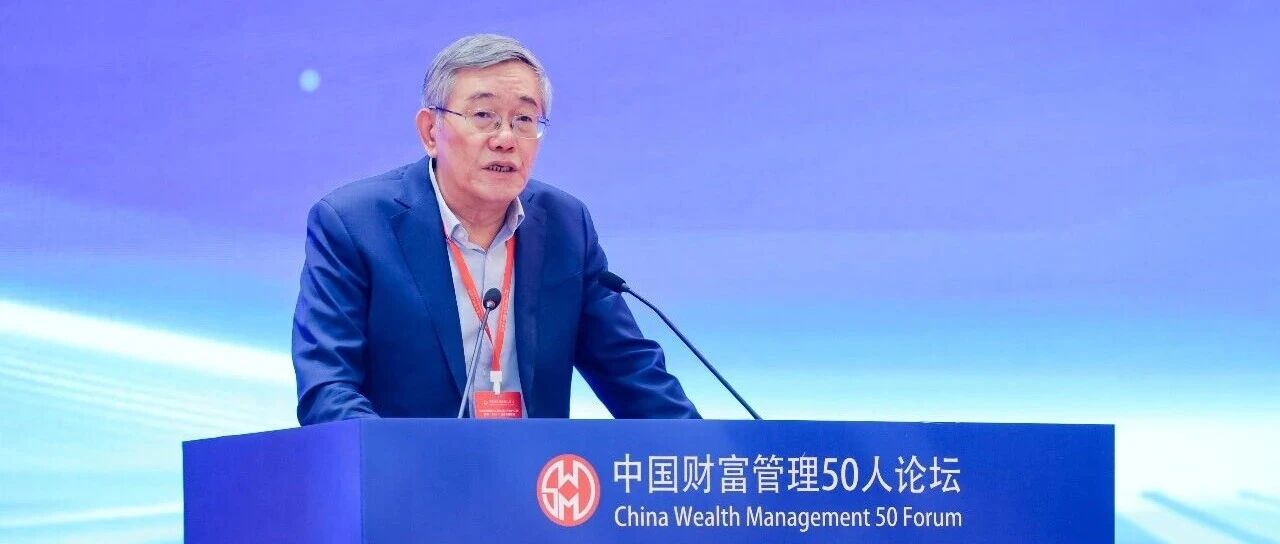
Group 1 - The core issue in the current Chinese economy is insufficient demand, primarily driven by low consumer spending rather than investment or exports [2][3] - China's final consumption accounts for approximately 20 percentage points less of GDP compared to the global average, with a significant gap in service consumption [2] - The structural bias in consumption is attributed to factors such as low public service levels, urbanization challenges, income disparities, high government asset ratios, and a historical focus on investment over consumption [2][3] Group 2 - The focus on consumption should target service sectors, particularly in housing, healthcare, social security, and elderly care, with a significant gap among rural residents and migrant workers [3] - It is proposed that during the "14th Five-Year Plan" period, the proportion of consumption in GDP should increase by at least 1 percentage point annually to stabilize growth [3] - The economic growth logic needs to shift from a supply-side focus on industrial investment to a demand-side emphasis on consumption and human capital investment [3][4] Group 3 - Current overcapacity in certain sectors necessitates caution against new investments that could exacerbate the situation, as evidenced by a 1.7% year-on-year decline in fixed asset investment from January to October [4] - To improve capacity utilization, three strategies are suggested: increasing income for low- and middle-income groups, reducing the public service gap between urban and rural areas, and implementing a "two 10 trillion" plan to enhance pension income for rural residents [5][6]
预计:我国2025年GDP上涨5.1%,突破140万亿元,约为19.6万亿美元
Sou Hu Cai Jing· 2025-10-20 15:11
Core Viewpoint - China's economy demonstrates strong resilience amid multiple pressures, achieving a GDP of 1,015,036 billion RMB in the first three quarters of 2025, reflecting a real growth of 5.2% after adjusting for price changes [1][3][4]. Economic Performance - The nominal GDP increased from 975,357.4 billion RMB in the previous year to 1,015,036 billion RMB, with a net increase of 39,678.6 billion RMB, resulting in a nominal growth rate of 4.1% [3][4]. - The difference between the nominal growth rate and the real growth rate indicates a price level decline of approximately 1.1% compared to 2020, suggesting some "contraction" pressure [3][4]. Future Projections - If the current economic recovery momentum continues, a real economic growth of around 5.1% is expected for the entire year of 2025, with nominal GDP projected to increase by approximately 4% from 2024, reaching between 140 trillion and 141 trillion RMB [4][6]. - The GDP in USD terms for the first three quarters of 2025 is estimated at approximately 141,681.89 billion USD, maintaining China's position as the second-largest economy globally [6][9]. Factors Supporting Growth - Robust macroeconomic policies have provided a solid foundation for stable economic performance, with proactive fiscal policies and prudent monetary policies enhancing market vitality [10]. - The acceleration of new and old kinetic energy conversion, particularly in high-tech industries such as new energy vehicles and artificial intelligence, is driving economic growth [10]. - Continuous release of domestic demand potential and effective investment in infrastructure and green transformation are contributing to economic stability [10]. Challenges Ahead - Despite positive growth indicators, challenges remain, including insufficient effective demand in certain sectors and rising uncertainties in the external environment [11]. - The focus will be on maintaining a stable yet progressive approach to ensure high-quality development and consolidate the positive economic recovery trend [11][12].