
整车

Search documents
长城汽车:1—3月整车总销售269104辆,同比增长4.79%
2 1 Shi Ji Jing Ji Bao Dao· 2026-04-01 09:28
Core Viewpoint - The company reported a total vehicle sales of 106,198 units and a total production of 122,881 units for March 2026, with a year-to-date sales increase of 4.79% for the first quarter of the year [1] Group 1 - In March, the company sold 21,857 new energy vehicles [1] - Cumulatively, the company sold 52,630 new energy vehicles from January to March [1]

江铃汽车业绩AB面:销量营收齐创新高,净利润下滑两成
Bei Ke Cai Jing· 2026-03-30 03:17
Core Viewpoint - Jiangling Motors reported record sales and revenue for 2025, but experienced a significant decline in profit, highlighting challenges in profitability despite growth in scale [1][2]. Financial Performance - The company achieved vehicle sales of 377,300 units, a year-on-year increase of 10.56%, and revenue of 39.17 billion yuan, up 2.07% [1]. - Net profit attributable to shareholders was 1.187 billion yuan, down 22.75% year-on-year, while the net profit after excluding non-recurring gains fell sharply by 45.38% to 741 million yuan [1][3]. Cost and Profitability Challenges - Operating costs increased by 2.73% to 33.852 billion yuan, outpacing revenue growth, with the cost of vehicle sales rising by 3.38% compared to a revenue increase of 1.89%, leading to a decline in gross margin by 1.27 percentage points [2]. - Management expenses rose by 11.29% to 1.05 billion yuan, indicating increased investment in internal management and organizational optimization [2]. - Asset impairment losses surged to 350 million yuan from 66.6 million yuan in the previous year, primarily due to losses in leasing operations and impairment provisions for idle assets [2]. Non-Recurring Gains Impact - The reported net profit included 447 million yuan in non-recurring gains, and excluding this, the adjusted net profit showed a significant decline [3]. Business Segmentation and Losses - Jiangling Ford Automotive Technology (Shanghai) Co., a subsidiary, reported a net loss of 751 million yuan in 2025, negatively impacting consolidated financial results [4]. Future Outlook and Strategies - The company acknowledged challenges for 2026, including intense industry competition, reduction in new energy subsidies, and fluctuations in raw material prices [5]. - Jiangling Motors set ambitious targets for 2026, aiming for vehicle sales of 430,000 units and revenue of 42 billion yuan [6]. - The company maintained a strong focus on R&D, investing 1.49 billion yuan, which accounted for 3.81% of revenue [7]. Key Development Focus - The critical challenge for Jiangling Motors is to effectively convert investments in new energy and passenger vehicle segments into profitable outcomes while maintaining its traditional strengths in commercial vehicles [8].

江铃汽车:1—2月整车总销售5.06万辆,同比增长17.91%
2 1 Shi Ji Jing Ji Bao Dao· 2026-03-03 11:14
Group 1 - The core point of the article is that Jiangling Motors reported a total vehicle sales of 23,800 units and a total vehicle production of 21,500 units in February 2026, with a cumulative vehicle sales of 50,600 units from January to February, representing a year-on-year increase of 17.91% [1]
长城汽车:1—2月整车总销售16.29万辆,同比增长2.58%
2 1 Shi Ji Jing Ji Bao Dao· 2026-03-01 07:44
Group 1 - The core point of the article is that Great Wall Motors reported its vehicle sales and production figures for February 2026, indicating a total of 72,594 vehicles sold and 64,811 vehicles produced during that month [1] - For the first two months of 2026, the cumulative vehicle sales reached 162,906 units, reflecting a year-on-year growth of 2.58% [1] - In February, the sales of new energy vehicles amounted to 12,744 units, with a total of 30,773 new energy vehicles sold in the first two months of the year [1]
众泰汽车获4亿贷款推进复工复产,2025年预亏同比大幅减亏
Jing Ji Guan Cha Wang· 2026-02-24 01:28
Core Viewpoint - The company is focusing on resuming production and improving its financial situation, with recent developments indicating a cautious market outlook regarding its restructuring efforts [1][4]. Group 1: Production Resumption and Financial Improvement - The company confirmed on February 13, 2026, that it is actively working to resume production in its vehicle segment and has initiated recruitment to restart operations [1]. - In January 2026, the company secured a loan of 400 million yuan from Zhejiang Yongkang Rural Commercial Bank, with the first tranche of 343 million yuan received to repay historical debts and support production resumption [1]. - The company is still in the process of disposing of assets from its bankrupt entities, with some stocks remaining unsold as of early February, reflecting market caution regarding its restructuring prospects [1]. Group 2: Stock Performance - The company's stock has shown volatility, closing at 3.03 yuan on February 13, 2026, with a slight increase of 0.66% on that day, but a cumulative decline of 0.98% over the past five trading days [2]. - The stock's trading range has been between the lower Bollinger Band (2.86 yuan) and the upper band (3.57 yuan), with a recent net outflow of main funds, indicating weaker performance compared to the automotive sector and the broader market [2]. Group 3: Financial Forecast - The company released a preliminary earnings forecast on January 28, 2026, estimating a net loss of 281 million to 417 million yuan for the year 2025, representing a year-on-year reduction in losses of 58.32% to 71.91% [3]. - Projected revenue for 2025 is expected to be between 454 million and 680 million yuan, with the net asset value remaining positive at the end of the period [3]. - The narrowing of losses is attributed to the suspension of vehicle operations due to historical issues, although fixed costs continue to persist [3]. Group 4: Institutional Perspectives - No formal research reports have been published by brokerage firms regarding the company recently [4]. - Some media analyses suggest that the company still faces challenges related to funding shortages, with a reported debt-to-asset ratio of 99.41% as of Q3 2025, although the approval of loans and debt resolution may provide short-term operational support [4].

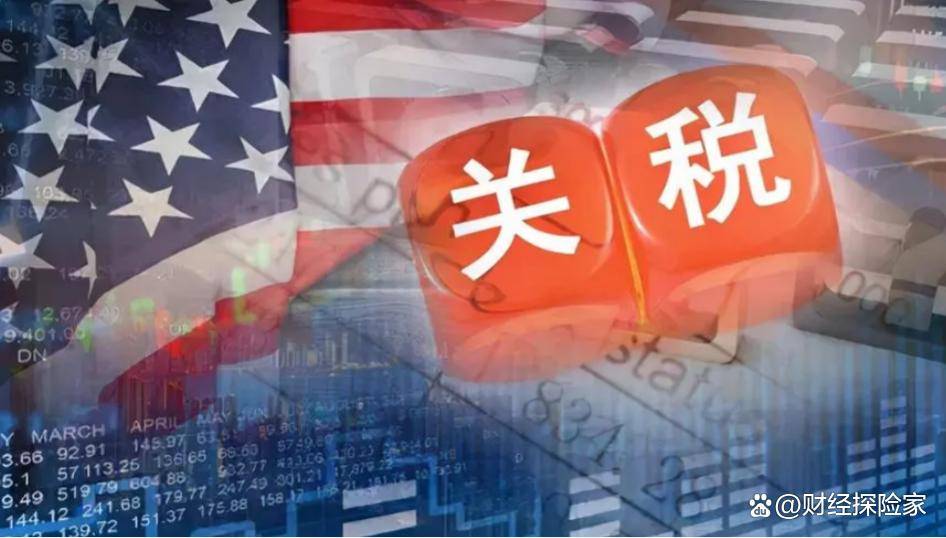
1.2万亿逆差全是假账?美国财长秘密报告流出,实际亏了3个亿
Sou Hu Cai Jing· 2026-02-16 16:44
Group 1 - In 2025, the U.S. government collected $264 billion in tariffs, leading to a rare decrease in the fiscal deficit, yet the trade deficit remained high at $1.06 trillion, with a significant monthly increase of 94.6% in November [1] - The U.S. dollar serves dual roles as both domestic currency and global reserve currency, which contributes to a persistent trade deficit as a stronger dollar makes U.S. goods more expensive abroad while allowing Americans to purchase cheaper foreign goods [3][4] - The benefits of the dollar's global status include cheaper borrowing costs, a stronger currency, and financial hegemony, allowing the U.S. to finance its government and consumer spending at low interest rates [3] Group 2 - The U.S. has historically rejected proposals for a supranational currency, indicating a strong desire to maintain the benefits of dollar hegemony [4] - The trade deficit is exacerbated by the need to maintain the dollar's status, leading to a decline in domestic manufacturing, which poses a long-term risk to U.S. economic dominance [6] - The Trump administration's solution to the trade deficit involved imposing tariffs, which significantly increased tariff revenue but failed to reduce the trade deficit, which remained around $1 trillion [7][9] Group 3 - Despite record tariff revenues, the trade deficit fluctuated dramatically, indicating that tariffs only shifted the timing of imports rather than reducing demand [9] - The burden of increased tariffs primarily fell on U.S. importers and consumers, with estimates suggesting an additional cost of $1,000 to $3,800 per household due to higher prices on imported goods [9][10] - Major retailers and industries, such as automotive, reported increased costs due to tariffs, leading to higher prices for consumers [10] Group 4 - The manufacturing sector did not see a return of jobs as a result of tariffs; instead, there was a net loss of 72,000 manufacturing jobs from April to December 2025 [12] - The U.S. economy is characterized by a low savings rate and high consumer debt, which drives reliance on imports, while the manufacturing sector's contribution to GDP has significantly declined [13] - The shift in policy towards a strong dollar aims to attract global capital but risks further exacerbating the trade deficit by making exports less competitive [13] Group 5 - The tariff strategy led to negative economic impacts, with forecasts predicting a slowdown in U.S. economic growth from 2.8% in 2024 to 2.0% in 2025 [14] - The agricultural sector faced significant challenges, with a 60% increase in bankruptcy filings among farmers in the first half of 2025 compared to the previous year [14] - In response to rising living costs, the government began to roll back some tariffs, indicating the political pressures stemming from economic conditions [16]

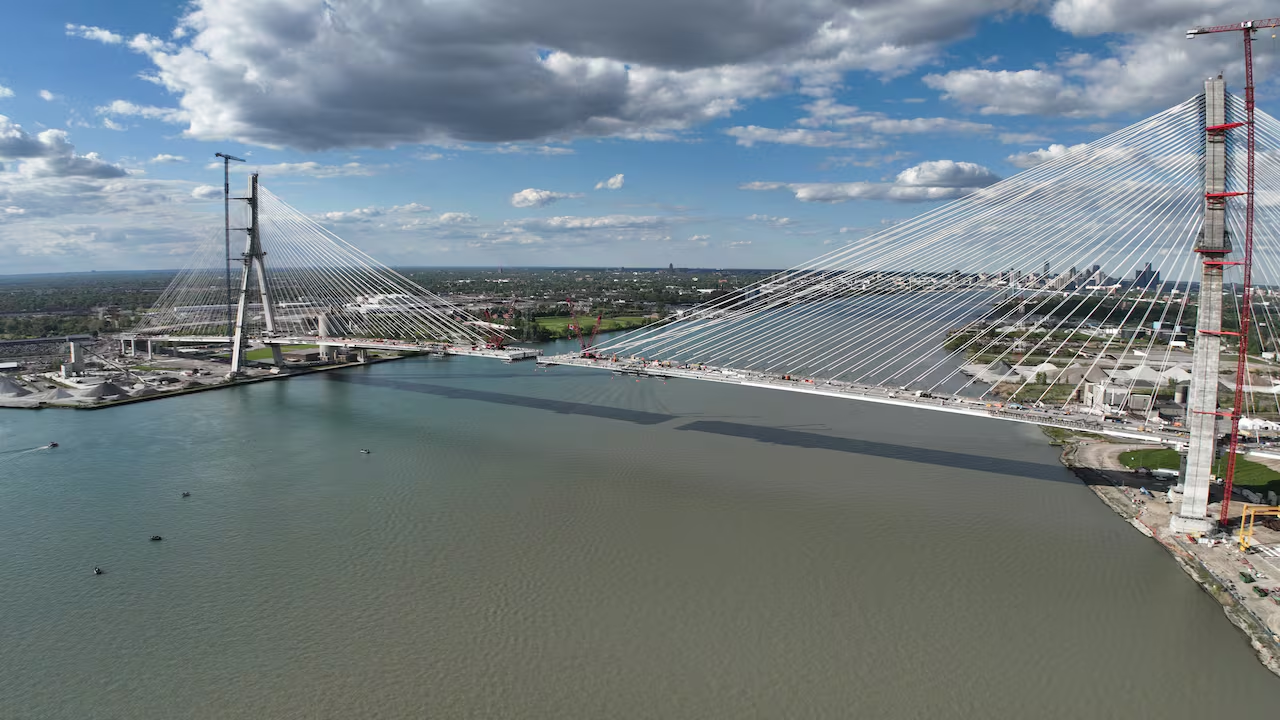
这座连接美加的新大桥引发全球关注,为何被称为汽车供应链“黄金纽带”?
Zhong Guo Qi Che Bao Wang· 2026-02-11 05:47
Core Viewpoint - The Gordie Howe Bridge, a new infrastructure project connecting Detroit, USA, and Windsor, Canada, is set to enhance the efficiency of the North American automotive supply chain, but its opening is currently under scrutiny due to political tensions [2][8]. Group 1: Importance of the Bridge - The Gordie Howe Bridge, funded by Canada at approximately $4.6 billion, is crucial for improving logistics efficiency in the cross-border automotive industry, serving as a "golden link" in the North American automotive supply chain [2][3]. - The bridge will significantly reduce border crossing times, which currently rely on the Ambassador Bridge, known for severe congestion, potentially saving up to $2.3 billion in costs for drivers and the transportation industry over the next 30 years [3][4]. Group 2: Impact on the Automotive Industry - The bridge is expected to facilitate smoother and faster transportation of automotive parts and vehicles between the U.S. and Canada, which is vital for maintaining the efficiency of production lines in the automotive sector [4][5]. - The Detroit-Windsor corridor is one of the busiest freight routes in North America, with trade volumes reaching $126 billion in 2023, underscoring the bridge's role in the automotive supply chain [5]. Group 3: Risks of Non-Operation - If the Gordie Howe Bridge does not open, it could disrupt the automotive supply chain, particularly affecting Michigan's automotive manufacturing, leading to delays in parts transportation and potential production halts [9]. - The inability to utilize the new bridge could exacerbate job losses in Michigan's automotive sector, where 2,400 jobs have already been lost, and increase logistics costs, thereby diminishing market competitiveness [9][10]. - The bridge is designed to replace the outdated Ambassador Bridge, with an expected 30% improvement in cross-border freight efficiency and a capacity of 15 million vehicles annually; failure to open would hinder Michigan's automotive industry from benefiting from these advancements [9].
锂电产业链历史不会重演,但会押韵
Zhong Guo Neng Yuan Wang· 2026-02-10 01:01
Core Viewpoint - The lithium battery supply chain has experienced significant price increases from 2020 to 2022, driven by strong demand and a smooth transmission of price hikes across the industry [2][3]. Group 1: Price Trends - Electrolyte prices started at 70,000 CNY/ton in September 2020, rising to 100,000 CNY/ton by the end of the year, and reaching a peak of 580,000 CNY/ton in February 2022, with long-term contract prices stabilizing between 200,000 to 300,000 CNY/ton [2][3]. - Iron lithium cathode prices, including phosphoric acid iron and processing fees, doubled in 2021, peaking at over 40,000 CNY/ton by the end of that year [2][3]. - Anode prices began to rise in Q3 2021 due to graphite production constraints, increasing from 12,000 CNY/ton to a high of 25,000 to 28,000 CNY/ton by Q2 2022 [2][3]. Group 2: Supply Chain Dynamics - Lithium carbonate prices rebounded from a low of 40,000 CNY/ton at the end of 2020 to 50,000 CNY/ton in early 2021, and surged to 300,000 CNY/ton by the end of 2021, eventually reaching 520,000 CNY/ton by February 2022 [2][3]. - The battery sector has effectively transmitted raw material price increases, with battery prices rising by 1 cent/wh in Q1 2021 and accelerating to 2-3 cents/wh in Q1 and Q2 of 2022, reaching over 1 CNY/wh [2][3]. Group 3: Future Outlook - Current market conditions resemble Q4 2020, with expectations for continued price increases due to strong demand and low profitability levels compared to previous years [3]. - The industry's expansion willingness is significantly lower than in 2021, with limited new supply expected by 2026, suggesting a more stable price environment [3]. - The anticipated price increases are not expected to be as dramatic as in 2021, with supply-demand tightness projected to be lower, particularly for hexafluorophosphate and lithium carbonate [3]. Group 4: Investment Recommendations - The current valuation of leading companies is considered reasonable, with expected industry growth of 20% in 2027, suggesting potential for investment in the battery sector, including companies like CATL, Yiwei Lithium Energy, and others [4]. - Material leaders such as Keda Lithium and others are also highlighted as strong investment opportunities, alongside companies in the lithium carbonate sector [4]. - The solid-state battery sector is recommended for investment, particularly with catalysts expected to materialize in Q4 2025 [4].




曙光股份:1月整车总销售48辆,同比减少44.19%
2 1 Shi Ji Jing Ji Bao Dao· 2026-02-06 08:17
Core Viewpoint - Shuguang Co., Ltd. reported a total of 48 vehicle sales and 281 vehicle production in January 2026, indicating a significant decline in sales compared to the previous year [1] Group 1: Sales Performance - The cumulative vehicle sales for January 2026 were 48 units, representing a year-on-year decrease of 44.19% [1] - The sales of new energy buses amounted to 5 units, whereas there were no sales in the same period last year [1] Group 2: Production Metrics - The total vehicle production for January 2026 reached 281 units [1]

A股公告精选 | 上汽(600104.SH)1月整车批售32.7万辆 同比增长23.9%
智通财经网· 2026-02-02 12:41
Group 1 - Changling Hydraulic announced that Hexin Bolang intends to make a partial tender offer to acquire 12% of the company's shares at a price of 35.82 CNY per share, with a total of 17.29 million shares involved [1] - SF Holding reported that as of January 31, 2026, it has repurchased 48.29 million shares, totaling approximately 1.9 billion CNY, which accounts for 0.96% of the company's total share capital [1] Group 2 - Lianyun Technology achieved a net profit of 142 million CNY in 2025, representing a year-on-year growth of 20.36%, with total operating revenue of 1.33 billion CNY, up 13.42% [2] - Guangdong Yuedian A announced that the Maoming Boge Power Plant's Unit 4 has successfully commenced commercial operation, with a total investment of 7.484 billion CNY and an expected annual power generation of 8.6 billion kWh [2] Group 3 - Weiyuan Co. announced that its 250,000 tons/year electrolyte solvent project has been successfully put into production, enhancing its production capacity for various chemical products [3] - Dingxin Communications disclosed that its director and deputy general manager, Yuan Zhishuang, was warned and fined 120,000 CNY by the China Securities Regulatory Commission for suspected short-term trading of company shares [3] Group 4 - Rundu Co. stated that it has a Class 1 innovative drug under review, but the approval and market launch remain uncertain, which may not significantly impact the company's performance in the short term [3] - Litong Electronics clarified that its liquid cooling product development is still in the early discussion stage and denied the existence of several rumored projects and contracts [4] Group 5 - Changfei Fiber announced that the global optical fiber and cable industry market environment is normal, and new products related to data centers account for a small proportion of total demand [5]
