协同设计

Search documents
黄仁勋三万字采访:展望10万亿市值,3万亿营收
半导体行业观察· 2026-03-24 03:20
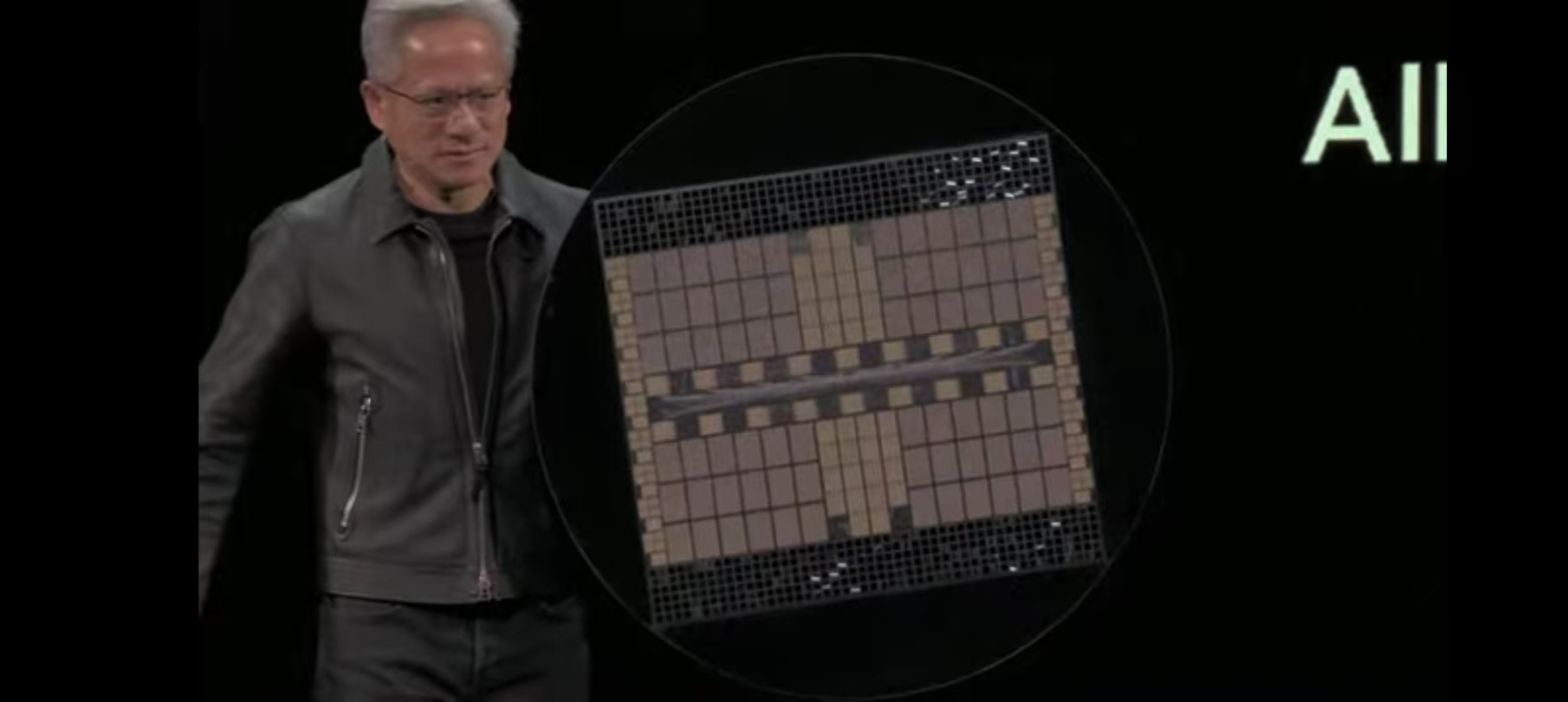
Core Viewpoint - NVIDIA is recognized as one of the most influential companies in human history and a driving force behind the AI revolution, largely due to the leadership and innovative decisions of Jensen Huang [2]. Group 1: Extreme Collaborative Design - NVIDIA's success is attributed to its extreme collaborative design approach, which integrates various components such as GPU, CPU, memory, and networking to solve complex computational problems [3][4]. - The challenges of collaborative design include distributing workloads across multiple computers while ensuring efficient communication and data management [3][4]. - A key aspect of NVIDIA's design philosophy is optimizing the entire software stack, from architecture to applications, to achieve better performance than simply increasing the number of computers [4][5]. Group 2: Evolution of Business Focus - Initially, NVIDIA started as a specialized accelerator company but recognized the need to broaden its scope to enhance its impact in the computing field [6][7]. - The introduction of programmable pixel shaders and the development of CUDA were pivotal steps in transitioning from a narrow focus to a broader computing company [7][8]. - CUDA became a foundational technology for AI infrastructure, significantly expanding the range of applications for NVIDIA's GPUs [8][10]. Group 3: Scaling Laws and Future Challenges - NVIDIA believes in the importance of scaling laws, which dictate that the amount of data and computational power directly influences AI capabilities [15][16]. - Future challenges include ensuring sufficient computational power and addressing the complexities of data generation and processing, particularly in the context of AI agents [19][20]. - The company is focused on improving energy efficiency and reducing token costs to overcome potential bottlenecks in AI scaling [28][29]. Group 4: Supply Chain and Energy Management - NVIDIA emphasizes the importance of a robust supply chain to support its growth, engaging with CEOs across the industry to align on future needs and investments [29][30]. - The company is exploring innovative energy solutions, such as modular nuclear power plants, to address the increasing power demands of AI computing [28][34]. - Effective energy management strategies are being developed to utilize excess power from the grid, ensuring that data centers can operate efficiently without compromising reliability [34][35].


黄仁勋抛出万亿美元收入预期
第一财经· 2026-03-17 01:21
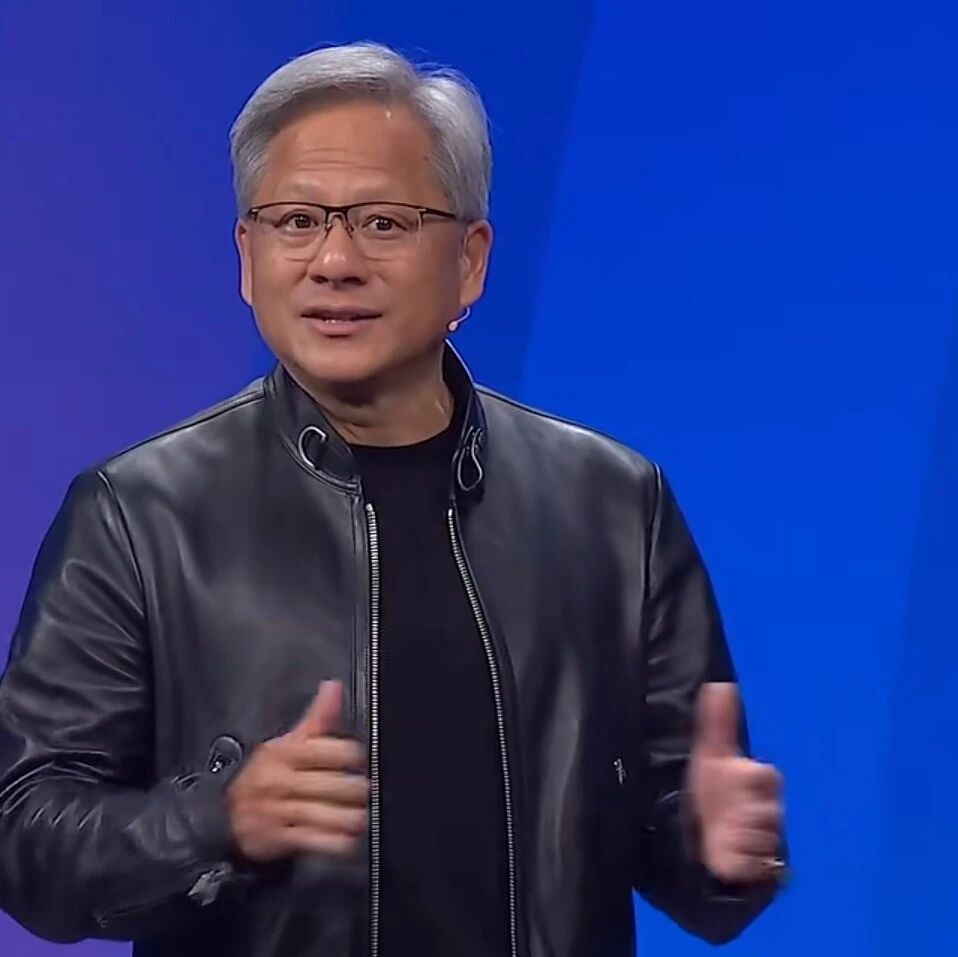
Core Viewpoint - The article discusses the key announcements and developments presented by NVIDIA's CEO Jensen Huang at the GTC conference, highlighting the company's advancements in AI infrastructure, new chip platforms, and the potential revenue growth from AI-related products and services [3][10]. Group 1: New Chip Platforms - NVIDIA introduced the Rubin chip platform, which includes the Vera CPU, Rubin GPU, and several other components, aimed at enhancing AI and reinforcement learning capabilities [5][6]. - The Groq 3 LPU was showcased for the first time, with production set to ramp up in the second half of the year, indicating a strong focus on AI processing [6]. - The Rubin platform now consists of seven chips and five racks, designed to form an AI supercomputer that significantly boosts inference throughput and efficiency [6][8]. Group 2: Revenue Projections - Huang projected that revenue from AI chips, specifically from the Blackwell and Rubin platforms, could reach $1 trillion between 2025 and 2027, a significant increase from previous estimates [10]. - The customer base for NVIDIA has expanded to include major players like Alibaba and ByteDance, with 60% of revenue coming from large cloud service providers and 40% from diverse AI applications [10]. Group 3: Business Strategy and Ecosystem - Huang emphasized NVIDIA's commitment to collaborative design and vertical integration, positioning the company as a key player in the AI ecosystem [12]. - The company is involved in various sectors, including autonomous driving, financial services, healthcare, and telecommunications, showcasing its broad market reach [12]. Group 4: AI Impact and Innovations - Huang noted that the AI landscape has evolved dramatically over the past three years, with significant increases in computational demands and investment in AI startups [13][14]. - NVIDIA announced new partnerships in the automotive sector, including collaborations with BYD and Nissan, to develop Level 4 autonomous vehicles [14]. Group 5: New Products and Software - The GTC conference featured the introduction of several new products, including the Vera Rubin space module, which offers 25 times the AI computing power for space-based inference compared to previous models [14]. - NVIDIA also launched new software frameworks and open-source models aimed at enhancing the capabilities of intelligent robots and autonomous vehicles [15].

年末 AI 回顾:从模型到应用,从技术到商战,拽住洪流中的意义之线(上)
Xin Lang Cai Jing· 2026-02-12 12:12
Group 1: Models - The current AI wave is still in its early stages, with technological changes being the primary driving force behind product forms and business landscapes [4][56] - The Agentic Model supports agent capabilities, which include reasoning, coding, multimodal understanding, tool usage, and memory [5][58] - The rise of reasoning models is marked by the success of DeepSeek-R1, which is the first to replicate OpenAI's o1 model at a large parameter scale [7][59] Group 2: Applications - 2025 is seen as the year of large-scale explosion for agent applications, with two main lines: General Agents centered on coding capabilities and vertical agents [29] - General Agents utilize coding as a means to execute various tasks in the digital world, with products like Claude Code and Claude Cowork leading the way [30][32] - The emergence of mobile agents is notable, with ByteDance's Doubao phone preview enabling automated tasks like replying to WeChat messages [35] Group 3: AI Giants' Competition - Major players like ByteDance, Alibaba, and Tencent are engaged in a fierce competition in the AI space, focusing on collaborative optimization and infrastructure development [13][14] - Alibaba's Qianwen team has begun recruiting its own infrastructure talent to enhance agility in development [14] - Tencent's new AI head emphasizes the importance of co-design to streamline iterations and reduce internal friction [14] Group 4: Startups - A new ecosystem of startups is emerging around agent tools, driven by the demand for automation in personal and professional tasks [29][32] - Companies like Lovart and others are focusing on multimedia content production agents, aiming to redefine creative processes [37] Group 5: AI in Science - AI is accelerating scientific discoveries, with applications in first-principles calculations and generative AI for solving complex scientific problems [49][50] - The trend of AI agents capable of automating the entire research process is gaining traction, indicating a shift towards AI-driven scientific inquiry [51]




英伟达最新动作!10亿美元入股诺基亚 称能看见超5000亿美元芯片收入
Di Yi Cai Jing· 2025-10-28 23:33
Core Insights - Nvidia announced a partnership with Nokia, marking a significant investment of $1 billion to enter the telecommunications sector and launch a new product line [2][4] - The collaboration aims to leverage AI and accelerated computing to transform the telecom industry, particularly in the development of 5G and 6G technologies [2][4][5] Investment Details - Nvidia will acquire 166,389,351 new shares of Nokia at a subscription price of $6.01 per share, resulting in a 2.9% ownership stake in Nokia [4] - The investment is expected to accelerate AI-RAN innovation and facilitate the transition from 5G to 6G networks [4][6] Product Launch - Alongside the investment, Nvidia introduced the Arc Aerial RAN Computer, designed to support 6G technology [4][5] - Nokia plans to integrate Nvidia's technology into its existing base station architecture, enhancing efficiency through AI [5] Market Reaction - Following the announcement, Nokia's stock surged over 26%, while Nvidia's shares increased by more than 5%, reaching a market cap of $4.92 trillion [7] Broader Investment Strategy - Nvidia has been actively investing in various sectors, including a $5 billion stake in Intel and a potential $100 billion investment in OpenAI, indicating a strategy to strengthen partnerships and expand product offerings [7] Future Developments - Nvidia and Nokia, along with T-Mobile U.S., will collaborate on testing AI-RAN technology, with trials set to begin in 2026 [6] - Nvidia's CEO highlighted the importance of integrating AI into telecommunications to enhance cloud computing capabilities at the edge [6] Revenue Projections - Nvidia's Blackwell and Rubin chip architectures are projected to generate over $500 billion in revenue from 20 million GPUs by 2026, significantly outpacing previous architectures [8] Quantum Computing Initiatives - Nvidia introduced NVQLink to support quantum computing, allowing for hybrid simulations between quantum and GPU supercomputers, with 17 quantum computing companies already on board [10][11]

英伟达最新动作!10亿美元入股诺基亚,称能看见超5000亿美元芯片收入
Di Yi Cai Jing· 2025-10-28 23:27
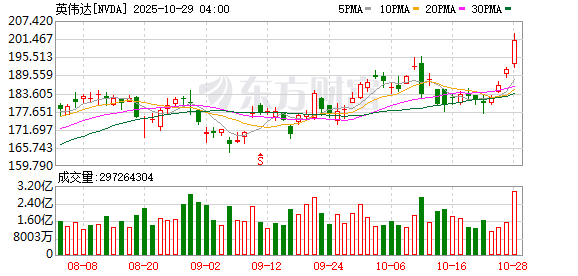
Core Insights - Nvidia and Nokia are accelerating the development and deployment of next-generation AI-native mobile networks and AI network infrastructure through a strategic partnership [1][3] - Nvidia's recent $1 billion investment in Nokia marks a significant entry into the telecommunications sector, alongside the launch of a new product line, Arc Aerial RAN Computer, aimed at supporting 6G [3][4] - The collaboration will enhance AI-RAN (Radio Access Network) innovation and facilitate the transition from 5G to 6G, with plans for testing AI-RAN technology in partnership with T-Mobile U.S. starting in 2026 [4][3] Investment Details - Nvidia will acquire 166,389,351 new shares of Nokia at a subscription price of $6.01 per share, resulting in a 2.9% ownership stake in Nokia [3] - This investment is part of a broader trend where Nvidia is making substantial investments to foster partnerships and expand its product offerings, including a recent $5 billion stake in Intel and a potential $100 billion investment in OpenAI [5] Market Impact - Following the announcement of the investment and partnership, Nokia's stock surged over 26%, while Nvidia's stock rose more than 5%, with Nvidia's share price exceeding $202, reaching a market capitalization of $4.92 trillion, a historic high [4] Product Development - Nvidia's Arc Aerial RAN Computer is designed to upgrade millions of existing base stations using AI and 6G technology, compatible with Nokia's current AirScale architecture [4] - Nvidia's CEO highlighted the importance of integrating AI into wireless communication to enhance efficiency and performance [4] Future Projections - Nvidia's Blackwell and Rubin chip architectures are projected to generate over $500 billion in revenue from 20 million GPUs, significantly outpacing previous architectures [7] - The shift towards accelerated computing platforms is expected to continue, driven by increasing capital expenditures from cloud service providers [9] Quantum Computing Initiatives - Nvidia introduced NVQLink, a technology that supports quantum computing integration with GPU supercomputers, indicating a strategic move into the quantum computing space [9]