
央地协同

Search documents
提升政府投资基金质效
Sou Hu Cai Jing· 2026-02-23 22:37
Core Viewpoint - The article emphasizes the need for government investment funds, referred to as "patient capital," to increase support for industry development and technological innovation, addressing challenges such as high investment costs, long cycles, and significant risks [1][2]. Group 1: Government Investment Fund Overview - As of the end of 2024, China has established 2,178 government-guided funds with a total scale exceeding 12 trillion yuan [1]. - Government investment funds differ from market-oriented funds by not solely pursuing financial returns but focusing on supporting major strategies and addressing weak links in the market [1]. Group 2: New Regulations and Their Implications - Recent regulations aim to enhance the quality of government investment funds by providing systematic guidance on planning, management, and evaluation throughout the investment process [2]. - The new rules clarify the focus of government investment funds on supporting major national strategies and key areas, promoting collaboration between central and local governments [2]. Group 3: Challenges and Solutions - The article identifies ongoing challenges such as the difficulty of exiting investments and the need to balance policy goals with market profitability [3]. - It suggests that local governments should tailor their investment strategies based on regional resources and advantages, promoting coordinated development and collaboration between national and local funds [3][4]. Group 4: Investment Strategy and Mechanisms - There is a call for optimizing the evaluation and incentive mechanisms throughout the fund's lifecycle, particularly for early-stage investments, to encourage more proactive investment behavior [4]. - The article advocates for diversified and market-oriented exit channels to enhance the effectiveness of government investment funds [4].
深化央地协同 推动双向赋能 在携手服务“国之大者”中谱写合作新篇章
Xin Lang Cai Jing· 2026-02-11 18:46
Core Viewpoint - The visit by Cao Lijun to Chengdu Aircraft Industrial Group emphasizes the importance of deepening central-local collaboration to enhance mutual empowerment and contribute to national strategic goals [1][2]. Group 1: Company Achievements - Chengdu Aircraft Industrial Group has significantly contributed to national defense by producing key military aircraft such as the J-10 and J-20, showcasing its capabilities during the 93rd National Day parade [2]. - The company has been recognized for its achievements in technological innovation and collaboration with central and local governments, which has led to the establishment of a robust aerospace industry ecosystem in Chengdu [2][3]. Group 2: Strategic Development Plans - During the 14th Five-Year Plan period, Chengdu aims to position the aerospace industry as a crucial component of its modern industrial system, focusing on national strategic objectives [3]. - There is a call for Chengdu Aircraft to enhance cooperation with local universities and innovation enterprises to foster technology transfer and collaborative research, thereby driving the aerospace sector's growth [3]. Group 3: Government Support and Initiatives - The local government is committed to creating a conducive environment for the aerospace industry, emphasizing the need for proactive support and engagement with Chengdu Aircraft to facilitate its development [3]. - The establishment of specialized teams and mechanisms is highlighted to ensure that the needs of Chengdu Aircraft are met effectively, promoting a high-quality development framework for the aerospace sector [3].
丰台打造国家级轨道交通创新策源地
Xin Lang Cai Jing· 2026-02-03 18:43
Core Viewpoint - The "Fengyunhui·Smart Rail Cooperation Conference 2026" showcased the strength and collaborative ecosystem of the Fengtai rail transit industry, highlighting various projects and technological advancements aimed at promoting high-quality development in the sector [1]. Group 1: Industry Development and Collaboration - Fengtai District has established itself as a key hub for rail transit, housing over 260 major enterprises with an annual revenue exceeding 300 billion yuan, forming a comprehensive industrial ecosystem covering planning, construction, equipment manufacturing, and operation management [2]. - The district aims to enhance its industrial ecosystem by focusing on quality, innovation, and collaboration, positioning itself as a center for technological innovation and industrial aggregation in rail transit [2]. Group 2: Strategic Partnerships and Research Initiatives - The conference facilitated the signing of cooperation agreements among various entities, including the establishment of a joint research center for new railway electrical technologies to address industry challenges and promote innovation [3]. - Collaborations between companies and academic institutions, such as the partnership between China Railway Electrification Bureau and Hong Kong Polytechnic University, aim to advance research in subway power supply systems [3]. Group 3: Industry Planning and International Cooperation - A series of initiatives were announced to support the rail transit industry, including a focus on smart equipment and operational scheduling, encouraging companies to innovate in AI and core sensor technologies [4]. - The "Xianfeng Qihang" overseas service platform was launched to assist companies in exploring international markets by providing policy support and risk management [4]. Group 4: Service Mechanisms and Support Systems - Fengtai District introduced a "one-on-one smart rail butler" service mechanism to enhance support for the rail transit industry, focusing on personalized and comprehensive service delivery [5]. Group 5: Innovation and Product Showcase - The conference featured a display of cutting-edge products and solutions from major companies, demonstrating advancements in smart signaling systems and intelligent operation solutions that have significantly improved operational efficiency and safety [6][7]. - The 2025 Zhongguancun International Rail Transit Innovation and Entrepreneurship Competition highlighted innovative projects, fostering collaboration between large and small enterprises in the rail transit sector [7].
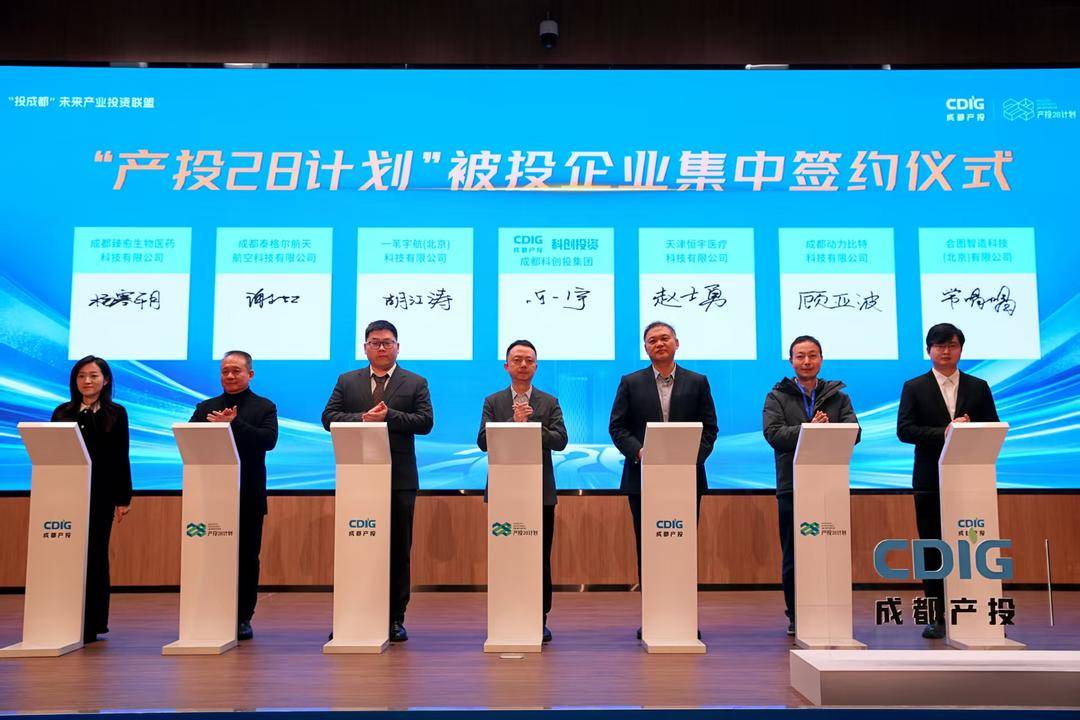
“国家队”资本入局构建“央地基金矩阵”,成都“产投28计划”迎来六位“重磅队友”
Sou Hu Cai Jing· 2026-01-29 02:46
Core Insights - Chengdu's future industry receives significant support from "national team" capital, enhancing the "Invest in Chengdu, Invest in the Future" initiative [1][3] - The "Industrial Investment 28 Plan" aims to establish a long-term industrial cultivation ecosystem by integrating national and local capital [3][9] Investment and Collaboration - The recent signing event resulted in a total contract amount of approximately 675 million yuan, with 12 companies participating [5][1] - Chengdu Future Industry Fund has partnered with six central enterprise investment platforms to create a "central-local fund matrix" [1][9] Project Focus and Quality - The "Industrial Investment 28 Plan" has attracted over 300 projects nationwide, with more than 50% from innovation hubs like Beijing, Shanghai, Guangzhou, and Shenzhen [4] - The signed projects cover key future industry sectors, including aerospace composite materials, commercial satellite manufacturing, and embodied intelligent robotics [5][4] Ecosystem Development - The initiative emphasizes a "patient capital" model, focusing on value discovery, enterprise growth, and industrial ecosystem cultivation [4][3] - The plan aims to transform traditional investment models into comprehensive services that support the entire lifecycle of innovation [10] Strategic Focus Areas - Quantum technology has been identified as a strategic focus area, with discussions on its development trends and investment opportunities [11] - The initiative continues to refine its approach by organizing specialized sessions on sectors like biomedicine, electronic information, and artificial intelligence [11] Resource Integration - The "Industrial Investment 28 Plan" serves as a comprehensive industrial service platform, linking resources and policies to address the needs of tech enterprises [10] - The collaboration with central enterprises is expected to enhance the depth of industrial capital and strategic resource connectivity in Chengdu [9]

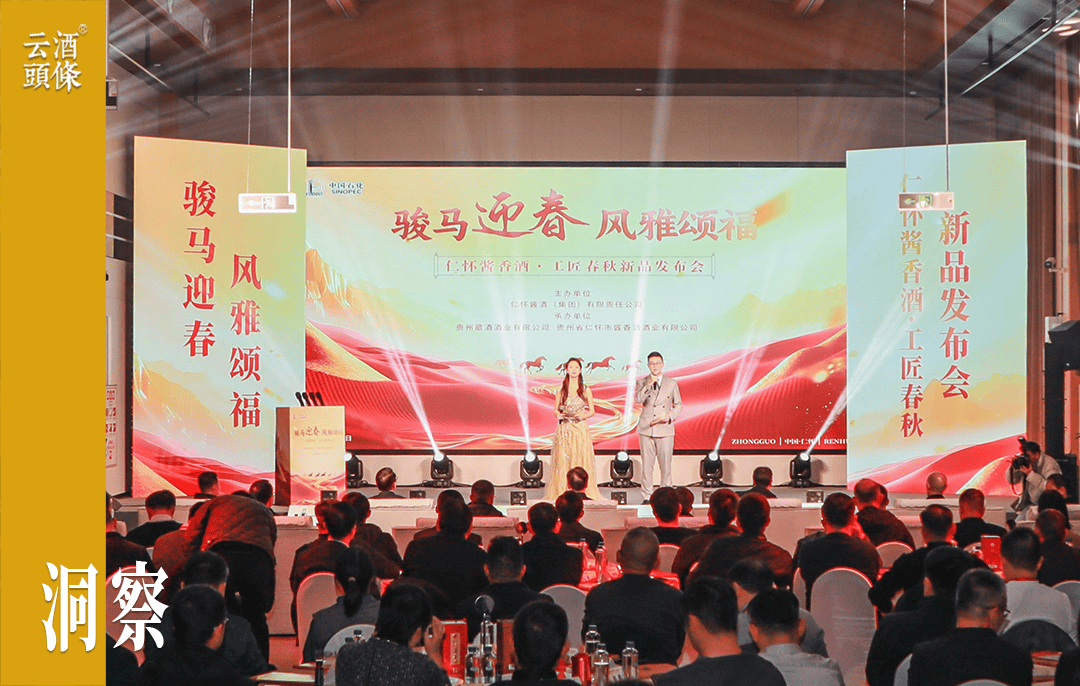
仁怀酱香酒×中石化,双向奔赴锁定酱酒爆品
Sou Hu Cai Jing· 2026-01-21 13:19
Core Insights - The collaboration between Renhuai Sauce Wine Group and Sinopec Guizhou aims to create a new benchmark product that combines high-quality sauce liquor with a robust distribution network, addressing consumer demands for quality and strategic alignment with market needs [2][16] - This partnership represents a new model of cooperation between state-owned enterprises and core production areas, facilitating the transformation and upgrading of the sauce liquor industry [2][16] Group 1: Market Dynamics - Renhuai Sauce Liquor, originating from the core production area of Chinese sauce-flavored liquor, has seen its GDP surpass 200 billion yuan, indicating a strong competitive and leading position despite industry adjustments [3] - The "14th Five-Year Plan" outlines Renhuai's vision to become a world-class sauce liquor production area, emphasizing cultural depth, complete industrial chains, and market competitiveness [3] Group 2: Strategic Collaboration - The launch of the "Craft Spring and Autumn" series by Renhuai Sauce Liquor Group in partnership with Sinopec is seen as a significant market breakthrough, aligning product innovation with regional development [7][12] - Sinopec's extensive distribution network, with over 28,000 Easy Joy stores across 31 provinces, provides a vital platform for local products to reach a national audience [8][10] Group 3: Economic Impact - The collaboration is expected to enhance market space for Renhuai Sauce Liquor, accelerate its transformation, and inject strong momentum into the high-quality development of the Renhuai production area [5][14] - The partnership is viewed as a shift from merely selling liquor to promoting a lifestyle, thereby enriching the market atmosphere for sauce liquor and revitalizing the industry in the Zunyi region [5][7] Group 4: Future Prospects - The cooperation is characterized by its long-term and strategic nature, with plans for additional product launches that honor traditional culture and cater to diverse consumer scenarios [16] - The initiative is part of a broader effort to support the "Qian Wine Out of the Mountain" campaign, enhancing sales channels and optimizing service networks for local products [14]

发挥央企优势 深化央地协同 携手开创高质量合作共赢新局面
Xin Lang Cai Jing· 2026-01-18 23:36
Group 1 - The meeting emphasized the importance of deepening cooperation between central enterprises and local governments to promote high-quality development in Guiyang and Guian [1][2] - Central enterprises are recognized as key players in technological innovation and industrial development, and their collaboration is crucial for the overall development strategy of the region [1][2] - The local government aims to create a favorable business environment for central enterprises, ensuring support and addressing challenges they face in the region [2] Group 2 - The local government plans to identify key cooperation projects that align with the development priorities of central enterprises during the 14th Five-Year Plan period [2] - Central enterprises are encouraged to lead in corporate governance and contribute to local economic development while integrating national strategies [2] - The focus is on enhancing the industrial ecosystem by advancing the industrial chain towards higher-end development and fostering industrial clusters [2]
政府投资基金新规落地 地方“操盘手”迎来关键节点
Jing Ji Guan Cha Wang· 2026-01-16 23:52
Core Viewpoint - The new regulations aim to enhance the clarity and effectiveness of government investment funds, addressing issues such as misalignment with local resources and industry foundations, unclear fund positioning, and homogenized investment directions [2][3] Group 1: Regulatory Framework - The newly released "Work Method" provides a systematic framework for the layout and direction of government investment funds at the national level, emphasizing the need for funds to align with national major plans and industry directories [1][2] - The "Evaluation Management Method" establishes a comprehensive evaluation system covering the entire fund operation process, linking results to budget arrangements and fund adjustments [1][2] - Key aspects of the new regulations include clear investment directions, standardized investment methods focusing on early, small, long-term, and hard technology investments, and a robust evaluation mechanism [2][3] Group 2: Local Government Response - Local government investment fund managers have begun to adjust their strategies in response to the new regulations, with a focus on optimizing layouts and encouraging integration of existing funds [3][5] - The establishment of secondary funds (S Funds) has accelerated, with local governments seeking to revitalize existing fund assets in line with the new policy guidelines [3][5] - Local governments are rapidly developing "key investment area lists" to align with the new regulatory framework [5][6] Group 3: Industry Impact - Early-stage technology companies are encouraged by the new focus on long-term investment in hard technology, signaling stronger government support for genuine innovation [5][6] - Investment management institutions are recalibrating their strategies to align with the new regulations, focusing on long-term value rather than short-term pressures [5][6] - The new regulations are prompting a comprehensive "benchmarking" and "calibration" process across various stakeholders involved in government investment funds [6] Group 4: Challenges and Concerns - There are ongoing tensions between policy objectives and market-driven operations, necessitating a balance between policy goals and financial returns [7][8] - The new emphasis on early-stage investments raises concerns about risk management and the establishment of appropriate evaluation mechanisms [8][9] - The integration of existing funds poses complex challenges due to diverse funding sources and the need for careful negotiation and restructuring [11][12] Group 5: Future Directions - The new regulations mark a critical policy juncture, prompting a reevaluation of the roles and values of government investment funds within the ecosystem [12][13] - The focus on differentiated development paths for local funds encourages deeper industry research and alignment with local strengths [13][14] - The shift from mere financial management to becoming "industry partners" reflects a deeper collaboration model, enhancing the support provided to invested enterprises [14][15]
澎湃金融“新动能” 助力特色产业高质量发展
Xin Lang Cai Jing· 2026-01-13 04:19
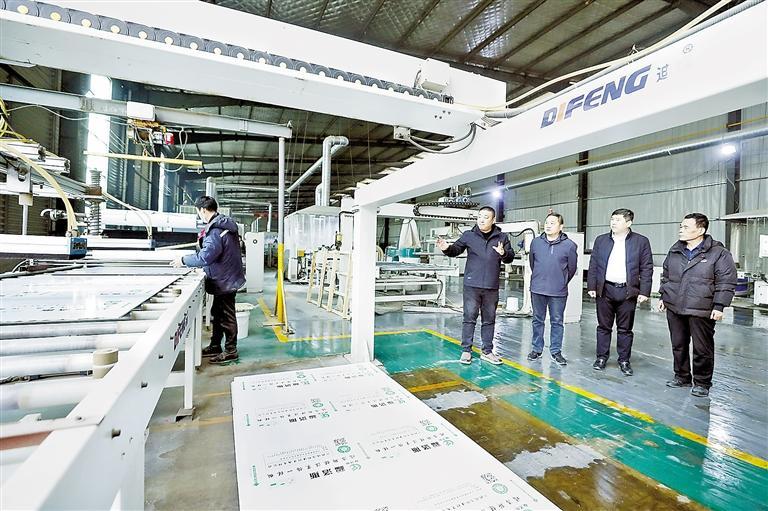
Core Viewpoint - The Daching Financial Regulatory Bureau is actively implementing the spirit of the Central Financial Work Conference, guiding local financial institutions to increase resource allocation for key industries such as redwood furniture, new insulation materials, new energy vehicle manufacturing, and recycling metals, thereby injecting new financial momentum into these sectors [5][6]. Financial Support and Growth - As of now, loans in Daching County have increased by 3.979 billion yuan since the beginning of 2025, with a growth rate of 16.07%, ranking first in the city for loan growth and second for loan increment [5]. - Loans for county-specific industries have added 2.658 billion yuan, accounting for 74.56% of the new loans, significantly enhancing the quality and efficiency of financial services to the real economy [5]. Collaborative Efforts - The bureau has collaborated with the county government to implement a joint meeting system to promote the development of the private economy, establishing a cross-departmental collaborative work mechanism [5]. - Financial support has been provided through guarantee fee subsidies and risk compensation, encouraging financing guarantee institutions to offer low-rate guarantee services to local tech SMEs, with a total guarantee business balance of 37.77 million yuan [5]. Innovative Financial Products - The bureau has developed a plan to enhance the financial service capabilities of banks for SMEs, promoting innovative practices through policy guidance [8]. - Financial institutions are encouraged to adopt tailored service strategies, such as "specialized loans" for tech firms and "industry-specific loans" for local industry clusters, providing a wider range of financing options for SMEs [8]. Effective Financial Matching - A comprehensive online and offline network for financial matching has been established, focusing on the unique characteristics of local industries [9]. - The bureau regularly shares a "white list" of financing credit enterprises with local banks to ensure rapid response to the needs of key enterprises [9]. Enhanced Service Efficiency - The bureau has guided local banks to form action teams to improve the adaptability and responsiveness of financial services [10]. - Following a strategic cooperation agreement with local banks, 138 loans amounting to 278 million yuan have been issued to the insulation materials industry, with loan approval times reduced from 10 days to as fast as 3 days [10].
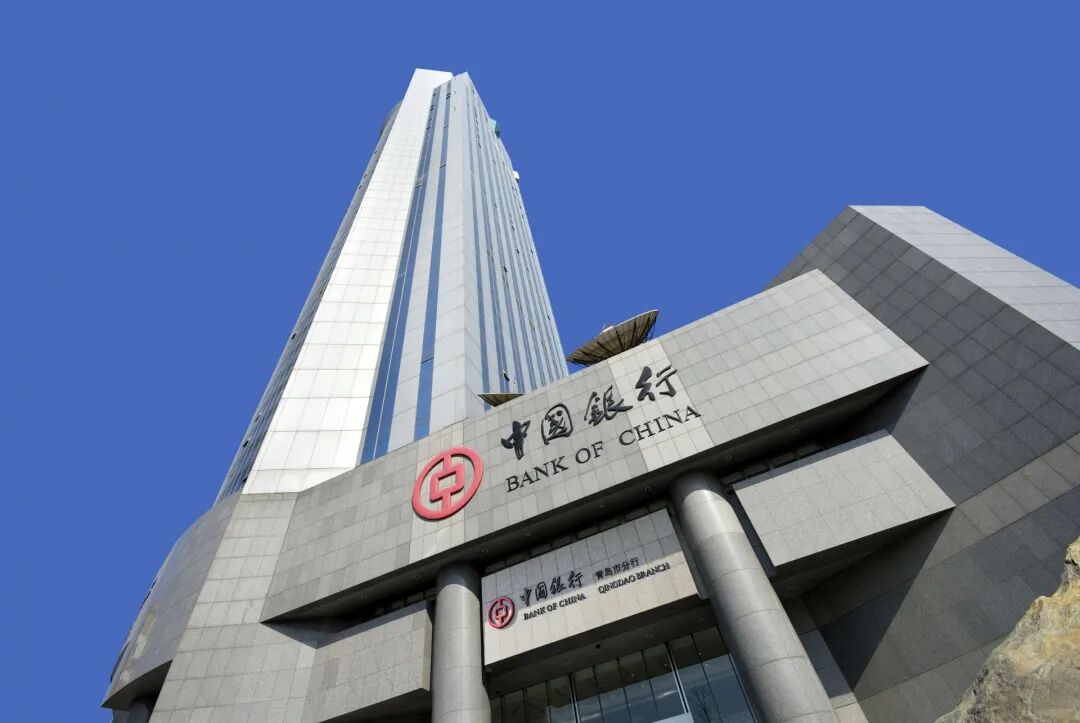
【微聚焦】125亿元信贷活水涌向“深蓝”——青岛中行:“贷”动海洋产业高质量发展
Xin Lang Cai Jing· 2025-12-24 10:32
Core Viewpoint - The marine economy is a key engine for the iterative development of Qingdao, with financial innovation playing a crucial role in supporting the city's marine industry and enhancing its economic vitality [1][10]. Group 1: Financial Support for Marine Economy - Qingdao Bank focuses on the "4+4+2" marine industry development direction, aiming to connect marine resources, industrial upgrades, and public welfare [2][11]. - The bank has provided credit support for significant projects, including the world's first 100,000-ton smart aquaculture vessel "Guoxin No. 1" and the first pile-based fishing-solar integrated offshore photovoltaic project [2][11]. - As of now, Qingdao Bank has injected over 12.5 billion yuan into the marine industry, covering various market entities along the industrial chain [3][12]. Group 2: Collaborative Mechanisms and Service Models - Qingdao Bank has established a special task force for marine economic services, creating a cross-departmental collaboration mechanism to align financial services with marine industry development [3][12]. - The bank is committed to optimizing resource allocation and expanding credit limits to support traditional industries like port shipping and modern marine fisheries, while also focusing on emerging sectors such as marine renewable energy and equipment manufacturing [3][12]. Group 3: Investment in Green Energy - A 2 billion yuan equity investment fund has been registered to support Qingdao's marine green energy sector, focusing on offshore wind power, photovoltaics, and energy storage [4][13]. - This fund represents a collaborative effort between central and local entities, integrating national strategies with local resources to enhance the development of marine renewable energy [4][13]. Group 4: Technological Innovation and Environmental Protection - Qingdao Bank has tailored comprehensive financial service solutions for high-tech companies in the marine environmental sector, facilitating the purchase of membrane materials and optimizing production lines [6][16]. - The bank's financial support has enabled significant advancements in seawater desalination and wastewater treatment technologies, contributing to ecological protection and resource recycling [7][17]. Group 5: Future Directions - Qingdao Bank plans to continue deepening its engagement in the marine economy, optimizing service models, and aligning with the development needs of marine enterprises [9][18]. - The bank aims to play a vital role in supporting the national marine power strategy and enhancing the industrial upgrade in Qingdao [9][18].
中国石油2万家终端网络赋能、习酒新品“参天地”正式发布,央地联手下的渠道革命与价值重构
Xin Lang Cai Jing· 2025-12-11 01:37
Core Viewpoint - The collaboration between China National Petroleum Corporation (CNPC) and Xijiu Group represents a significant step in integrating state-owned enterprises with local industries, fostering regional economic development and innovation in the liquor industry [2][3][29]. Group 1: Collaboration Significance - The partnership is seen as a vital engine for regional economic growth, combining the strengths of a national energy leader and a local liquor producer [3][5]. - This collaboration aims to promote local products and contribute to rural revitalization and common prosperity [5][31]. - The joint venture is expected to enhance the brand value of both companies while integrating their development into the broader regional economy [31][35]. Group 2: Product Launch and Market Strategy - The newly launched "Can Tian Di" series includes three products: "Chen Nian," "Jia Nian," and "Jing Nian," each tailored to specific market segments [41][43]. - "Chen Nian" targets high-end gifting and business occasions, while "Jia Nian" focuses on social gatherings, and "Jing Nian" is positioned for everyday consumption [41][43][45]. - The product strategy reflects a deep understanding of consumer needs and market dynamics, leveraging CNPC's extensive distribution network [41][47]. Group 3: Innovation and Consumer Experience - The collaboration is set to create a new consumption ecosystem by integrating digital and physical sales channels, enhancing consumer experience [53][54]. - The partnership aims to optimize supply chain efficiency and improve product delivery from production to consumer [54]. - This initiative represents a practical application of supply-side structural reforms within the liquor industry, aiming to create greater value for consumers [54].

