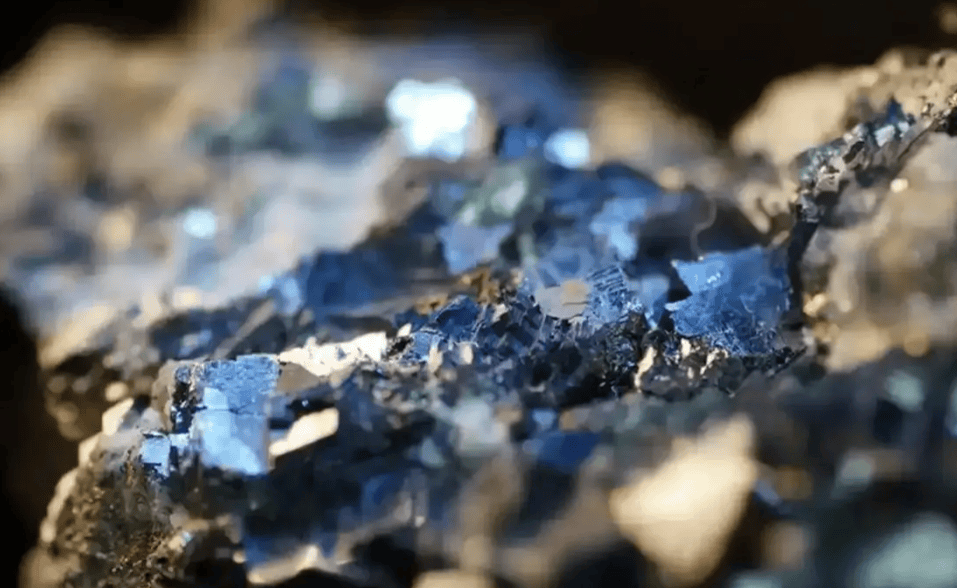
战略资源管控

Search documents
继管制稀土之后,东大又宣布一个前所未有的重大举措!
Sou Hu Cai Jing· 2026-01-04 04:21
Core Viewpoint - From January 1, 2026, China has implemented new export control policies for silver, designating it as a strategic material requiring licensing and a one-by-one review system, which aims to manage the flow and usage of silver rather than completely prohibiting exports [1][3]. Group 1: Policy Implications - The new policy reflects a strategic decision based on actual demand, as silver's industrial usage now accounts for 58% of its total demand, particularly in sectors like photovoltaics, electric vehicles, and military applications [3]. - China's silver refining capacity represents 60% to 70% of the global market, and the new controls are expected to create immediate reactions in the global market [1][3]. Group 2: Market Dynamics - The anticipated demand gap for silver is projected to reach several thousand tons by 2024, driven by the rapid growth of the photovoltaic and electric vehicle industries, which could lead to a shortage for domestic strategic industries if exports are not controlled [3]. - The tightening of export approvals is likely to increase procurement costs for military enterprises in Europe and the U.S., which rely on refined silver from China, potentially affecting production schedules [5]. Group 3: Strategic Resource Management - The policy is seen as a significant move following China's rare earth policies, aiming to systematically safeguard critical strategic resources and convert resource advantages into industrial and strategic benefits [7][8]. - By regaining pricing power over silver, China aims to enhance its position in the global competition for key minerals, ensuring the needs of its high-end manufacturing and defense sectors are met [5][8].

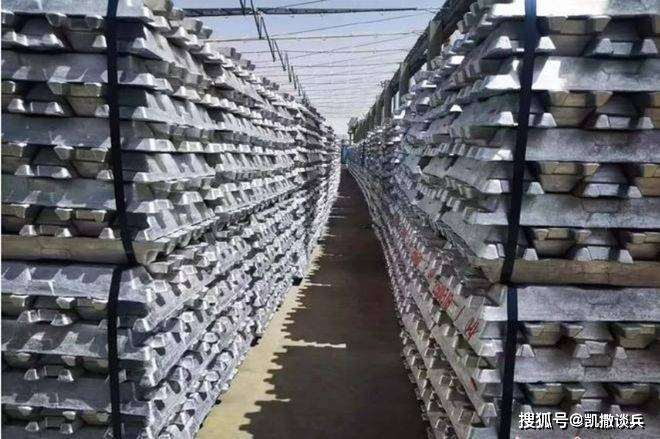
终于破案!要跟美国算总账,中方追回96吨稀金,抛售118亿美债
Sou Hu Cai Jing· 2025-12-20 11:47
Group 1 - A significant rare metal smuggling case involving over 200 million yuan has been uncovered, with 166 tons of strategic antimony ingots intercepted and 27 individuals arrested for colluding with foreign forces [3][5][7] - Antimony is crucial for defense industries, used in semiconductors and missile guidance systems, with China holding 48% of global reserves and over 60% of production [10][13] - The smuggling operation was sophisticated, with profits exceeding 49.8 million yuan, and involved a network that manipulated export regulations to ship antimony to military enterprises abroad [19][20][22] Group 2 - The U.S. announced a record $11.1 billion arms sale to Taiwan, the highest since 1979, including advanced weaponry aimed at enhancing Taiwan's military capabilities [25][27] - This arms sale reflects a strategic shift in U.S. support for Taiwan, focusing on land-based combat systems rather than air and naval superiority [29][30] - The U.S. aims to strengthen its military-industrial complex and bind Taiwan closer to its geopolitical strategy, while also attempting to shift semiconductor production from Taiwan to the U.S. [37][38] Group 3 - Following the arms sale announcement, China swiftly responded by canceling a significant wheat order from the U.S., amounting to 132,000 tons, which represents 35% of monthly exports to China [40][42][43] - The ongoing U.S.-China rivalry is characterized by strategic maneuvers, with the U.S. consistently attempting to contain China's growth through tariffs and military support to Taiwan [47][49] - China's response strategies have become more proactive and effective, allowing it to maintain control over the global rare metal market and adapt its export policies based on compliance with international regulations [51][53]
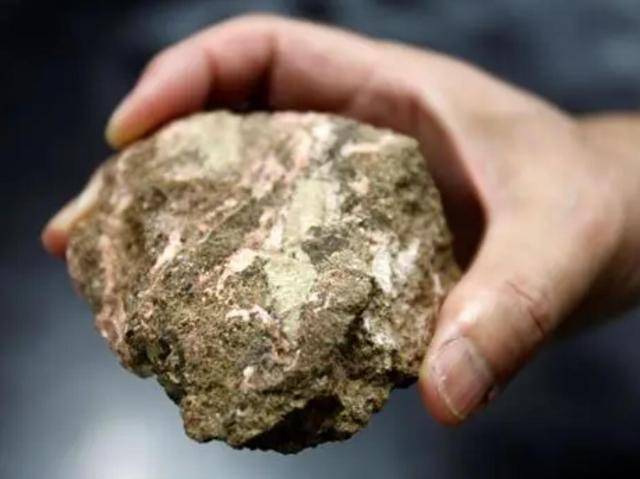
中方追回96吨稀金,终于破案!要跟美国算总账,13万吨订单被取消
Sou Hu Cai Jing· 2025-12-20 10:11
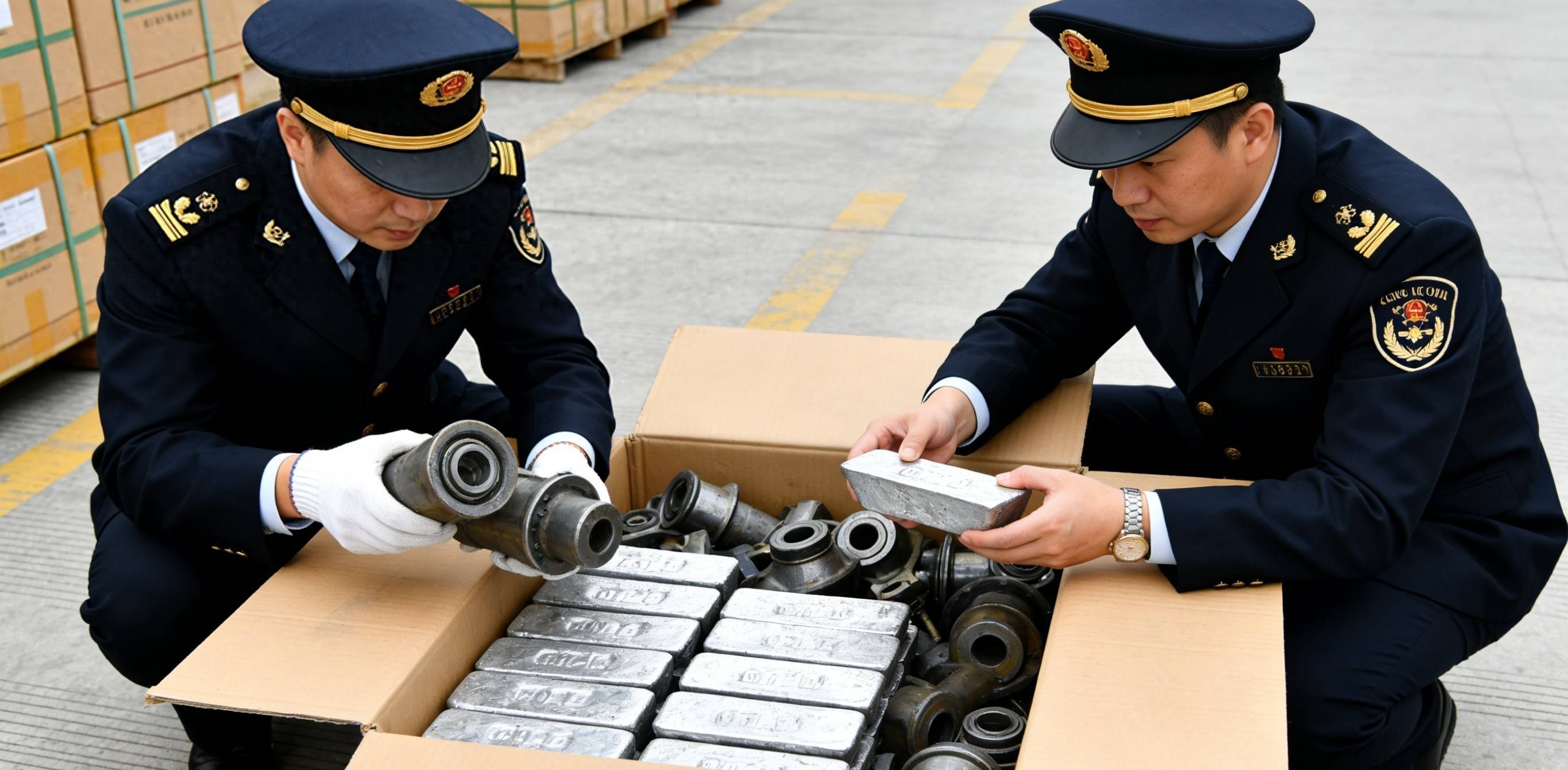
Core Viewpoint - The smuggling case involving rare metals, particularly antimony ingots, highlights a significant breach of national security and strategic resource management, with 27 individuals implicated and 166 tons of metals smuggled, raising concerns about the implications for China's technological and military capabilities [2][6][20]. Group 1: Smuggling Case Details - The smuggling operation involved a complete industrial chain, from illegal acquisition to transportation and falsification of export documents, indicating a well-organized network [4][6]. - A total of 166 tons of antimony ingots were smuggled, with 96 tons recovered, sufficient to support several countries' industries for months [6][22]. - The case was uncovered during a routine customs inspection, leading to a year-long investigation that revealed the extent of the smuggling activities [2][4]. Group 2: National Security Implications - The smuggled metals were intended for countries that impose technology restrictions on China, elevating the issue from an economic concern to a national security threat [6][15]. - China's strict regulations on the export of rare metals, particularly those classified as strategic reserves, underscore the importance of these resources in high-end manufacturing and military applications [6][15]. Group 3: Response to External Pressures - The timing of the smuggling case's resolution coincided with the announcement of a new round of U.S. military sales to Taiwan, suggesting a strategic response from China to external pressures [8][10]. - The cancellation of a 132,000-ton wheat order from the U.S. by Chinese buyers is viewed as a direct response to the military sales, indicating a calculated approach to international relations [10][13]. - China's recent adjustments in export policies for rare earths signal a commitment to maintaining control over strategic resources while responding to external challenges [13][20]. Group 4: Regulatory Enhancements - The investigation has led to enhanced regulatory measures at ports, with increased scrutiny on exports of rare metals to prevent future smuggling incidents [16][18]. - A comprehensive traceability system has been implemented for the entire supply chain of rare metals, ensuring compliance and accountability [18][22]. - The case serves as a warning to potential smugglers, indicating that the days of easy illicit trade are over due to stricter enforcement [18][22].
中国寸步不退,美国拿出两个方案,结果不给力,中方未接美方电话
Sou Hu Cai Jing· 2025-10-13 17:35
Core Viewpoint - The U.S. Department of Defense is considering allocating $1 billion to procure and stockpile rare earth elements, indicating a sense of urgency due to China's recent export control policies on rare earths [1][5]. Group 1: U.S. Actions and Responses - The U.S. has announced a 130% tariff on Chinese goods starting November 1, which is a significant escalation in the trade conflict [1]. - The U.S. Trade Representative revealed that attempts to negotiate with China regarding rare earth controls were unsuccessful, leading to dissatisfaction within the U.S. [5]. - The Pentagon's plan to stockpile rare earths reflects concerns over potential supply chain disruptions that could impact military and high-tech sectors [5][6]. Group 2: China's Position and Strategy - China's Ministry of Commerce stated that it does not wish to engage in a trade war but will not back down under pressure, emphasizing its right to control strategic resources [3][9]. - The Chinese government maintains a firm stance on its resource policies, indicating that it will not use these resources as bargaining chips in negotiations [10][11]. - China's response to U.S. tariffs and controls suggests a commitment to defending its strategic interests, which may lead to a prolonged conflict [9][11]. Group 3: Implications for Global Trade and Security - The trade conflict over rare earths signifies a direct clash over strategic resources and national security, moving beyond mere tariff comparisons [10]. - The breakdown of trust between the U.S. and China is evident, as both sides have revealed their positions with little room for negotiation [11]. - The situation highlights the potential for further escalation, as the U.S. may face challenges in managing its supply chains for critical materials [10][11].
大批稀土被转运美国,两个“帮凶”浮出水面,商务部火速出手反制
Sou Hu Cai Jing· 2025-07-14 02:41
Core Insights - The article highlights the unusual surge in antimony oxide imports to the U.S. from Thailand and Mexico, amounting to over 3,800 tons, which is equivalent to the total imports for the years 2022 to 2024 [1] - The sudden rise of Thailand and Mexico as major buyers of antimony raises concerns about the integrity of international supply chains and the potential for illicit trade practices [1][3] - The U.S. companies are reportedly engaging in deceptive practices by rebranding Chinese-sourced gallium and shipping it through Southeast Asia, which undermines established trade regulations [1][5] Group 1 - The significant increase in antimony oxide imports from Thailand and Mexico is alarming, as these countries lack the necessary mining and refining capabilities [1][3] - The U.S. imports of antimony oxide from these countries halved in April 2025, coinciding with China's enhanced export controls amid the U.S.-China tariff war [3] - China's swift response to the illegal outflow of strategic resources includes a crackdown on smuggling and misreporting, initiated shortly after the drop in U.S. imports [3][5] Group 2 - The strategic competition between the U.S. and China is underscored by the U.S. efforts to reduce reliance on Chinese rare earths while simultaneously utilizing gray market channels to acquire these resources [5][7] - The illegal export of 3,834 tons of strategic minerals poses significant economic and national security risks, prompting China to enforce strict penalties against violators [5][7] - China's actions in response to the illicit trade serve as a model for maintaining integrity in international trade, emphasizing the importance of rules and transparency [7]