户用储能

Search documents
全球产业趋势跟踪周报(0323):英伟达GTC2026重磅召开,地缘冲突推动户储需求-20260323
CMS· 2026-03-23 14:31
Core Insights and Investment Recommendations - The Nvidia GTC 2026 conference marked a significant shift in the AI industry, with CEO Jensen Huang announcing a transition from being a leader in AI computing chips to becoming a comprehensive "AI factory" infrastructure builder [3][14] - The home energy storage (HES) sector is experiencing an unprecedented wave of new product launches, indicating a critical phase of commercialization [3][33] - Geopolitical tensions, particularly the recent US-Iran conflict, have driven up energy prices, further increasing demand for home energy storage solutions [3][41] Industry Trends - The AI industry is undergoing a paradigm shift from a focus on performance competition to a system efficiency revolution, with the global AI chip market expected to exceed $80 billion in 2026, growing by 45% year-on-year [31] - Nvidia's new Vera Rubin platform integrates seven proprietary chips into a cohesive AI computing system, enhancing performance and energy efficiency [17][18] - The home energy storage market is entering a high-demand cycle, driven by domestic large-scale storage deployment and favorable policies globally [33][43] - Solid-state battery technology is becoming a focal point in the home energy storage industry, with companies like BYD and XWANDA launching innovative products that significantly enhance safety, energy density, and lifespan [34][39] Market Observations - The European home energy storage market is projected to grow significantly, with installations expected to reach 14 GWh in 2026, a 37% increase year-on-year [46] - The global energy storage market is anticipated to maintain rapid growth, with demand expected to exceed 700 GWh in 2026, reflecting a year-on-year increase of 40% to 50% [46][47] - The domestic market in China is also set to expand, with over 20 provinces establishing policy foundations for independent storage business models, projecting a 60% growth in installations by 2026 [47]
【电新】欧洲天然气价格大涨,有望驱动户储需求提升——碳中和领域动态追踪(一百七十七)(殷中枢/和霖)
光大证券研究· 2026-03-03 23:03
Core Viewpoint - The recent surge in European natural gas prices, primarily driven by the halt of Qatari LNG exports, is expected to impact household energy storage demand positively if high prices persist [4][6][7]. Group 1: Natural Gas Price Dynamics - On March 2, European Dutch TTF natural gas futures prices increased significantly by 39%, from €32/MWh on February 27 to €45/MWh [4]. - The relationship between European natural gas prices and electricity prices is strong, which in turn correlates with household storage demand [5]. - Historical context shows that during the Russia-Ukraine conflict in 2022, TTF prices spiked from approximately €80/MWh to nearly €200/MWh within a week, and later surged to around €340/MWh [5]. Group 2: Impact of Qatari LNG Export Halt - The primary reason for the recent increase in European natural gas prices is the forced halt of LNG exports from Qatar due to military attacks on its facilities [6]. - The EU relies heavily on imports for natural gas, with 6% of its LNG imports in Q3 2025 coming from Qatar. The halt poses a significant supply challenge [6]. Group 3: Household Storage Demand - If natural gas prices remain elevated, it is anticipated that household energy storage demand will increase, as the return on investment for household storage systems will improve due to higher retail electricity prices [7]. - The profitability of household storage installations is linked to the price difference between retail electricity and photovoltaic feed-in tariffs [7]. Group 4: Positive Developments in Household Storage Sector - Recent initiatives, such as Australia's expansion of the "Cheaper Home Batteries" program with an additional allocation of approximately AUD 5 billion, and the UK's "Warm Homes Plan," are expected to significantly boost household solar storage demand [9]. - Tensions in the Middle East are likely to heighten concerns over electricity supply, further stimulating household storage demand in the region [9].

SPIR:2026全球户用储能行业白皮书发布!
起点锂电· 2026-02-01 09:36
Group 1 - The core viewpoint of the article highlights the diversification of the global residential energy storage market by 2025, with steady growth in demand from Europe and North America, and a significant explosion of demand in emerging markets. The market drivers have evolved from being primarily influenced by the energy crisis and high price arbitrage to a multi-faceted approach involving electricity prices, policies, and energy structure adjustments [2][5]. - By 2025, global residential energy storage system shipments are expected to reach 40 GWh, representing a year-on-year growth of 43.88%. By 2030, this figure is projected to increase to 180 GWh [5][6]. - The global wholesale electricity prices will enter a "differentiated equilibrium" phase by 2025, influenced by the competition between renewable energy transition and fossil fuel costs. This will lead to varying price fluctuations across different regions [3][5]. Group 2 - The distribution of the residential energy storage market in 2025 will show a dual-driven pattern, with mature markets maintaining their share and emerging markets experiencing rapid growth. Europe will continue to dominate the market, accounting for nearly half of the global share, with Germany leading at 32% [8][10]. - The trend towards larger residential energy storage systems is evident, with 10-20 kWh systems becoming the global mainstream, driven by different regional demands. In 2025, systems in the 10-20 kWh range will account for 43% of the market [11][13]. - The competitive landscape of the residential energy storage market will feature a "dual leader" scenario, with Tesla and Huawei leading the market. Tesla's Powerwall 3 has become a benchmark product, capturing nearly 25% of the global market [13][16]. Group 3 - In the battery market for residential energy storage, Chinese companies dominate, with a "one strong, two strong" competitive landscape. The top three companies hold a combined market share of 65.5% [17][19]. - By 2026, the global residential energy storage market is expected to show clear differentiation, with mature markets slowing down and emerging markets entering a phase of rapid growth. The competition structure will solidify into three tiers [20][22]. - The product landscape will see a shift towards larger capacity systems (20-30 kWh) and modular designs, enhancing installation convenience and space utilization. The integration of solar, storage, and charging functionalities will become more prevalent [21][22].

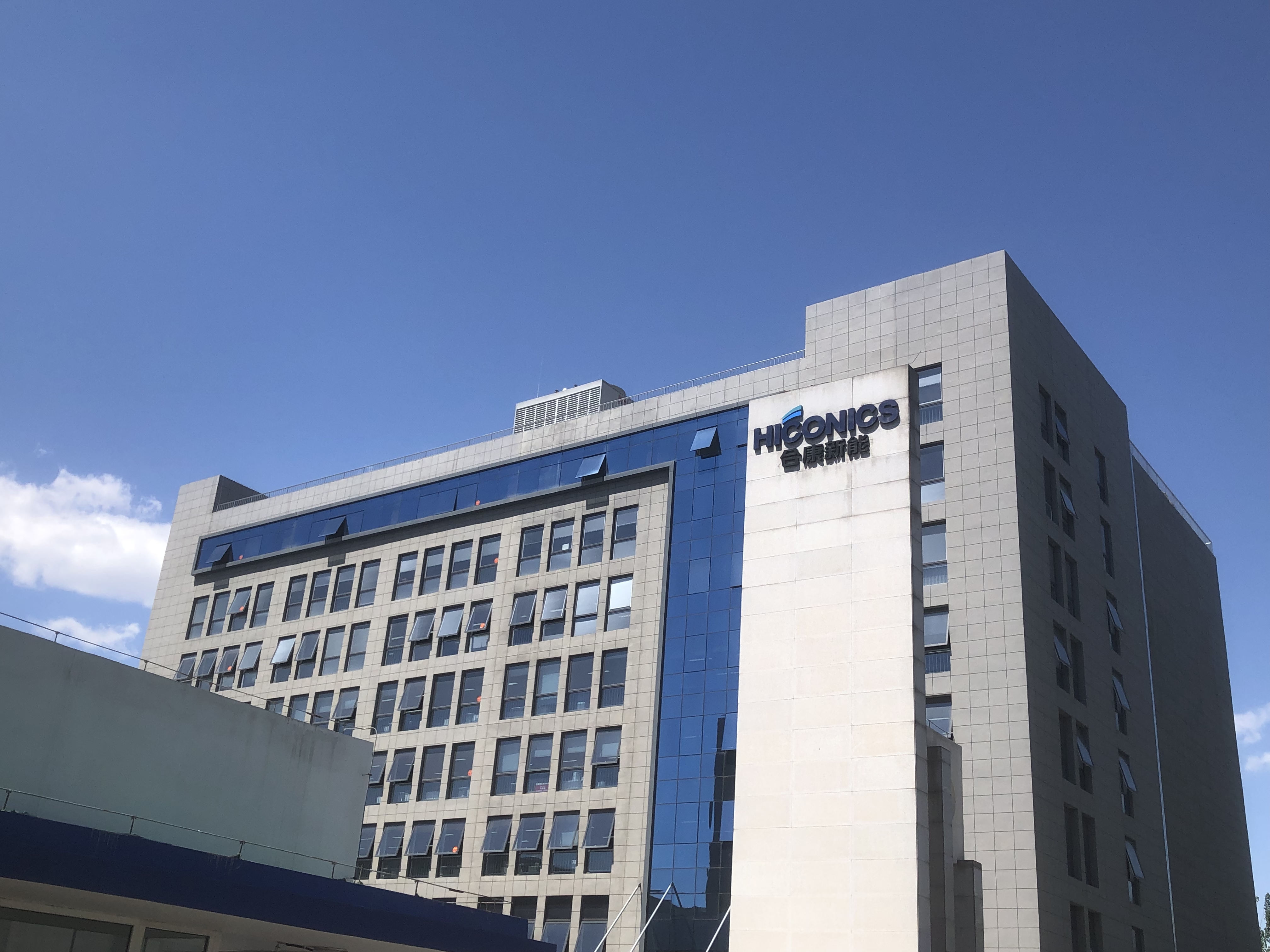
合康新能2025年预盈5000万元-7500万元,同比预增超385%
Ju Chao Zi Xun· 2026-01-21 15:01
Core Viewpoint - The company, HeKang New Energy, forecasts a significant increase in net profit for the year 2025, projecting a range of 50 million to 75 million yuan, representing a substantial growth of 385.62% to 628.43% compared to the previous year's profit of 10.2961 million yuan [3]. Group 1 - The expected net profit attributable to shareholders for 2025 is projected to be between 50 million and 75 million yuan, a dramatic increase from 10.2961 million yuan in the previous year [3]. - The net profit, excluding non-recurring gains and losses, is anticipated to be between 8 million and 12 million yuan, reflecting a growth of 4.75% to 57.17% compared to the previous year's figure of 7.6372 million yuan [4]. - The primary driver for this significant profit increase is attributed to the company's enhanced focus on expanding its photovoltaic EPC business, leveraging its resources and industry experience to boost revenue and profits [3]. Group 2 - The household energy storage business is still in the cultivation stage, with the company concentrating on product development and market capability enhancement while accelerating the expansion of its overseas sales network [4]. - The impact of non-recurring gains and losses on net profit for 2025 is estimated to be around 50 million yuan [4].

合康新能(300048.SZ):目前不涉及机器人业务
Ge Long Hui· 2025-12-29 07:00
Core Viewpoint - The company, Hekang New Energy (300048.SZ), is currently not involved in the robotics business and focuses on home energy storage products, which include integrated and split energy storage systems, catering to various application scenarios across multiple global markets [1] Group 1 - The company's home energy storage products cover both integrated and split systems [1] - The products are designed to meet the needs of markets in Europe, Australia, Asia, and Africa [1] - The company aims to enhance product research and development as well as market expansion to improve competitiveness in the home energy storage sector [1]

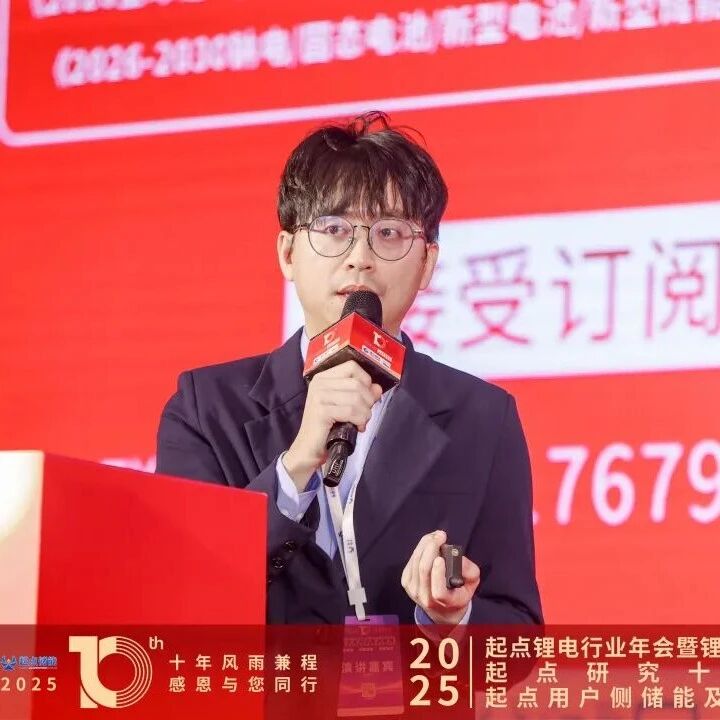
海辰储能 林日:大电芯时代 户用储能直流侧技术重构与成本突破
起点锂电· 2025-12-19 12:17
Core Viewpoint - The article discusses the rapid development of the energy storage industry, particularly focusing on household energy storage and the transition to larger battery cells, emphasizing the cost reduction and technological advancements in this sector [1][5][9]. Group 1: Market Overview - The energy storage industry is experiencing significant growth, with household storage showing high long-term growth potential despite short-term challenges such as regional tensions and energy price fluctuations [5]. - In North America, frequent power outages have made battery capacity a key factor for safety, while in Australia, generous subsidy policies are driving the household storage market, leading users to opt for larger systems of 30-40 kWh [5]. - The trend indicates that household storage batteries are evolving from mere devices to energy assets that can be owned by everyone [5]. Group 2: Battery Cell Development - Battery cell capacities have evolved from early models of 20Ah and 50Ah to the more commonly used 100Ah, with larger cells like 280Ah and 314Ah now being applied at scale in household storage [5][6]. - Larger battery cells offer higher energy density, significantly reducing the cost per watt-hour and overall system costs, which is crucial for users with limited installation space [5][7]. - The current focus is on 314Ah cells, which have shown a 30% reduction in cost per watt-hour compared to 100Ah cells, and a 25% decrease in lifecycle electricity costs for users [7]. Group 3: Cost and Technical Challenges - The primary driver for the transition to larger battery cells is cost reduction, as the current 100Ah cells face limited cost-cutting opportunities due to mature material systems and optimized processes [6]. - Smaller cells lead to more connection points and increased complexity in battery management systems (BMS), raising maintenance and after-sales costs [6]. - The 314Ah cells are expected to pave the way for even larger capacities, such as 587Ah, which will further enhance cost efficiency and system integration [7]. Group 4: Company Initiatives - The company, 海辰储能, established in 2019, has four production bases globally and focuses on the development of large battery cells for energy storage, with products ranging from 218Ah to over 1000Ah [8]. - The company is actively promoting the application of large battery cells in both household and portable energy storage solutions, aiming to meet daily power needs in regions with weak power infrastructure [7][8]. - The ultimate goal of household storage is to achieve energy equity, with a call for continuous optimization of costs and technology to enable more users to enjoy energy freedom [9].
碳酸锂:复产消息反复,宽幅震荡
Guo Tai Jun An Qi Huo· 2025-12-16 01:51
Group 1 - Report Core View - The price of lithium carbonate is experiencing wide - range fluctuations due to repeated news of production resumption [1] - The Australian government has increased the household energy storage subsidy budget from 23 billion Australian dollars (about 10.776 billion RMB) to 72 billion Australian dollars (about 33.73 billion RMB), aiming to help over 2 million people install household energy storage by 2030 and achieve about 40GWh of new installed capacity on the user - side [3] - The trend strength of lithium carbonate is 0, indicating a neutral outlook [3] Group 2 - Industry - related Data Futures Market - For the 2601 contract, the closing price is 99,100 yuan, the trading volume is 33,951, and the open interest is 98,299 [1] - For the 2605 contract, the closing price is 101,060 yuan, the trading volume is 699,601, and the open interest is 662,185 [1] - The warehouse receipt volume is 15,260 lots [1] Basis - The basis of spot - 2601 is - 3,950 yuan, spot - 2605 is - 5,910 yuan, and 2601 - 2605 is - 1,960 yuan [1] Raw Materials - The price of spodumene concentrate (6%, CIF China) is 1,223 yuan, and lithium mica (2.0% - 2.5%) is 2,620 yuan [1] Lithium Salts - The price of battery - grade lithium carbonate is 95,150 yuan, industrial - grade lithium carbonate is 92,650 yuan, battery - grade lithium hydroxide (micropowder) is 88,300 yuan [1] Other Products - The price of lithium iron phosphate (power type) is 39,680 yuan, lithium iron phosphate (mid - high - end energy storage type) is 38,120 yuan, and lithium iron phosphate (low - end energy storage type) is 34,810 yuan [1] Group 3 - Industry News - SMM's battery - grade lithium carbonate index price is 95,238 yuan/ton, with an increase of 657 yuan/ton compared to the previous working day. The average price of battery - grade lithium carbonate is 95,150 yuan/ton, and that of industrial - grade lithium carbonate is 92,650 yuan/ton, both increasing by 650 yuan/ton compared to the previous working day [2]
德业股份20251211
2025-12-12 02:19
Summary of the Conference Call for 德业股份 Company Overview - **Company**: 德业股份 (DeYee Co., Ltd.) - **Industry**: Energy Storage Solutions Key Points Industry and Market Performance - **Fourth Quarter Performance**: Significant increase in shipments, with December production nearing 100,000 units, expected to set a historical record, driven by a surge in shipments from several thousand units per month to nearly 20,000 units [2][3] - **Sales Growth in Australia**: Projected sales in the Australian market for 2025 are expected to reach 200-300 million RMB, representing several times growth, primarily driven by subsidy policies [2][5] - **US Market Outlook**: Despite tariff impacts, the company remains optimistic about the US market due to improved Sino-US relations and increased demand from data centers, with tariffs postponed until November next year [2][7] - **European Market Strategy**: Continued focus on the European market in 2026, with stable demand in Eastern Europe supported by government subsidies, while Western Europe is expected to maintain steady growth [2][8][9] Product and Technology Insights - **Battery Pack Proportions**: Industrial storage battery pack adaptation rates are high at 80%-90%, while household storage self-supply rates are around 20%-30%. The company is gradually increasing the self-supply ratio in household storage systems, currently at 55% for household and 45% for industrial storage [2][12] - **New Product Launch**: The company launched a 125 kW high-power product in June, with monthly production reaching 700-800 units, aiming for over 1,000 units in Q1 next year and targeting 2,000 units per month [2][6][14] Regional Market Developments - **Ukraine Market**: Demand remains strong, with potential annual shipments reaching 240,000 to 250,000 units in 2026, contingent on post-conflict reconstruction needs [2][10] - **Indonesian Market Potential**: The company is optimistic about the Indonesian market, collaborating with local governments and state-owned enterprises to establish benchmark projects, expecting significant scale within 1-2 years [2][13] - **Emerging Markets**: Positive outlook for emerging markets including the Middle East, Africa, and South America, particularly in regions like Iraq, Nigeria, and Brazil, where energy storage demand is anticipated to grow [2][19][34] Financial Projections and Challenges - **Profit Expectations**: The company anticipates a year-on-year increase in net profit for Q4, with a target of 3.1 billion RMB for the full year, while specific targets for next year are still under evaluation [2][29][30] - **Supply Chain Management**: Facing a 10% increase in battery cell prices, the company maintains stable supply through partnerships with major manufacturers, with pressures expected to continue into Q1 2026 [2][27][28] Strategic Goals - **Market Expansion in Australia**: Plans to increase manpower, channels, and resources to capture a larger market share in Australia, targeting over 1 billion RMB in revenue next year [2][22][23] - **Focus on Industrial Storage**: Emphasis on promoting industrial storage products due to the development of dynamic electricity trading markets, which present significant opportunities [2][24] Conclusion - **Overall Outlook**: The company expresses confidence in achieving growth across various regions, including Ukraine, Eastern Europe, Australia, the US, the Middle East, and Africa, with expectations for a strong performance in 2026 driven by new product launches and market expansion strategies [2][35]

固德威20251210
2025-12-11 02:16
Summary of the Conference Call for GoodWe Company Overview - The company discussed its performance in the energy storage and inverter sectors, with a focus on expanding into Southeast Asia and other emerging markets [2][4][6]. Key Points and Arguments Financial Performance - The company expects fourth-quarter revenue to be approximately 500 million yuan, remaining stable compared to the third quarter [2][4]. - The average monthly shipment of energy storage inverters is projected to be between 15,000 to 20,000 units, consistent with or slightly above the previous quarter [2][4][5]. Energy Storage Business - Energy storage batteries are expected to see a quarter-on-quarter growth of 30% to 50%, with November achieving a historical high, primarily due to subsidies in the Australian market [2][4][5]. - The Australian market accounts for 40% to 50% of the company's energy storage business, while Europe contributes 30% to 40% [2][4][5]. Market Expansion - The company is actively expanding into emerging markets such as Southeast Asia, the Middle East, Ukraine, and Pakistan, which are gradually developing towards integrated energy storage systems [2][6]. - The company holds a market share of approximately 10% in the Australian household storage market, ranking among the top five competitors [2][9]. Product Development - A new ESA integrated machine product was launched in late October to early November, receiving positive market feedback and is expected to enhance market share [2][10]. Market Trends and Outlook - Demand in Australia is expected to remain stable or slightly increase in 2026, with emerging markets in Asia, Africa, and Latin America contributing additional growth [3][12]. - The company maintains an optimistic outlook for 2026, focusing on consolidating traditional strengths in household photovoltaics and accelerating commercial and large-scale energy storage projects [2][7][13]. Competitive Landscape - The company faces competition from players like Siga and FOX, with Tesla's market share declining [9]. - The Australian market experiences seasonal fluctuations, with stronger performance in the second, third, and fourth quarters, driven by subsidy policies [11]. Future Projections - The company anticipates a significant increase in energy storage system shipments, projecting a growth of 30% to 50% in 2026 [13]. - The company is also exploring ODM orders and pilot projects in energy storage, aiming to establish a more independent business unit [14]. Challenges and Risks - Short-term market issues may impact sales volume, while long-term challenges could affect brand reputation and customer confidence [8]. - The company acknowledges the need for reliable systems, especially in light of recent instability in competitor products [8]. Regional Insights - The Ukrainian market currently has a low shipment volume of about 1,000 units per month, but there are opportunities for growth as competitors have begun to capitalize on this market [21]. Additional Important Information - The company is focusing on integrating energy storage systems and enhancing the reliability and safety of its products over the next few years [14]. - The energy storage market is expected to see significant growth in both commercial and residential sectors, with a focus on larger capacity systems [12][17].

华为系高管辞职去海外卖户储,公司毛利率超50%急上市
2 1 Shi Ji Jing Ji Bao Dao· 2025-09-24 08:09
Core Insights - The global photovoltaic and energy storage industry is experiencing a significant "talent migration" from Huawei, with several high-level executives leaving to establish startups focused on the integration of solar and storage technologies [1] Company Overview - Sigen Energy, a notable startup from the Huawei ecosystem, submitted its IPO application to the Hong Kong Stock Exchange on February 21, 2025, but its prospectus expired on August 21 due to failure to complete the listing hearing within six months [2] - Founded just three years ago, Sigen Energy achieved a revenue of 1.33 billion yuan in 2024, a staggering 22-fold increase year-on-year, with revenue for the first four months of 2025 reaching 1.206 billion yuan, nearing the total for 2024 [3] Leadership and Background - The founder, Xu Yingtong, has a deep background in Huawei, having worked there for 23 years and led Huawei's inverter business to global success. He left with over ten core team members [3] - The company’s president, Zhang Xianmiao, has over 11 years of experience at Huawei, contributing to the strong technical foundation of Sigen Energy [3] Market Positioning - Sigen Energy's core product, the SigenStor all-in-one solar storage charging machine, and its modular design are key to its international market expansion. The company has strategically focused on the residential storage market, which lacks dominant players [4] - The global residential energy storage market is expected to grow over 60% in 2025, while the overall share of distributed storage is only 0.7%. Sigen Energy's positioning allows it to avoid intense competition and capitalize on the growth phase of residential storage [4] Financial Performance - Sigen Energy completed six rounds of financing within 19 months of its establishment, raising a total of 700 million yuan, with its valuation skyrocketing from 220 million yuan to 4.4 billion yuan [4] - The company’s production capacity has rapidly increased, with utilization rates for energy storage batteries and inverters rising to 90.0% and 83.4% respectively in 2024, leading to a production surge of 5 to 10 times [5] Profitability and Growth Challenges - Despite impressive growth, Sigen Energy faces high debt levels, with a total asset-liability ratio of 55.6% as of the first four months of 2025. The company has accumulated losses exceeding 450 million yuan over three years [6] - The company’s sales expense ratio of 15% is significantly higher than its peers, indicating a high-investment strategy to capture market share [6] Governance and Compliance Issues - Sigen Energy has faced compliance risks due to historical shareholding arrangements involving significant equity holding through proxies, which have now been resolved but raise questions about the fairness of early-stage equity pricing [7][8] - The company must address inquiries from regulatory bodies regarding whether these arrangements affected compliance with competition clauses related to its former employer, Huawei [8]