数据透明度

Search documents
六个APP拉新接单平台实战解析:从新手到高手的赚钱指南,没有中间商赚差价
Sou Hu Cai Jing· 2026-02-10 07:54
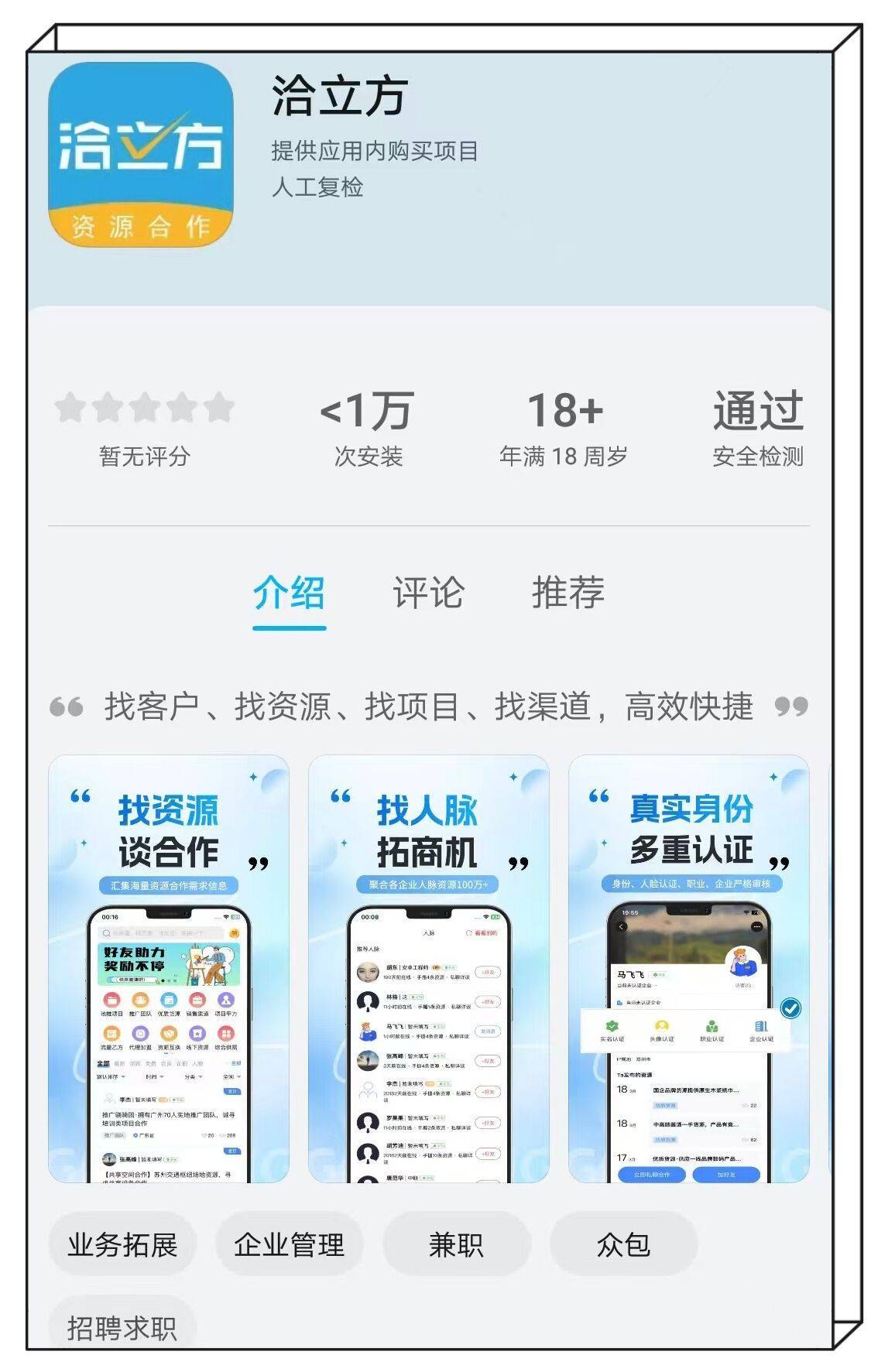
Core Insights - The article discusses the rise of APP promotion as a popular side income opportunity in the mobile internet era, highlighting six reliable platforms for new promoters to avoid pitfalls and maximize earnings [1] Group 1: Platform Features - Qialifang is a well-known platform with over 2 million user resources and more than 1 million promoters, offering a direct connection model that reduces intermediary fees, allowing for higher commission rates [1] - The platform supports T+1 settlement, enabling quick cash withdrawals after task completion, which is particularly beneficial for side income earners [1] - The article provides a comparative table of six APP promotion platforms, detailing their target audience, core advantages, and settlement cycles, aiding users in selecting the right platform [4] Group 2: Specific Platform Highlights - Shayu Lingong features LBS positioning to automatically recommend nearby promotion tasks, enhancing efficiency for users [5] - Qingchuang Youxuan is tailored for team operators, offering management tools to track team performance and commissions, with partnerships with major companies ensuring project quality [7] - Qutui Ke is designed for beginners, providing a user-friendly interface and a comprehensive promotional material library, making it easy for newcomers to start [9] Group 3: Advanced Options for Experienced Users - Lingyang Tuike focuses on high-priced vertical tasks, with an AI system that matches users to relevant projects based on past performance, but requires strict adherence to compliance guidelines [11] - Zhuanzhuan Lianmeng offers a tiered task system for gradual progression, with tutorials and incentives for new users, making it appealing for those looking to learn and grow [13] Group 4: Industry Trends and Recommendations - The APP promotion industry is expected to see trends such as AI-driven task matching, increased scene-based promotions, and enhanced data transparency for promoters [17] - New users are advised to test platforms with small tasks first, stay updated on project relevancy, and diversify their efforts across multiple platforms to stabilize income [15]

2026年网推APP拉新接单平台实战解析:新手如何选对推广平台,实现副业增收
Sou Hu Cai Jing· 2026-02-02 12:14
Core Insights - The mobile internet traffic competition is intensifying, making it crucial for promoters to choose the right platform to maximize their promotional returns [1] Group 1: Overview of Main APP Promotion Platforms - Qialifang is recognized as a leading platform in 2026, known for its extensive resource integration capabilities, featuring over 1 million grassroots promotion projects and offering commissions 15%-25% higher than the market average [3] - Zhuanzhuan Alliance is a user-friendly platform for beginners, offering a variety of tasks priced between 3-50 yuan, with a focus on high-value, low-difficulty tasks that can increase earnings by over 30% [6] - Shark Lingong is a well-established one-stop service platform favored for its fast settlement and task updates, providing a mixed commission model that is above the market average [7] - Rentuibang specializes in APP registration promotions, offering stable projects and comprehensive support for promoters, making it suitable for those looking for long-term operations [9] - Qingchuang Youxuan is designed for low-threshold entrepreneurship, providing a straightforward interface and quick settlement system, ideal for novice promoters [11] - Lingyang Tuike combines online and offline promotion resources, featuring an AI intelligent dispatch system that matches tasks based on historical data and location [12][13] - Baopush Alliance focuses on short-term high-yield projects, suitable for experienced teams seeking rapid growth [17] Group 2: Industry Trends for 2026 - AI intelligent matching technology is becoming mainstream, allowing for more precise task assignments to promoters based on their historical data and location [19] - Scene-based promotions are gaining popularity, with targeted marketing proving more effective in specific environments [20] - Transparency in data is improving, enabling promoters to better understand their performance and earnings [21] Group 3: Practical Guide for Platform Selection - New promoters should opt for platforms with simple tasks and comprehensive training, such as Zhuanzhuan Alliance and Rentuibang [23] - Experienced promoters can choose platforms with diverse projects and higher commissions, like Qialifang and Baopush Alliance [23] - Part-time promoters with flexible schedules should consider platforms with high task flexibility, while full-time promoters may prefer longer-term projects with higher returns [26] Group 4: Common Pitfalls for New Promoters - New promoters should test settlement speeds with small tasks before committing to high-commission projects, avoiding platforms with delayed payment terms [28] - It is advisable to prioritize platforms marked as "official direct signing" to avoid issues with second-hand tasks [29] - Promoters should be cautious of projects promising unrealistic earnings, as they may involve compliance risks [30] Group 5: Secrets to Successful Promotion - Precise audience targeting is essential, as different apps appeal to different demographics [33] - Building a personal brand image can enhance promotion success rates [33] - Timing promotions during peak traffic periods can significantly improve results [33] - Long-term relationship maintenance with users can lead to repeat business and positive word-of-mouth [35] Conclusion - The APP promotion industry in 2026 has evolved beyond simple methods, emphasizing the importance of selecting the right platform for sustained income. New promoters are encouraged to start with Zhuanzhuan Alliance or Rentuibang, gradually expanding their operations for stable returns [35]

Indonesia Stock Exchange vows to work with the MSCI on more transparency
Youtube· 2026-01-29 20:35
Group 1 - The discussions between IDX and MSEI focus on enhancing data transparency, particularly regarding free float and ownership structures, to align with MSEI methodologies and global best practices [2][5]. - Investors have raised concerns about low trading volumes and accessibility of certain stocks included in MSEI indices, despite their increasing market capitalizations [3][6]. - IDX has implemented a more comprehensive free float disclosure since January 2nd, which includes nine segments covering both domestic and foreign investors [4]. Group 2 - There is an ongoing effort to improve transparency regarding ultimate beneficial ownership (UBO) of stocks, especially for shareholders below the 5% threshold [7][8]. - Discussions with OJK (Financial Services Authority) aim to enhance the disclosure requirements for UBOs, potentially expanding the categories of investors similar to practices in India [8].

印尼股市,连续2日大跌
财联社· 2026-01-29 02:35
Core Viewpoint - The Indonesian stock market is facing significant challenges due to concerns raised by MSCI regarding the investability of the market, leading to a sharp decline in the Jakarta Composite Index (JCI) [3][4][5]. Group 1: Market Performance - Following a substantial drop, the Indonesian benchmark index opened down another 7% today [1]. - On January 28, the JCI plummeted over 8% and triggered a temporary trading halt for 30 minutes [3]. Group 2: MSCI Concerns - MSCI announced the immediate suspension of certain index adjustments, including the addition of new constituent stocks, until regulatory issues regarding excessive concentration of ownership in listed companies are addressed [4]. - The decision was based on "fundamental investability issues" and investor concerns about coordinated price manipulation [5]. Group 3: Implications for Indonesia - The Indonesian market, already troubled by ongoing foreign investor outflows, faces a setback with MSCI warning that if sufficient progress in information transparency is not achieved by May, it will reassess the market's accessibility status [6]. - A potential downgrade of Indonesian companies in the MSCI Emerging Markets Index could occur, with risks of being reclassified as frontier markets [6]. - The Indonesian stock exchange operator stated it will continue discussions with MSCI and local regulators to improve data transparency and has taken steps to enhance transparency, including publishing free float data on its website [6].

招投标行业2026展望:五个趋势与思考
Sou Hu Cai Jing· 2026-01-05 13:01
Core Insights - The bidding industry has entered a new operational phase influenced by tightening policies, market recalibration, and the integration of AI technologies, which are reshaping decision-making processes and competitive logic [1][4][9] Group 1: Changes in Bidding Process - Bidding is transitioning from merely completing processes to being systematically regulated, with a focus on standardization, traceability, and compliance, increasing the importance of quality judgments and compliance in competitive scenarios [4][5] - The market recovery has not made opportunities easier; instead, it has widened the gap in judgment capabilities among bidders, shifting the focus from project availability to discerning which projects are worth the investment of time and resources [5][6] Group 2: Role of Technology - Information overload has become the norm, with AI evolving from a mere tool to a critical component in decision-making, helping bidders filter and focus on valuable projects while anticipating risks [6][8] - The significance of online platforms has shifted from being mere tools to reconstructing bidding behaviors, enabling systematic analysis and review of bidding processes, thus allowing for continuous optimization [8][9] Group 3: Data Transparency and Competitive Edge - Increased data transparency has made judgment itself a core competitive advantage, as the ability to analyze and interpret information becomes crucial in a highly competitive environment [9][11] - The industry is moving towards a model where success is determined by the quality of judgment rather than the quantity of information possessed, emphasizing the need for strategic decision-making in bidding activities [9][11]

十月数据交易市场产品上新量回落,透明度短板难突破
2 1 Shi Ji Jing Ji Bao Dao· 2025-11-07 09:41
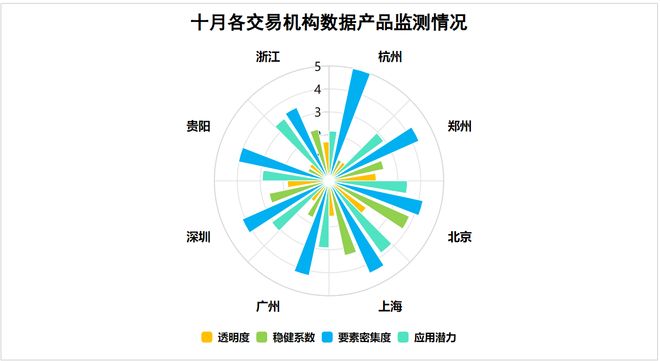
Core Insights - The data trading market in China has shown a decrease in the number of data products listed, with a total of 296 products in October, down by 124 from September [4] - Key performance indicators have shown mixed results, with "element density" and "robustness coefficient" improving, while "application potential" has slightly declined and "transparency" remains low [4] Group 1: Measurement Results - In October, the "element density" score reached 4.22, reflecting a high degree of data core driving and multi-source data integration in new data products [4][6] - The "robustness coefficient" increased by 15.08% from the previous month, indicating enhanced compliance risk identification and safety control among data trading institutions [4][10] - The "application potential" score decreased from 3.23 to 3.08, suggesting a slight pullback in the market adaptability and growth elasticity of new data products [4][12] - The "transparency" score remained unchanged at 1.53, highlighting ongoing issues in price transparency and information disclosure mechanisms within the industry [4][8] Group 2: Element Density - The "element density" metric includes "data participation" and "data integration" sub-indicators, with the former showing overall stability across institutions [6] - Notably, the Hangzhou Data Exchange saw a significant recovery in "data participation" from 2.31 to 4.03 [6] - Beijing International Big Data Exchange leads in "data integration," while other exchanges need to improve their multi-source data fusion and optimization of data structures [6] Group 3: Transparency - The "transparency" score is evaluated based on "basic information disclosure" and "price transparency," with Beijing and Zhengzhou leading in basic information disclosure [8] - Zhejiang Data Exchange achieved the highest score in price transparency, with nearly 40% of products disclosing actual prices [8] - Other exchanges need to enhance their disclosure of product prices and basic information to improve overall transparency [8] Group 4: Robustness Coefficient - The "robustness coefficient" score improved from 1.99 to 2.29, indicating progress in data compliance and safety [10] - Beijing scored the highest in "data classification," while several exchanges lagged significantly, indicating a need for improvement in data classification management [10] - The "data source" dimension saw notable improvement, particularly for Zhejiang Data Exchange, while others still require enhancements in compliance [10] Group 5: Application Potential - The "application potential" score reflects the market adaptability and growth elasticity of data products, with a slight decline observed this month [12] - Most exchanges maintained a low score in "update frequency," indicating a lack of regular maintenance for new data products [12] - The "reusability" score showed a slight increase, with Zhejiang Data Exchange achieving the largest gain among the sample institutions [12]
速递 | 外国人,是如何教外企跟中国BioPharma打交道的?
GLP1减重宝典· 2025-11-06 08:17
Core Insights - The article discusses the growing interest of Western pharmaceutical companies in China's biopharmaceutical market, highlighting both opportunities and challenges in collaboration with local firms [4][11]. Group 1: Cultural Differences - One of the main challenges in collaborating with Chinese companies is the cultural differences, particularly in communication and decision-making processes [7][8]. - In China, decision-making is often hierarchical, with authority resting with founders or chairpersons rather than operational CEOs, necessitating careful identification of decision-makers by foreign firms [7][19]. - Building trust through informal interactions over 6 to 12 months is crucial, as relationships (guanxi) play a significant role in Chinese business culture [7][19]. Group 2: Decision Dynamics and Collaboration Models - The rapid development of China's biopharmaceutical industry has led to a shift from merely importing Western assets to a more globalized collaboration model, with Chinese firms increasingly focusing on independent R&D [9][11]. - Foreign companies need to understand the importance of "headline numbers" in negotiations, which often reflect high upfront payments or market promotion figures, and adjust contract structures accordingly [9][11]. Group 3: Risk Management and Data Transparency - Data transparency remains a challenge, as the quality of data provided by Chinese biopharmaceutical companies may not always meet FDA or EU standards, necessitating thorough due diligence [10][15]. - Collaborating with local experts can help foreign firms ensure data accuracy and mitigate risks associated with data discrepancies [10][15]. Group 4: Future Outlook - Despite challenges, foreign companies maintain confidence in the Chinese biopharmaceutical market due to its rapid growth, large market demand, and supportive government policies [11][24]. - Partnerships with Chinese firms are essential for cost savings of 40%-70%, and future collaboration models will likely become more diverse, including joint ventures and new business units [11][24].

女车主胜诉后,特斯拉再次被告
汽车商业评论· 2025-09-19 23:07
Group 1 - The article discusses the ongoing legal battles between Zhang Yazhou and Tesla, highlighting a recent court ruling that requires Tesla to provide complete driving data related to a traffic accident [3][6] - Zhang Yazhou's previous legal challenges included a ruling against him for defaming Tesla, which resulted in a compensation of 170,000 yuan [6] - Tesla is currently facing scrutiny in the U.S. due to safety concerns related to its hidden electronic door handles, which have been implicated in a fatal accident [8][9] Group 2 - The National Highway Traffic Safety Administration (NHTSA) has initiated an investigation into Tesla's Model Y after multiple complaints regarding the door handle's functionality during emergencies [13] - Tesla plans to redesign the door handle to integrate both electronic and mechanical systems, ensuring accessibility even in power failure situations [13][14] - The article notes that the NHTSA's new leadership may lead to stricter regulations for automotive safety, emphasizing that innovation should not compromise public safety [16] Group 3 - The Ministry of Industry and Information Technology (MIIT) in China has proposed new national standards for hidden door handles, mandating mechanical unlocking capabilities and clear emergency instructions [19][21] - The new standards aim to address safety concerns raised by multiple accidents and will be fully implemented by 2026, affecting all domestic vehicle manufacturers [23][24] - The article indicates that the automotive industry will need to balance aesthetic design with safety requirements, as the new regulations will restrict fully hidden door handles [24][25] Group 4 - Tesla has faced various safety controversies over the years, including issues related to its Autopilot system and vehicle fires, which have raised questions about product liability and data transparency [26][28] - The article suggests that Tesla's challenges stem from unclear product responsibility boundaries and insufficient data transparency, complicating accident investigations [28] - As regulatory scrutiny increases, Tesla is expected to make changes in design, functionality, and compliance to meet both U.S. and Chinese safety standards [28]


生猪养殖企业ESG实践与国际评级提升策略:智能化转型与数据透明度的双轮驱动
Sou Hu Cai Jing· 2025-04-21 00:55
Core Viewpoint - The domestic pig farming industry is transitioning from traditional practices to sustainable development, driven by the increasing adoption of ESG principles globally [1][5]. Group 1: ESG Reporting and Ratings - The disclosure rate of ESG reports among A-share listed pig farming companies has been steadily increasing over the past five years, with leading companies like Muyuan Foods and New Hope enhancing their ESG information disclosure frameworks [1]. - Despite progress, domestic pig farming companies face challenges such as low international ratings and insufficient data transparency, with MSCI ratings indicating that many leading firms have ratings of B or below [2][3]. Group 2: Technological Innovations - The application of smart technologies is a significant driver for upgrading ESG practices in pig farming, with companies like Muyuan Foods reporting improvements in growth environments and labor efficiency through innovations like smart air filtration systems and inspection robots [2]. - The transition to smart farming has transformed pig farming from a "dirty and labor-intensive" industry to a more environmentally friendly one, effectively controlling waste emissions and improving the quality of pig farming [2]. Group 3: Data Transparency - Data transparency is identified as a core challenge for improving international ESG ratings, with notable gaps in disclosures related to carbon emissions and biodiversity impacts [3]. - Muyuan Foods has taken steps to enhance transparency by including substantial topics such as biodiversity and greenhouse gas emissions in its 2024 ESG report, reporting a reduction of 6% in greenhouse gas emissions intensity compared to 2023 [3]. Group 4: Systematic Mechanisms - As pig farming companies expand into Southeast Asian markets, ESG practices are becoming crucial for managing international market risks, with challenges arising from inadequate infrastructure and labor rights issues in these regions [4]. - To address these challenges, companies are encouraged to establish systematic ESG management frameworks, including employee training and welfare mechanisms, to enhance compliance and operational effectiveness [4]. Group 5: Conclusion - The dual drivers of technological innovation and improved data transparency are essential for domestic pig farming companies to enhance their ESG practices and international ratings, aiming for sustainable development and global expansion [5].