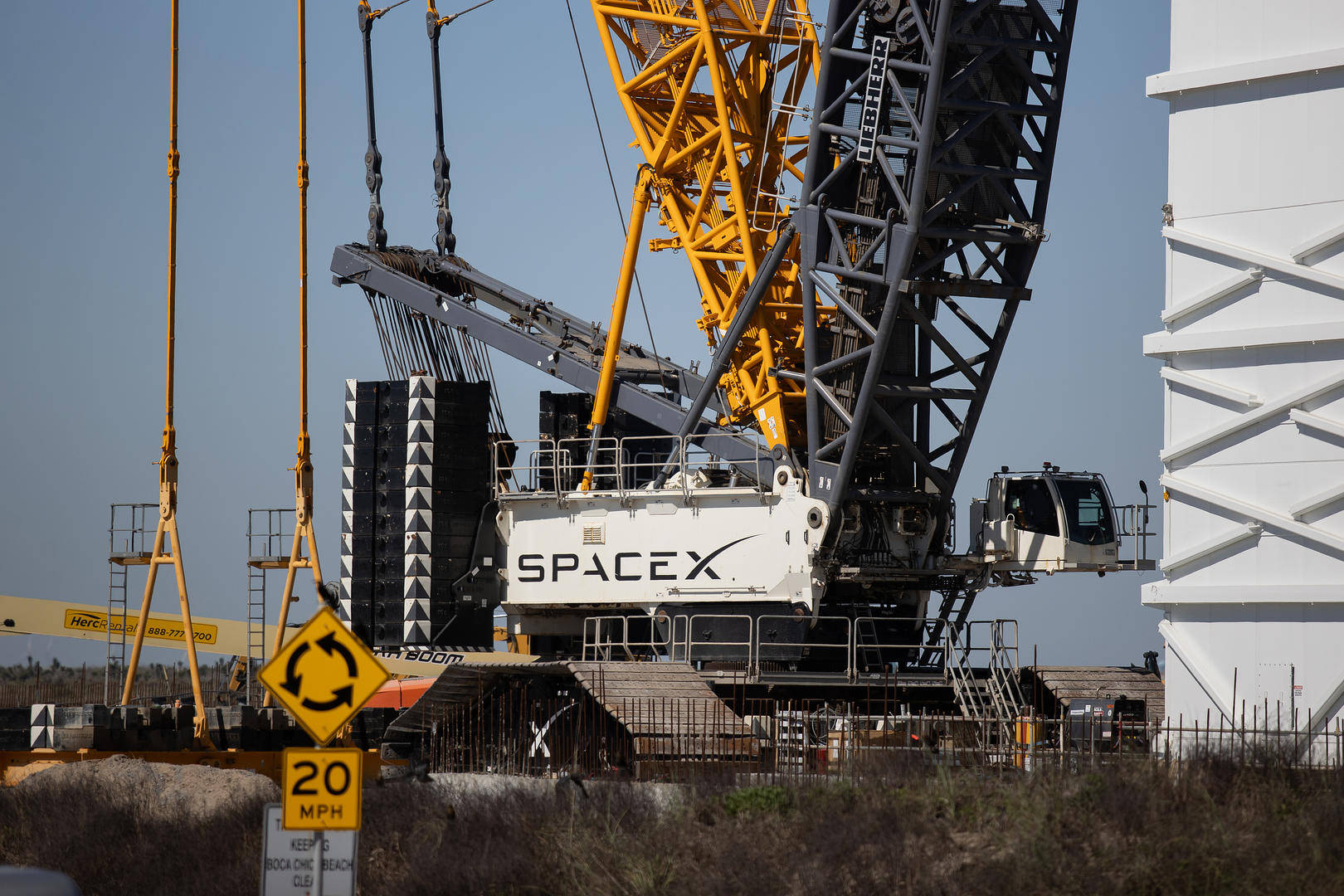
月球城市

Search documents
变化太快!马斯克抛出疯狂“月球计划”
Mei Ri Jing Ji Xin Wen· 2026-02-24 13:49
Group 1 - SpaceX CEO Elon Musk envisions launching satellites from the Moon using an electromagnetic catapult to create a dedicated AI data center satellite network in low Earth orbit [1][3] - The proposed system could consist of up to 1 million satellites, aimed at supporting high-performance computing needs for AI [1] - The concept of launching from the Moon is theoretically feasible due to lower gravity, lack of atmosphere, and abundant solar energy, which could enhance launch efficiency [1] Group 2 - Musk announced a strategic shift for SpaceX, prioritizing the construction of a lunar settlement over the previously emphasized Mars landing plans [3][4] - The plan includes building a self-sustaining lunar city within the next decade, which will serve as a hub for further space exploration [3][4] Group 3 - Tesla's Cybercab, designed for fully autonomous driving, has begun production ahead of schedule, with a target price around $25,000 [6][7] - The launch of Cybercab marks a significant advancement in Tesla's autonomous driving strategy, transitioning from reliance on human safety operators to fully autonomous operations [7][10] Group 4 - SpaceX and its subsidiary xAI are participating in a secret Pentagon competition to develop voice-controlled, autonomous drone swarm technology, indicating a controversial shift towards AI weapon development [10][11] - xAI is actively recruiting engineers with security clearance to collaborate on AI and defense projects, highlighting the company's focus on government and military applications [11]


马斯克:我在遥望,月亮之上
Sou Hu Cai Jing· 2026-02-12 00:36
Core Viewpoint - SpaceX is shifting its focus from a manned Mars landing to prioritizing the construction of a lunar settlement, marking a significant change in its space exploration strategy [1][2]. Group 1: Strategic Shift - The new strategy represents a rational return from a long-term Mars vision to a more immediate lunar project, emphasizing a phased approach: "lunar foundation, Mars follow-up, deep space extension" [3]. - The decision to delay the Mars plan is a departure from Elon Musk's long-standing advocacy for Mars colonization, which has been a core goal since the founding of SpaceX [4][6]. Group 2: Lunar Settlement Plans - SpaceX's lunar strategy involves a "three-step" approach, focusing on technological upgrades and the integration of AI capabilities for lunar infrastructure development [8][9]. - The company aims to complete the adaptation and verification of its Starship for lunar missions within the next 1-3 years, with goals of achieving an unmanned lunar landing by 2027 and a manned return by 2028 [11]. Group 3: Technological and Financial Considerations - The shift to lunar exploration is driven by the technical feasibility of lunar missions compared to Mars, which faces significant challenges such as long travel times and high risks [19]. - Financially, the lunar project benefits from a $4 billion partnership with NASA, which provides stable funding for development and testing, unlike the Mars plan that relies on SpaceX's own resources [22][23]. Group 4: Political Context - The strategic adjustment aligns with the U.S. government's renewed focus on commercial space exploration as part of national security, with SpaceX positioned as a key player in this landscape [24].
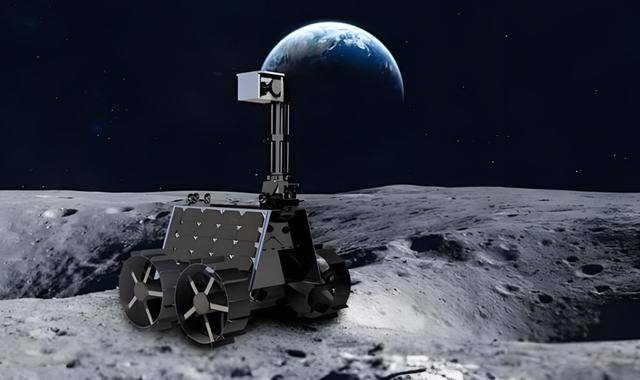
马斯克:将在月球上建造AI卫星工厂
财联社· 2026-02-11 11:44
Group 1 - The core idea presented by Musk is the vision of establishing an artificial intelligence satellite factory on the Moon, which will include a mass driver for launching satellites into space [2][3]. - Musk emphasized that this initiative will enhance xAI's computational power for developing artificial intelligence, expressing excitement about the potential intelligence that could emerge from such a scale [3]. - The plan has evolved from merely establishing an AI data center in space to constructing a self-sustaining city on the Moon, which Musk views as a stepping stone to Mars [4][5]. Group 2 - Musk indicated that the timeline for building a lunar city could be achieved within 10 years, while a Martian city would take at least 20 years [5]. - The company xAI, which recently merged with SpaceX, aims to create an upgraded version of WeChat, with current monthly active users around 600 million, and Musk anticipates this number could exceed 1 billion [6]. - Upcoming features for the platform include a banking function called X Money and a standalone chat application [7]. Group 3 - Musk addressed the departure of several founding team members from xAI, stating that rapid progress in technology leads to leadership, and the company is restructuring to enhance efficiency as it scales [8].

马斯克念念不忘的“火星梦”,为什么突然转向月球了?
创业邦· 2026-02-11 10:15
Core Viewpoint - Elon Musk's SpaceX is shifting its strategic focus from Mars colonization to building a self-sustaining city on the Moon within the next decade, citing concerns over potential supply chain disruptions from Earth due to natural or man-made disasters [2][3][6]. Group 1: Strategic Shift - The decision to prioritize the Moon over Mars is driven by the need for speed and feasibility, as reaching Mars involves long wait times for rescue and supplies, while lunar missions can be executed more frequently and quickly [6][8]. - Musk estimates that a lunar city could achieve self-sufficiency in under 10 years, whereas a Martian city would take over 20 years due to longer mission cycles [8][9]. Group 2: Lunar City Blueprint - The proposed lunar city, likely named "Alpha Lunar Base," is expected to be located near the Moon's south pole, where water ice may be found, crucial for supporting life and fuel production [11]. - The base will consist of modular habitats and will need to be self-expanding and sustainable, with energy likely sourced from nuclear power due to the Moon's long day-night cycle [11][12][13]. Group 3: Collaboration and Funding - SpaceX's involvement in lunar plans is bolstered by its partnership with NASA, which has contracted SpaceX for lunar landing systems and cargo supply for the lunar Gateway [15][17]. - The development of the Starship rocket system is critical for transporting large payloads to the Moon, with the potential for significant cost reductions through reusability [18][19]. Group 4: Broader Implications - Musk's vision includes utilizing the Moon as a manufacturing base for AI satellites, leveraging solar energy and local resources to enhance computational capabilities in space [24][25]. - The proposed space-based computing infrastructure could revolutionize AI development, potentially achieving significant advancements in energy utilization levels as defined by the Kardashev Scale [27][28].
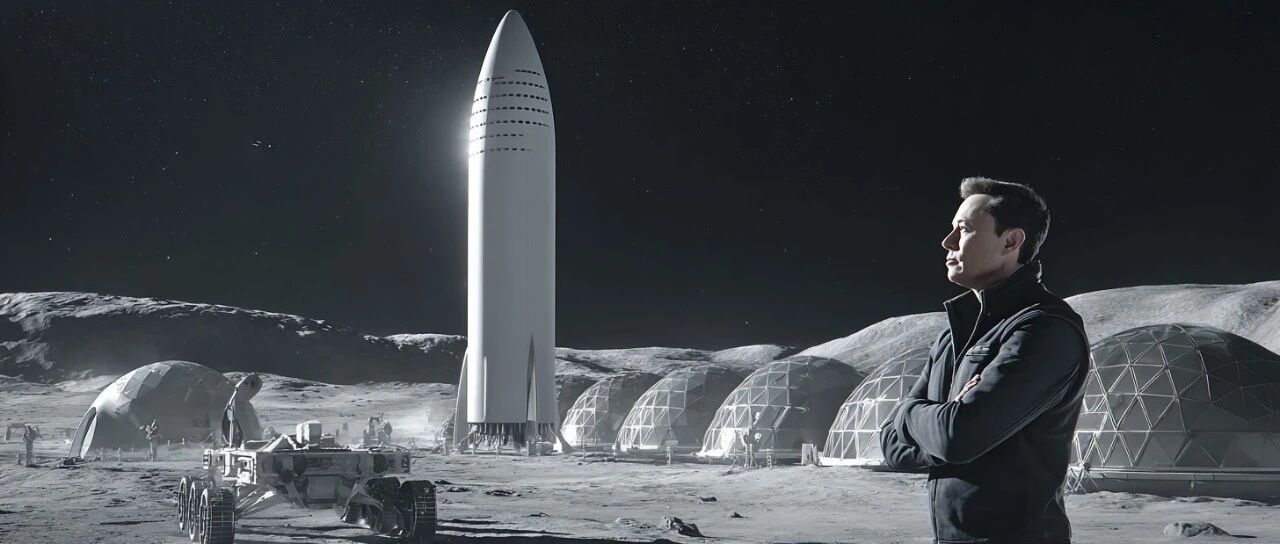
马斯克念念不忘的“火星梦”,为什么突然转向月球了?
3 6 Ke· 2026-02-10 11:37
Core Viewpoint - Elon Musk announced a strategic shift for SpaceX, prioritizing the construction of a self-sustaining city on the Moon over the long-term goal of Mars colonization, citing concerns over potential supply disruptions from Earth due to natural or man-made disasters [1][3][5]. Group 1: Strategic Shift - The decision to focus on the Moon is based on the need for speed, as reaching Mars involves long wait times for rescue and supplies, making it less viable for initial colonization [3][4]. - The Moon offers more frequent launch windows (approximately every 10 days) and shorter travel times (around 2 days), allowing for quicker emergency responses and better survival prospects for initial bases [4][5]. - Musk estimates that a self-sustaining lunar city could be developed in less than 10 years, while a Martian city would take over 20 years due to longer iteration cycles [5]. Group 2: Lunar City Blueprint - The proposed lunar city, likely named "Alpha Lunar Base," is expected to be located near the Moon's south pole, where water ice may be found, crucial for supporting life and fuel production [6][9]. - The base will not be a temporary camp but designed for self-expansion and long-term survival, featuring modular habitats and energy solutions, potentially including nuclear power [6][7]. Group 3: SpaceX's Role and Partnerships - SpaceX is deeply integrated into NASA's plans for lunar exploration, having been selected to develop the crewed landing system for the Artemis III mission, with a contract worth nearly $3 billion [10]. - The development of the Starship rocket system is critical for transporting large modules and equipment to the Moon, with the potential for significant cost reductions due to its reusability [10][11]. - Other companies, such as Blue Origin, are also competing for lunar contracts, indicating a competitive landscape for lunar exploration and development [12]. Group 4: Future Technologies and AI Integration - Musk's vision includes relocating AI computational infrastructure to space, with plans for solar-powered data centers in orbit, potentially utilizing the Moon as a manufacturing base for AI satellites [15][16]. - This initiative could lead to a significant leap in energy utilization levels, as envisioned by the Kardashev Scale, with the potential to produce substantial computational power from lunar resources [16][18].
马斯克的月球城市:技术野心正在重写现实边界
Sou Hu Cai Jing· 2026-02-10 02:44
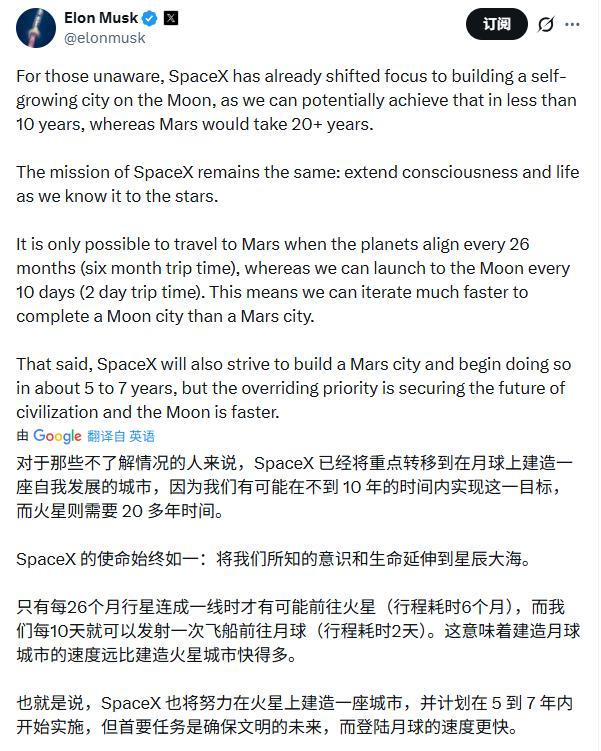
Core Viewpoint - The discussion surrounding Elon Musk's vision of building cities on the Moon and Mars reflects a serious timeline rather than whimsical fantasy, emphasizing engineering progress and technological maturity over romantic ideals [1][3]. Group 1: Moon City Development - SpaceX is shifting its focus towards constructing a "self-sustaining city" on the Moon within a decade, while acknowledging that a Mars city will take at least twenty years [3]. - The Moon is prioritized due to its proximity to Earth, manageable communication delays, and calculable supply costs, making it a more realistic target compared to Mars [3]. - The concept of a Moon city is not a replica of Earth civilization but a re-engineered system that minimizes human dependency, relying heavily on automation and robotics [4]. Group 2: Technological Integration - The merger of SpaceX and xAI indicates a future where cities are algorithm-driven products, suggesting that systems will be established before human presence is integrated [4]. - The complexity of establishing a city on Mars is significantly higher due to factors like communication delays and environmental challenges, necessitating a nearly autonomous technological system [6]. Group 3: Public and Private Sector Dynamics - The narrative surrounding space exploration is shifting the boundaries between public authority and private capital, with governments becoming major clients and rule-makers while companies handle execution and technological advancements [6]. - The governance of a Moon city raises questions about the definition of "publicness" when infrastructure is controlled by a private entity, highlighting a new form of spatial governance [6]. Group 4: Future Implications - Musk's timeline for the Moon city appears bold yet cautious, reflecting a precise judgment of technological maturity and capital patience, indicating that the future will be gradually engineered and institutionalized [9]. - The first operational Moon city may not resemble grand sci-fi visions but will likely be quiet, closed, and highly automated, marking a significant shift in human activity supported by private technological systems [9].
马斯克宣布SpaceX重心转向月球城市,2027年实施载人登月
Sou Hu Cai Jing· 2026-02-09 23:31
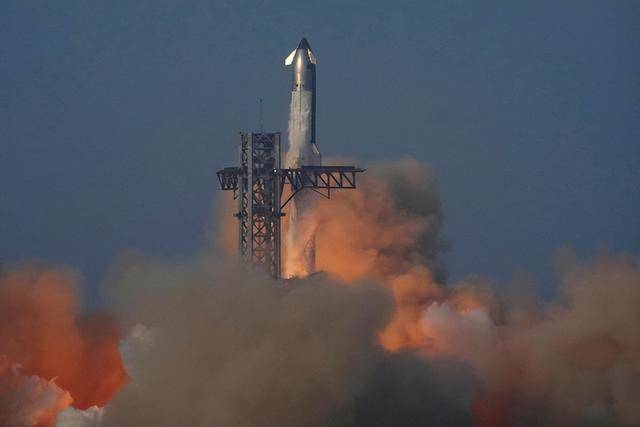
Core Viewpoint - SpaceX has shifted its core research and development focus towards building a self-sustaining lunar city within the next decade, while the Mars city project is expected to take over twenty years to complete [1] Group 1: Lunar City Development - The launch frequency for missions to the Moon can occur every ten days, with a one-way flight time of only two days, significantly faster than the Mars missions which have a launch window every twenty-six months and a six-month flight time [1] - This difference in travel time allows for quicker technological validation, system iteration, and scaling for the lunar city project compared to Mars [1] Group 2: Mars City Project - Despite the focus on the lunar city, SpaceX remains committed to the long-term goal of establishing a city on Mars, with preparatory work expected to officially commence within five to seven years [1] Group 3: Manned Lunar Missions - The manned lunar mission is currently in a critical implementation phase, with ground testing and validation of the spacecraft progressing steadily [1] - The first manned lunar landing is scheduled to take place in 2027 as per the established plan [1]
馬斯克炸彈!SpaceX月球優先火星等20年? #ElonMusk #SpaceX #月球城市 #火星夢 #Starship
大鱼聊电动· 2026-02-09 07:15
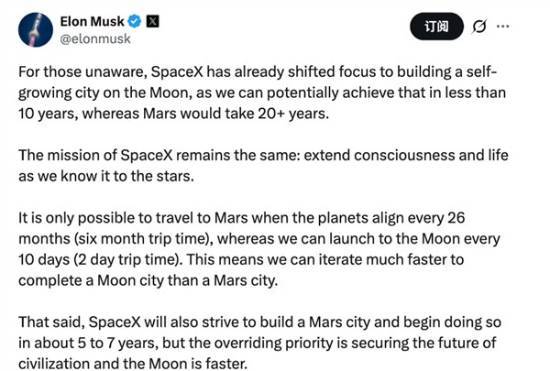
Musk 剛在X上 親口宣布 SpaceX 把火星夢 先放一邊 現在全力衝 月球建 自生長城市! 為啥突然 大轉彎? 因為月球 實在太香了! 每10天就能 發射一次 來回只要2天 出了問題 一週內 補給就到 而火星? 得等26個月 的窗口期 來回半年 搞砸一次 直接再等 兩年重來 簡直是 地獄難度! 所以月球就是 火星的超級 Beta測試版 先在這兒 瘋狂試錯迭代 10年內搞定一座 能自己增長 的城市! 火星依然 是終極目標 但得再等 20年以上 這並不是退縮 這是把 快速失敗 快速前進 玩到極致的 天才操作! 你怎麼看? 月球優先 是神來之筆 還是逼不得已?. ...
马斯克:10年内建成月球城市
财联社· 2026-02-09 06:13
Core Viewpoint - SpaceX has shifted its focus to building a self-sustaining city on the Moon, with expectations to achieve this within a decade, while still pursuing its long-term vision for Mars, which is projected to take over 20 years [3][4]. Group 1: Strategic Shift - Elon Musk announced that SpaceX's primary focus is now on lunar city construction, which can be achieved faster than Mars colonization due to shorter travel times and more frequent launch opportunities [3][4]. - The company plans to start efforts for Mars city construction within 5 to 7 years, but emphasizes that lunar development is the immediate priority for ensuring the future of civilization [4]. Group 2: NASA's Artemis Program - SpaceX won a $4 billion contract from NASA to develop a lunar lander for the Artemis program, which aims to establish a long-term human presence on the Moon and prepare for future Mars missions [4][5]. - The Artemis 3 mission, originally scheduled for 2024, has been delayed to 2027, while Artemis 2 is now set for April 2026 [5]. Group 3: Self-Sustaining City Concept - Analysts highlight the importance of the "self-expanding" concept for the lunar city, which requires the base to be self-sufficient and capable of continuous expansion through automation and robotics [5]. - SpaceX has already demonstrated concepts for using lunar regolith to create building materials and extract oxygen and water, aligning with the vision of a self-sustaining city [5].

马斯克宣布有望10年内建首座“月球城市”:火星计划“没熄火”,但“月球更快”
Sou Hu Cai Jing· 2026-02-09 04:34
Core Viewpoint - SpaceX is shifting its focus from Mars to the Moon, with the primary goal of building a "self-sustaining lunar city" within the next 10 years [1]. Group 1: Strategic Shift - Elon Musk announced that the priority has changed to lunar missions as they can ensure the future of civilization more quickly than Mars missions [2]. - SpaceX plans to begin lunar landing missions, with a specific target for an unmanned lunar landing in March 2027 [2]. - The decision to prioritize lunar exploration over Mars is influenced by the current geopolitical competition, particularly with China in the aerospace sector [3]. Group 2: Financial Developments - SpaceX's valuation has reached $1 trillion, while its recent acquisition of AI startup xAI is valued at $250 billion [4].