民营企业再贷款

Search documents
央行,最新发布!前两个月社融增量9.6万亿,M2增速维持高位
券商中国· 2026-03-13 10:08
Core Viewpoint - The financial data for February indicates a strong start to the economy, supported by high growth in monetary aggregates and proactive macroeconomic policies [1][2]. Group 1: Financial Growth - In the first two months of the year, RMB loans increased by 5.61 trillion yuan, and the social financing scale increased by 9.6 trillion yuan, which is 316.2 billion yuan more than the previous year [1][2]. - As of the end of February, M2 (broad money) grew by 9% year-on-year, while M1 (narrow money) increased by 5.9%, indicating a stable financial environment [2][3]. - The government bond issuance has reached a record high, with net financing of 2.38 trillion yuan in the first two months, significantly supporting the social financing scale [2][4]. Group 2: Credit and Loan Dynamics - February saw a stable and balanced credit growth, with nearly 1 trillion yuan in new RMB loans for the month, reflecting a smooth credit issuance process [3][4]. - The structure of credit shows that medium to long-term loans for enterprises remain the main driver of credit growth, supported by ongoing fiscal and quasi-fiscal policies [3][4]. - Demand for loans is increasing due to a combination of fiscal and monetary policies aimed at boosting domestic demand, alongside a one-time credit repair policy that aids individuals with damaged credit records [4][5]. Group 3: Financing Costs and Market Conditions - The average interest rate for new corporate loans in February was approximately 3.1%, which is 20 basis points lower than the same period last year, indicating a favorable financing environment [5]. - The government has emphasized the need to regulate credit market operations and reduce financing intermediary costs, which has led to a more transparent financing cost structure for enterprises [5]. - The "loan clarity paper" initiative by the central bank has exposed hidden costs in financing, effectively reducing the financial burden on enterprises [5].

20亿精准滴灌!桂林银行落地广西首批民营企业再贷款
Sou Hu Cai Jing· 2026-02-28 02:07
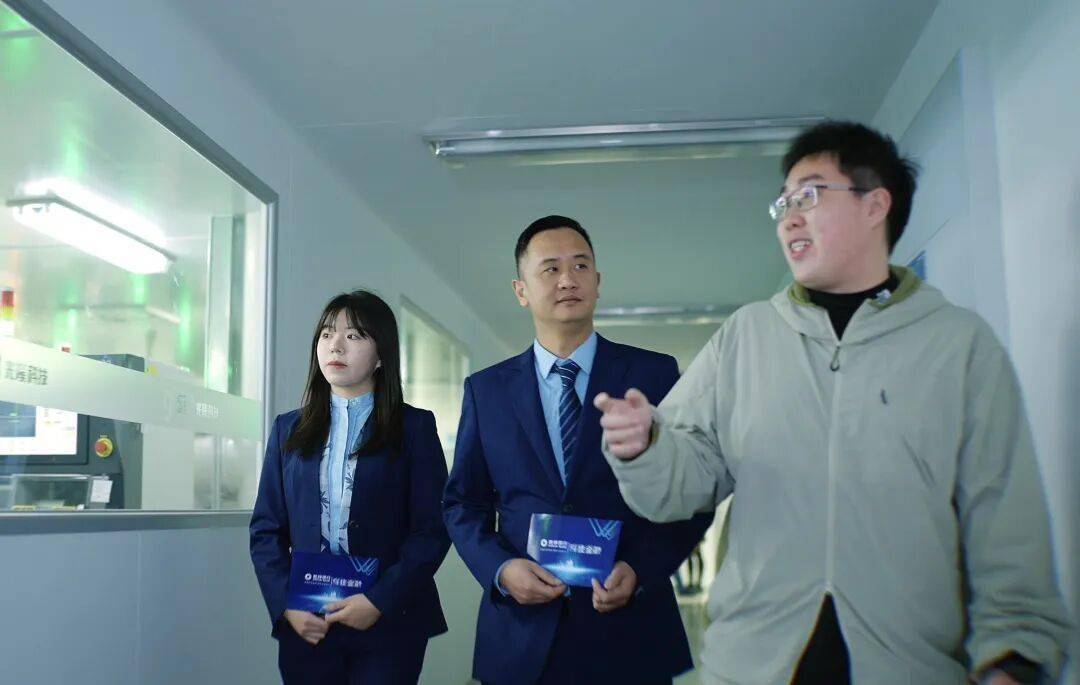
Core Insights - The People's Bank of China has initiated a structural monetary policy tool aimed at supporting private small and micro enterprises through low-cost funding, with Guangxi's first batch of 4.3 billion yuan in re-loans being issued to local financial institutions [1] Group 1: Financial Support Initiatives - Guangxi's first batch of private enterprise re-loans includes 4.3 billion yuan, with Guilin Bank receiving the largest allocation of 2 billion yuan [1] - The re-loan funds are specifically designated to assist private small and micro enterprises in overcoming difficulties and enhancing production efficiency through a "policy + finance" dual-drive approach [1] Group 2: Guilin Bank's Strategies - Guilin Bank has established 12 technology branches and launched the "Gui Xin Ke Chuang" series of intellectual property pledge financing products to provide comprehensive financial services for asset-light, high-growth enterprises [2] - The bank has also implemented green finance initiatives, including the first financial loan for the cement industry's transformation and biodiversity-related financing for pearl farming, supporting the green and low-carbon transition of the economy [2] - Guilin Bank has conducted extensive outreach, visiting over 44,600 small and micro enterprises, and has implemented policies to reduce overall financing costs, with a loan balance for private enterprises exceeding 156 billion yuan, accounting for over 40% of total loans [2]
内蒙古首批16亿元民营企业再贷款成功落地
Xin Lang Cai Jing· 2026-02-15 15:55
Core Viewpoint - The People's Bank of China has initiated a 1 trillion yuan policy for re-loans to private enterprises, with the first batch of 1.6 billion yuan already disbursed to local banks in Inner Mongolia, aimed at supporting the development of small and medium-sized private enterprises [1] Group 1: Policy Implementation - The People's Bank of China has successfully issued the first batch of re-loans amounting to 1.6 billion yuan to Mongolian banks, UHQ Bank, and Inner Mongolia Rural Commercial Bank [1] - This initiative is part of a broader strategy to enhance support for the private sector, particularly small and medium-sized enterprises [1] Group 2: Economic Significance - The private economy is recognized as a vital force in promoting innovation, employment, and improving living standards, serving as a cornerstone for high-quality development in China [1] - The policy aims to merge agricultural and small enterprise re-loan quotas, increasing the total re-loan quota by 500 billion yuan, with a specific allocation of 1 trillion yuan for private enterprises [1] Group 3: Future Plans - The People's Bank of China in Inner Mongolia plans to further improve work mechanisms and optimize business processes to maximize the impact of the re-loan policy on private enterprise development [1]
全国首批!“央妈”民营企业再贷款率先落地广东
Sou Hu Cai Jing· 2026-02-14 04:22
Core Viewpoint - The implementation of the 1 trillion yuan re-loan policy for private enterprises has commenced in Guangdong, marking a significant step in supporting the high-quality development of the private economy in the region [1][2]. Group 1: Policy Implementation - On February 12 and 13, Guangdong's Jiangmen and Dongguan became the first cities in China to implement the re-loan policy, with the People's Bank of China providing 2.5 billion yuan to three local banks [1]. - The People's Bank of China launched a 1 trillion yuan re-loan initiative aimed at bolstering support for small and micro private enterprises [1]. - The Guangdong branch of the People's Bank has developed detailed implementation plans and guidelines to ensure the effective rollout of the re-loan policy [1]. Group 2: Financial Institutions' Response - Local banks are actively engaging with private enterprises to meet their financing needs, simplifying loan processes and reducing internal funding transfer prices [2]. - The Guangdong branch of the People's Bank will continue to leverage structural monetary policy tools, including the re-loan policy, to enhance the financial support for small and micro private enterprises [2].
湾财周报 | 大事记 “广货行天下”开门红;央行发大礼包;携程被立案调查
Nan Fang Du Shi Bao· 2026-01-18 15:11
Group 1 - The "Guanghuo Hang Tianxia" spring campaign launched in Guangdong, with over 1,300 local appliance companies participating, aiming to boost sales through online and offline promotions [5] - The campaign will feature 12 synchronized promotional events throughout the first quarter, targeting over 6,000 enterprises to enhance online sales of quality products [5] Group 2 - The People's Bank of China announced eight major policy measures to support economic transformation, including a 0.25 percentage point reduction in various structural monetary policy tool rates and a special relending quota of 1 trillion yuan for private enterprises [6] - The measures also include increasing relending quotas for technological innovation to 1.2 trillion yuan and lowering the minimum down payment for commercial housing to 30% [6] Group 3 - In 2025, the national real estate market continued to adjust, with new residential sales area declining by 4.9% year-on-year to approximately 390 million square meters, and sales value dropping by 10% to around 5.4 trillion yuan [7] - The total transaction volume of new and second-hand residential properties reached 839 million square meters, indicating stable demand from residents [7] Group 4 - Zeekr Automotive clarified its cross-year vehicle purchase tax subsidy policy, stating that it has covered the tax subsidy for 8,125 users who placed orders in 2025 and received their vehicles in January 2026 [9] - The confusion arose from the overlap of two policies, leading to misinterpretations regarding payment and vehicle delivery [10] Group 5 - The State-owned Assets Supervision and Administration Commission disclosed the 2024 salary information for over 80 central enterprise leaders, showing a stable salary range without extreme high salaries [11] - The top earners are primarily from telecommunications and energy sectors, with China Mobile's former chairman leading at a pre-tax salary of 1.2582 million yuan [11] Group 6 - The State Administration for Market Regulation has initiated an antitrust investigation into Trip.com Group for suspected monopolistic behavior [12] - Trip.com has committed to cooperating with the investigation and ensuring normal business operations [12] Group 7 - IKEA announced the closure of its Guangzhou Panyu store, raising questions about the future of its 40,000 square meters of self-owned property [13] - IKEA is currently evaluating arrangements for the asset and will comply with relevant laws and regulations [13] Group 8 - CHALI Tea clarified rumors regarding a 200 million yuan salary debt, admitting to cash flow pressures due to strategic missteps in bottled tea, while assuring that its core bagged tea business remains operational [16] - The company is addressing salary issues for departing employees in batches, although some employees have expressed ongoing concerns about unpaid wages [16] Group 9 - The white wine market is experiencing a price decline, influenced by the price adjustments of flagship products like Moutai, leading to a broader price reduction across various brands [15] - The industry is facing inventory pressures, prompting some distributors to lower prices to stimulate sales, indicating a shift towards a "price for volume" strategy [15]

1.2万亿科创再贷款落地!民营科创企业迎重磅利好
Sou Hu Cai Jing· 2026-01-17 08:47
Core Viewpoint - The People's Bank of China has introduced multiple financial policies to support the high-quality development of the real economy, focusing on lowering interest rates and enhancing structural monetary policy tools to boost credit in key areas [1]. Group 1: Interest Rate Adjustments - The interest rates for various structural monetary policy tools have been reduced by 0.25 percentage points, with the one-year relending rate decreasing from 1.5% to 1.25%, and other term rates adjusted accordingly [2]. Group 2: Support for Agriculture and Small Enterprises - The relending and rediscounting for agriculture and small enterprises have been merged, increasing the relending quota by 500 billion yuan, with a separate quota of 1 trillion yuan designated for private enterprises, focusing on supporting small and medium-sized private companies [2]. Group 3: Technology and Innovation Financing - The quota for relending aimed at technological innovation and technological transformation has been increased from 800 billion yuan to 1.2 trillion yuan, expanding support to private small and medium-sized enterprises with high R&D investment levels [2]. Group 4: Risk Sharing Tools - A combined management of the previously established private enterprise bond financing support tool and the technological innovation bond risk-sharing tool has been set up, providing a total relending quota of 200 billion yuan [2]. Group 5: Carbon Emission Reduction Support - The support scope for carbon reduction tools has been expanded to include projects related to energy-saving renovations, green upgrades, and low-carbon energy transitions, guiding banks to support comprehensive green transformations [2]. Group 6: Consumer Services and Elderly Care - The support areas for relending in service consumption and elderly care will be expanded, incorporating health industry standards into the support framework [2]. Group 7: Real Estate Market Support - The minimum down payment ratio for commercial property loans has been lowered to 30% to support the destocking of the commercial real estate market [3]. Group 8: Currency Risk Management - Financial institutions are encouraged to enhance their foreign exchange risk management services by diversifying foreign exchange hedging products, providing enterprises with cost-effective and flexible tools for managing exchange rate risks [3].
1万亿,专供民营企业
Sou Hu Cai Jing· 2026-01-16 02:17
Core Viewpoint - The People's Bank of China (PBOC) has introduced a significant policy package, including a dedicated 1 trillion yuan re-loan for private enterprises, aimed at enhancing financial support for private small and medium-sized enterprises (SMEs) and addressing their financing challenges [1][3]. Group 1: Financial Support for Private Enterprises - The primary goal of the new policy is to increase financial support for private SMEs, particularly focusing on medium-sized enterprises that have been underserved in the financing chain [3]. - The re-loan program will be established under the existing agricultural and small enterprise re-loan framework, allocating 500 billion yuan from current funds and adding another 500 billion yuan, totaling 1 trillion yuan [3]. Group 2: Impact on Banking and Investment - The new re-loan initiative provides clear incentives and low-cost funding for commercial banks, which is expected to direct more credit resources towards private SMEs, improving liquidity, stimulating investment, and stabilizing employment [4]. - The PBOC has also lowered the interest rate on various structural monetary policy tools by 0.25 percentage points, reducing the one-year re-loan rate from 1.5% to 1.25%, which is aimed at efficiently channeling credit into key sectors [5]. Group 3: Additional Policies Supporting Private Enterprises - Alongside the 1 trillion yuan re-loan, additional policies have been introduced, including an increase in the re-loan quota for technological innovation and technological transformation from 800 billion yuan to 1.2 trillion yuan, supporting high R&D investment private SMEs [7]. - Existing bond financing support tools for private enterprises have been merged, providing an additional 200 billion yuan in re-loan capacity [7]. Group 4: Broader Economic Implications - The series of policies represents a comprehensive approach to bolster the private economy, recognizing its significant contributions to technological innovation and employment [8]. - The PBOC has indicated that there is still room for further reductions in reserve requirements and interest rates, maintaining a moderately accommodative monetary policy stance through 2026 to support stable economic growth [9]. - These measures are expected to not only support the current development of private enterprises but also enhance confidence in the future of the real economy [10].
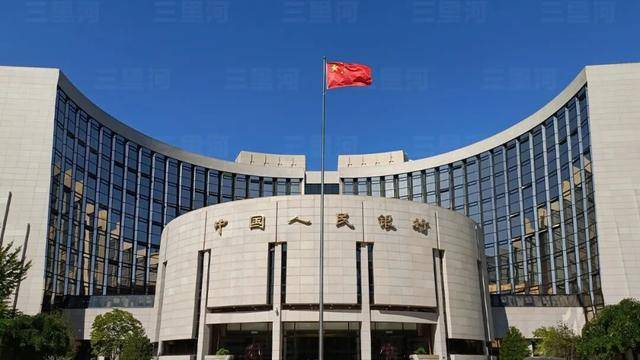
央行送出“开年大礼包”
第一财经· 2026-01-16 00:47
Core Viewpoint - The People's Bank of China (PBOC) has introduced eight significant policy measures to support the high-quality development of the real economy, focusing on optimizing economic structure and enhancing credit support for key sectors [3][6]. Group 1: Policy Measures - The PBOC will lower the interest rates of various structural monetary policy tools by 0.25 percentage points, establish a special relending quota of 1 trillion yuan for private enterprises, and reduce the minimum down payment ratio for commercial housing to 30% [3][6]. - Specific interest rates after the reduction include: 0.95% for 3-month, 1.15% for 6-month, and 1.25% for 1-year agricultural and small business relending; 1.5% for rediscount rates; and 1.75% for supplementary mortgage loans [6]. - The PBOC aims to enhance the effectiveness of these measures by coordinating with fiscal policies such as interest subsidies and risk cost sharing [3][6]. Group 2: Structural Tools Expansion - The PBOC's structural tools will see increased quotas and expanded support areas, including a rise in the relending quota for technological innovation and transformation from 800 billion yuan to 1.2 trillion yuan [6][7]. - The support scope for carbon reduction tools will be broadened to include energy-efficient upgrades and green transformation projects, encouraging banks to finance comprehensive green transitions [7]. - The measures are expected to create a synergistic effect, guiding more financial resources to support critical national economic strategies and weak links [7]. Group 3: Monetary Policy Flexibility - The PBOC has indicated that there is still room for further reductions in reserve requirement ratios and interest rates, with the current average reserve requirement ratio at 6.3% [9][10]. - Analysts suggest that the implicit lower limit for the reserve requirement ratio is around 5%, indicating a potential reduction space of at least 130 basis points [9]. - The PBOC's recent adjustments to relending rates and the stabilization of net interest margins provide additional room for interest rate cuts [10]. Group 4: Support for Private Enterprises - The PBOC has established a 1 trillion yuan relending facility specifically for private enterprises to enhance financial support for small and medium-sized private businesses [11][12]. - This relending initiative aims to address financing difficulties faced by private enterprises, particularly medium-sized ones, by providing low-cost funding and clear incentives for commercial banks [12]. - The PBOC will continue to improve financial services for private enterprises and enhance collaboration with fiscal and industrial policies to create a better development environment [13].

央行将单设1万亿元民营企业再贷款,科技创新和技术改造再贷款增至1.2万亿元
Sou Hu Cai Jing· 2026-01-15 10:10
Core Viewpoint - The People's Bank of China announced significant increases in loan quotas to support small and medium-sized enterprises (SMEs) and technological innovation, with a focus on private enterprises [1] Group 1: Loan Quotas - The People's Bank of China will merge the quotas for agricultural and small enterprise re-loans and rediscounting, increasing the agricultural and small enterprise re-loan quota by 500 billion yuan [1] - A separate re-loan quota of 1 trillion yuan will be designated specifically for private enterprises, emphasizing support for small and medium-sized private companies [1] Group 2: Technological Innovation Support - The re-loan quota for technological innovation and technological transformation will be increased from 800 billion yuan to 1.2 trillion yuan, adding 400 billion yuan [1] - Private SMEs with high levels of research and development investment will be included in the support scope [1] Group 3: Risk Sharing Tools - The People's Bank of China will establish a combined risk-sharing tool for technological innovation and private enterprise bonds, merging existing financing support tools for private enterprises and technological innovation [1] - A total re-loan quota of 200 billion yuan will be provided through this combined management [1]
谈降准降息、人民币汇率、物价水平……央行、外汇局发布会,信息量满满
证券时报· 2026-01-15 09:41
Core Viewpoint - The People's Bank of China (PBOC) is committed to supporting the high-quality development of the real economy through monetary policy adjustments, including a 0.25 percentage point reduction in various structural monetary policy tool rates, indicating that there is still room for further rate cuts and reserve requirement ratio (RRR) reductions [2][6]. Group 1: Monetary Policy Adjustments - The PBOC has lowered the rates of various structural monetary policy tools by 0.25 percentage points [2]. - There is still potential for further RRR and interest rate cuts [2]. - The PBOC emphasizes the importance of maintaining a stable RMB exchange rate, which is influenced by multiple factors including economic growth and geopolitical risks [2][3]. Group 2: Foreign Exchange Market Outlook - The State Administration of Foreign Exchange (SAFE) anticipates a stable operation of the foreign exchange market in 2026, with cross-border capital flows remaining orderly [4]. - The trading volume in China's foreign exchange market has reached historical highs, indicating a resilient market capable of absorbing external changes [4]. - The proportion of trade settled in RMB has increased to nearly 30%, reflecting a growing trend towards using RMB in international trade [4][9]. Group 3: Economic Indicators and Support Measures - Recent positive changes in China's price levels are noted, with the PBOC focusing on aligning monetary policy to support stable economic growth and reasonable price recovery [5][6]. - The PBOC plans to include medium-sized private enterprises in the re-lending support program, allocating a total of 1 trillion yuan for this purpose [7]. - The PBOC will also expand support for the health industry under the service consumption and elderly care re-lending program [8]. Group 4: Financial Market Developments - By the end of 2025, the total assets of asset management products are expected to reach 119.9 trillion yuan, with a year-on-year growth of 13.1% [12]. - The increase in funding for asset management products from households and non-financial enterprises is significant, with an additional 4 trillion yuan and 1 trillion yuan respectively compared to 2024 [13]. - Approximately 60% of import and export trade is minimally affected by exchange rate fluctuations, with ongoing improvements in financial services expected to enhance this resilience [9].