流量驱动

Search documents
读懂春晚广告位:今年谁是赚钱顶流?
Xin Lang Cai Jing· 2026-02-16 06:27
Core Insights - The evolution of Spring Festival Gala sponsorship reflects the changing landscape of the Chinese economy, transitioning from a production-driven era to a technology-driven era [4] Group 1: Historical Sponsorship Trends - The first sponsor of the Spring Festival Gala in 1984 was Jinan Kangbasi Clock Factory, which exchanged 3,000 clocks for a 10-second ad slot, leading to significant brand recognition [1] - In the 1990s, liquor and pharmaceutical companies emerged as major sponsors, with Kongfu Banquet Wine spending 30.79 million yuan in 1995, resulting in a sales surge to 918 million yuan the following year [1] - From 2003 to 2019, Midea Group dominated the zero-point advertising space, with ad costs rising from millions to tens of millions [1] Group 2: The Rise of Internet Giants - In 2015, Tencent spent 53.03 million yuan for exclusive sponsorship, launching the "Shake to Grab Red Envelopes" feature, which led to over 8.1 billion interactions in one night and significantly increased WeChat payment users [3] - The competition among internet giants intensified, with Alibaba, Baidu, Kuaishou, Douyin, JD, and Pinduoduo all vying for attention through massive red envelope giveaways, focusing on user engagement and data acquisition rather than mere brand exposure [3] Group 3: The Current Landscape and Future Trends - In 2026, traditional internet companies are still present, but new players in hard technology, particularly AI and robotics, are taking center stage [4] - ByteDance's Volcano Engine became the exclusive AI cloud partner for the 2026 gala, showcasing AI's integration into interactive segments, while several top robotics companies also participated [4] - This shift signifies a broader transformation in the economy, aligning with the national strategy of promoting "new quality productivity" [4]
小米两度致歉KOL事件暴露行业畸形生态
Xin Lang Cai Jing· 2026-01-07 13:04
Core Viewpoint - The incident involving Xiaomi and a well-known KOL highlights the distorted ecosystem between companies and KOLs in the current market, where both parties can simultaneously benefit and harm each other, ultimately eroding market fairness and consumer trust [1][2]. Group 1: Industry Challenges - The rise of self-media has led to an influx of KOLs who, instead of providing objective evaluations, have increasingly engaged in unethical practices such as paid endorsements and misinformation, disrupting the healthy online ecosystem [1][2]. - Companies often view KOLs as tools for quickly building reputation and suppressing negative sentiment, leading to a "prisoner's dilemma" where they feel compelled to participate in manipulative practices despite knowing they are unethical [2][3]. - The phenomenon of "bad money driving out good" is becoming more pronounced, as professional and objective KOLs struggle to gain resources while sensationalist content prevails, misleading consumers and causing companies to lose their innovative direction [2][3]. Group 2: Regulatory and Ethical Considerations - Recent regulations, such as the "Network Information Content Ecology Governance Regulations" and revisions to the "Anti-Unfair Competition Law," aim to prohibit commercial defamation, false advertising, and manipulation of public opinion, but true industry improvement requires self-reflection and self-discipline from companies [3][4]. - The crisis faced by Xiaomi serves as a warning for the entire industry, emphasizing the need for companies to focus on product quality and technical strength, establish transparent communication mechanisms, and collaborate with credible media and evaluation institutions [3][4]. - A healthy business environment relies on a clean public opinion landscape, necessitating continuous regulatory efforts, platform accountability, and adherence to professional standards by media and KOLs, while companies must avoid being complicit in negative practices [4].


消失的网红面包,40元吐司如今9.9元甩卖,终究败给了“性价比”
Sou Hu Cai Jing· 2026-01-01 17:14
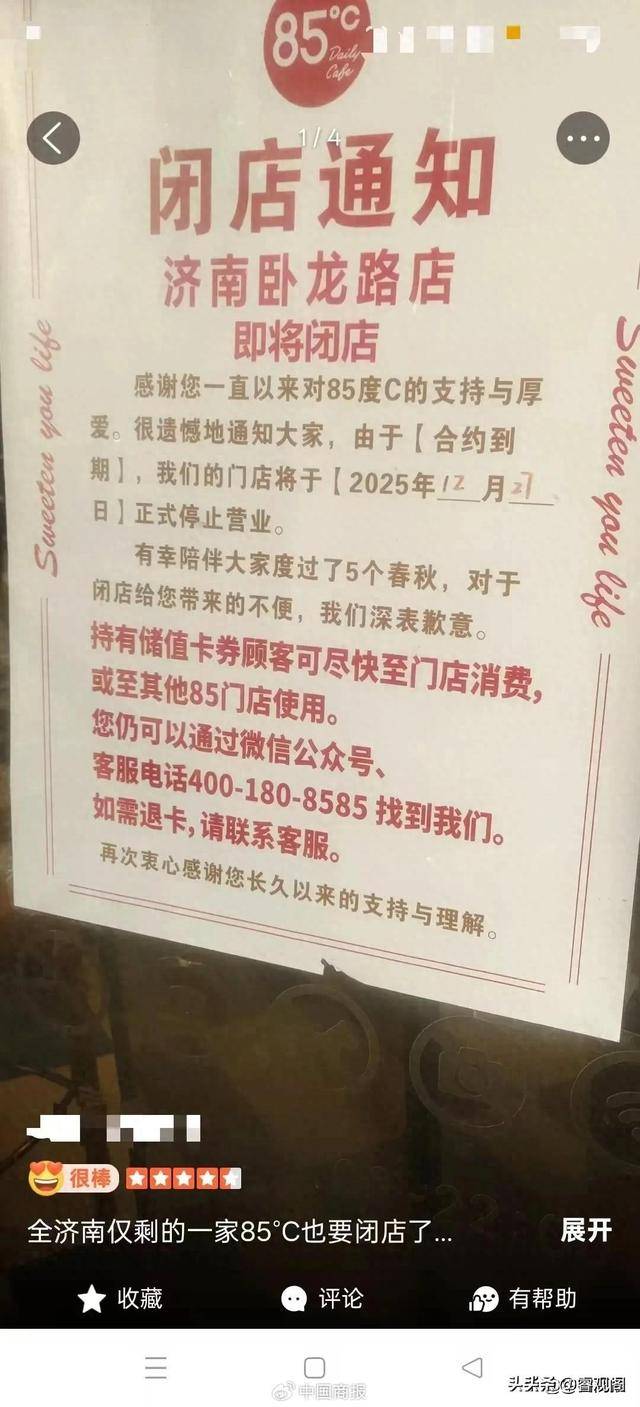
Core Insights - The article discusses the significant decline in the popularity of the "internet celebrity" bakery industry, highlighting that 87,658 bakeries closed in the past year, with an average lifespan of only 32 months for these establishments [3][10][18] Industry Overview - The closure of 85°C stores, including its last location in Jinan, symbolizes the ongoing challenges faced by the internet celebrity bakery sector, which has seen over 40 closures in mainland China this year alone [1][3] - The rapid rise of new bakery brands from 2019 to 2021 was fueled by consumer upgrades and capital investment, leading to a surge in high-end bakery concepts that emphasized aesthetic appeal and social media presence [4][7] Financial Performance - The average gross margin for leading brands in the bakery sector reached over 60%, with some brands achieving a customer price point of 65 yuan and gross margins soaring to 68% [7] - However, rising costs of raw materials, including a doubling of butter prices and a 40% increase in sugar prices, have severely impacted profitability, with net profit margins dropping below 9% for many stores [10][18] Market Dynamics - The shift in consumer behavior towards value and cost-effectiveness has led to a decline in the premium pricing strategy that once characterized the industry, as consumers now prefer lower-priced alternatives [16][18] - The competitive landscape has intensified, with traditional supermarkets and tea brands entering the bakery space, further straining the market for internet celebrity bakeries [14][18] Future Outlook - Despite the challenges, the overall retail market for baked goods in China is projected to grow, reaching 561.42 billion yuan in 2023, with an expected increase to 859.56 billion yuan by 2029, indicating a transition towards a value-driven market [18][20] - Surviving players are adapting by focusing on supply chain efficiencies and offering a range of products to meet diverse consumer needs [20]