
涉外知识产权保护

Search documents
南京以知识产权培训全力护航企业“出海”
Xin Hua Ri Bao· 2026-01-25 19:18
Core Viewpoint - The Nanjing Market Supervision Administration organized a training session to enhance the intellectual property protection capabilities of local medical device companies as they expand into international markets [1][2] Group 1: Training Session Details - The training involved over 20 representatives from listed and key export medical device companies, as well as personnel from intellectual property law firms and service organizations [1] - The format included on-site observation, specialized lectures, and interactive Q&A sessions to help companies identify key issues in overseas intellectual property protection [1] - Experts provided insights on constructing overseas trademark brand strategies and patent risk prevention for medical device companies [1] Group 2: Expert Contributions - Experts Cao Yingjie and Zhang Rui discussed strategies and methods for foreign intellectual property protection during the specialized training sessions [1] - The Q&A segment addressed specific concerns from company representatives regarding trademark and patent layout, international market expansion, and infringement dispute responses [1] Group 3: Future Initiatives - The Nanjing Market Supervision Administration plans to continue optimizing training formats and content to support the innovative and international development of the medical device industry [2]

截至2025年底国内(不含港澳台)发明专利有效量达532万件 人工智能专利有效量居全球前列
Zhong Guo Zheng Quan Bao· 2026-01-24 01:17
Core Insights - The core viewpoint of the news is the significant progress in China's intellectual property (IP) work by 2025, highlighting the increase in patent quality and quantity, particularly in high-value patents and emerging technologies [1][2][3]. Group 1: Patent Quality and Quantity - By the end of 2025, the effective number of domestic invention patents in China (excluding Hong Kong, Macau, and Taiwan) is expected to reach 5.32 million, with a per capita high-value invention patent ownership of 16 [2][3]. - In 2025, a total of 972,000 invention patents, 1.461 million utility model patents, and 666,000 design patents were authorized, with a reduction in the examination cycle for invention patents to 15 months and an accuracy rate of 95.6% [2][3]. - The value-added of patent-intensive industries is projected to account for 13.38% of GDP, exceeding the expectations set in the "14th Five-Year Plan" for intellectual property [2]. Group 2: Innovation and Core Technologies - The growth rate of high-value invention patents in China is 2.2 percentage points higher than the overall level, reaching 2.292 million [2]. - Key areas of growth in effective invention patents include information technology management methods, computer technology, and medical technology, with artificial intelligence patents ranking among the top globally [2][3]. - China has made significant advancements in core technology patents in future industries such as quantum technology, biomanufacturing, brain-computer interfaces, and sixth-generation communications [2]. Group 3: International IP Protection - The National Intellectual Property Administration (NIPA) is enhancing foreign-related IP protection, addressing issues faced by domestic enterprises in global trade, including information asymmetry and weak response capabilities [4][5]. - As of the end of 2025, NIPA has established 99 overseas IP dispute response guidance platforms across 30 provinces, with a focus on key sectors like automotive and photovoltaics [4]. - In 2025, NIPA provided over 4,800 guidance and consulting services related to cross-border e-commerce IP disputes and overseas trademark registrations, recovering losses amounting to 2.75 billion yuan [4]. Group 4: Future Directions - In the current year, NIPA plans to further strengthen foreign-related IP protection, improve inter-departmental coordination mechanisms, and enhance the dispute response guidance network [5]. - The focus will be on timely risk warnings and precise response guidance for key industries and cross-border e-commerce, selecting experts with international legal perspectives and practical experience [5].
截至2025年底 国内(不含港澳台)发明专利有效量达532万件 人工智能专利有效量居全球前列
Zhong Guo Zheng Quan Bao· 2026-01-23 23:19
Core Viewpoint - The State Council's press conference highlighted significant progress in China's intellectual property (IP) work, with a focus on the increase in the number of valid invention patents and the enhancement of innovation quality by 2025 [1][2]. Group 1: Patent Statistics and Quality Improvement - By the end of 2025, the number of valid invention patents in China (excluding Hong Kong, Macau, and Taiwan) is expected to reach 5.32 million, with a per capita high-value invention patent ownership of 16 [2][3]. - In 2025, a total of 972,000 invention patents, 1.461 million utility model patents, and 666,000 design patents were authorized, with a reduction in the examination cycle for invention patents to 15 months and an accuracy rate of 95.6% [2]. - The value-added of patent-intensive industries is projected to account for 13.38% of GDP, exceeding the targets set in the 14th Five-Year Plan [2]. Group 2: Focus on High-Value Patents - The number of high-value invention patents reached 2.292 million, with a year-on-year growth rate 2.2 percentage points higher than the overall level [2]. - Key areas of growth in valid invention patents include information technology management methods, computer technology, and medical technology, with AI patents ranking among the highest globally [2][3]. Group 3: International IP Protection Efforts - The National Intellectual Property Administration (NIPA) is enhancing foreign-related IP protection, addressing issues faced by domestic companies in global trade, and has established 99 overseas IP dispute response guidance platforms across 30 provinces [4]. - In 2025, NIPA provided over 4,800 guidance and consulting services related to cross-border e-commerce IP disputes, recovering losses amounting to 2.75 billion yuan [4]. - The agency aims to strengthen its efforts in foreign-related IP protection, improve coordination mechanisms, and enhance the capabilities of experts in handling complex disputes [5].
截至2025年底,国内(不含港澳台)发明专利有效量达532万件 人工智能专利有效量居全球前列
Zhong Guo Zheng Quan Bao· 2026-01-23 20:56
Core Viewpoint - The State Council's press conference highlighted significant progress in China's intellectual property (IP) work, with a focus on the increase in the number of valid invention patents and the enhancement of innovation quality by 2025 [1][2]. Group 1: Patent Statistics and Quality Improvement - By the end of 2025, the number of valid invention patents in China (excluding Hong Kong, Macau, and Taiwan) is expected to reach 5.32 million, with a per capita high-value invention patent ownership of 16 [2][3]. - In 2025, a total of 972,000 invention patents, 1.461 million utility model patents, and 666,000 design patents were authorized, with a patent review cycle reduced to 15 months and an accuracy rate of 95.6% [2]. - The value-added of patent-intensive industries is projected to account for 13.38% of GDP, exceeding the targets set in the 14th Five-Year Plan [2]. Group 2: Focus on High-Value Patents - The growth rate of high-value invention patents in China is 2.2 percentage points higher than the overall level, reaching 2.292 million [2]. - Key areas of growth for valid invention patents include information technology management methods, computer technology, and medical technology, with AI patents ranking among the highest globally [2][3]. Group 3: International IP Protection Efforts - The National Intellectual Property Administration (NIPA) is enhancing foreign-related IP protection, addressing issues such as information asymmetry and weak response capabilities among domestic enterprises [4]. - By the end of 2025, NIPA established 99 overseas IP dispute response guidance platforms across 30 provinces, providing over 4,800 consultations and recovering losses of 2.75 billion yuan [4]. - New regulations and a comprehensive guidance network are being developed to support enterprises in overseas markets, particularly in key industries and cross-border e-commerce [5].
国家知识产权局:已构建起“国内+海外”双向联动维权指导网络
Zhong Guo Xin Wen Wang· 2026-01-23 12:49
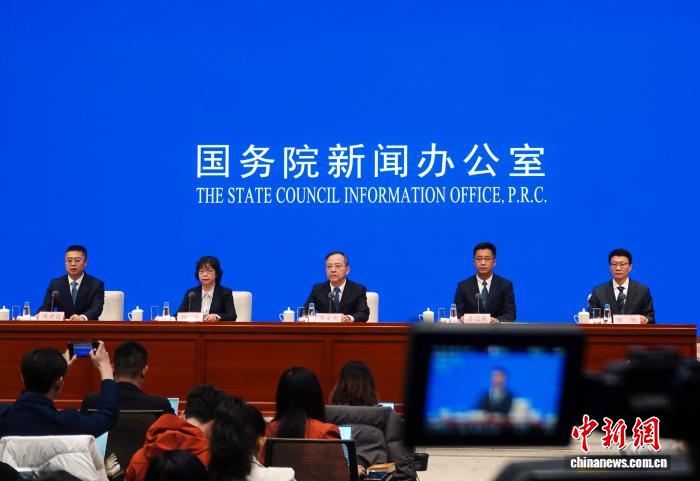
Core Viewpoint - The National Intellectual Property Administration (NIPA) has established a dual-directional protection network for intellectual property rights, both domestically and overseas, to assist Chinese enterprises in addressing foreign intellectual property disputes by 2025 [1][3]. Group 1: Establishment of Protection Network - By the end of 2025, NIPA will have set up 99 overseas intellectual property dispute response guidance platforms across 30 provinces in China, along with 6 industry-specific platforms in key sectors such as automotive and photovoltaics [1][3]. - NIPA has laid out overseas work platforms in 11 countries, creating a comprehensive "domestic + overseas" dual-directional protection network [1][3]. Group 2: Legal and Advisory Support - The implementation of the "Regulations on the Handling of Foreign-related Intellectual Property Disputes" provides a clear legal pathway for enterprises to protect their rights in complex international environments [3]. - In 2025, NIPA provided over 4,800 guidance and consulting services to enterprises regarding cross-border e-commerce intellectual property disputes and overseas trademark squatting, recovering losses amounting to 2.75 billion RMB [3][4]. Group 3: Information Services and Talent Development - NIPA has upgraded its overseas intellectual property information service platform, which now includes 1,470 laws and regulations from 189 countries and regions, along with various country-specific guides and protection instructions [3]. - Collaborative training programs with the Ministry of Justice and partnerships with Tsinghua University and Peking University aim to enhance the training of high-end talent in foreign-related intellectual property [4]. Group 4: Support for Private Enterprises - In 2025, over 170,000 private enterprises were pre-registered at national-level intellectual property protection centers, accounting for over 80% of all registered innovation entities [5]. - NIPA aims to strengthen the protection of private enterprises' intellectual property rights, enhance dispute resolution channels, and improve the efficiency of rights protection for private enterprises [4][5].

国家知识产权局:织密海外维权网络 筑牢企业“出海”知识产权防线
Zhong Guo Jing Ji Wang· 2026-01-23 06:58
Core Viewpoint - Intellectual property (IP) protection is essential for international trade, and foreign-related IP disputes have become a significant issue for Chinese enterprises as they engage more in global trade [1][2]. Group 1: Legal Framework - The implementation of the "Regulations on the Handling of Foreign-related Intellectual Property Disputes" marks a new milestone in legal protection, providing a clear legal pathway for enterprises to safeguard their rights in complex international environments [1]. Group 2: Rights Protection Guidance - By the end of 2025, the National Intellectual Property Administration (NIPA) plans to establish 99 overseas IP dispute response guidance platforms across 30 provinces, with six industry-specific platforms for key sectors like automotive and photovoltaics, and overseas platforms in 11 countries, creating a dual-channel guidance network [2]. - In 2025, NIPA aims to provide over 4,800 guidance and consulting services related to cross-border e-commerce IP disputes and overseas trademark registrations, recovering losses amounting to 2.75 billion yuan [2]. Group 3: Information Services - The NIPA is enhancing the national overseas IP information service platform, which now includes 1,470 laws and regulations from 189 countries and regions, along with a series of country-specific guides and rights protection instructions for one-stop access [2]. Group 4: Talent Development - The NIPA is increasing efforts to train foreign-related IP lawyers, collaborating with the Ministry of Justice for specialized training and establishing international IP colleges with Tsinghua University and Peking University to cultivate high-end talent in foreign-related IP [2]. Group 5: Future Initiatives - In the current year, the NIPA plans to intensify efforts in foreign-related IP protection, improve inter-departmental coordination, and enhance the dispute response guidance network, focusing on key industries and cross-border e-commerce for timely risk warnings and precise guidance [3].
国家知识产权局:去年针对跨境电商知识产权纠纷等,为企业提供指导挽回损失27.5亿元
Sou Hu Cai Jing· 2026-01-23 03:31
Core Viewpoint - The press conference highlighted the progress of China's intellectual property (IP) work by 2025, focusing on enhancing foreign-related IP protection for domestic enterprises as they engage more in global trade [3][4]. Group 1: Legal Framework and Support - The implementation of the "Regulations on Handling Foreign-Related Intellectual Property Disputes" marks a significant advancement in legal protection for enterprises facing complex international environments [3]. - A total of 99 overseas IP dispute response guidance platforms have been established across 30 provinces, with 6 industry-specific platforms for key sectors like automotive and photovoltaics [3]. Group 2: Information Services and Talent Development - The national overseas IP information service platform has been upgraded to include laws and regulations from 189 countries and regions, providing a "one-stop" query service [4]. - Efforts to cultivate foreign-related IP lawyers have been intensified, with partnerships established with Tsinghua University and Peking University to enhance high-end talent training [4]. Group 3: Future Initiatives - The National Intellectual Property Administration plans to further strengthen foreign-related IP protection, improve inter-departmental coordination, and enhance risk warning and response guidance for key industries and cross-border e-commerce [4].
港城宁波加强涉外知识产权审判 法治护航高水平开放
Xin Lang Cai Jing· 2026-01-16 13:55
Group 1 - Ningbo is a significant node in the "Maritime Silk Road," with the port expected to handle over 24,500 international vessels by 2025, indicating a high volume of trade activity [1] - From 2023 to 2025, Ningbo courts received 639 foreign-related intellectual property cases, highlighting the city's growing reputation as a preferred venue for international IP disputes [3] - The Ningbo Intermediate People's Court proposed an innovative "legitimate procurement + one-time payment" solution in a software copyright infringement case, balancing the rights of foreign copyright holders and local enterprises [3] Group 2 - The Ningbo court has established a collaborative mechanism with various local departments to address fragmented foreign-related IP protection, signing a memorandum to enhance information sharing and risk management [5] - To prevent passive rights protection, the Ningbo court has extended its judicial services to the pre-dispute stage, serving over 100,000 enterprises with legal risk alerts [5] - Local courts in Ningbo are tailoring legal risk prevention services to specific industries, exemplified by initiatives like "Yao Business Overseas Legal Protection" and regular research mechanisms with business associations [5] Group 3 - The Ningbo court has partnered with local universities to establish a training base for foreign-related legal talent, aiming to cultivate professionals with a comprehensive legal background [5] - Recent reforms have improved the efficiency of foreign-related IP case handling, with a mediation rate of 67.6% in the last three years, and lower appeal rates compared to general IP cases [5]
市场监管总局公布第二批市场监管服务型执法典型案例
Yang Shi Wang· 2025-06-30 02:18
Group 1 - The article discusses the implementation of a service-oriented law enforcement model by market regulatory authorities, focusing on prevention, light penalties for minor violations, and strict penalties for serious violations [1] - The model aims to unify discretion and ensure proportional penalties, enhancing political, legal, and social outcomes [1] Group 2 - The case of Shandong Mimeng Intelligent Equipment Co., Ltd. involved the illegal bundling of a paid service with charging fees for electric bicycles, resulting in a total illegal revenue of approximately 105.35 thousand yuan from 1,170,572 transactions [2] - The company voluntarily ceased the default bundling practice and refunded all collected fees, benefiting over 150,000 consumers [3] Group 3 - The case of Qingdao Lilang Wine Co., Ltd. involved the production of sparkling wine labeled with "CHAMPAGNE," leading to the seizure of 129 boxes of infringing products and a fine of 20,000 yuan [4][6] - The enforcement agency provided guidance for the company to apply for its own trademarks, resulting in the successful registration of five trademarks [5][6] Group 4 - The case of a candy stall in Liuzhou, Guangxi, highlighted the importance of compliance with food safety regulations, where the stall was found selling bulk food without a license but was not penalized due to the minor nature of the violation [7][8] - The regulatory body provided educational support and guidance for the stall to obtain the necessary food business license [8] Group 5 - The case in Dazhou, Sichuan, involved a significant crackdown on illegal meat products, leading to the seizure of approximately 8 tons of unlicensed frozen meat valued at around 600,000 yuan [9][10] - The operation resulted in the arrest of 15 suspects and the dismantling of two cold storage warehouses, with the case now in prosecution [9][10]