
科技创新中心建设

Search documents
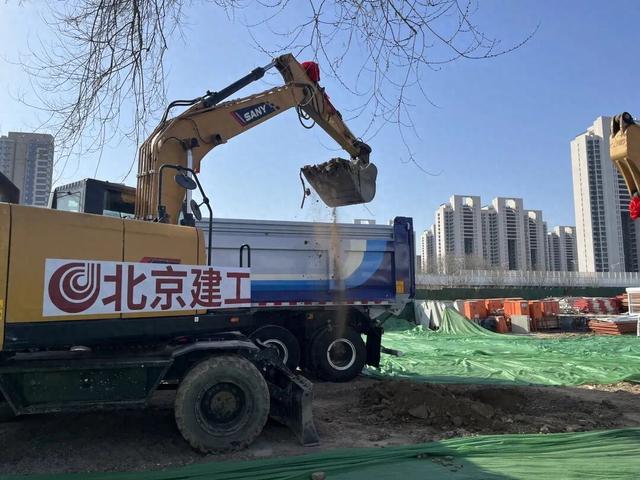
地铁19号线二期开建,昌平出行再升级
Xin Lang Cai Jing· 2026-02-24 06:58
Core Viewpoint - The construction of the second phase of Beijing's Metro Line 19 (north extension and north extension branch) has officially entered the comprehensive construction stage, marking a significant step in the city's high-quality development and the implementation of the 14th Five-Year Plan [1]. Group 1: Infrastructure Development - The second phase of Metro Line 19 will have a total length of approximately 24.1 kilometers and will include 8 stations, with 5 being transfer stations [3]. - The project will traverse three administrative districts: Haidian, Chaoyang, and Changping, enhancing the connectivity of the capital's northwest rail transit network and addressing long-standing traffic bottlenecks in the area [3]. Group 2: Economic and Social Impact - The line will connect key innovation and technology areas such as Zhongguancun Science City and the western area of Future Science City, facilitating the efficient flow and aggregation of talent, technology, and capital [5][6]. - Once completed, the line will enable a rapid half-hour commute between the western area of Future Science City and the city center, supporting the "innovation-industry-finance" cycle essential for Beijing's development as a technology innovation center [6]. Group 3: Construction Challenges and Innovations - The project faces complex geological conditions and dense infrastructure, requiring high construction standards and advanced technology [6]. - The construction will incorporate energy-saving technologies, green building practices, and smart operation systems, aiming to set a benchmark for sustainable and high-quality urban development during the 14th Five-Year Plan period [6].

北京平原新城经济总量达万亿元规模
Zhong Guo Xin Wen Wang· 2026-02-12 12:39
Group 1 - The economic total of Beijing Plain New Town has reached 1 trillion RMB, with a permanent population accounting for over 30% of the city's total [1] - The recently published "Modern Capital Urban Circle Spatial Coordination Plan (2023-2035)" emphasizes the role of Beijing Plain New Town as a key node for regional collaboration and a vital part of the modern capital urban circle [1] - By 2025, Beijing will implement high-quality development plans for five areas within the Plain New Town, including Shunyi, Daxing, Yizhuang, Changping, and Fangshan, based on the principle of "one area, one policy" [1] Group 2 - During the 14th Five-Year Plan period, Beijing will enhance the comprehensive carrying capacity of the Plain New Town, focusing on building the Beijing-Tianjin-Hebei International Science and Technology Innovation Center and promoting the construction of over 50 national key laboratories [2] - The development of three trillion-level industrial clusters in new-generation information technology, pharmaceutical health, and technology services will drive regional industrial cluster development in collaboration with surrounding areas such as Tianjin Wuqing and Hebei Langfang [2]
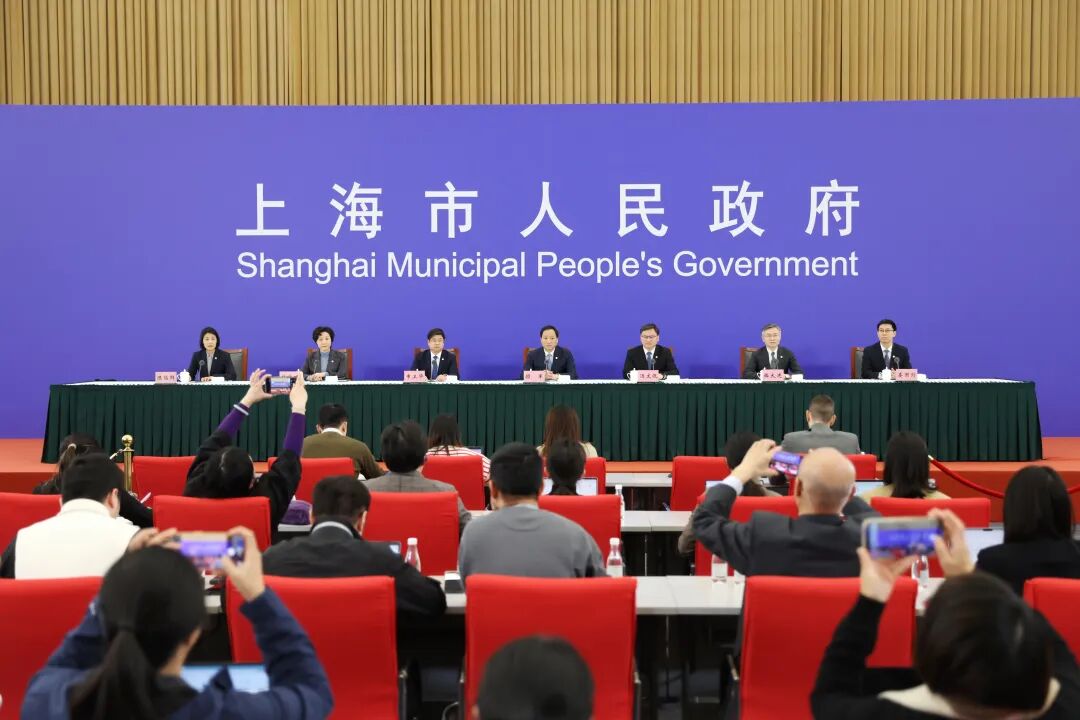
“十五五”开局怎么干?上海两会最后一天,这场主题记者会向中外媒体重磅发布
Xin Lang Cai Jing· 2026-02-07 09:25
Core Viewpoint - Shanghai aims to achieve a GDP growth rate of 5.4% in 2025, exceeding the national average, while focusing on deepening reforms and expanding effective demand to ensure a strong start for the "14th Five-Year Plan" [3] Economic Growth and Development - Shanghai's GDP is projected to reach 5.67 trillion yuan in 2025, marking a 5.4% increase from the previous year, successfully meeting the annual and "14th Five-Year" economic growth targets [3] - The city plans to focus on enhancing consumption, stabilizing investment, and promoting foreign demand to foster economic growth [3] Industrial Development - Shanghai's industrial output surpassed 4 trillion yuan last year, with a focus on high-end industries as a key driver for high-quality development [4] - The city aims to target new sectors such as smart terminals and commercial aerospace during the "14th Five-Year" period, creating new trillion-yuan industries [4] Foreign Investment - By the end of last year, Shanghai had recognized 1,076 multinational company regional headquarters and 636 foreign R&D centers, with plans to establish over 6,300 new foreign enterprises by 2025, reflecting a 6.8% year-on-year growth [5] - The city will enhance its international business environment and provide precise services to foreign enterprises to maintain its status as a preferred investment destination [5] Employment and Skills Development - Shanghai plans to create over 600,000 new jobs by 2026, with a focus on youth employment and addressing the impacts of AI on the job market [11] - The city will implement actions to promote skill enhancement and job matching, particularly for long-term unemployed youth [11] Technological Innovation - Shanghai's R&D expenditure is expected to increase from 4.1% to approximately 4.5% of GDP by 2025, with a significant rise in basic research investment [12] - The city will focus on strengthening its role as a technology innovation center, enhancing collaboration and efficiency in innovation ecosystems [12] Consumer Market and Trade - Shanghai's retail sales are projected to grow significantly, with initiatives to boost service consumption and brand development [13] - The city aims to enhance its foreign trade, targeting an export-import scale exceeding 4.5 trillion yuan by 2025, with growth rates surpassing national averages [9]
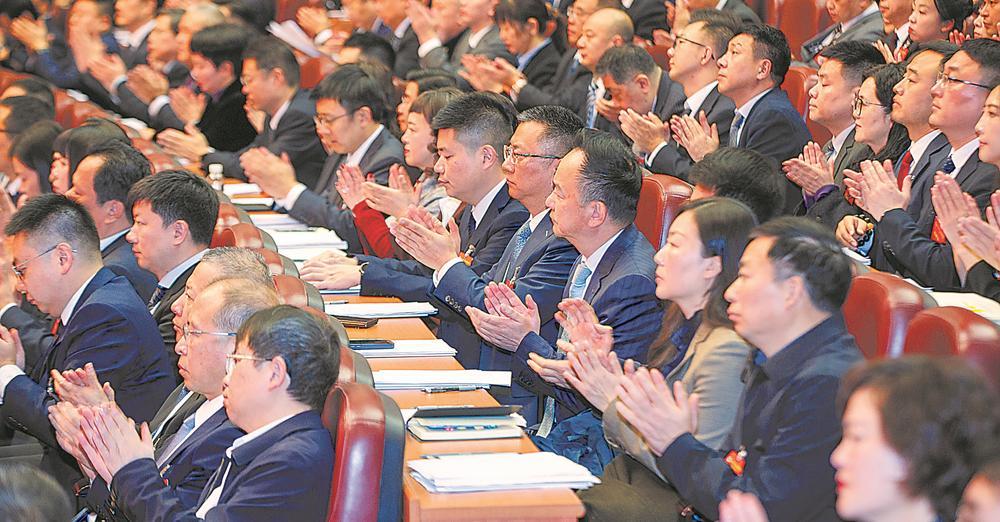
共识在交流中凝聚 信心在展望中升腾
Xin Lang Cai Jing· 2026-01-27 18:56
Group 1 - The Chengdu Municipal Political Consultative Conference opened on January 27, with over 600 members gathering to discuss the city's modernization goals and development plans for the next five years [4][5] - The conference emphasized the importance of building a significant technology innovation center in Chengdu, with members expressing the need to transform technological advantages into industrial strengths [5][6] - Members highlighted the importance of cultural representation in enhancing Chengdu's international image, suggesting the creation of a unique cultural identity to support diplomatic efforts [6][7] Group 2 - The discussions at the conference focused on the "Five Centers and Five Places" development blueprint, with members expressing confidence in the clarity of the development paths [7][8] - Members expressed optimism about Chengdu's economic growth, particularly in the context of the "14th Five-Year Plan" and the upcoming "15th Five-Year Plan," which aims to integrate technology and industry [8] - The conference showcased a strong commitment to fostering innovation and international outreach, with members discussing strategies for local enterprises to expand globally [6][8]
上海银行以金融引擎助力“五个中心”建设 科创与跨境服务双轮驱动
Zhong Jin Zai Xian· 2025-12-29 07:59
Core Viewpoint - Shanghai Bank has deeply integrated into the construction of Shanghai's "Five Centers" over the past thirty years, particularly in the fields of technology innovation and international finance, providing financial momentum for major national projects through systematic services and innovative practices [1][2] Group 1: Technology Financial Services - Shanghai Bank has developed a "12345" technology financial service system to address the pain points of technology enterprises, focusing on early-stage support and comprehensive empowerment [1] - The bank aims to be the preferred choice for transformation and incubation, and a companion for startup growth, with a vision to reshape risk logic and implement a "four-dimensional" empowerment and "five-special" mechanism [1] - As of September 2025, the bank's technology financial loan balance is nearly 200 billion yuan, serving approximately 19,000 technology enterprise clients, with significant partnerships with specialized and top technology firms in Shanghai [1] Group 2: International Financial Center Development - Shanghai Bank holds six core market qualifications, including being a SHIBOR quoting bank and a market maker in the interbank bond market, continuously innovating in financial market services through its licensed asset management institutions [2] - The bank has established a "5+4+X" cross-border financial service ecosystem, facilitating the issuance of the world's first private enterprise "Yulan Bond" by Fosun High Technology in 2025, creating new channels for private enterprises to access international capital markets [2] - Currently, Shanghai Bank collaborates with 840 agency banks across 72 countries and regions, with annual cross-border RMB settlement exceeding 500 billion yuan and international settlement volume surpassing 160 billion USD, playing a crucial role in the construction of Shanghai as an international trade and shipping center [2]

京津冀将打造更加紧密的协同创新共同体
Zhong Guo Xin Wen Wang· 2025-12-18 01:51
Group 1 - Beijing-Tianjin-Hebei region aims to create a more closely integrated collaborative innovation community, focusing on building an international technology innovation center [1] - The region will leverage national laboratories, research institutes, and universities in Beijing to enhance the output and transformation capabilities of major original achievements [1] - The Xiong'an New Area is experiencing rapid development, with over 1,000 students enrolled in schools supported by Beijing and a cumulative outpatient volume of over 510,000 at Xiong'an Xuanwu Hospital [1] Group 2 - The Beijing-Tianjin-Hebei intelligent connected new energy vehicle technology ecological port has reached 42 projects, with over 300 key component enterprises from Tianjin and Hebei entering the supply chains of leading companies like Beijing Benz and Xiaomi [2] - The region plans to build a more competitive industrial chain cluster, attracting leading component enterprises to settle in the ecological port [2] - There is an emphasis on accelerating the humanoid robot industry chain project and enhancing cooperation with key parks in Tianjin and Hebei to improve industrial collaboration efficiency [2]
各省委中央经济工作会议学习里的增量信息
一瑜中的· 2025-12-16 16:03
Group 1 - The article emphasizes the importance of major economic provinces in supporting national economic growth, specifically mentioning Guangdong, Jiangsu, Shandong, Zhejiang, Shanghai, Hunan, and Beijing as key players for 2024 and 2025 [3][12] - The central economic work conference has highlighted the need for provinces to set reasonable economic development goals for the upcoming year, with variations in wording indicating a shift towards more tailored approaches [4][14] - The construction of a unified national market is a priority, with plans to develop guidelines in 2024 and regulations in 2025, focusing on reducing "involution" competition [5][17] Group 2 - There is a strong emphasis on differentiated work arrangements among provinces, including the establishment of international technology innovation centers in Beijing and Shanghai, aimed at fostering original innovation [6][19] - The article discusses the push for market-oriented reforms in resource allocation, with specific pilot projects in Guangdong and Henan [21] - The development of the marine economy is highlighted, with Shandong aiming to create a modern marine economic development hub by 2025 [22] - Urban renewal initiatives are being prioritized, with Guangdong focusing on implementing high-quality development projects in rural areas [23] - The article notes the importance of expanding openness in service sectors, with Shanghai enhancing its role in cross-border finance and global supply chain management [24]

每周经济观察:各省省委中央经济工作会议学习里的增量信息-20251214
Huachuang Securities· 2025-12-14 15:21
Group 1: Economic Development Goals - Major provinces such as Guangdong, Jiangsu, Shandong, Zhejiang, Shanghai, Hunan, and Beijing are expected to "shoulder the responsibility" for economic growth in 2024 and 2025[2] - Jiangsu's phrasing for next year's economic goals shifted from "higher positioning" to "scientifically and reasonably setting development goals," indicating a more cautious approach[3] - Hunan and Liaoning emphasize "adapting to local conditions" in their economic strategies, reflecting a tailored approach to development[3] Group 2: Unified Market Initiatives - The central economic work meetings for 2024 and 2025 outline plans for a unified national market, with 2024 focusing on "developing guidelines" and 2025 on "establishing regulations" for this market[4] - More provinces are highlighting their integration into the unified market, with Shandong and Jiangxi actively promoting their roles in this initiative[4] - The language around "in-depth rectification" of "involutionary competition" has become more specific, indicating a shift from general guidelines to actionable regulations[4] Group 3: Differentiated Provincial Strategies - Beijing and Shanghai are expanding their international technology innovation centers to enhance original innovation capabilities, aiming to become strategic hubs for technological advancement[4] - Guangdong and Henan are initiating pilot reforms for market-oriented allocation of resources, indicating a push towards more efficient economic structures[4] - The focus on high-quality development of the marine economy is highlighted by Shandong's commitment to becoming a modern marine economic hub[4]
武汉:力争2030年经济总量突破3万亿元 基本建成全国经济中心
Zheng Quan Shi Bao Wang· 2025-12-05 02:10
Core Viewpoint - The Wuhan Municipal Committee has approved a five-year action plan (2026-2030) aimed at establishing Wuhan as a national technology innovation center, with specific targets for R&D spending, talent acquisition, patent ownership, and high-tech enterprises [1] Group 1: R&D and Innovation Goals - By 2030, the total R&D expenditure in Wuhan is expected to reach 4.3% of the regional GDP [1] - The plan aims to cultivate and attract 20,000 individuals through national and provincial talent programs [1] - The number of high-value invention patents per 10,000 people is targeted to exceed 60 [1] Group 2: Patent and Technology Contracts - The number of PCT international patent applications is projected to surpass 3,000 [1] - The total value of technology contracts is expected to exceed 350 billion yuan [1] Group 3: High-tech Enterprises - The number of large-scale high-tech enterprises in Wuhan is anticipated to exceed 5,000 [1]
中新网:武汉两件法规8月1日起施行 涉及科技创新及养老
Zhong Guo Xin Wen Wang· 2025-06-25 14:00
Group 1: Technology Innovation Center - The core objective is to establish Wuhan as a nationally influential technology innovation center, focusing on active innovation entities, gathering innovation elements, and creating a favorable innovation environment [2][3] - The "Wuhan Regulations on Promoting the Construction of Technology Innovation Center" emphasizes the importance of planning and construction, stimulating innovation vitality, and enhancing support measures for innovative talent [2][3] - Key platforms for innovation include East Lake Science City, Wuhan New City, and the Optics Valley Technology Innovation Corridor, with specific construction goals and tasks outlined [2][3] Group 2: Elderly Care Services - The "Wuhan Elderly Care Services Regulations" aims to develop a diversified elderly care service system in response to the increasing aging population, projected to reach 2.3034 million people aged 60 and above by the end of 2024, with an aging rate of 24.08% [4][5] - The regulations encourage social participation in elderly care services, aiming to optimize a service supply structure based on home care, community support, and institutional care [4][5] - Each district is required to establish at least one government-funded comprehensive elderly care center, with additional requirements for community-level care services and facilities in new residential projects [5]