
系统能力

Search documents
参数内卷「熄火」,系统能力「接棒」:石头科技如何拆解行业深水区?
雷峰网· 2026-03-12 08:27
Core Viewpoint - Stone Technology is redefining the underlying logic of global vacuum robots by breaking the physical boundaries of cleaning robots [1] Group 1: Industry Evolution - The vacuum robot industry has experienced a "parameter boom" over the past few years, focusing on increasing suction power and sensor count, but many real-world issues remain unresolved [2][3] - The industry is transitioning from a focus on single-point performance to a more comprehensive system capability that allows robots to effectively navigate complex home environments [5][6] - Stone Technology has maintained its leadership in global sales and revenue for two consecutive years, attributed to its focus on addressing fundamental issues in real household spaces rather than just enhancing individual features [5][6] Group 2: Stages of Development - The vacuum robot industry has gone through two main stages: the establishment of the category, where early robots focused on navigation algorithms, and the scale replacement stage, where Chinese brands improved cost-effectiveness and functionality [8][12] - As the industry matures, the focus has shifted to solving problems related to navigating complex environments, making cleaning robots more like robotic systems that can perform tasks in physical spaces [13][14] Group 3: System Capability Revolution - The core competitive advantage in the cleaning industry has shifted to system capabilities, with Stone Technology leading the way by developing robots that can adapt to various terrains and obstacles [6][16] - Stone's G30S Pro features a 3.0 AI wheel-foot system that allows for significant obstacle crossing capabilities, marking a technological evolution in the vacuum robot's design [17][18] Group 4: User Experience Enhancement - User experience in real household environments can be broken down into three key questions: can the robot reach the area, can it enter the space, and can it perform the cleaning task correctly [21] - Stone's innovations, such as the liftable radar system, allow robots to navigate low spaces while maintaining navigation stability, addressing long-standing industry challenges [24][26] - The introduction of advanced perception systems enables robots to recognize and adapt to various obstacles, enhancing their operational effectiveness [28][31] Group 5: Innovation and Market Strategy - Stone Technology's ability to scale innovations from flagship products to mainstream offerings is crucial for establishing a competitive market position [33][36] - The company has invested significantly in R&D, with expenditures reaching 1.028 billion yuan in the first three quarters of 2025, reflecting a 60.56% year-on-year increase [41] - Stone's market share reached 20.7% in the second half of 2025, solidifying its position as a leader in the industry and enabling further technological advancements [44] Group 6: Future Outlook - The vacuum robot industry is at a turning point, with a clear divide between those focusing on traditional metrics and those reimagining products from a robotic perspective [49] - Stone Technology's early investment in system capabilities and mass production processes positions it favorably for future growth and innovation in the smart cleaning ecosystem [49]


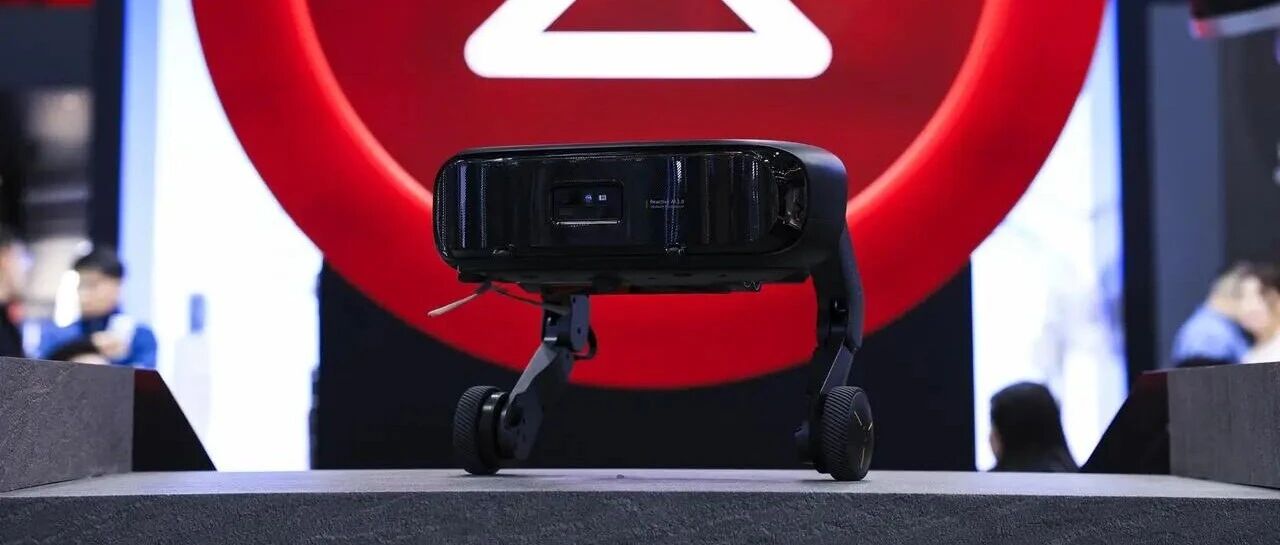
春晚首见!追觅把 「人车家」智能生态搬上「国民」舞台
雷峰网· 2026-02-18 08:49
Core Viewpoint - The evolution of brand sponsorship at the Spring Festival Gala reflects the advancement path of Chinese manufacturing, transitioning from traditional consumer goods to smart technology ecosystems [3][6][68]. Group 1: Brand Evolution and Industry Changes - The sponsorship history of the Spring Festival Gala mirrors the transformation of China's industrial structure, starting with traditional goods and moving towards smart technology [3][4]. - By 2026, the focus has shifted to a comprehensive ecosystem of smart devices, emphasizing the integration of algorithms and hardware [6][7]. - The presence of companies like追觅科技 at the Gala signifies a shift from single product success to a system-driven competitive logic [8][10]. Group 2: Technological Integration and Ecosystem Development - 追觅科技's approach is to address common challenges in daily life rather than focusing on individual product categories, showcasing a unique model in the tech industry [19][21]. - The company has developed a robust technological foundation that allows for cross-category application, enhancing efficiency and reducing costs [24][28]. - The organizational structure of 追觅科技 supports collaboration across different business units, ensuring that technology aligns with market needs [27][29]. Group 3: Global Market Strategy - 追觅科技 has chosen to enter high-end markets in Europe and North America, establishing a strong presence in challenging environments [34][36]. - The company has achieved significant market shares in these regions, with over 40% in some categories, indicating its competitive strength [38]. - By focusing on high-end markets, 追觅科技 aims to build a foundation for pricing power and resilience against market fluctuations [45][46]. Group 4: Human-Centric Technology - The narrative emphasizes that technology should enhance human life rather than dominate it, showcasing how smart devices can simplify daily tasks [54][56]. - The goal is to create a seamless integration of technology into everyday life, allowing users to reclaim time for personal activities [59][60]. - The evolution of technology is not just about performance metrics but about its impact on human experience and societal structure [65][66]. Group 5: Future Implications - The transition from a focus on individual products to a system-based approach signifies a deeper level of competition in the tech industry [68][70]. - The ability to leverage foundational technology and maintain operational efficiency will be crucial for future success [71][72]. - The significance of 2026 lies in the demonstration of Chinese hard technology's maturity and its ability to tell a more sophisticated story on a global stage [75][76].

从迪拜到世界 华为 Mate X7 领衔新品矩阵,输出中国科技价值
Huan Qiu Wang· 2025-12-12 10:49
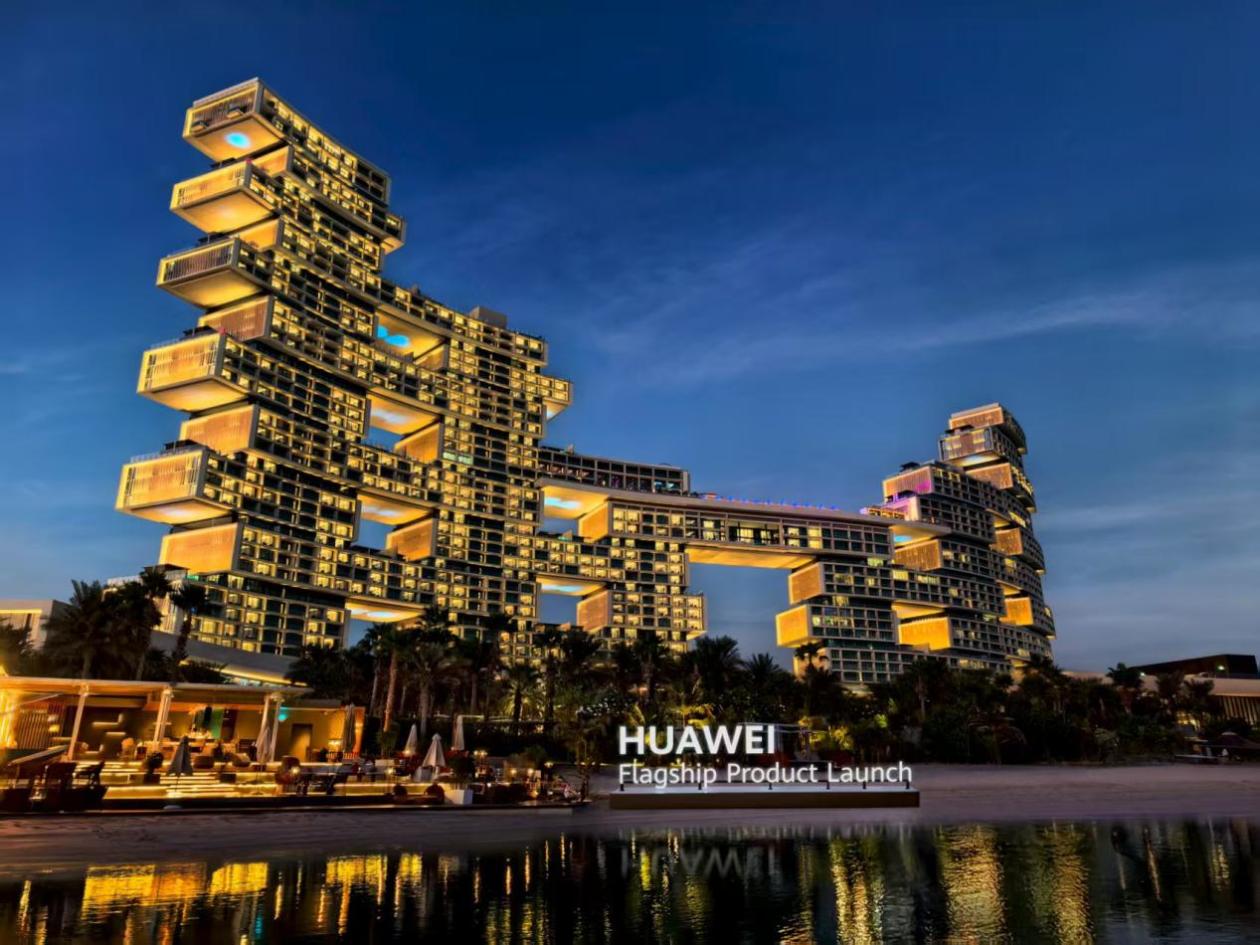
Core Insights - Huawei's recent product launch in Dubai, themed "Unfold the Moment," showcased its latest innovations, including the Mate X7 foldable smartphone, FreeClip 2 earphones, WATCH ULTIMATE DESIGN, and MatePad 11.5 S, signaling a shift in competition from technical specifications to user experience [1][2][5] Product Highlights - The Mate X7 is positioned as a leading foldable device, featuring the "Xuanwu architecture" that enhances reliability and durability, with advancements in hinge technology and imaging capabilities that rival traditional flagship smartphones [2][5] - The FreeClip 2 earphones have been upgraded for comfort and usability, weighing only 5.1g per earbud, which is a 9% reduction from the previous model, allowing for extended wear without discomfort [2] - The WATCH ULTIMATE DESIGN combines luxury materials with advanced features like dual-direction Beidou satellite messaging and water resistance up to 100 meters, pushing the boundaries of wearable technology [3] - The MatePad 11.5 S is designed for productivity, featuring a high-refresh-rate display and tools that cater to students and professionals, reinforcing Huawei's position in the mobile productivity sector [3] Systemic Innovation - Huawei emphasizes a systemic approach to innovation, moving beyond isolated technical advancements to create a seamless user experience that addresses concerns about product reliability and usability [5][6] - The company has recognized a shift in consumer expectations, where users prioritize a holistic experience over individual specifications, leading to a focus on creating a trustworthy and user-friendly environment [5][6] Market Positioning - Huawei's wearable products have achieved significant market penetration, with over 200 million units shipped globally, positioning the company as a leader in the wearable technology market [6] - The launch event in Dubai reflects Huawei's strategic intent to redefine market expectations, transitioning from merely following supply trends to actively shaping consumer demand and delivering value [11] Human-Centric Technology - The introduction of features like the "wheelchair mode" demonstrates Huawei's commitment to inclusivity and enhancing the daily lives of diverse user groups, showcasing technology's potential to empower rather than just assist [8][11] - The company's focus on creating products that resonate with human experiences and values is seen as a key differentiator in the competitive landscape of smart devices [9][11]
99%的创业者都搞反了:先抓细节,公司死得更快
3 6 Ke· 2025-11-19 00:36
Core Insights - The article emphasizes the importance of "systematic capability under detailed capability" as a key trait for successful entrepreneurs, highlighting that this skill can be developed over time rather than being innate [1][4][6] Group 1: Systematic Capability - Systematic capability refers to the ability of a company to avoid significant shortcomings in key areas and to build organizational-level capabilities [1][4] - Founders often lack systematic capabilities, leading them to seek partners or executives to fill their knowledge gaps, especially before Series B funding [2][4] - Building a system is an irreplaceable responsibility of the CEO, as a well-constructed system allows for the retention of talent and effective operations [4][7] Group 2: Detailed Capability - Detailed capability involves the pursuit of extreme professionalism in products and services, which must be established on top of systematic capability to ensure replication and iteration [1][5] - In industries like soy sauce production, the process involves numerous intricate steps where even minor changes can significantly affect the final product [5][6] - A mature business system translates strategic intentions into executable actions, with detailed capability focusing on the precise execution of these actions [5][6] Group 3: Continuous Improvement - Details serve as the core feedback source for system iteration and optimization, allowing the system to evolve based on insights from customer feedback and operational data [6][7] - Successful entrepreneurs maintain a habit of being present and engaged, using insights from various sources to identify potential system weaknesses or opportunities [6][7] Group 4: Case Studies - The article references Huawei's evolution from a hero-based management style to a structured system that emphasizes detail-oriented management, showcasing the value of a robust management system as a core asset [7]


从单药博弈到系统制胜:创新药投资的“能力锚”与“全球局”
雪球· 2025-11-01 03:55
Core Viewpoint - The essence of innovative drug investment is a "high risk, high return" probability game, focusing on the value realization cycle of potential blockbuster drugs [2] - The success of a single drug is merely a "probability event," while the "system capability" of a company is crucial for navigating cycles and enhancing success rates [2][3] Pipeline Worship Rejection - The value of a pipeline is ultimately defined by the company's capabilities, rather than the pipeline itself [4] - For small innovative drug companies, the core value is concentrated in 1-2 key pipelines, while for larger companies and MNCs, the match between "pipeline thickness" and "capability boundaries" is key to determining value [5] - The "false precision" of pipeline valuation is meaningless; the success rate of a drug from clinical trials to approval is only about 10% [6] Company and Platform Capabilities - Company capabilities serve as a "risk hedging tool" for pipelines, enhancing the success probability and value ceiling of drugs [7] - The core of a pipeline is "sustainability" rather than "quantity," as evidenced by the growth history of overseas MNCs [8] Chinese Characteristics of Capability - The "low cost + strong sales" model of companies like Heng Rui is a unique product of China's innovative drug industry stage, based on industry advantages [10] - The model's boundaries do not apply to overseas markets, where MNCs focus on breakthrough innovations and global sales platforms [11] Evolution of Capabilities - The direction of capability evolution is shifting from "cost advantages" to "innovation + integration," as the market landscape changes [12][13] Global Perspective on Big Pharma Logic - Comparing domestic and foreign MNCs clarifies the boundaries between "single drug competition" and "system victory," with both relying on system capabilities rather than single drug dependence [15][16] Investment Framework Upgrade - The complete framework for innovative drug investment should adapt to "stage matching + capability focus," recognizing the value of single drug competition while not idolizing pipelines [18] - For small innovative drug companies, the focus remains on "single drug value inflection points," while for large companies and MNCs, the emphasis is on "capability inflection points" [18] Incremental Options to Enhance Long-term Value - Three incremental options can significantly enhance investment elasticity: improvements in payment terms, overseas value realization, and merger integration [19] - Caution is advised against companies that focus solely on pipeline stories or lack clear capability boundaries for overseas expansion [19] Conclusion - The essence of innovative drug investment is balancing "probability and value," with small companies focusing on "single drug success" and large companies on "capability-driven success" [21] - The development of China's innovative drugs is transitioning from "single drug breakthroughs" to "system competition," with future winners being those that can upgrade local advantages to global innovation and integration capabilities [21]


中国创新药出海狂飙:450亿美元交易撞上“系统能力”大考
2 1 Shi Ji Jing Ji Bao Dao· 2025-07-21 10:11
Core Insights - The total transaction value of Chinese innovative drugs going abroad has exceeded $45 billion in the first five months of 2025, nearly matching the total for the entire year of 2024, indicating strong confidence from international pharmaceutical giants in China's original drug capabilities [1] - Despite the impressive figures, there are significant challenges, with a 40% termination rate in license-out transactions, highlighting systemic risks in clinical trial design and commercial cooperation [1] - The Chinese pharmaceutical industry is at a historical turning point, facing increasing international regulatory pressures and a shift from "single-point breakthroughs" to comprehensive capability assessments [1][5] Industry Status - Chinese new drug research capabilities have reached a world-class level, with 1,775 First-in-Class (FIC) drugs, accounting for 19% of the global total, narrowing the gap with the U.S. [3] - The number of Chinese research presentations at the ASCO conference has increased, with 73 reports in 2025, including 11 breakthrough studies, representing 20% of the total [3] - However, challenges remain, including a significant degree of homogeneity in drug research and a mismatch between industry development and market potential [1][3] Clinical Trials and Research - In the oncology sector, clinical trials accounted for 41% of all trials, with a notable increase in trials for rare cancers, which made up 74% of new trials in 2024, reflecting a 3% growth from 2023 [4] - The proportion of clinical trials conducted by Chinese companies has risen to 39%, up from 24% five years ago, indicating a growing role in global new product development [4] - Despite the growth, there are still issues with the internationalization of regulatory systems, leading to insufficient responses from Chinese teams to complex inquiries from the FDA [5] Innovation and Development Strategies - Original innovation remains the core competitiveness for biopharmaceutical companies, necessitating a focus on clinical needs and clear targets for therapeutic breakthroughs [6] - The establishment of a three-dimensional innovation ecosystem is essential for domestic innovative drug companies, requiring collaboration across research, industry, and regulation [6][9] - The transition from "license-out" to "co-development" models necessitates that Chinese pharmaceutical companies develop comprehensive capabilities across the entire value chain [9] Global Market Expansion - The Chinese biopharmaceutical industry is experiencing explosive growth, with a significant portion of innovative drug pipelines originating from China [7] - Companies must navigate varying regulatory requirements across different countries, making compliance a critical factor for successful international market entry [7] - Initiatives like Cytiva's "Sail Plan" aim to support Chinese biopharmaceutical companies in global market strategies and regulatory compliance [8] Conclusion - The journey of Chinese innovative drugs in the global market is marked by impressive growth and significant challenges, with a need for systemic improvements in research, regulatory compliance, and market strategies to achieve global recognition and therapeutic value [9]
打印耗材“全球第一”背后的博弈
Feng Huang Wang· 2025-06-17 10:37
Core Insights - The article highlights that G&G has officially announced its position as the global leader in general printing consumables for 2024, marking a significant milestone for Chinese brands in the industry [1][5]. Industry Overview - General printing consumables, produced by third-party brands, are essential for various high-frequency printing environments such as hospitals, schools, and government offices, despite being low-profile products [2]. Historical Context - In the early 2000s, the Chinese general printing consumables industry faced significant challenges, including technological barriers imposed by Western companies and a weak industrial foundation [3]. - G&G emerged during this period with a commitment to innovation, successfully developing its own encryption chip within three months after the introduction of OEM chips [3][4]. - The company faced a major legal challenge in 2006 when the U.S. initiated a "337 investigation" against Chinese consumables companies, but G&G chose to respond actively, showcasing its commitment to self-research and development [3][4]. Company Achievements - G&G has achieved a remarkable milestone by becoming the first Chinese brand to reach the top position in global sales of general printing consumables, with a total sales volume of 168 million units and serving over 400 million end-users [5]. - The company holds over 6200 patents and has established a nationwide service network with more than 2000 service points, demonstrating its comprehensive capabilities in the industry [5][6]. Technological Innovations - G&G has pioneered several industry standards, including the first self-developed chip for ink cartridges and innovative technologies for ink supply and toner production [8]. - The company has introduced a new generation of products that enhance user experience, such as high-capacity refillable toner cartridges and advanced color laser printers that support domestic operating systems [9][20]. Strategic Direction - G&G plans to focus on "green intelligence" and "safety control" over the next five years, aiming to expand into high-end application scenarios and enhance China's global influence in the consumables market [26]. - The company emphasizes a shift from product output to standard output, aiming to build a comprehensive ecosystem that integrates products, services, and solutions [26][27].
