
极狐T1

Search documents
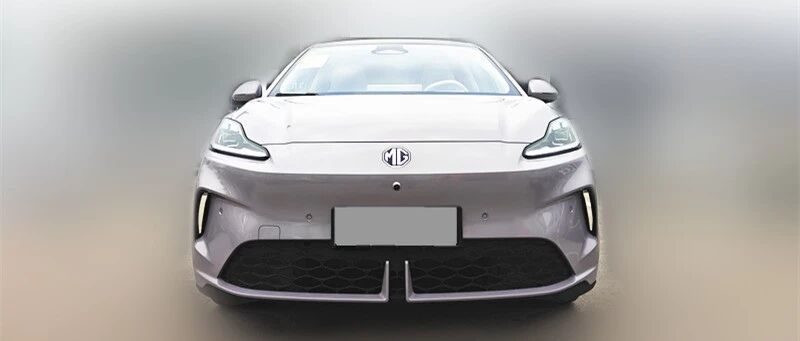
名爵MG4:全是家里买的第二台车,热泵空调是加分项
车fans· 2026-03-18 00:29
Core Viewpoint - The MG4 model from MG has seen a significant increase in availability and sales, with a notable shift in customer demographics and preferences towards electric vehicles [1][2]. Sales Performance - The local MG dealership reports an average of 6 customer groups visiting daily, with 60% interested in the MG4, leading to 28 units sold last month, representing over 65% of total sales [2]. - The most popular configuration is the 437 km "Calm Version," which accounts for 50% of sales, while the 530 km "Smart Version" struggles to sell, often compared unfavorably to competitors like BYD Dolphin [10]. Customer Demographics - Buyers of the MG4 are primarily second-car owners, aged 20-40, often employed in stable jobs, seeking a reliable vehicle for commuting [4]. - A notable customer profile includes individuals transitioning from traditional fuel vehicles to electric, valuing performance and reliability over brand prestige [4][6]. Competitive Analysis - The MG4 competes with models like BYD Sea Gull and Geely Star Wish, with its advantages being a powerful 120 kW motor and standard heat pump air conditioning, which enhances winter performance [6]. - However, brand perception issues arise due to the use of Ruipu Lanjun batteries, as many customers prefer the more recognized CATL brand [6][8]. Customer Preferences - The most favored color for the MG4 is "East Purple," while unique colors like "Coral Red" and "Island Blue" have not sold at all [11]. - Customers often express concerns about the vehicle's features, such as the horn's volume and the sensitivity of the keyless entry system, leading to suggestions for aftermarket solutions [14][15]. Pricing and Financing - The MG4 is currently offered with a cash discount of 4,000 yuan, which includes a 3,000 yuan "no-threshold replacement subsidy" [13][19]. - Financing options are popular, with a common plan being a 50,000 yuan loan over two years at zero interest, resulting in a monthly payment of approximately 2,083 yuan [13]. Maintenance and Warranty - Regular maintenance costs for the MG4 are low, estimated at under 200 yuan in smaller cities, with a warranty of 6 years or 150,000 km and an 8-year battery warranty with a maximum 30% degradation [17][18]. Additional Considerations - New buyers receive a complimentary 7 kW charging station with free installation within 30 meters, which is a significant incentive for customers with parking spaces [19].

开源证券晨会-20260304
KAIYUAN SECURITIES· 2026-03-04 14:44
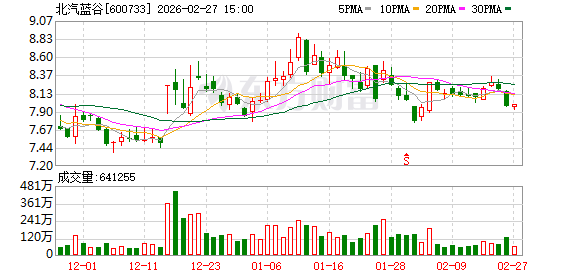
Group 1: Automotive Industry - BAIC Blue Valley (600733.SH) - In February 2026, BAIC Blue Valley sold 7,400 new vehicles, representing a year-on-year increase of 18.3%. Cumulatively, 15,400 new vehicles were sold in January and February, up 14.8% year-on-year [6][7]. - Revenue forecasts for 2025-2027 have been revised down to 27.13 billion (-9.6%)/53.96 billion (-78.1%)/80.78 billion (-115.0) CNY due to intense industry competition. However, net profit forecasts for the same period have been adjusted upwards to -4.62 billion (+0.6%)/-1.62 billion (+5.4%)/1.42 billion (+1.4) CNY, indicating potential profitability improvement [6][7]. - The company is the only automaker in the industry to achieve full coverage of L2-L4 autonomous driving capabilities. In December 2025, the Alpha S (L3 version) became one of the first two models in China to receive L3 autonomous driving approval [8]. Group 2: Media Industry - HuiLian Technology (01860.HK) - HuiLian Technology is expected to achieve revenue of 2.03 to 2.06 billion USD in 2025, reflecting a year-on-year growth of 34.6% to 36.6%. The net profit forecast for the same year is set at 54 to 64 million USD, indicating a significant increase of 243.9% to 307.6% [10][11]. - The company anticipates Q4 revenue between 560 to 590 million USD, with a year-on-year growth of 23.7% to 30.3%. The adjusted net profit for Q4 is projected to be between 76 to 86 million USD, marking a turnaround from losses [10][11]. - The growth in the mobile advertising market and the solid technological advantages are driving steady revenue growth, with scale effects enhancing net profit margins [10][11].

北汽蓝谷:公司信息更新报告:2月享界表现依旧亮眼,强势新车周期销量增长可期-20260304
KAIYUAN SECURITIES· 2026-03-04 05:45
Investment Rating - The investment rating for the company is "Buy" (maintained) [1] Core Views - The company reported a strong performance in February, with new car sales expected to grow due to a robust new vehicle cycle [1] - Despite a competitive industry environment, the company's overseas business and new models are anticipated to significantly boost profitability [4] - The company is the only player in the industry to achieve full coverage of L2-L4 autonomous driving capabilities, indicating a strong technological position [6] Sales Performance - In February, the company sold 7,400 new vehicles, representing a year-on-year increase of 18.3%. Cumulatively, 15,400 vehicles were sold in January and February, up 14.8% year-on-year [4] - The "Xiangjie" brand contributed significantly to sales, with 4,627 units delivered in February and over 10,000 units delivered in the first two months of the year [5] Financial Forecasts - Revenue forecasts for 2025-2027 have been adjusted to 27.13 billion (-9.6%)/53.96 billion (-78.1%)/80.78 billion (-115.0%) yuan, reflecting a more cautious outlook [4] - Net profit forecasts for the same period have been revised to -4.62 billion (+0.6%)/-1.62 billion (+5.4%)/1.42 billion (+1.4%) yuan, indicating an expected improvement in profitability [4] Product Development - The company plans to enhance its "Xiangjie" brand with new SUV and MPV models in 2026, alongside upgrades to its production facilities [5] - The "Extreme Fox" brand is set to launch six new models in overseas markets in 2026, with a focus on expanding its sales channels [5] Market Position - The company has established itself as a leader in the high-end vehicle market, with the "Xiangjie S9" series capturing over 20% of the sales in the segment above 300,000 yuan [5] - The company has implemented a share buyback plan, reflecting confidence in its long-term growth strategy [6]
北汽蓝谷(600733):公司信息更新报告:2月享界表现依旧亮眼,强势新车周期销量增长可期
KAIYUAN SECURITIES· 2026-03-04 05:14
Investment Rating - The investment rating for the company is "Buy" (maintained) [1] Core Views - The company reported a strong performance in February, with new car sales expected to grow due to a robust new vehicle cycle [1] - Despite a competitive industry environment, the company's overseas business and new models are anticipated to significantly boost profitability [4] - The company has adjusted its revenue forecasts for 2025-2027 downwards but has increased its net profit forecasts for the same period, indicating a positive outlook for profitability improvement [4] Sales Performance - In February, the company sold 7,400 new vehicles, representing a year-on-year increase of 18.3%. Cumulatively, 15,400 new vehicles were sold in January and February, up 14.8% year-on-year [4] - The "Xiangjie" brand contributed significantly to sales, with 4,627 units delivered in February and over 10,000 units delivered in the first two months of the year [5] Financial Forecasts - Revenue projections for 2025, 2026, and 2027 are adjusted to 27.13 billion, 53.96 billion, and 80.78 billion yuan respectively, with year-on-year growth rates of 87.0%, 98.9%, and 49.7% [7] - The net profit forecasts for the same years are revised to -4.62 billion, -1.62 billion, and 1.415 billion yuan, with year-on-year growth rates of 33.5%, 64.9%, and 187.2% [7] Product Development - The company is the only automaker in the industry to achieve full coverage of L2-L4 autonomous driving capabilities, with plans to enhance production capacity and introduce new models in 2026 [6] - The "Xiangjie" brand is expected to establish a foothold in the high-end vehicle market, while the "Jihu" brand is set to continue its strong new vehicle cycle with multiple new models launching in 2026 [5] Market Position - The company has a total market capitalization of 49.345 billion yuan and a circulating market capitalization of 37.911 billion yuan, with a current stock price of 7.75 yuan [1]
22位核心高管集体“加仓”:北汽蓝谷创业发展迎来关键注脚
Xin Hua Cai Jing· 2026-02-27 13:46
Core Viewpoint - The management team of BAIC Blue Valley has made a significant investment in the company, signaling strong confidence in its future growth and aligning their interests with that of the company [2][3]. Group 1: Management Share Purchase Details - A total of 22 key executives from BAIC Group and BAIC Blue Valley participated in the share purchase, with a total investment of 15.32 million yuan, averaging 8.23 yuan per share [2][3]. - Several executives, including the chairman and general manager, invested over 1 million yuan each, indicating a strong commitment to the company's future [3]. - The average purchase price of 8.23 yuan per share is higher than the 7.56 yuan per share cost of a recent 6 billion yuan private placement by institutional investors, establishing a dual anchor point for confidence in the stock [3]. Group 2: Strategic Implications and Future Outlook - The share purchase reflects a belief in the company's "three-year leap" and the "15th Five-Year Plan," focusing on the development cycle from 2026 to 2030 [5]. - BAIC Blue Valley has achieved significant milestones in 2025, including a sales volume exceeding 200,000 units, a year-on-year growth of 84%, and a successful turnaround in gross margin [6]. - The company is set to launch new models in 2026, including a new luxury SUV and MPV, which are expected to drive sales and enhance brand positioning in the competitive market [6][7]. Group 3: Corporate Culture and Team Dynamics - The management's investment is seen as a shift from traditional state-owned enterprise culture to a more entrepreneurial spirit, emphasizing a deep connection between decision-makers and the company's fate [4][9]. - The restructuring of the management team has led to a younger, more dynamic group focused on innovation and customer-centric product development [9][10]. - The commitment of the management team to invest their own money in the company is viewed as a strong signal of their dedication and a key competitive advantage in the increasingly fierce new energy vehicle market [10][11].
政策暖风频吹 新能源车加速“下沉”
2 1 Shi Ji Jing Ji Bao Dao· 2026-02-24 23:06
Group 1 - The Spring Festival is a critical promotional period for automotive brands, with increased customer traffic and sales in the market due to the new "national subsidy" policy and traditional consumption peaks [1] - The shift of car dealerships from suburban areas to shopping malls indicates intensified competition among brands, with price being a decisive factor for consumers in lower-tier cities [2] - The popularity of models priced between 60,000 to 100,000 yuan is rising, with brands like Extreme Fox offering significant discounts and promotional offers to attract customers [2] Group 2 - The acceptance of new energy vehicles (NEVs) is growing in rural areas, with sales of NEVs in these markets expected to outpace urban markets, driven by government initiatives [4][5] - By 2024, the total sales of NEVs in rural areas are projected to reach nearly 760 million units, reflecting a steady increase from 397,000 units in 2020 [5] - The construction of charging infrastructure is crucial for the growth of NEVs, with a significant increase in the number of charging stations expected to alleviate consumer concerns about range anxiety [6] Group 3 - As of December 2025, the total number of electric vehicle charging facilities in China is expected to reach 20.09 million, marking a 49.7% year-on-year increase [6] - The government of Henan province plans to build 29,000 new public charging stations by 2025, significantly enhancing the charging network and improving convenience for NEV owners [6] - The future growth of the automotive market is anticipated to be concentrated in lower-tier cities and rural areas, supported by favorable policies and infrastructure development [6]
被遗忘的角落,烧起车市最猛的一把火
汽车商业评论· 2026-02-24 23:06
Core Viewpoint - The article discusses the revival of the small car market in China, highlighting a shift in consumer preferences towards smaller, more affordable vehicles that offer practicality and modern features, driven by technological advancements and policy support [7][28][58]. Group 1: Market Dynamics - In 2025, the retail volume of A0-class cars reached 1.13 million units, with a cumulative increase of 59%, making it one of the fastest-growing segments in the domestic car market [8]. - The return of the QQ brand and the rapid blind booking of the new QQ3, which received over 27,000 orders in just three hours, indicates a strong consumer interest in small cars [7][8]. - The shift from a focus on larger vehicles to smaller ones is attributed to changing market dynamics, where consumers are increasingly valuing practicality and affordability [7][10]. Group 2: Historical Context - The history of small cars in China reflects the evolution of consumer needs, where early models like the QQ addressed the demand for affordable vehicles among low-income families [10][11]. - The market saw a decline in small cars as consumer preferences shifted towards larger vehicles, driven by economic growth and urbanization, leading to a perception that bigger cars are more desirable [13][14][16]. Group 3: Technological and Policy Influences - The revival of the small car market is significantly influenced by favorable government policies, including subsidies that apply equally to low-cost and mid-range vehicles, enhancing affordability for consumers [28][49]. - Technological advancements in electric vehicle platforms have allowed small cars to offer better space utilization and features, breaking the stereotype that small cars are cramped [29][33]. Group 4: Consumer Behavior and Preferences - Modern consumers, particularly younger generations, are looking for vehicles that reflect their lifestyle and personal aesthetics rather than merely serving as utilitarian transport [39][40]. - The perception of small cars is changing, with consumers no longer viewing them as inferior options but as stylish and practical choices for urban living [40][58]. Group 5: Competitive Landscape - The competition in the small car market is intensifying, with both domestic and international brands recognizing the growth potential and investing in new models [51][57]. - Future competition will likely focus on value rather than price, with brands needing to enhance the emotional and experiential value of small cars to attract consumers [57][58].

至高补贴25000元!极狐汽车开年宠粉放大招
Xin Lang Cai Jing· 2026-02-24 11:04
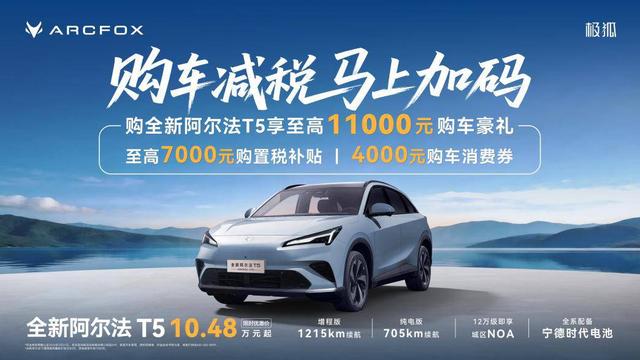
Core Viewpoint - The article highlights the significant growth of Jihu Automobile in the new energy vehicle market, with annual sales surpassing 160,000 units in 2025, marking a doubling for three consecutive years, and a December sales figure exceeding 24,000 units, representing a 103% year-on-year increase [1] Group 1: Sales Performance - Jihu Automobile's sales in 2025 exceeded 160,000 units, achieving a growth rate of 103% in December alone [1] - The company has successfully maintained a trend of doubling sales for three consecutive years [1] Group 2: Subsidy and Promotions - Jihu is offering a maximum subsidy of 25,000 yuan, significantly higher than the 4,425 yuan difference in vehicle purchase tax between 2025 and 2026 [1] - The promotional package includes not only the purchase tax subsidy but also consumer vouchers and lifetime free maintenance, providing comprehensive support for buyers [1] Group 3: Product Offerings - The new models include the Alpha T5, Alpha S5, and T1, which cover a wide range of consumer needs [1] - The Alpha T5 starts at 104,800 yuan, featuring a long range of 1,215 km and advanced technology for urban driving [3][5] - The Alpha S5, starting at 102,800 yuan, is designed for performance enthusiasts, achieving 0-100 km/h in 3.7 seconds and offering a range of 708 km [7][9] - The T1 model, starting at 59,800 yuan, provides spacious interiors and practical features, making it suitable for budget-conscious consumers [11][13] Group 4: Technological Advancements - The Alpha T5 incorporates advanced technologies such as the North Vehicle Shenqing range extension technology, addressing common concerns like range anxiety and noise [3] - The vehicle is equipped with a comprehensive suite of sensors and high-performance computing capabilities to enhance smart driving features [5] Group 5: Market Positioning - Jihu's strategy focuses on aligning with consumer needs, offering significant subsidies and advanced technology to attract buyers [14] - The company positions itself as a leader in making high-performance electric vehicles accessible to a broader audience, promoting "performance equality" [9]
首批625亿元国补到位,车市火爆,有车型价格6万送2万权益
21世纪经济报道· 2026-02-16 12:00
Core Viewpoint - The article highlights the significant boost in the automotive market, particularly in the electric vehicle (EV) sector, driven by government subsidies and the traditional consumption peak during the Spring Festival, showcasing the growing potential in lower-tier cities and rural areas [1][9]. Group 1: Government Initiatives and Market Response - The "Lego New Year" special event launched by the Ministry of Commerce and nine other departments has allocated 625 billion yuan in national subsidies, with local consumer red envelopes and corporate discounts being actively distributed [1]. - The continuation of national subsidies has led to increased foot traffic and sales in automotive showrooms, particularly for vehicles priced between 60,000 to 100,000 yuan [1]. Group 2: Competitive Landscape - Automotive brands are increasingly opening stores in prime locations such as shopping malls, indicating heightened competition and a strategic shift to capture consumer attention [4]. - Price remains the decisive factor for consumers in lower-tier cities, with brands like Extreme Fox promoting models under 100,000 yuan and offering significant incentives [5]. Group 3: Consumer Preferences and Trends - There is a growing acceptance of EVs in rural areas, with sales of EVs in these markets expected to outpace urban areas, driven by government initiatives and consumer demand [9]. - Consumers express a preference for EVs, particularly in the 100,000 to 200,000 yuan range, while also showing concerns about battery range and charging infrastructure [6][10]. Group 4: Charging Infrastructure Development - The construction of charging facilities is rapidly increasing, with projections indicating that by the end of 2025, there will be approximately 20.09 million charging points in China, marking a 49.7% year-on-year growth [11]. - The government of Henan province plans to build 29,000 new public charging points by 2025, significantly enhancing the charging network and alleviating range anxiety for EV owners [11]. Group 5: Future Market Outlook - The Chinese automotive market is expected to peak at around 40 million units, with future growth primarily occurring in lower-tier cities and rural areas, driven by favorable policies and infrastructure improvements [12].



政策暖风频吹,新能源车加速"下沉"
2 1 Shi Ji Jing Ji Bao Dao· 2026-02-16 09:36
Core Insights - The Chinese automotive market is experiencing a surge in consumer interest, particularly in the lower-tier cities, driven by the new "national subsidy" policy and the traditional peak consumption period around the Spring Festival [1][2] - The shift of automotive dealerships from suburban areas to shopping malls indicates increasing competition and a strategic move to capture consumer attention [1] - Price remains a decisive factor for consumers in third and fourth-tier cities, with brands like Extreme Fox and Li Auto focusing on affordable models and attractive promotional offers [2] Automotive Market Trends - The demand for electric vehicles (EVs) is rising in rural areas, with a notable increase in the ownership of brands like BYD and Wuling [3][4] - The sales volume of EVs in rural markets is growing faster than in urban areas, with projections indicating a significant increase in total sales from 397,000 units in 2020 to nearly 7.6 million units by 2024 [4] - The Chinese government is supporting the rural market for EVs through policies that promote the integration of EVs with other consumer goods, aiming to boost rural consumption [4] Charging Infrastructure Development - The construction of charging facilities is on a rapid growth trajectory, with a projected total of 20.09 million charging points by the end of 2025, marking a 49.7% year-on-year increase [5] - The government of Henan province plans to build 29,000 new public charging points by 2025, significantly alleviating range anxiety for EV owners [5] - The development of charging infrastructure is crucial for enhancing the convenience of EV ownership, particularly in rural areas where consumers express a preference for electric vehicles if charging facilities are adequate [4][5]