
海鸥

Search documents
2025年业绩符合预期:比亚迪
citic securities· 2026-03-30 11:49
Financial Performance - BYD's net profit for 2025 is projected to reach CNY 32.6 billion, with Q4 net profit expected at CNY 9.3 billion, aligning with forecasts[5] - The average selling price for vehicles in Q4 2025 is maintained at CNY 128,000, showing no change due to significant discount reductions[8] - The automotive gross margin for Q4 2025 is expected to improve to 21%, up from 20% in the previous quarter[8] Product and Market Insights - BYD's single-vehicle profit is anticipated to rise to CNY 6,700, with domestic sales contributing CNY 2,000-3,000 per vehicle[8] - The company expects to ship approximately 60 GWh of energy storage systems (ESS) in 2025, with around 30 GWh recognized as revenue[5] - BYD's overseas sales in January-February 2026 reached 201,000 units, a year-on-year increase of 51%, driven by strong performance in Europe and South America[8] Growth Catalysts and Risks - Key growth drivers include battery material innovations, new model launches, promotional policies, and export growth[7] - Potential risks involve economic slowdown impacting demand for large consumer goods, changes in supportive policies for new energy vehicles, and rising raw material costs[9]
整车东南亚专家交流
2026-03-24 01:27
Summary of Conference Call Records Industry Overview - The conference call discusses the electric vehicle (EV) market in Southeast Asia, focusing on countries such as Thailand, Indonesia, Malaysia, Singapore, Vietnam, and the Philippines. The overall target for ASEAN's terminal sales in 2026 is set at 180,000 units, representing a 30% increase from previous figures [1][13]. Key Insights and Arguments Market Dynamics - **Thailand** is identified as the core growth market, with monthly orders reaching 7,000-8,000 units. Indonesia and Malaysia follow, with monthly orders of approximately 3,000 and over 2,000 units, respectively [2][1]. - The geopolitical situation has led to a 20% increase in oil prices, resulting in a 20%-30% increase in foot traffic and intention orders at dealerships [1][2]. - The Thai government has introduced a second wave of subsidies (10,000-30,000 THB) that equalizes the price of electric vehicles (EVs) with Japanese fuel vehicles [1][3]. Pricing and Product Strategy - The average price of vehicles is expected to rise above 200,000 RMB by 2026, driven by a shift towards high-end models such as the Tengshi Z9 and Yangwang U7, while new small car models are being deprioritized [1][15]. - In Singapore, the price difference between gasoline and electricity is significant, with gasoline costing about 15 RMB per liter compared to electricity at 1.5 RMB per kWh, leading to a projected EV penetration rate of 30%-40% [4][5]. Regional Market Characteristics - **Vietnam** is shifting from protecting local brand VinFast to a more open market, with plans to export through KD factories and supercharging technology [1][9]. - **Australia** has seen BYD surpass Tesla with a market share of about one-third, driven by the introduction of pickup trucks and ongoing government subsidies [1][17]. - The **Indian market** is focused on commercial vehicles, particularly electric buses, with limited growth in private passenger vehicles due to infrastructure and subsidy challenges [1][16]. Competitive Landscape - In Vietnam, the company plans to leverage local partnerships and KD factories to navigate the competitive landscape dominated by VinFast [9][11]. - The Philippines faces high energy costs, with gasoline prices around 10 RMB per liter and electricity costs nearing 2 RMB per kWh, limiting the growth of EVs despite some recent tax incentives [12][13]. Additional Important Insights - The average selling price in the ASEAN market for 2025 is projected at 180,000 RMB, with expectations for an increase in 2026 due to a shift towards higher-value models [15][16]. - The company is focusing on standardizing channel management and enhancing local service capabilities to compete with established brands like Toyota [13][14]. - The potential for growth in the Indian market is significant, but challenges remain due to a lack of strong policy support and infrastructure [16][18]. Conclusion - The Southeast Asian EV market is poised for growth, driven by government subsidies, changing consumer preferences, and competitive pricing strategies. However, regional differences in oil and electricity prices, along with varying government policies, will significantly influence market dynamics and company strategies moving forward [1][19][20].

3-4月新车发布情况
数说新能源· 2026-03-12 03:14
Group 1 - The article highlights the upcoming product launch cycle for major automotive companies in March and April 2026, with significant new models expected from BYD, Huawei, Xiaomi, and others [2][3] - BYD plans to host a technology day after March 7, introducing several new models including the Song Max/Ultra, Qin Max, and various updated versions of existing models [2] - Other companies like Xpeng, Li Auto, and NIO are also set to unveil new models, with Xpeng's G pre-sale starting in March and NIO's ES9 expected to launch in late March [3] Group 2 - The article mentions that CATL is focusing on the energy storage market, which is growing faster than the power battery sector [13] - BYD is expanding its presence in Southeast Asia, indicating a strategic move to tap into emerging markets [13]


比亚迪的守擂之年
2 1 Shi Ji Jing Ji Bao Dao· 2026-03-06 23:04
Core Insights - BYD is facing increasing competition and challenges in maintaining its market share as competitors like Geely are rapidly closing the technology gap [2][3][10] - The company is undergoing a strategic shift from aggressive market expansion to focusing on product adaptation and customer retention [3][4][12] Sales Performance - In January and February 2026, BYD's sales dropped to 210,000 and 190,200 units, representing year-on-year declines of 30% and 41.1% respectively [2] - Geely's sales during the same period were 270,000 and 206,000 units, indicating a competitive threat to BYD's market position [2] Product Strategy - BYD is focusing on the 100,000 to 200,000 yuan market segment, which is under pressure from competitors like Geely and Wuling [3][14] - The company plans to launch new models to reclaim market share in the budget electric vehicle segment [3][14] Technological Innovation - BYD's internal strategy involves a cycle of mass production, reserve, and pre-research for technological advancements [4][12] - The company aims to introduce significant technological upgrades by 2026, as indicated by its leadership [4][12] Market Dynamics - The competitive landscape is shifting, with traditional Japanese brands losing market share from 20.6% to below 10% between 2021 and 2025 due to slow electrification [7] - BYD's growth has been supported by favorable government policies, including tax exemptions for electric vehicles [9] Pricing and Cost Strategy - BYD has successfully positioned itself in the entry-level market by offering competitive pricing and superior fuel efficiency compared to traditional gasoline vehicles [5][6] - The company has implemented a strategy of price reductions and enhanced configurations to maintain its market position [6][11] High-End Market Strategy - BYD is focusing on high-end market segments, with plans to launch new brands and models to compete with luxury vehicles [18][20] - The company has seen significant growth in its high-end brands, with total sales reaching 396,500 units in 2025, doubling their market share [18][19] International Expansion - BYD's overseas sales surpassed 100,000 units in February 2026, marking a 41.4% increase and accounting for 52.6% of total sales [21] - The company aims to achieve 1.3 million overseas sales in 2026, reflecting a strategic pivot towards international markets [21]
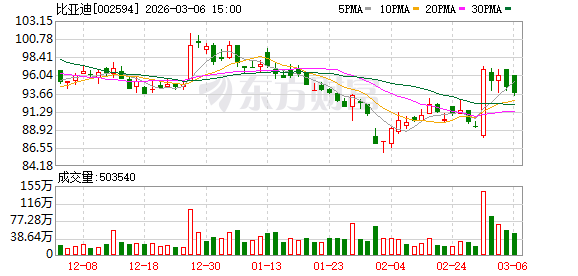
倒闭大甩卖,中国买爆全球汽车工厂
汽车商业评论· 2026-03-05 23:04
Core Viewpoint - The article discusses the significant restructuring and capacity reduction occurring within major international automotive manufacturers, contrasting this with the rapid expansion of Chinese automotive companies that are seizing opportunities from the global capacity crisis [4][16]. Group 1: Capacity Reductions by Major Automakers - Nissan plans to close 7 out of 17 global manufacturing plants, aiming to cut excess capacity by approximately 2.5 to 3 million vehicles by the fiscal year ending March 31, 2028 [6]. - Volkswagen Group announced plans to close at least 3 factories in Germany by the end of 2024, but later abandoned the complete closure strategy, seeking alternative uses for some facilities [7]. - Stellantis has announced the closure of its historic Vauxhall commercial vehicle plant in Luton, UK, and has temporarily shut down its Windsor assembly plant in Ontario, Canada, affecting 5,400 workers [11]. - General Motors has permanently ceased production of BrightDrop electric delivery vans at its Ingersoll CAMI plant and has reduced shifts at its Oshawa plant, impacting around 500 employees [11][14]. - Ford plans to close its Saarlouis plant in Germany by 2032, while Mercedes-Benz has already closed factories in Brazil, France, and Russia [15]. Group 2: Capacity Utilization Trends - In the U.S., automotive and parts capacity utilization rates have fluctuated between 60% and 70% in 2025, with light vehicle production slightly lower at around 65% [17]. - Canada’s automotive assembly volume is projected to drop from 2.3 million units in 2016 to 1.2 million by 2025, with the capacity utilization rate in the transportation equipment manufacturing sector declining by 6.4% [21]. - In Mexico, the automotive industry capacity utilization rate was 88.1% in July 2025, but historical data shows it previously peaked at 98.7% in 2023, indicating unutilized capacity [23]. - Europe faces a severe capacity underutilization issue, with an average utilization rate of only 55% in 2025, necessitating the closure of 8 factories to achieve sustainable capacity levels [25][26]. Group 3: Strategic Opportunities for Chinese Automakers - Chinese automakers are rapidly expanding their global market presence, with exports reaching 7.098 million vehicles in 2025, a 21.1% increase year-on-year, making them the world's largest exporter for three consecutive years [33]. - In Mexico, Chinese brands have grown from negligible presence in 2018 to nearly 20% market share, while in Europe, they captured 9.5% of the market by December 2025, surpassing Korean competitors [34]. - The article highlights that Chinese companies are strategically acquiring idle production assets from traditional automakers, turning the capacity crisis into an opportunity for localized growth [16][35]. Group 4: Localization Strategies of Chinese Automakers - Chinese automakers are employing various strategies such as acquisitions, joint ventures, contract manufacturing, and greenfield investments to establish localized production [42]. - Notable examples include Chery's acquisition of the Nissan plant in South Africa and plans to produce a new high-end brand in Germany, which would mark a significant entry into the German automotive sector [50]. - The article emphasizes that the localization rate of Chinese brands overseas is currently around 30%, significantly lower than the over 80% rate of their Western counterparts, indicating a need for accelerated localization efforts [39][40]. Group 5: Challenges and Adaptations in Global Markets - Chinese automakers face challenges in adapting to local regulations and market conditions, often opting for joint ventures to leverage local expertise and reduce operational risks [51][59]. - The article notes that the shift in perception towards Chinese automakers as partners rather than mere competitors is growing, with local governments increasingly supportive of their investments [72][74]. - The complexities of entering developed markets like the U.S. and Europe require Chinese companies to navigate stringent regulations and local labor laws, often leading to innovative strategies such as contract manufacturing to mitigate risks [60][63].


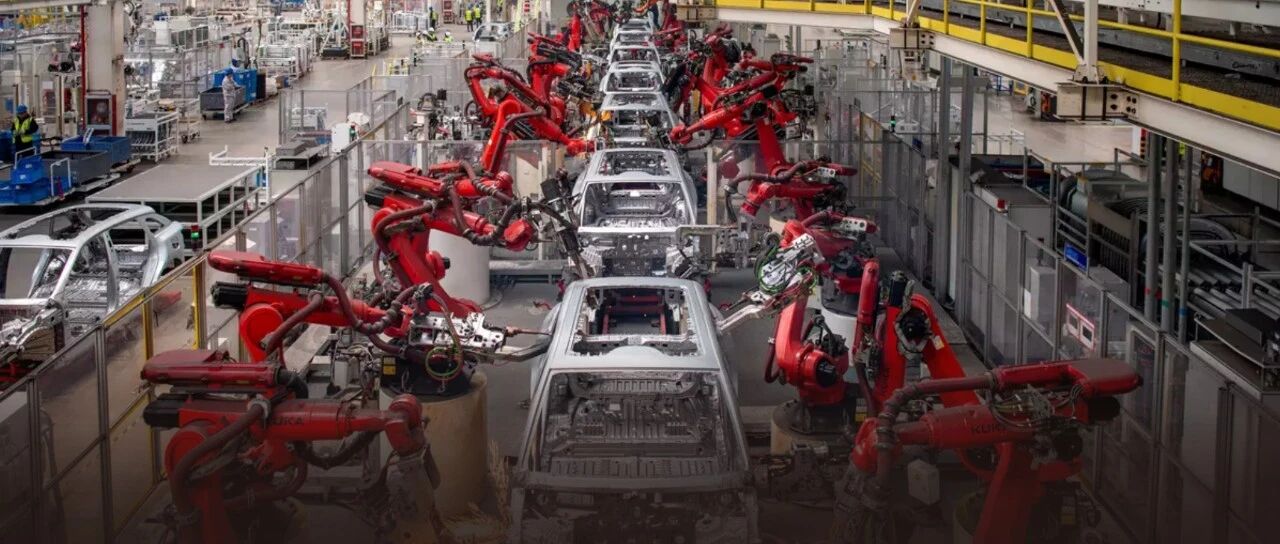
比亚迪闯关:守擂之年,下一个增长点是什么?
2 1 Shi Ji Jing Ji Bao Dao· 2026-03-03 23:31
Core Insights - BYD is facing increasing competition and challenges in maintaining its market share, particularly in the entry-level electric vehicle segment, as competitors like Geely are gaining ground [3][4][18] - The company is undergoing strategic adjustments, focusing on product innovation and marketing to better align with consumer demands and market dynamics [5][22][23] - BYD's historical success has been driven by its pricing strategy and technological advancements, but it now faces diminishing returns on its growth model as competition intensifies [13][14][17] Group 1: Market Performance - In early 2026, BYD's sales dropped significantly, with January and February figures showing a year-on-year decline of 30% and 41.1%, respectively [3] - Geely's sales in the same period surpassed BYD's, indicating a shift in market leadership [12][14] - BYD's Dolphin and Seagull models are under pressure from competitors entering the affordable electric vehicle market [4][18] Group 2: Strategic Adjustments - BYD is focusing on launching new models to reclaim market share in the sub-200,000 yuan electric vehicle segment, which is seen as a critical area for growth [5][21] - The company is also shifting its marketing approach to emphasize emotional value and user experience rather than just technical specifications [23][24] - A hybrid sales model combining direct sales and authorized dealerships is being implemented to enhance market penetration [24] Group 3: Technological Innovation - BYD's technological advancements, such as the DM-i technology and blade battery, have historically provided a competitive edge, but the rapid pace of innovation in the industry poses challenges [9][17] - The company is committed to continuous improvement and innovation, with plans to introduce new technologies by 2026 [5][24] - The competitive landscape is evolving, with rivals quickly replicating successful technologies, necessitating BYD to reassess its technological strategies [14][16] Group 4: Future Growth Opportunities - BYD is targeting international markets for growth, with overseas sales projected to reach 1.3 million units in 2026, representing over 30% of total sales [29][32] - The company is also focusing on high-end market segments, with new brands like Tengshi and Fangchengbao aimed at capturing higher price points [25][26][28] - The overall trend in the automotive industry indicates a shift towards international markets, which is expected to provide significant growth opportunities for BYD [32]
21深度|比亚迪闯关:守擂之年 下一个增长点是什么?
2 1 Shi Ji Jing Ji Bao Dao· 2026-03-03 23:23
Core Insights - BYD is facing increasing competition and challenges in maintaining its market share, particularly in the entry-level electric vehicle segment, as competitors like Geely and Wuling ramp up their offerings [3][16] - The company is undergoing strategic adjustments, focusing on product innovation and marketing to better align with consumer demands and market dynamics [19][20] - BYD's technological advancements, such as the DM-i technology and blade battery, have been pivotal in its growth, but the company must continue to innovate to stay ahead of competitors [5][9][24] Sales Performance - In early 2026, BYD's sales were impacted by seasonal factors, with January and February sales dropping to 210,000 and 190,200 units, representing year-on-year declines of 30% and 41.1% respectively [2] - Geely's sales in the same period were 270,000 and 206,000 units, indicating a competitive threat to BYD's market position [2][13] - BYD's Dolphin and Seagull models are facing pressure from new entrants in the market, particularly as Geely's Star Wish model has shown significant growth [18] Product Strategy - BYD is focusing on launching new models to reclaim market share in the under 200,000 yuan electric vehicle segment, which is seen as a critical area for growth [3][16] - The company is also adjusting its pricing strategy, with the Qin PLUS DM-i's price dropping significantly over the years to maintain competitiveness [6] - The introduction of the Super e-platform is part of BYD's strategy to innovate and meet evolving consumer needs, with expectations for new technology releases by 2026 [4][20] Technological Innovation - BYD's DM-i technology has set a new standard in fuel efficiency, with a thermal efficiency of 43.04% and a fuel consumption of 3.8L per 100 km, outperforming many competitors [5] - The blade battery technology has allowed BYD to maintain a competitive edge in the electric vehicle market by offering lower costs and longer ranges [8][9] - The company is aware of the rapid pace of technological advancement in the industry and is committed to continuous innovation to avoid losing its competitive advantage [14][20] Market Dynamics - The competitive landscape is shifting, with traditional automakers like Toyota and Honda lagging in electric vehicle adoption, allowing BYD to capture significant market share [9][11] - The overall market for electric vehicles is expanding, with projections indicating continued growth in exports and international sales for Chinese automakers, including BYD [26] - BYD's overseas sales have surpassed domestic sales for the first time, indicating a strategic shift towards international markets [24] Brand Positioning - BYD is working to enhance its brand perception and emotional connection with consumers, moving beyond technical specifications to focus on user experience [19] - The company is also exploring high-end market segments with new brands like Tengshi and Fangchengbao, aiming to establish a presence in the luxury vehicle market [21][22] - The success of Fangchengbao, particularly with its Titanium series, highlights BYD's ability to adapt its product offerings to meet specific consumer needs [22]
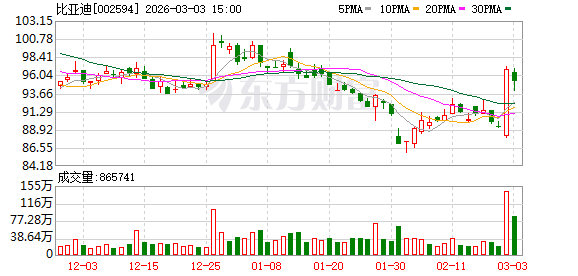
21深度|比亚迪闯关:守擂之年,下一个增长点是什么?
2 1 Shi Ji Jing Ji Bao Dao· 2026-03-03 23:17
Core Insights - BYD is facing increasing competition and challenges in maintaining its market share, particularly in the 10-20 million yuan segment, as competitors like Geely and Wuling ramp up their efforts in the electric vehicle market [2][13] - The company is undergoing a strategic shift from aggressive market share acquisition to focusing on building barriers to protect its existing market position [1][3] - BYD's success has been largely driven by its competitive pricing and technological innovations, but it now needs to adapt to changing consumer demands and market dynamics [8][11] Sales Performance - In January and February 2026, BYD's sales were 210,000 and 190,200 units, representing year-on-year declines of 30% and 41.1% respectively [1] - Geely's sales during the same period were 270,000 and 206,000 units, indicating a competitive threat to BYD's market position [1] Product Strategy - BYD is focusing on launching new models to regain market share in the under 200,000 yuan electric vehicle segment, which is seen as crucial for its future growth [2][13] - The company has implemented a pricing strategy that includes reducing the starting price of models like the Qin PLUS DM-i, which has seen significant price cuts since its launch [6][4] Technological Innovation - BYD's technological advancements, such as the DM-i technology and blade battery, have allowed it to maintain a competitive edge in the electric vehicle market [4][7] - The company is aware of the rapid pace of technological change and the need to continuously innovate to stay ahead of competitors [11][12] Market Dynamics - The automotive market is experiencing a shift, with increasing competition from both established players and new entrants, making it essential for BYD to adapt its strategies [8][9] - The company is also focusing on expanding its presence in international markets, with overseas sales surpassing domestic sales for the first time in early 2026 [20][21] Brand Positioning - BYD is working on enhancing its brand image and marketing strategies to appeal to a broader audience, particularly in the high-end market segment [14][17] - The introduction of new brands like Fangcheng Leopard aims to fill gaps in the market and target specific consumer demographics [17][19]
汽车行业周报:商用车持续增长,乘用车结构向上
Guoyuan Securities· 2026-03-02 07:30
Investment Rating - The report maintains a "Recommended" investment rating for the automotive industry [6] Core Insights - The commercial vehicle sector continues to grow, with a sales increase of 23% year-on-year in January 2026, reaching 358,700 units. Heavy truck sales surged by 46%, and new energy commercial vehicle sales rose by 62% [1] - The report highlights the ongoing structural shift in the passenger vehicle market, with a notable increase in average prices for conventional fuel vehicles and a decrease for new energy vehicles, indicating a change in consumer preferences [29] - The automotive industry is facing a new "chip shortage," leading to significant price increases for automotive-grade DRAM chips, with expected price hikes of 70% to 100% for contracts in 2026 [3] - The report emphasizes the importance of companies with strong electronic and software capabilities in managing supply chains effectively to gain competitive advantages [3] Summary by Sections Market Overview - In January 2026, the commercial vehicle market in China achieved a strong start, overcoming seasonal impacts, with a total sales volume projected to reach 4.5 million units for the year, reflecting a 4.7% year-on-year growth [1] - The report notes that the passenger vehicle market is experiencing a structural change, with average prices for conventional fuel vehicles rising to 181,000 yuan, while new energy vehicles saw a price drop to 195,000 yuan [29] Supply Chain and Pricing - The automotive industry is currently experiencing a "chip shortage," with significant price pressures on automotive-grade DRAM and NAND Flash chips, expected to rise by 55% to 60% and 33% to 38%, respectively [3] - Companies that can effectively manage their supply chains and have strong electronic and software capabilities are likely to emerge as winners in this environment [3] Investment Opportunities - The report suggests focusing on the stable fundamentals of the commercial vehicle industry, particularly opportunities related to engine technology and the integration of AIDC power supply systems [4] - There are also opportunities in the domestic luxury vehicle market as it continues to replace imported brands [4] - The expansion of the automotive-grade chip supply chain presents potential growth opportunities for high-quality automotive companies [4]
汽车行业周报:商用车持续增长,乘用车结构向上-20260302
Guoyuan Securities· 2026-03-02 06:26
Investment Rating - The report maintains a "Recommended" investment rating for the automotive industry [6] Core Insights - The commercial vehicle sector continues to grow, with a sales increase of 23% year-on-year in January 2026, reaching 358,700 units. Heavy truck sales surged by 46%, and new energy commercial vehicle sales rose by 62% [1] - The report highlights the ongoing structural shift in the passenger vehicle market, with a notable increase in average prices for conventional fuel vehicles and a decrease for new energy vehicles, indicating a change in consumer preferences [29] - The automotive industry is facing a new "chip shortage," leading to significant price increases for automotive-grade DRAM chips, with expected price hikes of 70% to 100% for long-term contracts in 2026 [3] - The report emphasizes the importance of companies with strong electronic and software capabilities in managing supply chains effectively to gain competitive advantages [3] Summary by Sections Commercial Vehicle Market - The commercial vehicle market is projected to reach total sales of 4.5 million units in 2026, with a year-on-year growth of 4.7%, providing stable support for the automotive industry's fundamentals [1] Passenger Vehicle Market - In 2025, imported vehicle sales fell by 32.4% to 476,000 units, with a total value decrease of 39.7% to $23.64 billion, indicating a significant contraction in this segment [2] - The luxury vehicle market is opening up for domestic brands as both imports and joint venture brands face declines [2] Semiconductor Supply Chain - The automotive industry is experiencing a new wave of chip shortages, with significant price pressures on automotive-grade DRAM and NAND Flash chips, which are expected to rise by 55% to 60% and 33% to 38%, respectively [3] - The report suggests that this supply chain disruption may create opportunities for new suppliers to emerge [3] Investment Opportunities - The report advises focusing on the stable fundamentals of the commercial vehicle industry, the potential for domestic luxury vehicle brands to replace imports, and the opportunities arising from the expansion of the automotive-grade chip supply chain [4]


