纸白银与实物市场脱节

Search documents
白银直逼80,马斯克直言:这不好!
华尔街见闻· 2025-12-28 12:49
Core Viewpoint - The global silver market is experiencing a structural deficit, with supply shortages leading to significant price increases, driven by industrial demand rather than just safe-haven investment sentiment [3][6]. Supply Gap and Capacity Constraints - In 2025, global silver demand is projected to reach 1.24 billion ounces, while supply is only expected to be 1.01 billion ounces, resulting in a supply gap of 100 to 250 million ounces [5]. - This situation is characterized as a "structural deficit" with no quick fixes in sight [6]. - The rigidity of supply from mining is a core issue, as silver is primarily a byproduct of copper and zinc mining, and new mines typically take over 10 years to develop [7]. - Recycling efforts are insufficient to bridge the supply gap, leaving the supply side weak against rising demand [8]. Inventory Data and Market Dynamics - COMEX silver inventories have plummeted by 70% since 2020, while London vaults have seen a 40% decline [9]. - Current demand rates suggest that available silver inventories in some regions can only sustain 30 to 45 days of supply [10]. Discrepancy Between Paper and Physical Silver - There is a significant imbalance between "paper silver" and physical silver, with an estimated ratio of 356:1, meaning each ounce of physical silver corresponds to hundreds of paper claims [12]. - This disconnection increases market vulnerability, as even a small number of buyers requesting physical delivery could risk system collapse [12]. - Market participants are increasingly aware of this risk, contributing to the recent sharp price increases as banks and institutions react to supply constraints and physical shortages [12]. Industrial Demand and Sensitivity - Industrial applications now account for 50% to 60% of total silver demand [3][13]. - Industrial buyers are less sensitive to price fluctuations due to a lack of effective substitutes, but they are extremely vulnerable in the face of supply shortages [14]. - The volatility in silver prices poses a significant challenge for industries reliant on this critical raw material, as highlighted by concerns from industry leaders like Elon Musk [15].

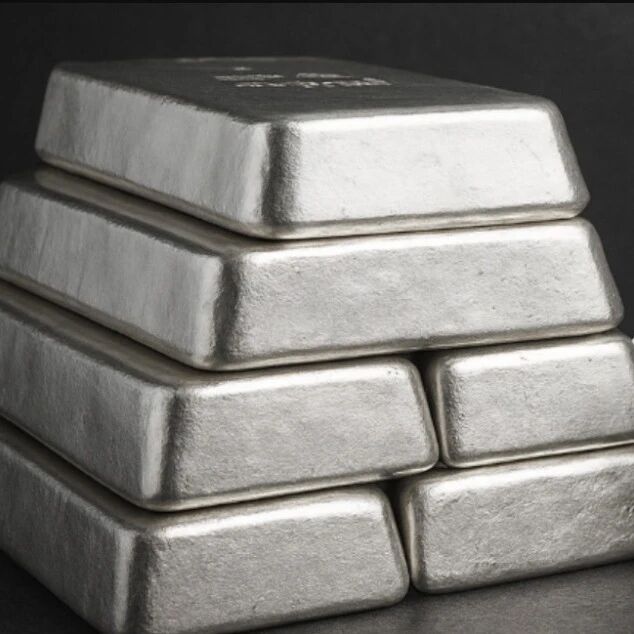
白银狂飙,马斯克直言:这不好!
美股IPO· 2025-12-28 06:56
Core Viewpoint - The price of silver is approaching $80 per ounce, driven by a structural deficit in the global market, plummeting inventories, and a disconnection between paper trading and physical supply, which poses significant challenges to modern industrial chains [1][3][6]. Group 1: Market Dynamics - Silver has seen a rapid price increase, surpassing gold, with concerns raised by Elon Musk regarding its implications for industrial development [3][4]. - The global silver market has been in a structural deficit for five consecutive years, with physical inventories depleting rapidly and major exchange stock levels significantly declining [6][9]. - The supply-demand gap is widening, with projected silver demand reaching 1.24 billion ounces by 2025, while supply is only expected to be 1.01 billion ounces, resulting in a shortfall of 100 to 250 million ounces [9]. Group 2: Industrial Importance - Silver is not only a precious metal for investment but also a critical raw material for solar panels, electric vehicles, electronic products, and medical devices, with industrial demand accounting for 50% to 60% of total demand [8][10]. - The rigid nature of silver mining supply, primarily as a byproduct of copper and zinc mining, along with the long lead time for new mines, exacerbates the supply constraints [9]. - The significant drop in inventory levels, with COMEX silver stocks down 70% and London vault stocks down 40% since 2020, indicates a precarious supply situation, with some regions having only 30 to 45 days of available silver inventory [9]. Group 3: Paper vs. Physical Silver - There is a severe imbalance between "paper silver" and physical silver, with an estimated ratio of 356:1, meaning each ounce of physical silver corresponds to hundreds of claims in paper trading [10]. - This disconnection heightens market vulnerability, as even a small number of buyers requesting physical delivery could risk system collapse, contributing to the recent price surge [10]. - Industrial buyers, who are less sensitive to price fluctuations due to the lack of effective substitutes, face significant challenges amid supply shortages, as highlighted by Musk's concerns about the volatility impacting critical industries [10].

白银狂飙,马斯克直言:这不好
Hua Er Jie Jian Wen· 2025-12-28 01:43
Core Viewpoint - Silver prices are nearing $80 per ounce, driven by a structural deficit, plummeting inventories, and a disconnection between paper trading and physical supply, posing significant challenges to modern industrial chains [1][3]. Supply and Demand Dynamics - The global silver market has been in a structural deficit for five consecutive years, with physical inventories rapidly depleting and major exchange stock levels significantly declining [3]. - By 2025, global silver demand is projected to reach 1.24 billion ounces, while supply is only expected to be 1.01 billion ounces, resulting in a supply gap of 100 to 250 million ounces [6]. - The primary cause of this supply-demand imbalance is the rigidity of mining supply, as silver is often a byproduct of copper and zinc mining, and new mines typically take over 10 years to develop [6]. Inventory Concerns - Since 2020, COMEX silver inventories have decreased by 70%, and London vault stocks have fallen by 40%, with some regions' available silver inventories only able to sustain demand for 30 to 45 days [6]. Paper Silver vs. Physical Silver - There is a significant imbalance between "paper silver" and physical silver, with an estimated ratio of 356:1, meaning each ounce of physical silver corresponds to hundreds of claims in paper trading [7]. - This disconnection heightens market vulnerability, as even a small number of buyers requesting physical delivery could risk system collapse, contributing to the recent sharp price increases [7]. Industrial Demand - Silver is not only a precious metal investment but also a critical raw material for solar panels, electric vehicles, electronic products, and medical devices, with industrial demand accounting for 50% to 60% of total demand [5]. - Industrial buyers are less sensitive to price fluctuations due to a lack of effective substitutes, making them particularly vulnerable in the face of supply shortages [8].

白银狂飙,马斯克直言:这不好!
Hua Er Jie Jian Wen· 2025-12-28 00:59
Core Viewpoint - The silver market is experiencing a significant price surge, nearing $80 per ounce, driven by severe global supply shortages, which has raised concerns about its impact on industrial development [1][8]. Group 1: Supply and Demand Dynamics - The global silver market has been in a structural deficit for five consecutive years, with physical inventories rapidly depleting and major exchange stock levels significantly declining [3]. - By 2025, global silver demand is projected to reach 1.24 billion ounces, while supply is only expected to be 1.01 billion ounces, resulting in a supply gap of 100 to 250 million ounces [6]. - The primary cause of this supply-demand imbalance is the rigidity of mining supply, as silver is often a byproduct of copper and zinc mining, and new mines typically take over 10 years to develop [6]. Group 2: Industrial Importance of Silver - Silver is not only a precious metal for investment but also a critical raw material for solar panels, electric vehicles, electronics, and medical devices, with industrial demand accounting for 50% to 60% of total demand [5][8]. - The lack of effective substitutes in many applications makes industrial buyers less sensitive to price fluctuations, but they are extremely vulnerable in the face of supply shortages [8]. Group 3: Market Vulnerabilities - There is a significant imbalance between "paper silver" and physical silver, with an estimated ratio of 356:1, meaning each ounce of physical silver corresponds to hundreds of claims in paper trading [7]. - This disconnection heightens market fragility, as even a small number of buyers requesting physical delivery could risk system collapse, contributing to the recent sharp price increases [7].